Speaking test #403
Part 1 · Interview
4 to 5 minutes. The examiner asks about you and familiar topics.
Can you tell me your full name?
Where are you from?
Do you work or are you a student?
Do you think museums are important?
Absolutely, I believe that museums are incredibly important. They provide us with an opportunity to learn about different cultures, historical events, and scientific discoveries. They also help to preserve and protect important artifacts, artworks, and documents that would otherwise be lost to time. Without museums, our understanding of the world and our place in it would be greatly diminished.
Are there many museums in your hometown?
There are quite a few museums in my hometown, although the selection is not as extensive as in some larger cities. We have a few historical museums, as well as an art museum and a science museum. However, I would say that we don't have as many as I would like. I think it would be great if we had more museums that focused on different aspects of our local history and culture.
Do you often visit a museum?
I try to visit a museum as often as possible. I find that they are always a great source of inspiration and education. I especially enjoy visiting museums when I travel, as it gives me an opportunity to learn more about the local culture and history. I find that museums are a great way to gain a deeper understanding of the world around me.
When was the last time you visited a museum?
The last time I visited a museum was last month. I went to the local art museum and saw an exhibition of contemporary art from around the world. It was an incredible experience, and I was struck by the diversity and creativity of the artworks on display. I found the exhibition to be both thought-provoking and inspiring, and I would highly recommend it to anyone who is interested in contemporary art.
Do you like music? Why / why not?
I absolutely love music! For me, it's a way to express my emotions, connect with others and even forget about the world for a little while. Whether I'm feeling happy, sad, or just need some background noise, there's always a song that can fit the mood. I think music is one of the most powerful forms of art and it's something that has always been a big part of my life.
What kind of music do you listen to? Why?
I listen to a wide variety of music, but my favorite genre is probably alternative rock. I love the energy and emotion that comes through in the lyrics and the unique sound that different bands bring to the genre. I also enjoy listening to indie music and some electronic music. I find that these genres allow me to discover new artists and sounds, and I appreciate the diversity that they offer.
Has the music that you listen to changed since you were young?
Yes, my taste in music has definitely evolved over the years. When I was younger, I mostly listened to pop music and whatever was popular at the time. As I got older, I started to explore different genres and discovered that there was so much more out there than I had ever realized. My taste in music has become more diverse and I now appreciate a wider range of sounds and styles.
Do you think older and younger generations prefer different types of music?
I think that different generations can have different musical preferences, but it's not always a straightforward distinction. For example, older people might be more inclined to listen to classical music or traditional genres, while younger people might be more into hip-hop or electronic music. However, there are also plenty of older people who love contemporary music and younger people who appreciate older genres. I think it's important to remember that music is a personal thing and everyone has their own unique tastes and preferences.
You will have to talk about the topic for one to two minutes. You have one minute to think about what you are going to say. You can make some notes to help you if you wish.
Describe a monument that you like
You should say:
- Which monument it is
- Where it is located
- What is special about it
- Why you like it
Which monument it is
I would like to talk about the iconic Taj Mahal, one of the most famous monuments in the world, located in Agra, India. This magnificent white marble mausoleum is situated on the banks of the Yamuna River and is renowned for its breathtaking beauty and intricate architectural design. The Taj Mahal was built by the Mughal emperor Shah Jahan in memory of his beloved wife Mumtaz Mahal, making it a symbol of eternal love and devotion.
Where it is located
What makes the Taj Mahal so special is its exquisite craftsmanship and symmetrical layout. The intricate carvings, inlaid gemstones, and delicate marble work showcase the artistic brilliance of Mughal architecture. The monument's pristine white marble changes color with the sunlight, creating a mesmerizing spectacle that attracts millions of visitors from around the globe each year. The surrounding gardens and reflecting pool add to the serenity and charm of the place, making it a peaceful oasis amidst the bustling city of Agra.
What is special about it
I particularly like the Taj Mahal not only for its architectural grandeur but also for the emotional story behind its creation. The love story of Shah Jahan and Mumtaz Mahal is legendary, and the Taj Mahal stands as a timeless testament to their enduring love. Visiting this monument evokes a sense of romance and nostalgia, making it a truly unforgettable experience. The beauty and symbolism of the Taj Mahal make it a must-visit destination for anyone seeking to witness a masterpiece of human creativity and love immortalized in stone.
Why you like it
In conclusion, the Taj Mahal holds a special place in my heart due to its unparalleled beauty, historical significance, and timeless love story. This magnificent monument continues to captivate the world with its charm and elegance, serving as a symbol of enduring love and artistic excellence. I feel fortunate to have visited the Taj Mahal and would highly recommend it to anyone looking to experience the magic of this architectural wonder firsthand.
- Words
- 318
- Sentences
- 14
- Words per sentence
- 22.7
- Speaking time
- about 2.4 min
Counted at 130 words a minute. The exam gives you one to two minutes.
Part 3 · Discussion
4 to 5 minutes. The examiner asks broader questions linked to the cue card topic.
How can various monuments show the cultures or beliefs of the societies that built them?
Monuments serve as powerful symbols of identity for the cultures that create them, often encapsulating their values, beliefs, and historical narratives. For instance, the majestic pyramids of Egypt not only showcase the advanced engineering skills of their time but also reflect the society's deep reverence for the afterlife and the divine. Similarly, the intricate designs of the Taj Mahal reveal the profound love and devotion of Mughal Emperor Shah Jahan for his wife, serving as a testament to the cultural significance of love and beauty in that era. By studying these structures, we gain invaluable insights into what societies prioritized, be it spirituality, love, or technological prowess, enriching our understanding of human history. Ultimately, these monuments act as a bridge, connecting us to the thoughts and aspirations of past civilizations.
Why do some people feel a strong bond with certain monuments while others do not?
People's connections to monuments often stem from their personal experiences, cultural background, and historical significance. For some, a monument might represent cherished memories or pivotal moments in their lives, creating a profound sense of nostalgia. Conversely, individuals who lack a personal or cultural tie to a particular site may view it merely as a structure, missing out on the deeper meanings others associate with it. Additionally, education plays a crucial role; those who have learned about the history behind a monument may feel a stronger bond compared to someone who hasn’t had that exposure. Ultimately, these emotional connections are highly subjective and can vary significantly from person to person.
How do monuments help shape a city's identity and attract tourists?
Monuments play a pivotal role in shaping a city’s identity and boosting its tourism sector. They serve as historical landmarks that encapsulate the culture and heritage of a place, allowing both locals and visitors to connect with its past. For instance, a city’s iconic structure can become a symbol of pride, reflecting its unique story and values. Additionally, these monuments often draw tourists eager to explore their beauty and significance, contributing to the local economy. In essence, they not only enhance the aesthetic appeal of a city but also foster a sense of community and belonging among its residents.
Why do you think people like to go see historical monuments?
People are often drawn to visit historical monuments for a multitude of reasons. Firstly, these sites offer a tangible connection to the past, allowing visitors to immerse themselves in history and understand the cultural heritage of a place. Additionally, many individuals are motivated by a sense of curiosity; they want to explore the stories and legends that surround these structures. Furthermore, visiting these monuments can be a deeply enriching experience, providing insights into architectural styles and ancient civilizations. Ultimately, the allure of historical monuments lies in their ability to evoke a sense of wonder and appreciation for human achievement across time.
How can the importance of a monument change as society develops?
The significance of a monument can shift dramatically as society evolves, often reflecting changes in cultural values, historical perspectives, or even political climates. For instance, a monument that was once celebrated for its heroic connotations might be re-evaluated in light of new historical evidence or shifts in public sentiment, leading to a reassessment of its meaning. This is particularly true for monuments associated with controversial figures; as society becomes more aware of social justice issues, the way we perceive these monuments can change profoundly. Additionally, as new generations emerge, they might find different aspects of a monument relevant, which can breathe new life into its significance. Ultimately, monuments serve as a mirror to our evolving identity, reminding us that history is often more complex than it appears at first glance.
What steps can we take to protect important monuments for future generations?
To ensure the preservation of important monuments for future generations, a multifaceted approach is essential. First and foremost, governments should implement robust conservation policies that prioritize the maintenance and restoration of these sites. Furthermore, involving local communities in the preservation efforts can foster a sense of ownership and responsibility, which is crucial for long-term sustainability. Education plays a pivotal role as well; by raising awareness about the historical significance and cultural value of these monuments, we can inspire individuals to take action. Lastly, securing adequate funding through both public and private sectors will ensure that these treasures are preserved for years to come, allowing future generations to appreciate their heritage.
Go further with the books

Speaking
Speaking Tips for IELTS
Proven Strategies for Band 8.0+
₹299$9.99CAD 13.99AUD 14.99£7.99NZD 16.99€8.99AED 39SGD 12.99
Speaking
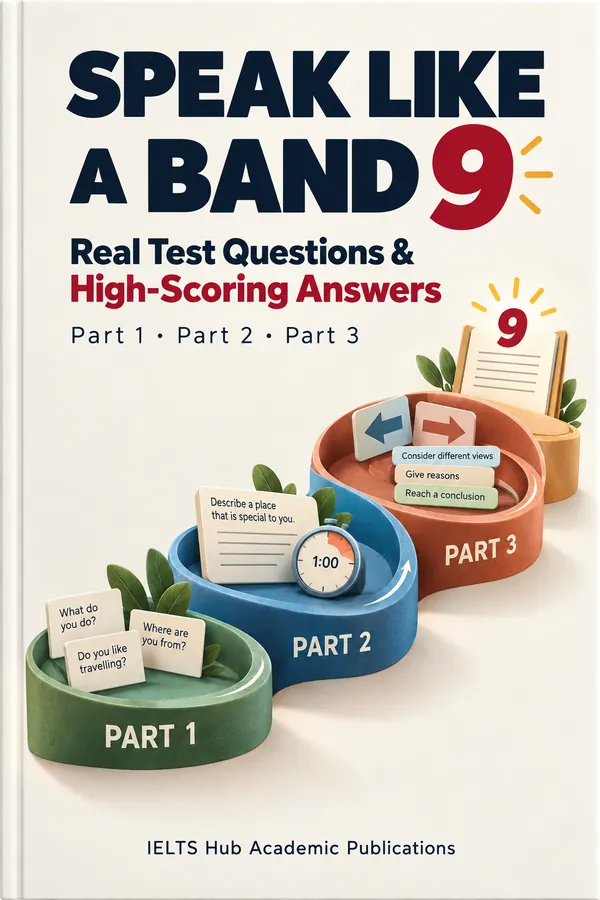
Speak Like a Band 9
Real Test Questions & High-Scoring Answers
₹299$9.99CAD 13.99AUD 14.99£7.99NZD 16.99€8.99AED 39SGD 12.99
Speaking
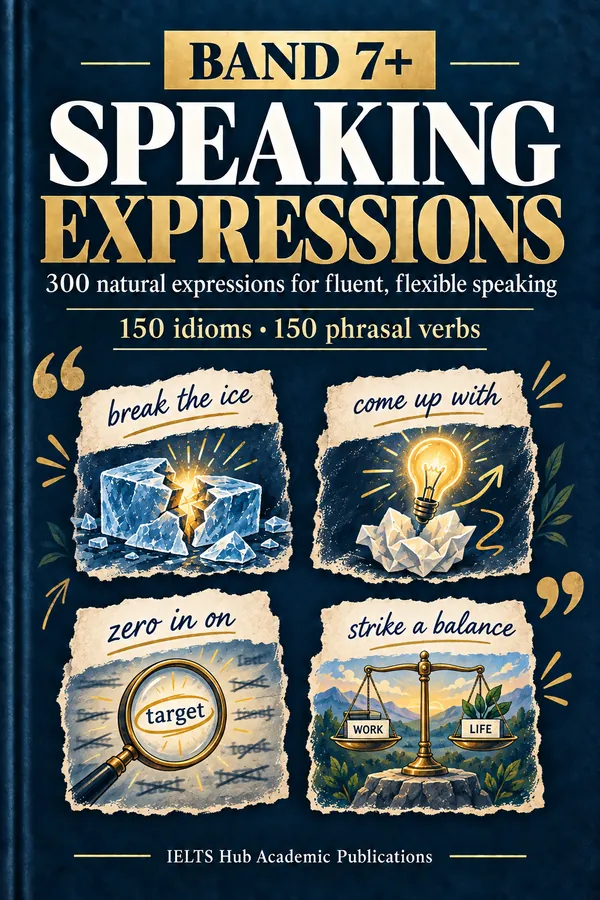
Band 7+ Speaking Expressions
300 natural expressions for fluent, flexible speaking
₹199$6.99CAD 8.99AUD 9.99£4.99NZD 10.99€5.99AED 24SGD 8.99