Speaking test #407
Part 1 · Interview
4 to 5 minutes. The examiner asks about you and familiar topics.
Can you tell me your full name?
Where are you from?
Do you work or are you a student?
How do you celebrate New Year?
I usually celebrate New Year with my family and friends. We gather together at a designated place and have a big feast. We also make resolutions for the upcoming year and share our plans and goals. At midnight, we watch the fireworks and toast to a new year.
Do you still remember the new year that you celebrated?
Yes, I do. The most memorable New Year I celebrated was last year. My family and I went on a trip to a beautiful ski resort. We had a great time skiing and enjoying the snowy scenery. We also had a great dinner together and watched the fireworks at midnight. It was a very special and enjoyable experience.
Do you have any ceremonies to celebrate the New Year in your country?
Yes, we do have some ceremonies to celebrate the New Year in my country. One of the most popular ones is the traditional bell-ringing ceremony. People gather at temples and churches to ring the bell 109 times, which is believed to ward off evil spirits and bring good luck for the new year. Another popular ceremony is the New Year's Eve countdown, where people gather in public places to count down the last seconds of the year and celebrate the arrival of the new year.
Why do people think the New year is a new beginning?
People think the New Year is a new beginning because it marks the end of one year and the start of another. It is a time to reflect on the past year and make resolutions for the upcoming year. It is also a time to let go of any negative experiences and to start fresh with new goals and plans. The New Year also symbolizes hope and optimism for a better future.
How do you usually get your news?
I usually get my news through a combination of sources such as online news websites, television news programs, and social media. I find that by using a variety of sources, I can get a well-rounded understanding of current events.
What type of news do you prefer to read?
I prefer to read news that is related to international politics and current affairs. I find it interesting to learn about what is happening in different countries and how it may impact the world as a whole. Additionally, I also enjoy reading about advancements in science and technology as it helps me stay informed about the latest developments in these fields.
Do most people in your country follow the news?
I believe that most people in my country do follow the news to some extent. Whether it's through reading the newspaper, watching the evening news, or scrolling through social media, people are generally aware of the major events happening around the world.
Do you pay much attention to headlines?
I do pay a lot of attention to headlines as they give me a quick overview of the main story and help me decide which news articles to read. I find that headlines often give me a good sense of the tone and angle of the story, which helps me understand the context of the news.
You will have to talk about the topic for one to two minutes. You have one minute to think about what you are going to say. You can make some notes to help you if you wish.
Describe something you would like to own in the future
You should say:
- What it is
- Why you want to own it
- How you plan to acquire it
- How it will impact your life
What it is
In the future, I aspire to own a sustainable eco-friendly home that incorporates modern technology and green building practices. This dream dwelling would feature solar panels, rainwater harvesting systems, and energy-efficient appliances to minimize its environmental footprint. I have always been passionate about environmental conservation and believe that owning such a home aligns with my values and commitment to sustainable living.
Why you want to own it
The main reason I want to own a sustainable eco-friendly home is to reduce my carbon footprint and contribute positively to the environment. As a responsible global citizen, I feel a deep sense of duty towards protecting our planet and preserving its resources for future generations. By living in a green home, I aim to lead by example and inspire others to adopt eco-friendly practices in their own lives.
How you plan to acquire it
To acquire my dream sustainable home, I plan to save diligently and invest in eco-friendly building materials and technologies. I am also researching government incentives and grants available for sustainable housing projects to make the process more affordable. Additionally, I intend to work closely with architects and builders who specialize in green construction to ensure that my future home meets the highest sustainability standards.
How it will impact your life
Owning a sustainable eco-friendly home would have a profound impact on my life in various ways. Not only would it provide me with a sense of fulfillment and pride in contributing to environmental conservation, but it would also lead to long-term cost savings through reduced energy bills. Furthermore, living in a green home would create a healthier and more comfortable living environment for me and my family, enhancing our overall well-being and quality of life.
- Words
- 269
- Sentences
- 12
- Words per sentence
- 22.4
- Speaking time
- about 2.1 min
Counted at 130 words a minute. The exam gives you one to two minutes.
Part 3 · Discussion
4 to 5 minutes. The examiner asks broader questions linked to the cue card topic.
How can the wish to have specific things change from one culture to another?
The desire to own certain possessions can vary dramatically between cultures, shaped by their unique values and social norms. For instance, in some Western cultures, there tends to be a strong emphasis on individualism and personal success, which often translates into a desire for luxury items like designer clothes or high-end gadgets. On the other hand, in many Eastern cultures, there’s a greater focus on community and family, leading to possessions that signify social status or cultural heritage, such as traditional jewelry or family heirlooms. Additionally, in more collectivist societies, people might prioritize practical items that benefit the group over personal luxury. This fascinating interplay between culture and consumerism reveals much about what we value and aspire to in life.
How important do you think it is for people to have physical things to feel happy?
I believe that while tangible items can certainly contribute to a sense of fulfillment, they are not absolutely essential. Many people find joy and satisfaction in experiences, relationships, and personal growth rather than material possessions. For instance, traveling to new places or spending quality time with loved ones often leaves a more lasting impression than any physical item could. However, I do understand that certain physical possessions can evoke positive memories or serve practical purposes that enhance our lives. Ultimately, fulfillment is a complex interplay of both tangible and intangible elements, and it varies greatly from person to person.
Why do you think ownership is important in today's world?
Ownership plays a pivotal role in modern society, serving as a reflection of our values and priorities. It signifies not just material wealth but also a sense of personal identity and individual achievement. In many cultures, owning property or possessions can elevate one's status and provide a feeling of security, which is incredibly important in today’s fast-paced world. Moreover, ownership often fosters a sense of responsibility – when people take care of what they own, it can lead to greater community engagement and a stronger connection to their environment. Overall, the significance of ownership transcends mere materialism; it intertwines with our sense of belonging and community, shaping how we interact with one another and the world around us.
Why do you think many people care a lot about their belongings?
People often place great value on material possessions for a variety of reasons. For many, owning certain items can symbolize status and success, illustrating their hard work or achievements to others. Additionally, material possessions can evoke a sense of security and comfort, providing us with a tangible way to express our identity and personal style. In a consumer-driven society, we’re constantly bombarded with messages that equate happiness with the latest gadgets or fashion, which can create an insatiable desire for more. Ultimately, while material possessions can enhance our lives, it's crucial to strike a balance and remember that true fulfillment often comes from experiences and relationships rather than things.
How could ownership change in the next few decades?
The landscape of ownership is likely to undergo a remarkable transformation in the coming decades, largely driven by technological advancements and shifting societal values. For instance, the rise of the sharing economy is already reshaping how we view ownership; platforms like Airbnb and Uber encourage people to utilize resources rather than own them outright. This trend might expand further, leading to more communal living arrangements and shared resources, where people prioritize access over possession. Furthermore, as sustainability becomes increasingly important, we may see a shift towards eco-friendly ownership models, such as co-ops and fractional ownership, which promote responsible consumption. All in all, the future of ownership could very well be defined by collaboration and sustainability, making it an exciting prospect to consider!
What steps can people take to make sure their ownership goals are realistic and achievable?
To ensure that aspirations for ownership are realistic and attainable, individuals should start by setting SMART goals—specific, measurable, achievable, relevant, and time-bound. This framework helps break down larger ambitions into manageable steps, making it easier to track progress and stay motivated. Additionally, engaging in thorough financial planning is crucial; understanding one’s budget and savings capacity can prevent individuals from overreaching. Seeking advice from mentors or professionals in the field can also provide invaluable insights, ensuring that aspirations are grounded in reality. Ultimately, maintaining a growth mindset allows individuals to adapt their goals as circumstances change, which is essential for long-term success.
Go further with the books
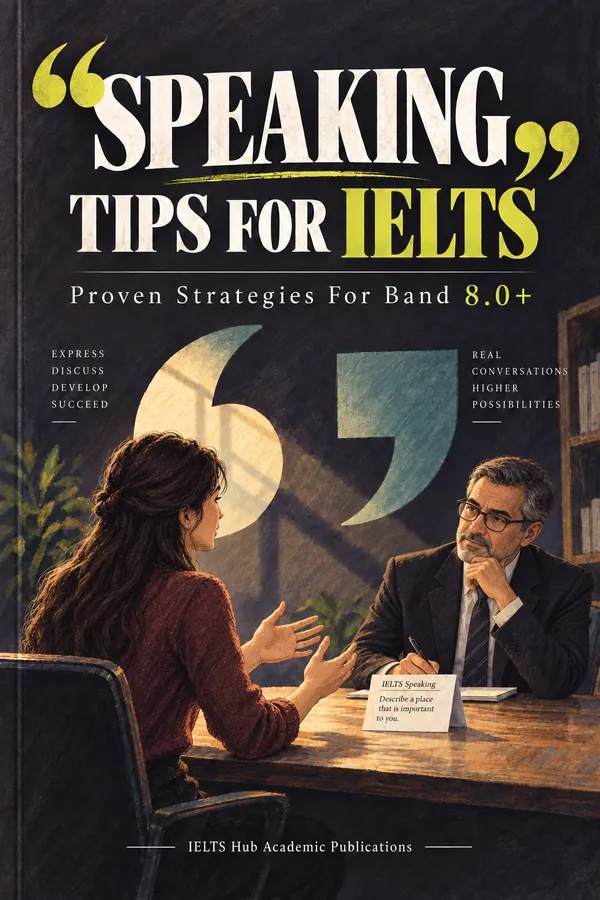
Speaking
Speaking Tips for IELTS
Proven Strategies for Band 8.0+
₹299$9.99CAD 13.99AUD 14.99£7.99NZD 16.99€8.99AED 39SGD 12.99
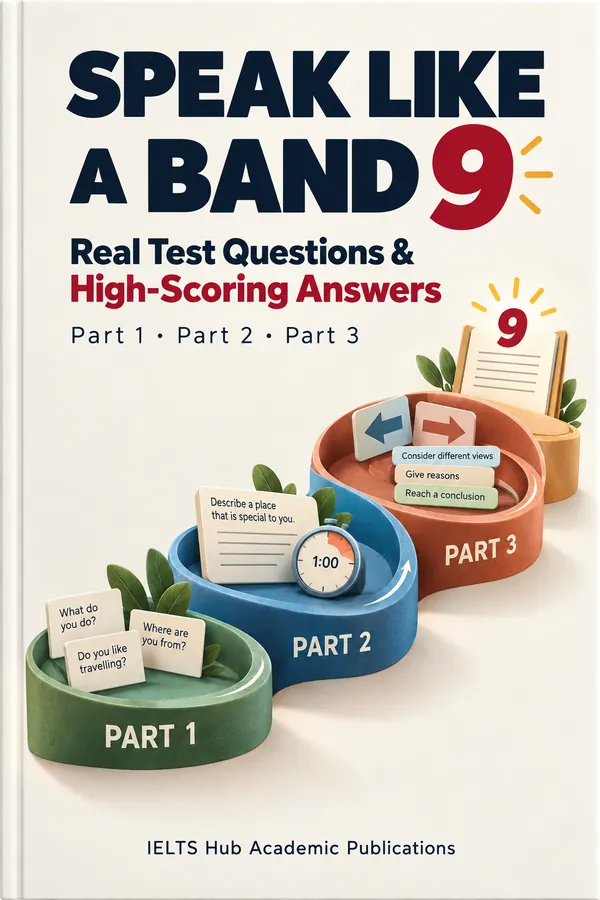
Speaking
Speak Like a Band 9
Real Test Questions & High-Scoring Answers
₹299$9.99CAD 13.99AUD 14.99£7.99NZD 16.99€8.99AED 39SGD 12.99

Speaking
Band 7+ Speaking Expressions
300 natural expressions for fluent, flexible speaking
₹199$6.99CAD 8.99AUD 9.99£4.99NZD 10.99€5.99AED 24SGD 8.99