Speaking test #409
Part 1 · Interview
4 to 5 minutes. The examiner asks about you and familiar topics.
Can you tell me your full name?
Where are you from?
Do you work or are you a student?
Do you like outdoor activities?
Yes, I absolutely love outdoor activities. I find them to be incredibly invigorating and they provide an excellent way for me to stay active and healthy.
What outdoor activities do you most like to do?
I am particularly fond of hiking and camping. I love the feeling of being out in nature and the sense of adventure that comes with exploring new trails and wilderness areas. I also enjoy swimming, kayaking, and rock climbing.
How much time do you spend outdoors every week?
I try to spend as much time outdoors as possible, but it can vary depending on my schedule. On average, I would say that I spend around 20-25 hours per week outdoors.
What (types of) outdoor activities are popular in your country?
In my country, there are many different types of outdoor activities that are popular. Some of the most popular include hiking, camping, rock climbing, and watersports such as swimming, kayaking, and rafting. Additionally, there is a strong culture of outdoor sports such as soccer, basketball, and volleyball. In the winter, skiing and snowboarding are also popular outdoor activities. Overall, there is a wide range of outdoor activities for people to enjoy in my country.
Do you like painting?
Oh, absolutely! I find painting to be such a therapeutic and creative outlet. It's a great way to express myself and to explore different colors and textures.
Do you like to watch a person painting?
Definitely! Watching someone paint is like watching a master at work. It's fascinating to see how they use their brushstrokes and how they build up their layers of paint. It's also inspiring to see the finished product and to see how they've transformed a blank canvas into a work of art.
Is it easy to learn how to paint?
I think it depends on the individual. For some, it may come naturally and they may pick it up quickly. For others, it may take more time and practice to develop the skills. But I do believe that with the right mindset and approach, anyone can learn to paint.
Would you like to learn/improve painting in the future?
Definitely! I've always been interested in painting, but I've never had the opportunity to really delve into it. I would love to take a class or workshop and learn more about different techniques and styles. I think it would be an incredibly rewarding and fulfilling experience.
You will have to talk about the topic for one to two minutes. You have one minute to think about what you are going to say. You can make some notes to help you if you wish.
Describe a place you can go to learn something
You should say:
- What is the place
- What can you learn there
- How often do you visit this place
- Why do you choose this place to learn
What is the place
I'd like to talk about the National Museum in New Delhi, India, as a place where one can delve into the rich tapestry of Indian history and culture. The National Museum is a treasure trove of artifacts, relics, and artworks that offer a profound insight into the country's heritage spanning over several millennia. From ancient sculptures to Mughal paintings and colonial artifacts, visitors can learn about India's diverse history, art, and traditions through the exhibits on display.
What can you learn there
I try to visit the National Museum at least once every couple of months. Each visit provides me with a unique learning experience, deepening my understanding of India's past and the various influences that have shaped its cultural landscape. The museum's vast collection ensures that there is always something new to discover and learn, making each visit a rewarding and enriching experience.
How often do you visit this place
The reason I choose the National Museum as a place to learn is because of its unparalleled ability to bring history and culture to life. The well-curated exhibits, guided tours, and interactive displays create an immersive learning environment that appeals to both enthusiasts and scholars alike. By exploring the museum's galleries, I am able to connect with India's history on a personal level, fostering a deeper appreciation for the country's rich and diverse cultural heritage.
Why do you choose this place to learn
In conclusion, the National Museum in New Delhi stands out as a quintessential place for learning about India's history and culture. Its extensive collection, regular visits, and immersive learning environment make it a preferred destination for those seeking to deepen their knowledge and appreciation of India's rich heritage. For me, each trip to the museum is a journey through time, offering valuable insights and a renewed sense of connection to the country's vibrant past.
- Words
- 288
- Sentences
- 12
- Words per sentence
- 24.0
- Speaking time
- about 2.2 min
Counted at 130 words a minute. The exam gives you one to two minutes.
Part 3 · Discussion
4 to 5 minutes. The examiner asks broader questions linked to the cue card topic.
How can learning places in cities be different from those in the countryside?
Learning environments in urban areas often benefit from a wealth of resources that might be lacking in rural settings. For instance, urban schools typically have access to cutting-edge technology and a diverse range of extracurricular activities, which can greatly enhance the educational experience. In contrast, rural schools might face challenges such as limited funding and fewer qualified teachers, which can affect the overall quality of education. However, rural learning environments often foster a strong sense of community, allowing for more personalized attention and close-knit relationships between students and teachers. Ultimately, while urban areas might offer more opportunities in terms of resources, rural settings can provide a unique and supportive atmosphere that nurtures personal growth.
Some people think that going to school is the best way to learn, while others believe that learning from everyday experiences is better. What do you think?
I think both formal education and informal experiences play crucial roles in the learning process, each offering unique advantages. Formal education provides a structured environment with a comprehensive curriculum that ensures foundational knowledge is built systematically. On the other hand, informal experiences often foster critical thinking and practical skills that can be difficult to attain in a classroom setting. For instance, hands-on experiences in real-world situations can lead to a deeper understanding of concepts that might otherwise feel abstract. Ultimately, I believe a blend of both approaches is the most effective way to learn, allowing individuals to benefit from the rigor of formal education while also embracing the spontaneity and creativity of informal learning.
How does ongoing learning help in personal and work growth?
Continuous learning is absolutely vital for both personal and professional development. In our rapidly changing world, acquiring new skills and knowledge enables individuals to stay relevant and competitive in their fields. It also fosters a sense of curiosity and adaptability, which are essential traits in today’s dynamic job market. Moreover, continuous learning encourages a growth mindset, allowing individuals to embrace challenges and view failures as opportunities for improvement. Ultimately, those who commit to lifelong learning not only enhance their career prospects but also enrich their personal lives, leading to a more fulfilling and well-rounded existence.
Why do you think some people like learning in a classroom instead of taking online courses?
I believe there are several reasons why some individuals gravitate towards traditional classroom settings over online courses. Firstly, the face-to-face interaction with teachers and peers can significantly enhance the learning experience. In a classroom, students can engage in immediate feedback and lively discussions, which often leads to a deeper understanding of the subject matter. Additionally, the structured environment helps many people stay focused and disciplined, as the physical presence of a teacher and classmates can serve as a motivating factor. Lastly, for those who thrive on social connections, the opportunity to build relationships and collaborate in person is invaluable, fostering a sense of community that online platforms often lack.
How could the ways we learn change in the next ten years as technology improves?
The methods of learning are poised to transform dramatically in the next decade, largely due to advancements in technology. We can expect an increase in blended learning environments, where traditional classroom settings are complemented by online resources and interactive platforms. This approach not only caters to diverse learning styles but also allows for personalized education, enabling students to progress at their own pace. Moreover, the rise of artificial intelligence could lead to more sophisticated tutoring systems that provide real-time feedback and support tailored to individual needs. Ultimately, this evolution in learning methods is likely to foster a more engaging and effective educational experience for students all around the globe!
What steps can schools take to improve the learning experience for students?
Educational institutions can implement a variety of measures to significantly enhance the learning experience for students. Firstly, adopting innovative teaching methods—such as project-based learning or flipped classrooms—can make lessons more engaging and relevant. Additionally, integrating technology in the classroom can provide students with interactive tools that cater to different learning styles, making education more accessible. Furthermore, fostering a strong sense of community through collaboration and peer learning can encourage students to support one another, creating a more inclusive environment. Lastly, gathering regular feedback from students about their experiences can help educators continually refine their approaches, ensuring that the learning experience remains both effective and enjoyable. Overall, these measures can create a dynamic educational atmosphere that truly prepares students for the future.
Go further with the books

Speaking
Band 7+ Speaking Expressions
300 natural expressions for fluent, flexible speaking
₹199$6.99CAD 8.99AUD 9.99£4.99NZD 10.99€5.99AED 24SGD 8.99
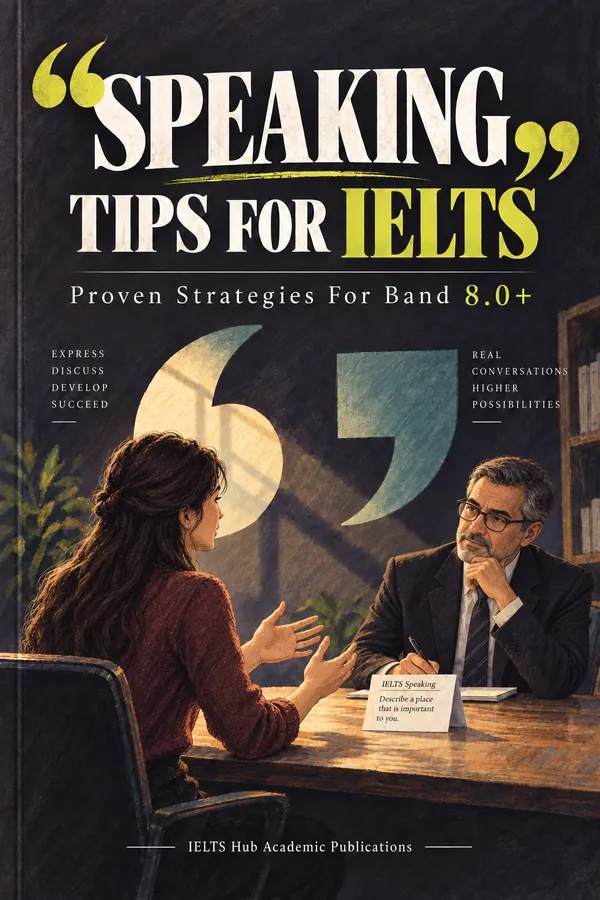
Speaking
Speaking Tips for IELTS
Proven Strategies for Band 8.0+
₹299$9.99CAD 13.99AUD 14.99£7.99NZD 16.99€8.99AED 39SGD 12.99
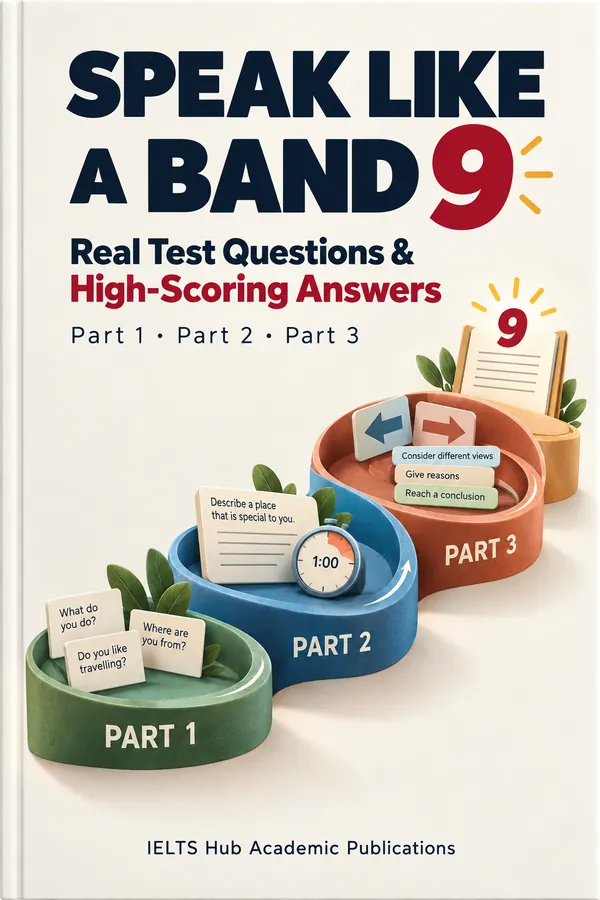
Speaking
Speak Like a Band 9
Real Test Questions & High-Scoring Answers
₹299$9.99CAD 13.99AUD 14.99£7.99NZD 16.99€8.99AED 39SGD 12.99