Speaking test #414
Part 1 · Interview
4 to 5 minutes. The examiner asks about you and familiar topics.
Can you tell me your full name?
Where are you from?
Do you work or are you a student?
Do you make plans every day?
Yes, I make plans every day. I find that having a plan helps me to stay organized and focused throughout the day.
Are you good at managing your time?
I would say that I am quite good at managing my time. I have developed strategies and techniques that help me to stay on task and avoid procrastination.
What is the latest plan you made?
The latest plan I made was to study for an upcoming exam. I have set aside specific times each day to focus on different topics and have also planned out my study schedule for the next week.
What is the hardest part of making plans?
The hardest part of making plans for me is sticking to them. It can be easy to get sidetracked or lose motivation, but I try to remind myself of the end goal and stay focused on my plan.
Do you keep plants at home?
? Yes, I do keep plants at home. I have a variety of different plants that I take care of, including succulents, cacti, and a beautiful fiddle leaf fig tree. I find that having plants in my home not only adds a touch of greenery and natural beauty, but it also helps to improve the air quality and create a more peaceful atmosphere.
What plant did you grow when you were young?
? When I was young, I remember growing a variety of different plants in our garden. Some of my favorites were tomatoes, cucumbers, and sunflowers. I loved the feeling of being able to nurture and take care of something, and seeing it grow and flourish. I also enjoyed eating the fruits of my labor, and it was a great way to connect with nature.
Do you know anything about growing a plant?
? Yes, I have some knowledge and experience with growing plants. I have learned about different types of soil, lighting, and watering requirements, as well as how to properly prune and care for different plants. I also enjoy experimenting with different types of plant care, and I am always trying to learn more about how to make my plants thrive.
Do Indian people give plants as gifts?
? Yes, I believe that Indian people do give plants as gifts. In Indian culture, plants are often seen as symbols of life, growth, and prosperity. Giving a plant as a gift is a way to wish someone well and to share a bit of nature's beauty. Some popular plants that are given as gifts in India include the tulsi plant, which is considered sacred, and the lucky bamboo, which is believed to bring good luck.
You will have to talk about the topic for one to two minutes. You have one minute to think about what you are going to say. You can make some notes to help you if you wish.
Describe a time when you talked to a foreign tourist
You should say:
- Where and when did you meet the tourist?
- What did you talk about?
- How did the conversation go?
- What did you learn from this interaction?
Where and when did you meet the tourist?
In the bustling streets of Mumbai, I vividly recall the time I encountered a friendly foreign tourist outside the iconic Gateway of India. It was a balmy afternoon in February, and the tourist seemed captivated by the grandeur of the historical monument. Intrigued by her enthusiasm, I approached her to offer some insights about the site and engage in a conversation.
What did you talk about?
Our conversation began with a brief exchange of pleasantries, followed by the tourist expressing her awe at the rich cultural heritage of India. We delved into discussions about the history behind the Gateway of India, its significance in the city's landscape, and the diverse architectural styles that adorned the structure. As our conversation progressed, we also touched upon topics such as traditional Indian cuisine, vibrant festivals, and the warmth of Indian hospitality.
How did the conversation go?
Despite the language barrier, our interaction was filled with gestures, expressions, and occasional help from a translation app on our phones. The tourist's genuine curiosity and open-mindedness made the conversation flow effortlessly, creating a harmonious atmosphere of cultural exchange. We shared laughter, stories, and even attempted a few words in each other's languages, bridging the gap between our different backgrounds.
What did you learn from this interaction?
From this heartwarming interaction, I learned the profound impact of cultural exchange through simple conversations. It reinforced my belief in the power of communication beyond boundaries and the importance of embracing diversity. This encounter with the foreign tourist enriched my perspective, reminding me of the beauty in sharing experiences, learning from others, and fostering connections that transcend geographical divides.
- Words
- 252
- Sentences
- 12
- Words per sentence
- 21.0
- Speaking time
- about 1.9 min
Counted at 130 words a minute. The exam gives you one to two minutes.
Part 3 · Discussion
4 to 5 minutes. The examiner asks broader questions linked to the cue card topic.
How could the experiences of foreign visitors be different from those of local people when engaging with a new culture?
The experiences of foreign tourists and local residents can be strikingly different when it comes to interacting with a new culture. Tourists often approach a culture with a sense of wonder and curiosity, viewing it through a lens of novelty and excitement. Every sight, sound, and taste can feel like an adventure, as they seek to immerse themselves in local traditions and customs. In contrast, local residents have a more nuanced understanding of their culture, shaped by everyday realities and personal histories. This can lead to a more complex relationship with their surroundings, as they may take certain aspects for granted or even feel a sense of cultural fatigue. Ultimately, while tourists are often drawn by a desire for exploration, locals navigate a blend of pride and routine in their cultural identity.
How open do you think people are to talking to strangers while traveling in other countries?
I believe the extent to which people are open to conversations with strangers while traveling can vary significantly based on several factors, such as cultural norms and individual personality traits. In many cultures, especially in places like Southeast Asia or Latin America, locals tend to be quite welcoming and eager to engage with travelers, which can lead to some truly enriching experiences. However, in more reserved cultures, like those in parts of Northern Europe, people might be less inclined to strike up a conversation with a stranger. That said, I think the context also plays a crucial role; for instance, shared experiences, like being on a tour or at a local event, can create a natural opportunity for dialogue. Ultimately, while some individuals may be hesitant, many travelers are generally open to making connections, as it often leads to discovering new perspectives and cultural insights that can enhance their journey.
How important is it for travelers to connect with locals while they visit?
Engaging with locals during travel is incredibly significant for a myriad of reasons. Firstly, it allows travelers to gain a deeper understanding of the local culture and traditions, which can really enrich their experience. When you interact with residents, you often discover hidden gems that aren’t in guidebooks—like that quaint café or a mesmerizing local festival. Additionally, these interactions can foster a sense of cultural exchange, where both travelers and locals learn from each other, promoting mutual respect and understanding. Ultimately, it transforms a trip from merely sightseeing into a more meaningful journey, making it memorable for all the right reasons.
Why do you think some people find it easier to talk to tourists than to other locals?
I think there are a few reasons why some individuals feel more at ease chatting with tourists rather than locals. Firstly, tourists often bring a sense of freshness and curiosity that can be invigorating. They tend to ask questions that locals may take for granted, which can spark engaging conversations. Additionally, there’s often less pressure when talking to someone who is just passing through; people might feel they can be more open without the fear of being judged. Lastly, for some, there's a sense of adventure in sharing their culture with an outsider, which can be quite exhilarating and fulfilling.
How might the way people engage with tourists change in the future?
In the future, I envision a significant shift in how locals interact with tourists, primarily driven by technology and cultural exchange. For instance, the rise of virtual reality and augmented reality could enable tourists to immerse themselves in a destination even before they arrive, making locals more prepared to engage meaningfully when they do. Additionally, with the growing emphasis on sustainable tourism, I believe locals will become more inclined to share their cultural heritage and traditions, fostering a deeper connection with visitors. This could lead to a more enriching experience for both parties, as tourists seek authentic interactions rather than superficial encounters. Overall, I’m excited to see how these changes will enhance the relationship between locals and travelers!
What steps can cities take to help locals talk more with visitors from other countries?
To foster better communication between locals and foreign visitors, cities could implement a variety of engaging initiatives. Firstly, organizing cultural exchange events like street fairs or festivals can create a vibrant atmosphere where people can interact and share their traditions. Moreover, cities could introduce multilingual signage in popular tourist areas, which would not only help visitors navigate but also encourage locals to engage with them. Additionally, establishing community ambassador programs where locals volunteer to guide tourists can lead to meaningful interactions and enrich the visitor experience. Lastly, leveraging technology, such as dedicated apps that promote local events or activities, could connect residents and travelers in real-time, making it easier for them to communicate and explore the city together. Overall, these measures can significantly enhance the cultural fabric of cities and create a more welcoming environment for everyone.
Go further with the books

Speaking
Band 7+ Speaking Expressions
300 natural expressions for fluent, flexible speaking
₹199$6.99CAD 8.99AUD 9.99£4.99NZD 10.99€5.99AED 24SGD 8.99
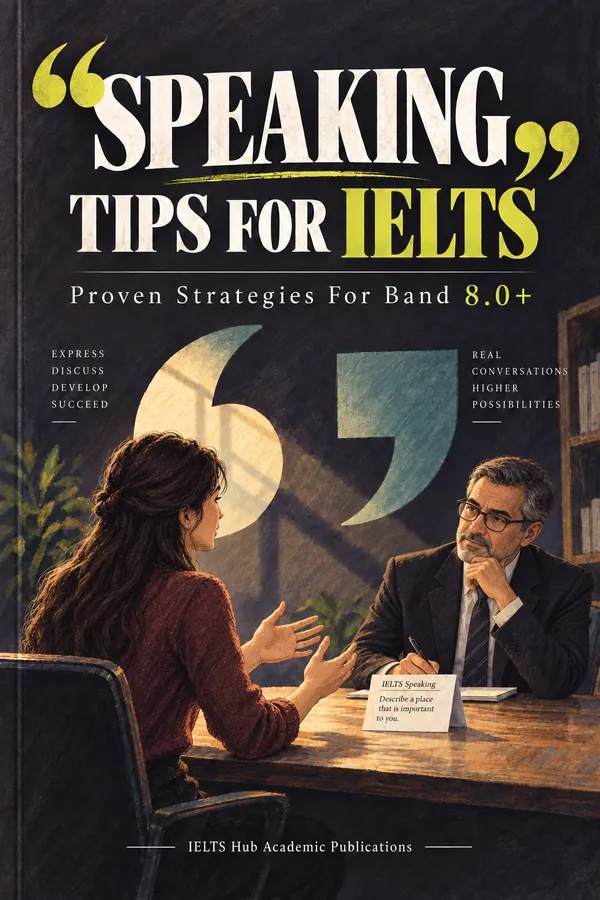
Speaking
Speaking Tips for IELTS
Proven Strategies for Band 8.0+
₹299$9.99CAD 13.99AUD 14.99£7.99NZD 16.99€8.99AED 39SGD 12.99

Speaking
Speak Like a Band 9
Real Test Questions & High-Scoring Answers
₹299$9.99CAD 13.99AUD 14.99£7.99NZD 16.99€8.99AED 39SGD 12.99