Speaking test #416
Part 1 · Interview
4 to 5 minutes. The examiner asks about you and familiar topics.
Can you tell me your full name?
Where are you from?
Do you work or are you a student?
How popular are bicycles in your hometown? [Why?
?] Bicycles are actually quite popular in my hometown. I think a lot of people opt for them as a more environmentally-friendly mode of transportation, especially since our city has a pretty good network of bike lanes and paths. Plus, with the rise of bike-sharing programs, it's become easier for people to access them when they need them.
How often do you ride a bicycle? [Why/Why not?
?] I try to ride my bike as often as possible, both for the exercise and because it's a more sustainable option for getting around. However, I do live in a city with unpredictable weather, so sometimes it's not practical to ride if it's pouring rain or there's a snowstorm.
Do you think that bicycles are suitable for all ages? [Why/Why not?
?] I think that bicycles can definitely be suitable for all ages, as long as the person is comfortable and able to ride safely. Of course, there are some limitations for younger children or elderly individuals, but with the right equipment and precautions, I don't see any reason why anyone of any age couldn't enjoy the benefits of cycling.
What are the advantages of a bicycle compared to a car? [Why?
?] There are so many advantages of a bicycle compared to a car. For one, they're much more eco-friendly, as they don't emit any harmful emissions. They're also much cheaper to maintain and operate, since you don't have to pay for gas or insurance. Additionally, cycling is a great form of exercise, and it can be a really enjoyable way to get around. Plus, with more and more cities investing in bike lanes and infrastructure, it's becoming easier and safer to ride a bike as a mode of transportation.
How did you get here today?
I took the train to get here today. It was a very smooth journey and I arrived on time for my IELTS exam.
Do you often use public transport?
Yes, I do. I find it to be a convenient and cost-effective way to travel, especially in the city where I live.
Do you like public transport in your country?
I love it! Public transport in my country is very efficient and reliable. There are a variety of options available, such as buses, trains, and subways, which makes it easy for me to get around.
What is the difference between taking the bus and taking the train?
The main difference between taking the bus and taking the train is the speed and distance that can be covered. Buses are generally slower and only travel within a specific area, while trains can cover longer distances at a faster speed. Additionally, trains typically have more comfortable seating and amenities compared to buses.
You will have to talk about the topic for one to two minutes. You have one minute to think about what you are going to say. You can make some notes to help you if you wish.
Something you have planned to do but have not done yet
You should say:
- What is the plan
- Why you have not done it yet
- When you plan to do it
- How you will accomplish it
I have always dreamt of embarking on a solo backpacking trip to the majestic Himalayan mountains. The plan involves trekking through picturesque valleys, camping under the starlit sky, and immersing myself in the serene beauty of nature while challenging my physical and mental limits.
Despite my immense passion for this adventure, I have not been able to execute the plan due to my demanding professional commitments. As a full-time working professional, finding a substantial amount of time to undertake such an extensive trip has been challenging. Moreover, the unpredictability of work schedules and other personal responsibilities have further delayed the realization of this aspiration.
However, I am determined to turn this dream into reality next summer, when I have strategically planned a month-long sabbatical from work. This extended break will provide me with the perfect opportunity to disconnect from the hustle and bustle of daily life and reconnect with nature in the Himalayas.
To accomplish this goal, I have already started preliminary preparations by researching the best trekking routes, acquiring essential camping gear, and enhancing my physical fitness through regular exercise and training. Additionally, I am networking with experienced trekkers to seek valuable advice and insights that will ensure a safe and fulfilling expedition.
In conclusion, my long-cherished plan of embarking on a solo backpacking trip to the Himalayas may have been delayed due to various constraints, but I am resolute in my commitment to make it a reality next summer through meticulous planning and dedicated preparation.
- Words
- 247
- Sentences
- 10
- Words per sentence
- 24.7
- Speaking time
- about 1.9 min
Counted at 130 words a minute. The exam gives you one to two minutes.
Part 3 · Discussion
4 to 5 minutes. The examiner asks broader questions linked to the cue card topic.
What makes people have different reasons for delaying their plans?
The reasons for postponing plans can vary drastically from person to person, often reflecting individual circumstances and priorities. For some, it might stem from unforeseen circumstances, such as a sudden family obligation or work commitment that takes precedence. Others may postpone due to personal preferences, like wanting to wait for better weather or a more convenient time to enjoy an activity. Additionally, factors like financial constraints or health issues can play a significant role in someone’s decision to delay their plans. Ultimately, it’s fascinating to see how each person's unique situation shapes their approach to planning and spontaneity!
How much do you think people should focus on their planned activities instead of unexpected chances?
That's a fascinating question! I believe that while having a well-structured plan is important, it’s equally vital to remain open to spontaneous opportunities. Life is full of unexpected moments that can lead to incredible experiences, and sometimes these unplanned events can be more rewarding than anything we meticulously organized. For instance, a last-minute invite to a concert or a trip can introduce you to new people and ideas that enrich your life in ways a strict agenda might not allow. Ultimately, I think a balanced approach is best; prioritizing your plans while also being flexible enough to embrace the unexpected can lead to a more fulfilling and adventurous life.
How does planning help in reaching personal and work goals?
Planning plays a crucial role in achieving both personal and professional goals, as it serves as a roadmap that guides individuals toward their desired outcomes. Without a clear plan, it’s all too easy to become overwhelmed or sidetracked by distractions. When you take the time to outline your objectives, you're not just setting targets; you're also identifying the strategies and milestones that will keep you on track. Moreover, effective planning allows for greater flexibility, enabling you to adapt to unexpected challenges while still pushing forward. Ultimately, having a solid plan instills a sense of purpose and direction, making the journey towards your goals much more manageable and fulfilling.
Why do some people have a hard time sticking to their plans?
There are several reasons why individuals might struggle to follow through on their plans. One major factor is lack of motivation; when people aren't genuinely invested in their goals, it can be easy for them to lose interest and abandon their plans. Additionally, many face time management challenges, where they simply underestimate how much time and effort it will take to achieve their objectives. Furthermore, unexpected obstacles can derail even the best-laid plans, leading to frustration and discouragement. Lastly, some individuals may grapple with self-discipline issues, finding it hard to stay committed when distractions abound. Overall, it’s a complex interplay of internal and external factors that can make sticking to plans quite challenging.
What changes could we expect in how people plan for the future?
In the future, I think we’ll see a significant shift towards more technology-driven planning habits. With the rise of smart devices and AI, people will likely rely on digital assistants to help them manage their schedules, set reminders, and even suggest activities based on their preferences. This could lead to a more streamlined approach to planning, as technology will be able to analyze our routines and optimize our time effectively. Additionally, as remote work continues to gain popularity, we'll probably see more flexible planning, with individuals adapting their schedules to fit a more dynamic lifestyle. Overall, these changes could enhance our productivity while also allowing for a greater emphasis on work-life balance.
What actions can people take to make sure they finish their planned activities?
To ensure that individuals complete their planned activities, there are several effective steps they can take. First and foremost, setting clear and realistic goals is essential; when goals are specific, it becomes easier to stay focused. Additionally, creating a structured schedule can help in managing time efficiently, allowing individuals to allocate dedicated slots for each activity. Another important aspect is to minimize distractions; whether it's turning off notifications on devices or finding a quiet workspace, this can significantly enhance productivity. Lastly, maintaining a positive mindset and celebrating small achievements can provide the motivation needed to keep moving forward. By incorporating these strategies, individuals can greatly increase their chances of successfully completing their planned activities.
Go further with the books
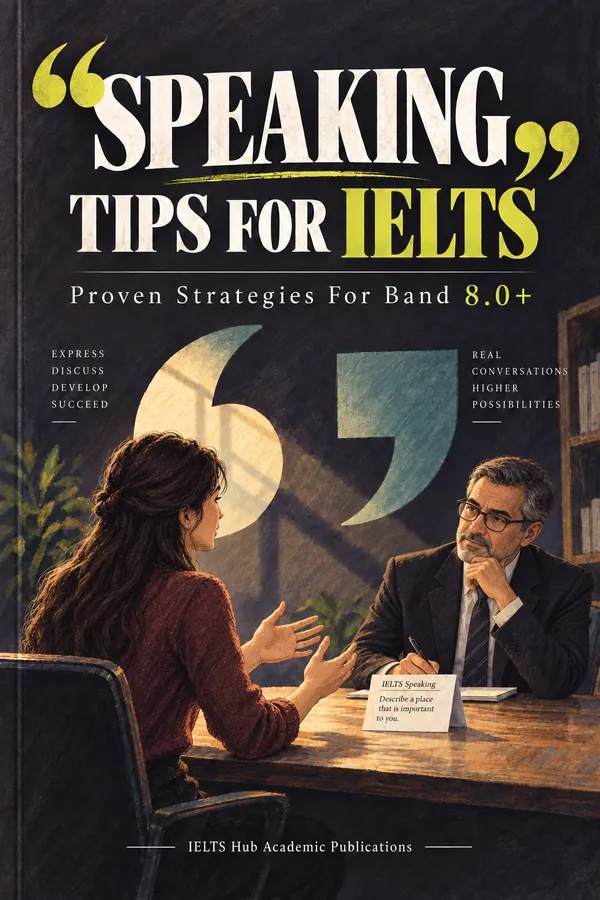
Speaking
Speaking Tips for IELTS
Proven Strategies for Band 8.0+
₹299$9.99CAD 13.99AUD 14.99£7.99NZD 16.99€8.99AED 39SGD 12.99
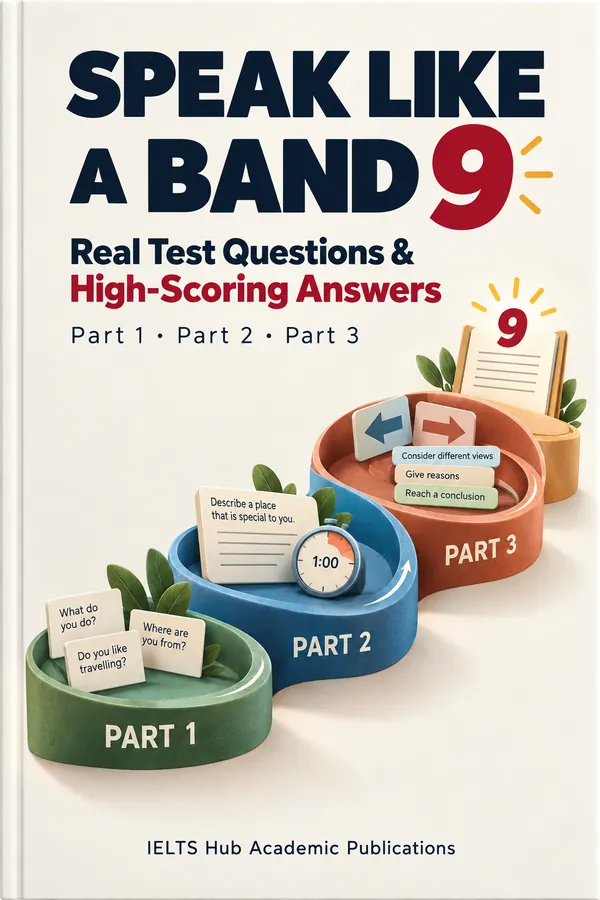
Speaking
Speak Like a Band 9
Real Test Questions & High-Scoring Answers
₹299$9.99CAD 13.99AUD 14.99£7.99NZD 16.99€8.99AED 39SGD 12.99
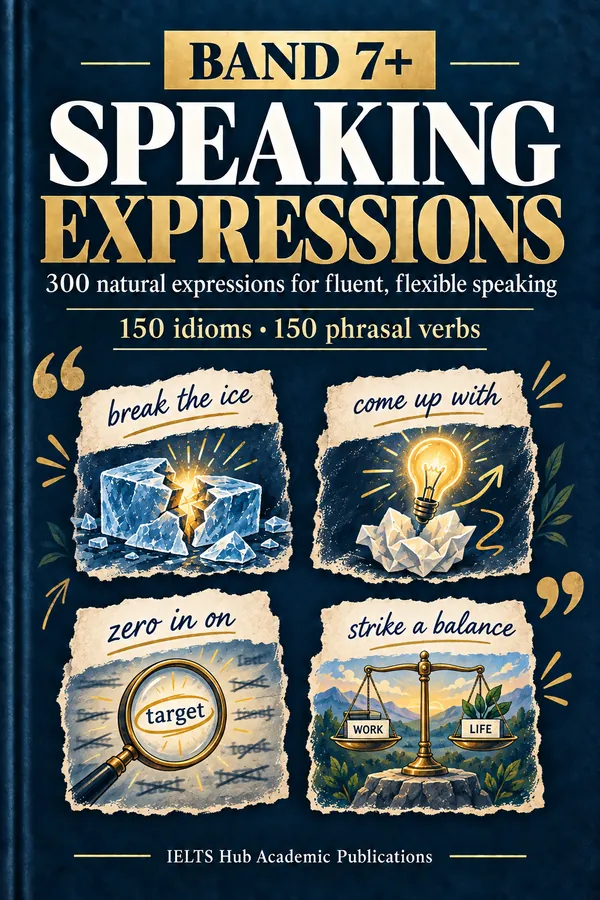
Speaking
Band 7+ Speaking Expressions
300 natural expressions for fluent, flexible speaking
₹199$6.99CAD 8.99AUD 9.99£4.99NZD 10.99€5.99AED 24SGD 8.99