Speaking test #418
Part 1 · Interview
4 to 5 minutes. The examiner asks about you and familiar topics.
Can you tell me your full name?
Where are you from?
Do you work or are you a student?
Do you like rainy days?
Oh, absolutely! I find rainy days to be incredibly peaceful and relaxing. The sound of the raindrops hitting the windows and the ground is so soothing, and there's something about the grey and misty atmosphere that I find quite calming. Plus, it's the perfect excuse to curl up with a good book or watch a movie.
What do you do on rainy days?
On rainy days, I love to indulge in some self-care activities. I'll often light some candles and have a long, luxurious bath, or perhaps do some yoga or meditation to help me relax. I also enjoy cooking and baking, so I'll often spend some time in the kitchen experimenting with new recipes. And, of course, I always make sure to catch up on some reading or watch a movie or two.
Does it rain much in your country? (Where? When?
?) Well, I'm from [insert country], and the rainfall can vary quite a bit depending on where you are. In general, the coastal areas tend to get more rainfall than the inland regions. The rainy season typically starts around [insert month] and lasts until [insert month], but some years it can be quite heavy and last longer.
Is there any part of your country where it doesn’t rain much?
Yes, there are certain parts of my country that are known for their dry climate. For example, [insert region/city] is a desert area and receives very little rainfall throughout the year. On the other hand, [insert region/city] is known for its sunny and dry weather, making it a popular destination for tourists looking to escape the rain.
Do you like to read?
I absolutely adore reading! There's nothing quite like getting lost in a good book, whether it's a gripping thriller or a heart-wrenching romance. I find it to be a wonderful escape from the hustle and bustle of everyday life, and a great way to learn new things and expand my horizons.
Do you ever visit the library?
Yes, I visit the library quite frequently. I find it to be a great resource for finding new books to read, and I also love the peaceful and quiet atmosphere. Plus, it's a great way to support my local community and promote literacy.
Do you prefer reading books or watching films?
This is a tough question, as I love both reading books and watching films. However, if I had to choose, I would say that I prefer reading books. There's something about getting lost in the written word that I find incredibly captivating. Plus, books often offer a deeper and more complex exploration of characters and themes than films do.
Do you think it is essential that children read regularly?
Absolutely! Reading is such a crucial skill for children to develop, as it helps with everything from language development to problem-solving skills. Plus, reading is a great way for children to learn about the world around them, and to develop empathy and understanding for others. Regular reading can also be a great way to promote a lifelong love of learning and curiosity.
You will have to talk about the topic for one to two minutes. You have one minute to think about what you are going to say. You can make some notes to help you if you wish.
When you had a disagreement with someone
You should say:
- Who the disagreement was with
- What the disagreement was about
- How you tried to resolve the disagreement
- The outcome of the disagreement
Who the disagreement was with
I vividly recall a disagreement I had with my close friend, Ritu, last year. The disagreement stemmed from differing opinions on where to go for our annual vacation. While I suggested exploring the serene hills of Himachal Pradesh, she was keen on the bustling beaches of Goa.
What the disagreement was about
To address the disagreement, I initiated an open and honest conversation with Ritu. I made an effort to listen actively to her perspective and equally express my reasons for preferring the hills over the beaches. We both shared our expectations and reasons, trying to understand each other's point of view without getting defensive or confrontational.
How you tried to resolve the disagreement
Ultimately, after a thoughtful discussion, we reached a compromise by deciding to visit both Himachal Pradesh and Goa during our vacation. This way, we could experience the tranquility of the hills as well as the vibrant atmosphere of the beaches. The outcome of our disagreement was not only a harmonious resolution but also a stronger bond forged through mutual understanding and respect for each other's preferences.
The outcome of the disagreement
In conclusion, the disagreement with my friend Ritu served as a valuable lesson in effective communication and compromise. It highlighted the importance of respectful dialogue in resolving conflicts and finding common ground. Our ability to listen, empathize, and compromise not only led to a positive outcome but also deepened our friendship, making our vacation experience truly memorable.
- Words
- 225
- Sentences
- 12
- Words per sentence
- 18.8
- Speaking time
- about 1.7 min
Counted at 130 words a minute. The exam gives you one to two minutes.
Part 3 · Discussion
4 to 5 minutes. The examiner asks broader questions linked to the cue card topic.
How are arguments between friends different from those at work?
Disagreements in personal relationships often stem from emotional ties and deep-seated feelings, which can make conflicts feel more intense and personal. In contrast, conflicts in professional settings are usually more structured and revolve around specific tasks or objectives. For example, colleagues might disagree on a project's direction, but they can usually put aside their differences to achieve a common goal. Additionally, personal disagreements often require more emotional intelligence to navigate, as they can impact the overall dynamics of the relationship, whereas in a workplace, a more objective approach tends to prevail. Ultimately, the context and stakes involved often dictate how these disagreements are approached and resolved.
How important is it for people to share their different opinions openly?
Expressing differing opinions openly is incredibly important in fostering a healthy and vibrant dialogue within society. When people share their perspectives, it not only encourages critical thinking but also promotes mutual understanding and respect among individuals. This exchange of ideas can lead to innovative solutions to complex problems, as diverse viewpoints often bring fresh insights to the table. However, it's also essential that this expression is done in a respectful manner, as heated disagreements can sometimes lead to unnecessary conflict. Ultimately, the ability to voice differing opinions is a cornerstone of democratic societies and helps to create a more inclusive environment where everyone feels valued.
How important do you think good communication is for solving disagreements?
Effective communication is absolutely crucial in resolving disagreements. When people engage in open and honest dialogue, it paves the way for understanding different perspectives and can often lead to constructive solutions. Without effective communication, misunderstandings can escalate, and the situation may deteriorate further. Moreover, when individuals actively listen to one another and articulate their thoughts clearly, it fosters a sense of mutual respect that is essential for conflict resolution. Ultimately, I believe that good communication skills not only help to resolve issues but also strengthen relationships in the long run.
Why do you think some people have a hard time dealing with conflicts or disagreements?
I think there are several reasons why some individuals struggle with handling conflicts or disagreements. Firstly, many people fear confrontation, often worrying about the potential fallout or the emotional toll it might take on relationships. This fear can stem from past experiences where conflicts escalated or led to negative outcomes, making them hesitant to engage in discussions. Additionally, effective communication skills are not something everyone possesses; some individuals may lack the tools to express their thoughts clearly or to listen actively, which can exacerbate misunderstandings. Lastly, cultural factors can play a significant role—some cultures prioritize harmony and may discourage open disagreement, leading individuals to shy away from addressing conflicts directly. Overall, it’s a complex interplay of psychological, communicative, and cultural elements that makes conflict resolution challenging for many.
How could disagreements be different in the future with more digital communication?
The nature of disagreements is likely to evolve significantly with the rise of digital communication. For starters, the speed at which information is exchanged can lead to rapid escalation of conflicts, as misunderstandings can spiral out of control in a matter of minutes. On the flip side, digital platforms also provide opportunities for constructive dialogue, enabling individuals to express their viewpoints in a more considered manner, especially with the ability to edit messages before sending. Furthermore, online anonymity can embolden people to express extreme opinions, potentially leading to more polarized debates. Overall, while the medium may change, the core human emotions behind disagreements will remain, although they might manifest in new and unexpected ways.
What ways can people use to handle disagreements better?
To manage disagreements more effectively, individuals could start by practicing active listening. This means genuinely hearing what the other person has to say before jumping in with their own perspective. Additionally, it’s essential to keep emotions in check; maintaining a calm demeanor can greatly influence the outcome of any discussion. Utilizing open-ended questions can also be a game changer, as it encourages a more collaborative dialogue rather than a confrontational one. Lastly, finding common ground is crucial; highlighting shared values or goals can pave the way for a more amicable resolution. Adopting these strategies can transform conflicts into opportunities for growth and understanding.
Go further with the books
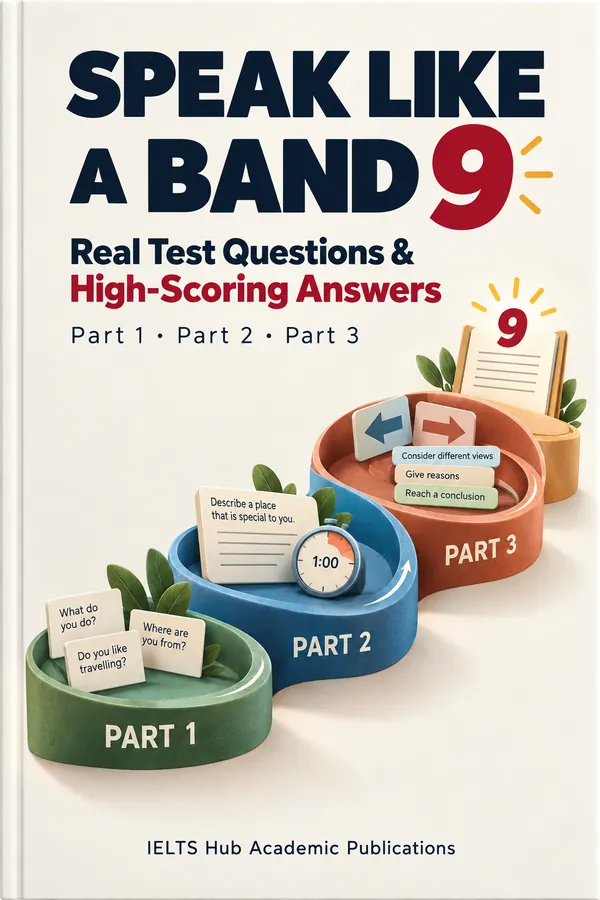
Speaking
Speak Like a Band 9
Real Test Questions & High-Scoring Answers
₹299$9.99CAD 13.99AUD 14.99£7.99NZD 16.99€8.99AED 39SGD 12.99
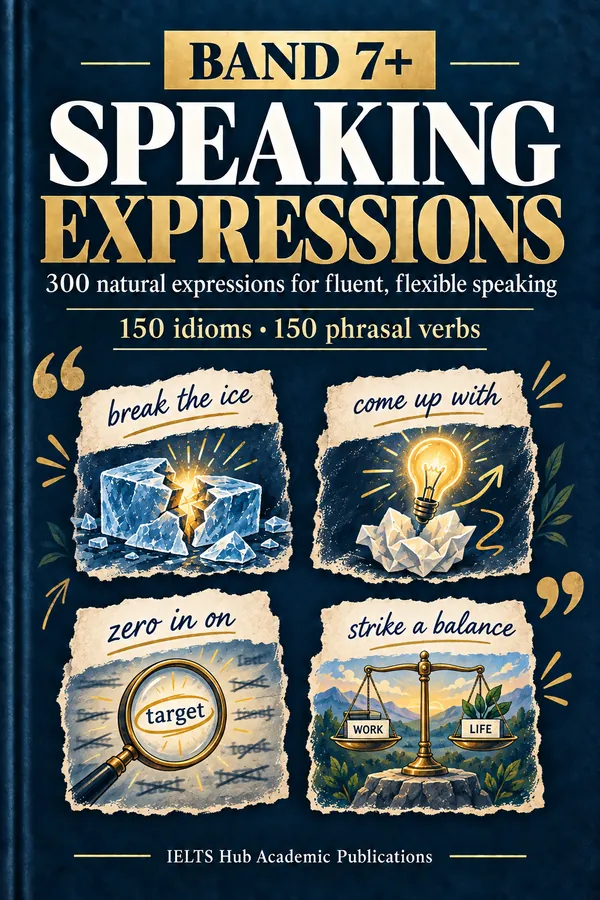
Speaking
Band 7+ Speaking Expressions
300 natural expressions for fluent, flexible speaking
₹199$6.99CAD 8.99AUD 9.99£4.99NZD 10.99€5.99AED 24SGD 8.99
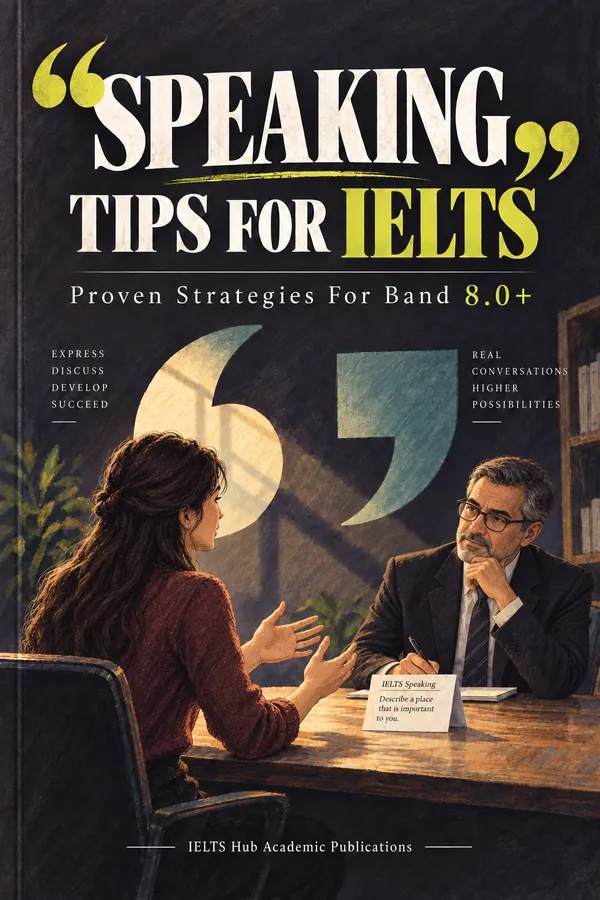
Speaking
Speaking Tips for IELTS
Proven Strategies for Band 8.0+
₹299$9.99CAD 13.99AUD 14.99£7.99NZD 16.99€8.99AED 39SGD 12.99