Speaking test #422
Part 1 · Interview
4 to 5 minutes. The examiner asks about you and familiar topics.
Can you tell me your full name?
Where are you from?
Do you work or are you a student?
Did you save money when you were young?
Yes, I did save money when I was young. I have always had a strong sense of financial responsibility and understood the importance of saving money for the future. I remember putting away a portion of my allowance every week into a piggy bank, and as I got older, I opened a savings account at the bank.
Do parents give children pocket money in your culture (India)?
Yes, parents in India do give children pocket money. It is common for parents to give their children a small allowance to manage their expenses, such as buying snacks or going to the movies with friends. It is also a way for parents to teach their children about budgeting and managing money.
What kinds of things do people save money for?
People save money for a variety of things, such as buying a new car or house, paying for education, going on vacation, or saving for retirement. Some people also save money for emergencies or unexpected expenses. Ultimately, it depends on each person's financial goals and priorities.
Why do you think some people cannot save money?
I believe that some people cannot save money due to a lack of financial literacy or discipline. They may struggle with budgeting and managing their expenses, or they may have a tendency to overspend or live beyond their means. Additionally, some people may have financial constraints such as low income or high debt, which can make it difficult to save money. However, with the right mindset and tools, anyone can learn to save money and achieve their financial goals.
Does your hometown have a lot of scenic views?
Yes, my hometown is surrounded by stunning natural landscapes, from lush forests and rolling hills to sparkling lakes and rivers. It's truly a feast for the eyes.
Do you enjoy visiting places with beautiful views?
Absolutely, I am deeply drawn to natural beauty and the tranquility it brings. There is nothing quite like the sensation of standing in awe before a majestic mountain, or taking in the serene expanse of a tranquil lake.
Do you like taking pictures of beautiful scenery?
I am an avid photographer and I find great joy in capturing the beauty of nature through my lens. From the delicate details of a wildflower to the grandeur of a sunset, each shot is a treasure to me.
Do you think cities are beautiful?
Cities can be beautiful in their own way, with towering skyscrapers and bustling streets that offer a unique energy and excitement. However, for me, nothing compares to the beauty of nature.
You will have to talk about the topic for one to two minutes. You have one minute to think about what you are going to say. You can make some notes to help you if you wish.
A competition you would like to take part in
You should say:
- What is the competition about
- Why you are interested in participating
- What preparations you would need to make
- How you think it would benefit you
What is the competition about
I would like to participate in a national-level debate competition, where participants engage in structured arguments on various topics. This competition is not only about showcasing public speaking skills but also about critical thinking, persuasion, and the ability to think on your feet. As someone who enjoys expressing opinions and engaging in intellectual discussions, I am particularly drawn to this competition for the opportunity it provides to sharpen my debating skills and learn from others.
Why you are interested in participating
To excel in this competition, I would need to make thorough preparations. This includes researching diverse topics, understanding different perspectives, and organizing my thoughts effectively within a limited time frame. Additionally, I would practice articulating my arguments in a clear and concise manner to make a compelling case during the debates. Moreover, I would need to work on my rebuttal skills to effectively counter opposing arguments presented by other participants.
What preparations you would need to make
Participating in this competition would greatly benefit me in several ways. Firstly, it would enhance my public speaking abilities and boost my confidence in presenting my ideas in front of an audience. Secondly, engaging in debates with individuals holding diverse opinions would broaden my understanding of various issues and improve my critical thinking skills. Lastly, the competition would provide me with a platform to network with like-minded individuals, exchange ideas, and foster intellectual growth.
How you think it would benefit you
In conclusion, the national-level debate competition presents an exciting challenge that aligns with my interests and goals. By participating in this competition, I aim to not only enhance my debating skills but also gain valuable experience that would benefit me both academically and personally.
- Words
- 263
- Sentences
- 13
- Words per sentence
- 20.2
- Speaking time
- about 2.0 min
Counted at 130 words a minute. The exam gives you one to two minutes.
Part 3 · Discussion
4 to 5 minutes. The examiner asks broader questions linked to the cue card topic.
How do competitions in areas like sports and school affect participants in different ways?
Competitions in sports and academics can have significantly different impacts on participants, largely due to their inherent nature and the skills they emphasize. In sports, competitors often experience a palpable sense of camaraderie and teamwork, which can foster a strong sense of community. The adrenaline rush associated with physical competition can drive individuals to push their limits, cultivating resilience and perseverance. On the other hand, academic competitions tend to be more about personal achievement and intellectual prowess. They often encourage a spirit of innovation and critical thinking, as participants are challenged to solve complex problems or create original work. While both types of competition can lead to personal growth, the emotional and psychological experiences are quite distinct, with sports often emphasizing physicality and teamwork, and academics focusing on individual intellect and creativity. Ultimately, both types of competition can be incredibly rewarding, shaping participants in unique ways.
How much do you think joining competitions helps personal growth?
Participating in competitions can significantly enhance personal development in numerous ways. Firstly, it fosters a sense of resilience as individuals learn to cope with pressure and setbacks, which is invaluable in both personal and professional life. Additionally, competitions often require participants to set clear goals and strategize, thereby improving their time management and organizational skills. Moreover, engaging in competitive environments can lead to personal growth through networking opportunities, as individuals connect with like-minded peers and mentors who can inspire and motivate them. Overall, the experience gained from competitions can be transformative, equipping individuals with essential life skills and a heightened sense of self-confidence.
How do competitions help people be more creative and come up with new ideas?
Competitions can play a pivotal role in fostering creativity and innovation, as they create an environment that encourages individuals to push their boundaries. When people are challenged to think outside the box, they often come up with unique solutions that they may not have considered otherwise. This competitive spirit not only motivates participants but also leads to a vibrant exchange of ideas, as they learn from each other's approaches. Additionally, competitions can provide valuable feedback, helping individuals refine their ideas and enhance their skills, ultimately contributing to a culture of continuous improvement. Overall, the dynamic nature of competitions acts as a catalyst for ingenuity and collaboration, which are essential for progress in any field.
Why do some people like competing alone while others do better in teams?
That's a really intriguing question! I think it ultimately boils down to personality and personal preferences. Some individuals are naturally more independent and enjoy the sense of personal achievement that comes from individual competitions. They thrive on the ability to set their own pace and push their limits without relying on others. On the other hand, there are those who absolutely flourish in collaborative environments. They find motivation in teamwork and the shared goal of achieving something collectively, which can create a powerful sense of community and camaraderie. It’s fascinating how both settings can provide unique benefits and cater to different aspects of our nature!
How could competitions change in the future because of new technology?
As technology continues to advance at a rapid pace, I believe the nature of competitions will transform dramatically. For instance, we are already seeing the rise of virtual reality and augmented reality in sports and gaming, which could lead to entirely new forms of competition that blend physical and digital elements. Additionally, the integration of artificial intelligence into competitive environments could enhance decision-making and strategy, making competitions more dynamic and unpredictable. Moreover, with the advent of online platforms, competitions could become more accessible, allowing participants from diverse backgrounds to engage and showcase their talents. This could foster a greater sense of community and collaboration across borders. Overall, I think the future of competitions will be incredibly exciting, offering participants and audiences alike a richer and more immersive experience.
What actions can organizations take to make competitions welcoming for different types of participants?
To make competitions more inclusive, organizations could adopt a variety of measures that cater to diverse participants. First and foremost, they should ensure that the entry criteria are flexible and accommodating, allowing individuals from different backgrounds and abilities to participate without unnecessary barriers. Additionally, providing resources such as training workshops or mentorship programs can empower participants and help level the playing field. Moreover, organizations could embrace cultural sensitivity by incorporating diverse perspectives in their planning, ensuring that the competition reflects and respects various traditions and values. Finally, using accessible technology and platforms would allow a broader audience to engage, making it easy for everyone to join in and showcase their talents. Ultimately, fostering an inclusive environment not only enriches the competition but also promotes a sense of community and shared purpose among all participants.
Go further with the books
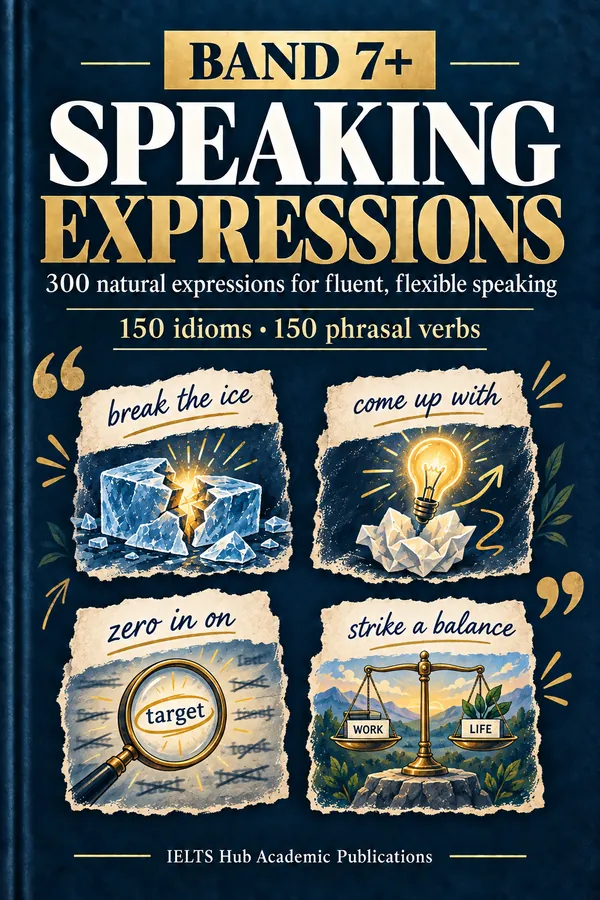
Speaking
Band 7+ Speaking Expressions
300 natural expressions for fluent, flexible speaking
₹199$6.99CAD 8.99AUD 9.99£4.99NZD 10.99€5.99AED 24SGD 8.99
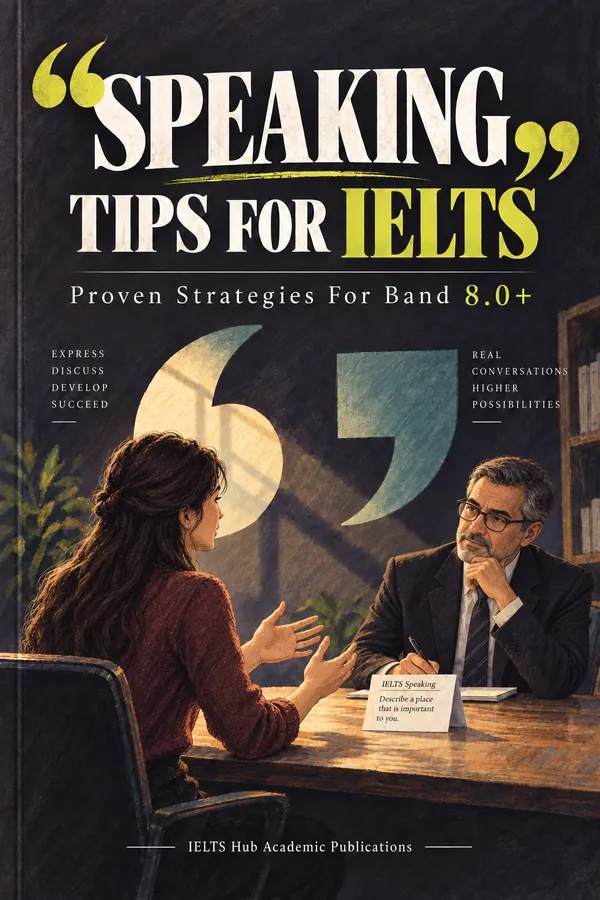
Speaking
Speaking Tips for IELTS
Proven Strategies for Band 8.0+
₹299$9.99CAD 13.99AUD 14.99£7.99NZD 16.99€8.99AED 39SGD 12.99
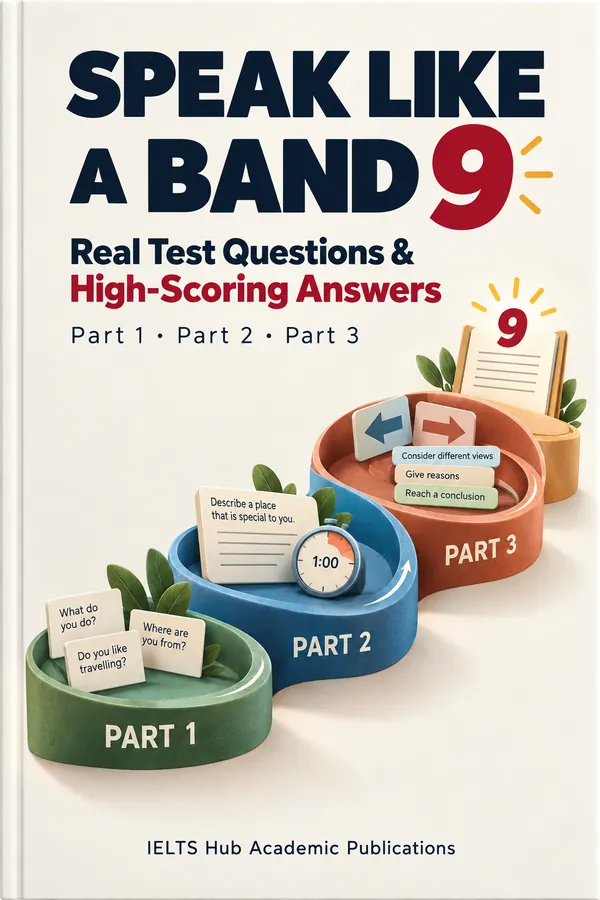
Speaking
Speak Like a Band 9
Real Test Questions & High-Scoring Answers
₹299$9.99CAD 13.99AUD 14.99£7.99NZD 16.99€8.99AED 39SGD 12.99