Speaking test #430
Part 1 · Interview
4 to 5 minutes. The examiner asks about you and familiar topics.
Can you tell me your full name?
Where are you from?
Do you work or are you a student?
Do you mind noises?
Not at all, I actually find certain noises quite soothing and calming. However, I do understand that excessive noise can be quite disruptive and annoying.
What types of noise do you come across in your daily life?
I come across a variety of different noises in my daily life, such as traffic noise, construction noise, and the chatter of people in public places. I also hear the sounds of nature, like birds singing and the rustling of leaves in the wind.
Are there any sounds that you like?
Yes, I absolutely love the sound of waves crashing on the beach, the soft chirping of birds in the morning, and the gentle hum of a guitar being played. These sounds have a calming effect on me and make me feel at peace.
Do you think there’s too much noise in modern society?
I do believe that there is a lot of unnecessary noise in modern society, especially in urban areas. The constant sound of traffic, honking cars, and loud music can be quite overwhelming at times. However, I also think that it's important to appreciate and enjoy the sounds that are a part of our everyday lives, as they can bring us joy and remind us of the beauty of the world around us.
Do you want to travel in outer space?
Oh, absolutely! The thought of exploring the vast expanse of the universe and experiencing the sensation of weightlessness is truly exhilarating to me. The idea of seeing our planet from a completely different perspective and gaining a greater understanding of our place in the universe is something that I find truly fascinating.
What would you do if you had the opportunity?
If I had the opportunity to travel to outer space, I would definitely take advantage of it. I would spend time conducting research and experiments on the various phenomena that occur in space, such as the effects of microgravity on the human body. I would also spend time taking in the stunning views of Earth from afar and observing the other planets and celestial bodies in our solar system.
Do you think it’s necessary to see other planets?
I believe that it is necessary to explore other planets in order to gain a better understanding of our place in the universe and the possibilities for life beyond Earth. Studying other planets and their atmospheres, geology, and potential for habitability can provide us with valuable information about the origins of our own planet and the potential for life elsewhere in the galaxy.
Whom would you like to go with if you travel to space?
If I were to travel to space, I would love to go with a team of scientists and researchers who share my passion for exploration and discovery. I would also love to have the opportunity to bring along my family and friends to share the experience with them and create lasting memories together. Overall, the company of a team of dedicated and knowledgeable individuals would be an invaluable asset to any space journey.
You will have to talk about the topic for one to two minutes. You have one minute to think about what you are going to say. You can make some notes to help you if you wish.
Describe someone you know who is very brave
You should say:
- Who this person is
- How you know this person
- What acts of bravery this person has done
- Why you admire this person's bravery
Who this person is
I would like to talk about my grandmother, who I consider to be an epitome of bravery. She is a remarkable woman who has always been a source of inspiration for me. I have known her all my life, as she has played a significant role in raising me and shaping my values and beliefs. Her unwavering courage and resilience in the face of adversity have left a lasting impression on me.
How you know this person
My grandmother has demonstrated incredible acts of bravery throughout her life. One particular instance that stands out is when she single-handedly managed to save our entire family from a house fire that broke out unexpectedly one night. Despite the raging flames and intense smoke, she remained composed and led everyone to safety, risking her own life in the process. Her quick thinking and calm demeanor in such a terrifying situation left everyone in awe of her bravery.
What acts of bravery this person has done
I admire my grandmother's bravery not just for her heroic deeds but also for her everyday courage in facing life's challenges. She has always stood up for what she believes in, never backing down from difficult situations. Her ability to confront fear head-on and emerge stronger from adversity is truly inspiring. I believe her bravery stems from her deep sense of love and responsibility towards her family, which motivates her to always put others' well-being before her own.
Why you admire this person's bravery
In conclusion, my grandmother's extraordinary bravery has taught me valuable lessons about resilience, selflessness, and strength of character. She continues to be a role model for me, showing me that true courage lies in facing fears with grace and determination. I am grateful to have such a courageous and fearless woman in my life, whose actions speak volumes about the power of bravery in overcoming life's challenges.
- Words
- 294
- Sentences
- 15
- Words per sentence
- 19.6
- Speaking time
- about 2.3 min
Counted at 130 words a minute. The exam gives you one to two minutes.
Part 3 · Discussion
4 to 5 minutes. The examiner asks broader questions linked to the cue card topic.
How can one person's bravery seem more important than someone else's in different situations?
That's a fascinating question! The impact of an individual's bravery can vary significantly depending on the context in which it occurs. For instance, a soldier displaying heroism on the battlefield may be celebrated for their courage in a high-stakes situation, while a whistleblower exposing corruption might be seen as equally brave, albeit in a more subtle and societal sense. The perception of bravery often hinges on societal values; in some cultures, physical courage is lauded, whereas in others, moral courage might be more highly esteemed. Ultimately, what makes one act of bravery seem more impactful than another often relates to the cultural context and the immediate consequences of that bravery on people's lives.
How important is bravery seen as a quality in leaders?
Bravery is absolutely a crucial quality in leadership roles, and I’d argue it’s one of the defining characteristics that sets great leaders apart. In many situations, leaders are faced with challenging decisions that require them to step outside of their comfort zones and take calculated risks. This fearless approach not only inspires confidence among team members but also fosters a culture of innovation and resilience. Moreover, leaders who exhibit bravery can effectively navigate through crises, demonstrating that they can stand firm amidst adversity. Ultimately, while other qualities like empathy and intelligence are important, bravery often becomes the cornerstone that enables leaders to make tough choices and drive positive change.
How important do you think bravery is in reaching personal goals or dreams?
Bravery plays a crucial role in achieving personal goals and aspirations, and I can't emphasize that enough! Often, pursuing our dreams requires stepping outside our comfort zones, and that can be daunting. Whether it’s facing the fear of failure or taking risks that could lead to great rewards, courage acts as the driving force behind our actions. Without a certain level of bravery, many people might hesitate or even give up on their ambitions entirely. So, in essence, bravery not only helps us confront challenges but also inspires resilience and determination on our journey to success.
Why do you think people often honor brave actions, and how does this affect individuals?
I believe society celebrates acts of bravery because they embody the very best of human nature—courage, selflessness, and resilience. When people step up in the face of danger or adversity, it inspires others to do the same, creating a ripple effect of positivity. This recognition not only honors the brave individuals but also encourages a culture of empathy and heroism, where people feel motivated to contribute to the greater good. The impact on individuals can be profound; it can instill a sense of purpose and belonging, making them feel part of something larger than themselves. Ultimately, celebrating bravery helps to foster a community that values and supports heroic actions, which can lead to a more compassionate society.
How could the idea of bravery change in the future as society's values shift?
The perception of bravery is likely to undergo significant transformation as societal values shift. Traditionally, bravery has often been associated with physical acts of heroism, like soldiers in combat or firefighters rescuing people from danger. However, as we increasingly value emotional intelligence and social responsibility, acts of bravery may also encompass standing up for injustice or advocating for mental health awareness. In the future, individuals who challenge societal norms or speak out against discrimination might be celebrated as the new heroes. This expanded definition could lead to a more inclusive understanding of what it means to be courageous, recognizing that bravery can manifest in various forms, from the personal to the political.
What steps can be taken to help more people be brave in tough situations?
To encourage more people to act bravely in challenging situations, it's essential to foster a culture of resilience and support. One effective measure is to implement educational programs that focus on emotional intelligence and leadership skills, helping individuals to recognize the importance of their actions in critical moments. Additionally, showcasing stories of everyday heroes through media and community events can inspire others, demonstrating that bravery is not just for the extraordinary but is something we can all cultivate. Finally, creating supportive environments where people feel safe to express their thoughts and concerns can significantly boost their confidence to take decisive action when it truly matters.
Go further with the books
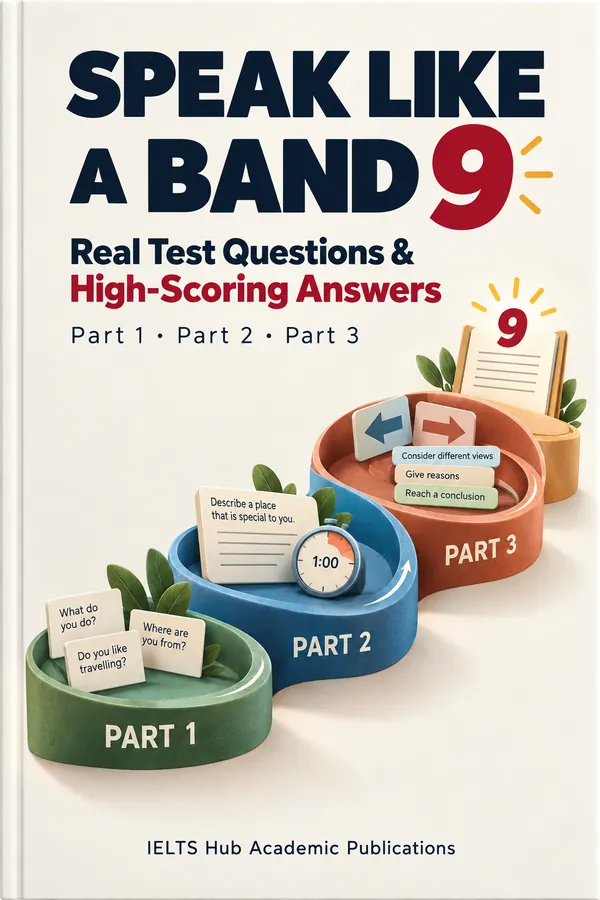
Speaking
Speak Like a Band 9
Real Test Questions & High-Scoring Answers
₹299$9.99CAD 13.99AUD 14.99£7.99NZD 16.99€8.99AED 39SGD 12.99
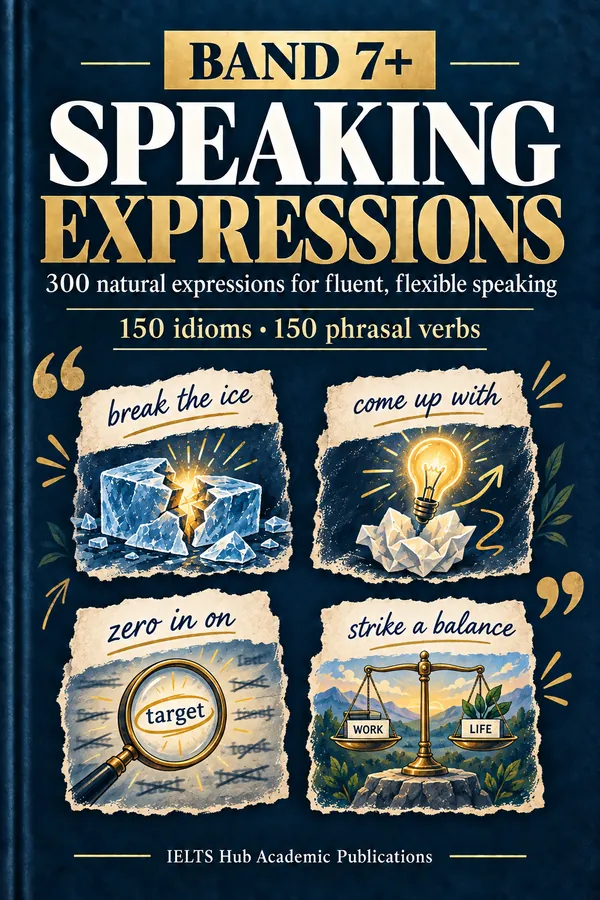
Speaking
Band 7+ Speaking Expressions
300 natural expressions for fluent, flexible speaking
₹199$6.99CAD 8.99AUD 9.99£4.99NZD 10.99€5.99AED 24SGD 8.99
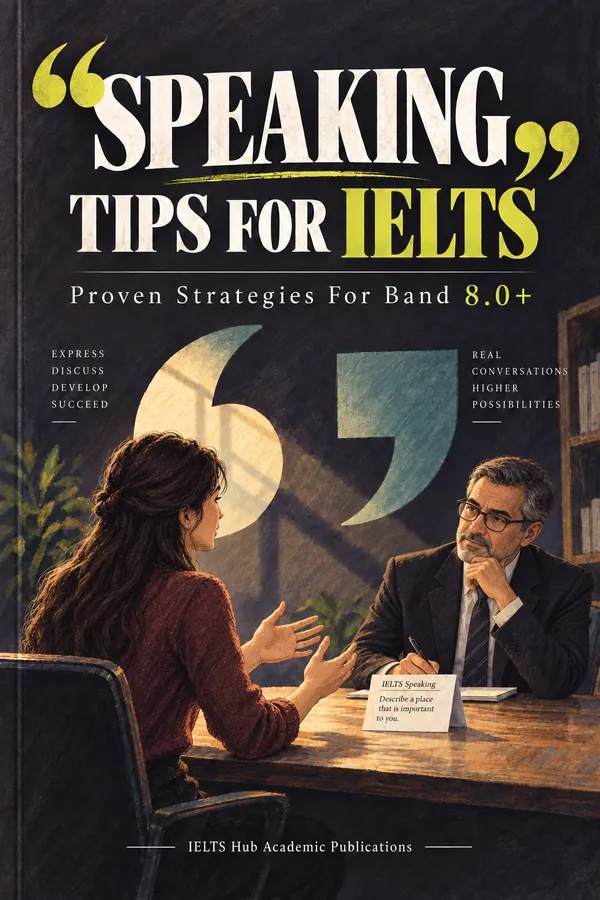
Speaking
Speaking Tips for IELTS
Proven Strategies for Band 8.0+
₹299$9.99CAD 13.99AUD 14.99£7.99NZD 16.99€8.99AED 39SGD 12.99