Speaking test #443
Part 1 · Interview
4 to 5 minutes. The examiner asks about you and familiar topics.
Can you tell me your full name?
Where are you from?
Do you work or are you a student?
Are you a tidy person?
I would consider myself to be quite tidy, yes. I place a high value on organization and cleanliness, and find that maintaining a tidy environment helps me to feel more focused and productive.
How do you keep things tidy?
I try to adopt a few key strategies to keep things tidy. One of the most important is to have a designated place for everything, so that I know where things belong and can quickly put them away when I'm finished using them. I also try to make a habit of doing a quick tidy-up at the end of each day, so that I start the next day with a clean slate. Additionally, I try to be mindful of creating clutter in the first place, by being selective about what I bring into my home or workspace, and being conscious of the amount of stuff I accumulate.
Do you think people should be tidy all the time?
I think that it's important for people to strive to maintain a certain level of tidiness, as it can have a positive impact on one's mental and physical well-being. However, I don't believe that anyone should feel pressured to be perfectly tidy all the time. Life can be messy and chaotic at times, and it's important to be able to let go and be okay with a little messiness from time to time.
Are you tidier at work or at home?
I would say that I am equally tidy at both work and home. I try to maintain a similar level of organization and cleanliness in both environments, as I find that it helps me to feel more productive and focused regardless of where I am.
Do you often borrow books?
Well, I'm a bit of a bookworm, so I borrow books pretty frequently. Whether it's from the library or from a friend, I'm always on the lookout for something new to read.
Is there anything that cannot be lent?
Hmm, that's an interesting question. I suppose there are some things that can't really be lent, like one-of-a-kind items or sentimental possessions. But in general, I think most things can be borrowed if the person is willing to part with it for a while.
Have you borrowed money from a friend?
Yes, I have borrowed money from friends before. It's not something I do all the time, but sometimes you just need a little extra help to get through a tough situation. It's always nice to have friends who are willing to lend a hand.
What would you do if someone did not return what they borrowed from you?
Well, it would depend on the item and the circumstances. If it was something small and not particularly valuable, I might just let it slide. But if it was something important or sentimental, I would probably have a conversation with the person and try to work out a solution. Ultimately, I think it's important to be understanding and try to find a way to resolve the issue without damaging the relationship.
You will have to talk about the topic for one to two minutes. You have one minute to think about what you are going to say. You can make some notes to help you if you wish.
Describe a river, lake or sea which you like
You should say:
- Where is it located?
- What activities can be done there?
- What makes it special to you?
- How often do you visit this place?
Where is it located?
I would like to talk about the serene and captivating Dal Lake located in Srinagar, Kashmir. This picturesque lake is nestled amidst the beautiful Himalayan mountains, surrounded by lush greenery and stunning Mughal gardens. The calm waters of Dal Lake offer a range of activities such as shikara rides, houseboat stays, and floating markets, providing a unique experience for visitors.
What activities can be done there?
What makes Dal Lake truly special to me is its tranquil atmosphere and breathtaking natural beauty. The shimmering reflections of the snow-capped mountains on the crystal-clear waters create a mesmerizing sight that is truly unforgettable. The vibrant floating gardens known as "floating islands" add to the charm of the lake, making it a paradise for nature lovers and photographers.
What makes it special to you?
I try to visit Dal Lake at least once a year to immerse myself in its serene ambiance and rejuvenate my soul. Each visit allows me to disconnect from the hustle and bustle of daily life and find solace in the peaceful surroundings of the lake. Whether it's enjoying a leisurely shikara ride at sunset or savoring the local delicacies at the floating markets, every visit to Dal Lake leaves me with cherished memories to last a lifetime.
How often do you visit this place?
In conclusion, Dal Lake holds a special place in my heart due to its unparalleled beauty and tranquil environment. It serves as a perfect escape from the chaos of urban life, allowing me to connect with nature and unwind in its peaceful embrace. I look forward to many more visits to this enchanting lake to create more unforgettable experiences and moments of serenity.
- Words
- 260
- Sentences
- 12
- Words per sentence
- 21.7
- Speaking time
- about 2.0 min
Counted at 130 words a minute. The exam gives you one to two minutes.
Part 3 · Discussion
4 to 5 minutes. The examiner asks broader questions linked to the cue card topic.
How are rivers and lakes different in their importance to the environment?
Rivers and lakes play crucial roles in our ecosystems, but they do so in quite distinct ways. For starters, rivers are typically characterized by their dynamic flow, which helps to disperse nutrients and support a wide variety of aquatic life. This movement creates diverse habitats, making rivers essential for biodiversity. On the other hand, lakes tend to be more stable environments. They often act as natural reservoirs, providing a habitat for species that thrive in still waters, and can also serve as crucial sites for water filtration and carbon storage. Each body of water, therefore, contributes uniquely to the health of our planet, highlighting the importance of preserving both rivers and lakes.
How much do you think people's feelings about water are shaped by their own experiences?
I believe people's feelings towards bodies of water are profoundly influenced by their personal experiences. For instance, someone who grew up swimming in a lake during family vacations might have a deep sense of nostalgia whenever they encounter similar bodies of water. On the other hand, if a person had a traumatic experience, like nearly drowning, they might develop a sense of fear or anxiety related to water. Additionally, cultural backgrounds can also play a significant role; in some cultures, water is viewed as a sacred element, which can evoke feelings of reverence. Ultimately, our individual experiences shape our perceptions, making our emotional responses to water uniquely personal and incredibly varied.
How important do you think keeping natural water bodies safe is for future generations?
I believe the preservation of natural water bodies is absolutely paramount for future generations. Not only do these bodies of water provide essential resources like drinking water and irrigation, but they also support diverse ecosystems that are vital for maintaining ecological balance. If we fail to protect these natural resources, we risk devastating impacts on biodiversity and potentially depriving future generations of the beauty and functionality of nature. Additionally, clean water bodies contribute to our mental well-being and overall quality of life, providing spaces for recreation and relaxation. Ultimately, safeguarding our water resources is a responsibility we must embrace for the sake of both the environment and humanity’s future.
Why do you think some people feel more connected to the ocean than to rivers or lakes?
I believe the vastness and mystique of the sea often create a profound emotional connection for many individuals. Unlike rivers or lakes, which can feel more confined or familiar, the sea represents endless possibilities and adventure. This sense of freedom and the powerful rhythms of the ocean often resonate deeply with people, invoking feelings of awe and respect. Additionally, the sea has long been a source of cultural significance, with countless stories, myths, and traditions tied to it, which can further enhance that connection. Ultimately, the ocean's ever-changing nature can evoke a sense of wonder that draws people in, making it a truly captivating environment.
How could the way rivers are used for transportation change in the future?
The role of rivers in transportation is likely to undergo significant transformation in the coming years, primarily due to advancements in technology and increasing environmental awareness. As we embrace more sustainable practices, there might be a resurgence in leveraging rivers as eco-friendly transport routes, especially for goods. Innovations like autonomous vessels could revolutionize river transport, making it more efficient and reducing human error. Additionally, with urban areas facing congestion, we might see a shift towards using rivers to alleviate traffic bottlenecks, integrating them into broader public transport networks. Overall, I believe rivers could reclaim their importance as vital arteries of commerce and travel, while promoting a more sustainable future.
What steps can communities take to keep their local lakes and rivers clean from pollution?
Communities can adopt a range of effective measures to safeguard their local lakes and rivers from pollution. Firstly, raising awareness about the importance of these water bodies is crucial; educational campaigns can inform residents about the impact of pollution on wildlife and human health. Additionally, implementing strict regulations on industrial discharge and waste management can significantly reduce harmful contaminants entering these ecosystems. Moreover, promoting community clean-up events not only helps remove existing litter but also fosters a sense of responsibility and stewardship among locals. Finally, encouraging the use of sustainable practices, such as reducing plastic usage and advocating for environmentally friendly products, can go a long way in preserving the natural beauty and health of our waterways. By working together, communities can create a lasting impact and ensure the protection of these vital resources for future generations.
Go further with the books

Speaking
Speaking Tips for IELTS
Proven Strategies for Band 8.0+
₹299$9.99CAD 13.99AUD 14.99£7.99NZD 16.99€8.99AED 39SGD 12.99
Speaking
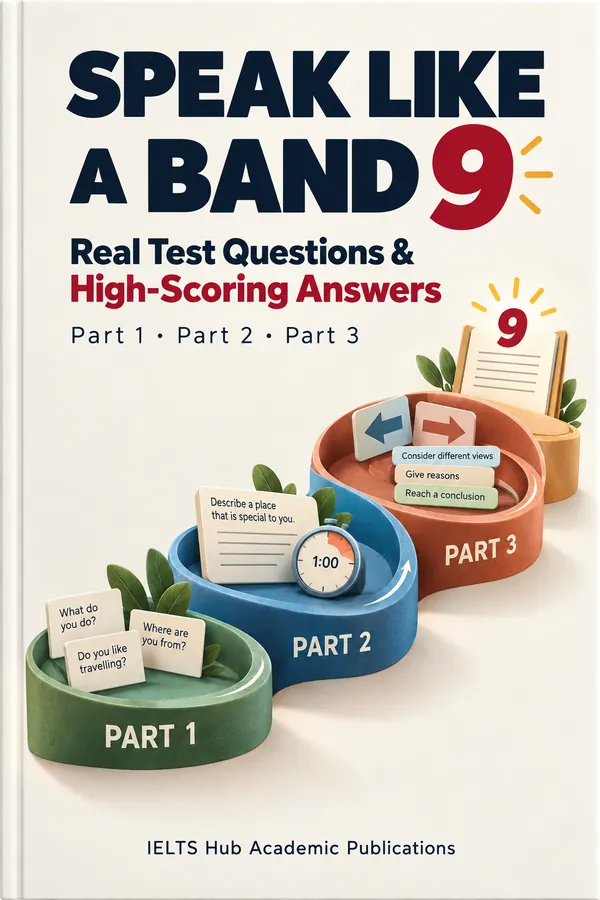
Speak Like a Band 9
Real Test Questions & High-Scoring Answers
₹299$9.99CAD 13.99AUD 14.99£7.99NZD 16.99€8.99AED 39SGD 12.99
Speaking
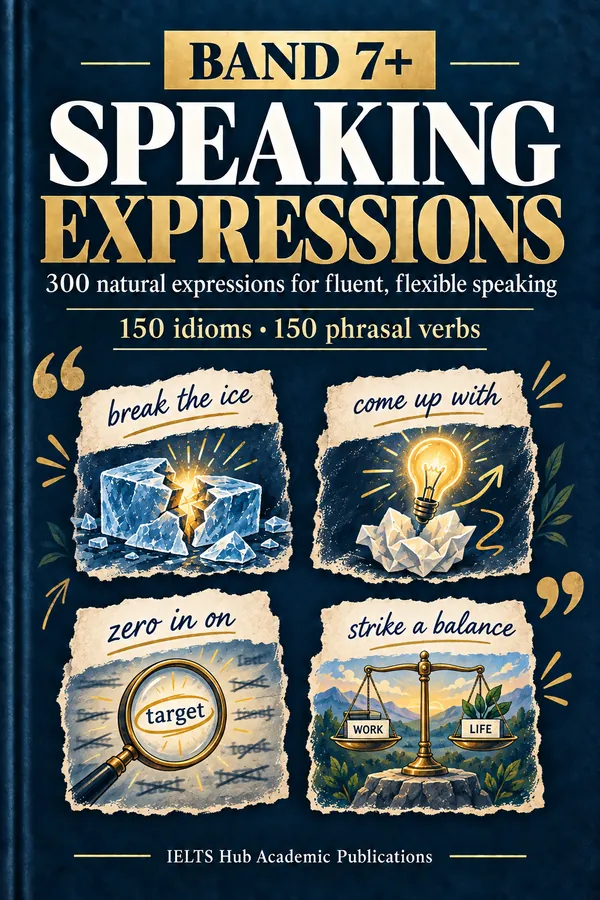
Band 7+ Speaking Expressions
300 natural expressions for fluent, flexible speaking
₹199$6.99CAD 8.99AUD 9.99£4.99NZD 10.99€5.99AED 24SGD 8.99