Speaking test #445
Part 1 · Interview
4 to 5 minutes. The examiner asks about you and familiar topics.
Can you tell me your full name?
Where are you from?
Do you work or are you a student?
Tell me about the kind of foreign visitors or tourists that go to your country (India)?
India is a diverse and culturally rich country that attracts a wide range of foreign visitors. From backpackers and budget travelers to luxury tourists, India caters to a broad spectrum of travelers. The country is particularly popular among those interested in exploring its ancient history, such as the iconic Taj Mahal, and experiencing its vibrant culture and traditions. Additionally, India is also a popular destination for spiritual seekers and yoga enthusiasts.
In what ways has tourism changed your country (India)?
Tourism has had a significant impact on India in recent years. On one hand, it has brought in a significant amount of revenue and employment opportunities for locals. On the other hand, it has also led to the development of new infrastructure and facilities to cater to the needs of tourists. This includes the construction of new hotels, restaurants, and transportation options. Additionally, tourism has also led to a greater appreciation and preservation of the country's cultural heritage and natural resources.
How easy it is to travel around in your country (India)?
Traveling around India can be a bit challenging, especially for first-time visitors. However, with a bit of planning and preparation, it can be quite manageable. The country has an extensive network of transportation options, including trains, buses, and domestic flights, which makes it easy to get around. Additionally, there are plenty of tour operators and travel agencies that can assist with planning and arranging transportation and accommodation.
Is your country (India) a safe place for foreign tourists to come to?
India is generally considered a safe destination for foreign tourists. However, as with any destination, there are certain areas that may be more dangerous than others. It's always best to exercise caution and stay informed about any local safety concerns. Additionally, tourists should also be aware of local customs and traditions to ensure they do not inadvertently offend anyone. Overall, India is a welcoming and friendly country, and most visitors have a positive and safe experience while visiting.
Did you play with toys when you were a child?
Of course, I did. I was quite an active child and I always enjoyed playing with a variety of toys.
What kinds of toys did you like?
As a child, I was particularly fond of action figures, Lego sets, and building blocks. I found them to be quite engaging and stimulating for my imagination.
In your country, do boys and girls play with the same types of toys?
In my country, there is a general belief that boys and girls should be exposed to the same types of toys and activities. However, it is not uncommon for certain toys to be marketed more towards one gender than the other.
Do you think that toys help children to learn?
I absolutely believe that toys can play a crucial role in helping children to learn and develop. They can provide children with hands-on opportunities to explore different concepts and ideas, as well as encouraging creativity, problem-solving, and critical thinking skills. Overall, toys can be a powerful tool in promoting a child's cognitive, social, and emotional development.
You will have to talk about the topic for one to two minutes. You have one minute to think about what you are going to say. You can make some notes to help you if you wish.
Describe an important email you wrote to someone
You should say:
- Who you wrote the email to
- The content and purpose of the email
- The impact of the email on the recipient
- Your feelings after sending the email
Who you wrote the email to
I would like to talk about an important email I wrote to my manager at work. It was regarding a project proposal that I had been working on for weeks. The purpose of the email was to present my ideas, suggestions, and detailed plan for the project to my manager for approval and feedback. I wanted to showcase my hard work and dedication to the project and seek approval to proceed further with its implementation.
The content and purpose of the email
The impact of the email on my manager was quite significant. He appreciated the thoroughness of my proposal and the effort I had put into it. He commended me for my initiative and attention to detail. The email helped him understand the project better and made it easier for him to provide constructive feedback. Ultimately, my manager approved the project and praised me for my efforts, which was a huge confidence booster for me.
The impact of the email on the recipient
After sending the email, I felt a mix of nervousness and excitement. I was anxious about how my manager would respond to my proposal, as it was a crucial project for our team. However, I also felt proud of myself for taking the initiative to write such a detailed and well-thought-out email. The positive feedback and approval I received from my manager made me realize the importance of effective communication in the workplace.
Your feelings after sending the email
In conclusion, the email I wrote to my manager was a pivotal moment in my career. It not only helped me showcase my skills and dedication but also strengthened my professional relationship with my manager. It taught me the importance of clear and concise communication and the impact it can have on achieving my goals. Overall, it was a rewarding experience that boosted my confidence and motivation at work.
- Words
- 291
- Sentences
- 17
- Words per sentence
- 17.1
- Speaking time
- about 2.2 min
Counted at 130 words a minute. The exam gives you one to two minutes.
Part 3 · Discussion
4 to 5 minutes. The examiner asks broader questions linked to the cue card topic.
What are the differences between how people talk in emails and how they talk in person?
That's a fascinating question! The primary difference between email communication and traditional face-to-face conversations lies in the nuance of interaction. When we engage in person, we can read body language and tone, which adds layers of meaning to our words. In contrast, emails often lack these visual cues, making it easier for messages to be misinterpreted or come across as overly formal or impersonal. Additionally, emails provide the opportunity for thoughtful reflection, allowing us to craft our messages more carefully, which can sometimes lead to clearer communication. However, nothing quite beats the immediacy and warmth of a face-to-face chat, where emotions are palpable and connections feel much more genuine!
When might a person think that sending an email works better than calling on the phone?
There are several circumstances where writing an email can be more effective than making a phone call. For instance, when the information being communicated is complex or requires detailed explanations, an email allows the sender to articulate their thoughts clearly without the pressure of a real-time conversation. Additionally, if the recipient is in a different time zone or has a busy schedule, an email can be a more considerate choice, as it gives them the opportunity to respond at their convenience. Furthermore, emails provide a written record of communication, which can be incredibly useful for referencing important details later on. Overall, it's about choosing the right medium to ensure the message is conveyed effectively!
How does email fit into professional communication compared to meetings or phone calls?
Email plays a crucial role in professional communication, serving as a bridge between immediacy and documentation. Unlike phone calls or meetings, which often require a set time and can be quite disruptive, emails allow for asynchronous communication. This means that individuals can respond at their convenience, which is particularly beneficial in a globalized workplace where time zones can complicate matters. Furthermore, emails provide a written record of conversations, making it easier to track decisions and maintain accountability. While face-to-face meetings and phone calls foster a more personal connection, email remains indispensable for its efficiency and clarity in conveying detailed information.
Why do you think many people and organizations prefer to use email to communicate?
Email has undoubtedly become a cornerstone of modern communication for both individuals and organizations, and there are several reasons for this. Firstly, it offers a convenient way to communicate, allowing users to send messages at any time without the constraints of time zones or office hours. Moreover, emails can easily be organized and archived, making it simple to retrieve important information when needed. Additionally, the ability to send attachments like documents and images enhances collaboration, which is particularly valuable in a professional context. Not to mention, emails can be tailored to a wide audience, facilitating effective communication across teams or even with customers. All in all, the blend of accessibility, efficiency, and flexibility makes email a preferred choice for many in today’s fast-paced world.
How could email communication change as instant messaging and social media become more popular?
The future of email communication is likely to undergo some fascinating transformations as instant messaging and social media platforms continue to gain traction. While email has been a cornerstone of professional and personal communication for decades, we might see it becoming more integrated with these faster, more dynamic forms of communication. For instance, features that allow for real-time collaboration and quick responses could be enhanced in email platforms, making them more competitive with the instantaneous nature of messaging apps. Additionally, we might witness a shift in how people perceive email. Rather than being the primary mode of communication, it could evolve into a more formal medium, akin to traditional letters, reserved for important announcements or detailed information. This change could lead to a greater emphasis on email etiquette, as messages would be crafted with more thought and care. Overall, it’s an exciting time for communication, and I can't wait to see how these tools will adapt to meet our evolving needs!
What steps can be taken to make sure important emails are not missed or misinterpreted?
To ensure that important emails are not overlooked or misunderstood, several measures can be implemented. Firstly, using clear and concise subject lines can significantly enhance the chances of the email being noticed and understood at a glance. Additionally, incorporating bullet points or numbered lists in the body of the email can help highlight key information, making it easier for the recipient to digest the content. Another effective strategy is to follow up with a brief summary or a reminder, especially for crucial communications, which reinforces the message and clarifies any potential confusion. Lastly, fostering a culture of open communication where asking questions is encouraged can also mitigate misunderstandings and ensure that everyone is on the same page. Overall, these effective strategies can greatly improve email communication in any professional setting.
Go further with the books
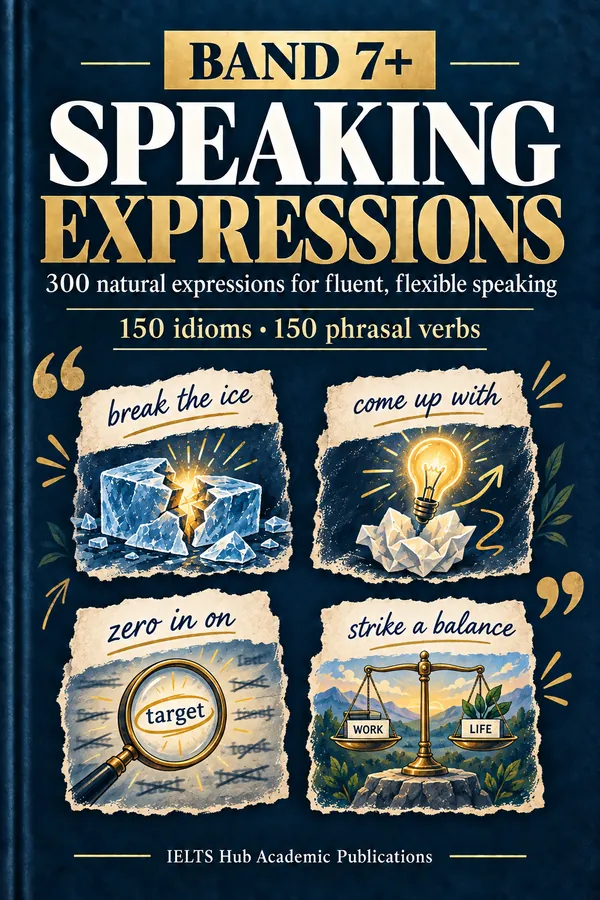
Speaking
Band 7+ Speaking Expressions
300 natural expressions for fluent, flexible speaking
₹199$6.99CAD 8.99AUD 9.99£4.99NZD 10.99€5.99AED 24SGD 8.99
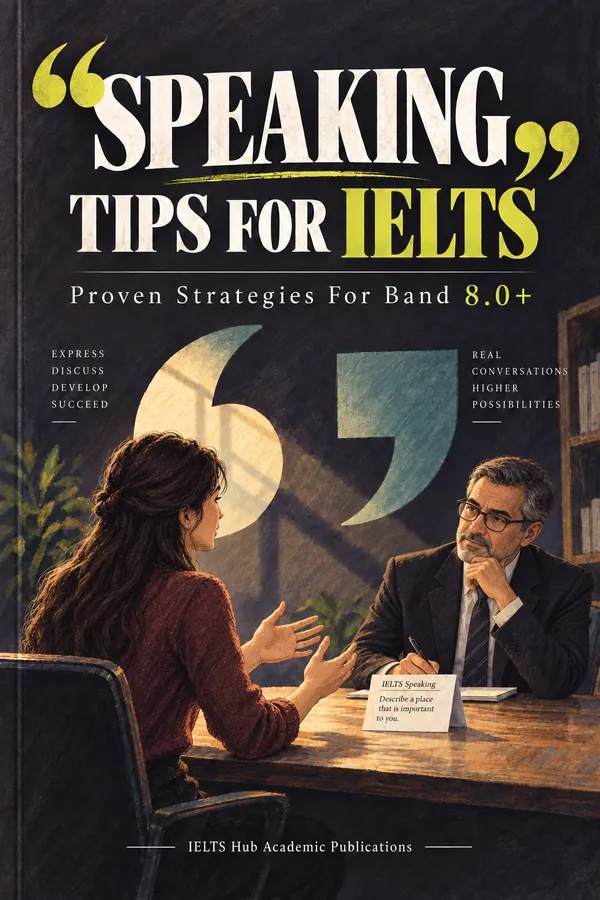
Speaking
Speaking Tips for IELTS
Proven Strategies for Band 8.0+
₹299$9.99CAD 13.99AUD 14.99£7.99NZD 16.99€8.99AED 39SGD 12.99

Speaking
Speak Like a Band 9
Real Test Questions & High-Scoring Answers
₹299$9.99CAD 13.99AUD 14.99£7.99NZD 16.99€8.99AED 39SGD 12.99