Speaking test #447
Part 1 · Interview
4 to 5 minutes. The examiner asks about you and familiar topics.
Can you tell me your full name?
Where are you from?
Do you work or are you a student?
Who do you trust most?
I trust my family and close friends the most. They have been with me through thick and thin, and have always been a source of support and guidance. Their honesty and loyalty have earned my trust, and I know that they have my best interests at heart.
Have you ever lost trust in someone?
Yes, I have lost trust in someone before. It was a difficult experience, as it was someone who I had considered a close friend. However, they betrayed my trust and it caused a rift in our friendship. It made me realize the importance of being cautious when trusting others.
What kind of people do you trust?
I trust people who are honest, trustworthy, and have integrity. People who are consistent in their actions and words, and who are open and transparent in their communication. I also trust people who have a strong moral compass and who are willing to stand up for what they believe in.
Do you trust artificial intelligence?
I am cautious about trusting artificial intelligence. While it has the potential to be very useful, I think it's important to be aware of the potential risks and limitations. I believe that it's important to have proper regulations in place to ensure that artificial intelligence is used ethically and responsibly. I think that we need to be careful about how we use it, and that we should always be aware of its limitations.
How often do you visit your relatives?
I visit my relatives on a fairly regular basis, usually every few months or so. It all depends on my schedule and how busy I am with work and other commitments. But I always try to make time to see them, as I value family greatly.
What do you do when you visit your relatives?
When I visit my relatives, we usually catch up on everything that's been going on in our lives. We'll talk about what's been happening with work, school, and any recent accomplishments or milestones. We'll also usually cook together and share meals, which is always a lot of fun.
Do people need to visit their relatives?
I believe that it's important for people to visit their relatives, as it helps to strengthen family bonds and keep those relationships strong. Regular visits can also be a great way to stay connected and in touch with loved ones, even if they live far away.
Do you prefer to visit your relatives or friends?
I enjoy visiting both my relatives and friends, but I have to say that I probably have a slight preference for visiting my relatives. I find that spending time with family is always comforting and grounding, and I always leave feeling recharged and refreshed. But I also love spending time with my friends, as it's a great way to relax and have fun.
You will have to talk about the topic for one to two minutes. You have one minute to think about what you are going to say. You can make some notes to help you if you wish.
Describe a book that had a major influence on you
You should say:
- What is the title and author of the book
- How did you come across this book
- What impact did the book have on you
- Would you recommend this book to others
What is the title and author of the book
One book that had a profound impact on me is "The Alchemist" by Paulo Coelho. I first encountered this book during my high school years when a close friend highly recommended it to me. Intrigued by the title and the promise of a transformative journey, I decided to give it a read. Little did I know at that time that this book would leave an indelible mark on my perspective towards life.
How did you come across this book
The impact "The Alchemist" had on me was truly transformative. Through the protagonist Santiago's journey of self-discovery and fulfilling his personal legend, the book taught me valuable lessons about following one's dreams, listening to one's heart, and having the courage to pursue what truly matters. It inspired me to reflect on my own aspirations and encouraged me to step out of my comfort zone in pursuit of my goals.
What impact did the book have on you
I would highly recommend "The Alchemist" to others, especially to those who are seeking inspiration and guidance in their own life journeys. This book beautifully weaves together elements of adventure, spirituality, and self-discovery, making it a compelling read for readers of all ages. The timeless wisdom imparted through its pages has the power to resonate with individuals from diverse backgrounds and cultures, making it a universally appealing and impactful piece of literature.
Would you recommend this book to others
In conclusion, "The Alchemist" by Paulo Coelho is a book that not only entertained me but also left a lasting impression on my mindset and outlook towards life. Its profound messages about destiny, perseverance, and the importance of listening to one's heart continue to guide me in my personal and professional endeavors. I believe that everyone can benefit from the timeless wisdom and inspiration this book offers, making it a must-read for anyone in search of motivation and direction in their lives.
- Words
- 295
- Sentences
- 13
- Words per sentence
- 22.7
- Speaking time
- about 2.3 min
Counted at 130 words a minute. The exam gives you one to two minutes.
Part 3 · Discussion
4 to 5 minutes. The examiner asks broader questions linked to the cue card topic.
How can a book's impact be different from that of a movie or a TV show?
That's a fascinating question! The influence of a book can often be more profound because it allows for a deeper exploration of characters' thoughts and emotions, which can lead to a much more immersive experience. When reading, your imagination plays a crucial role in visualizing the story, so readers might develop a unique connection to the narrative that’s distinct from the one created by a film or television show. On the other hand, films and TV shows utilize visual storytelling, which can quickly convey emotions through powerful imagery and soundtracks, making their impact more immediate and visceral. However, this can sometimes lead to a more superficial understanding of the plot, as the audience isn’t required to fill in the gaps as they do with a book. Ultimately, both mediums have their own strengths; books often foster a lasting engagement, while films and shows can evoke instant reactions and resonate emotionally in a different way.
Some people think that books and stories affect personal growth more than other types of media. What do you think about this?
I absolutely agree that literature can have a profound impact on personal development, perhaps even more so than other forms of media. Through the richly woven narratives and complex characters found in literature, readers often find themselves reflecting on their own experiences and values. Unlike visual media, which can sometimes be more superficial, books encourage deeper thinking and critical analysis. They not only foster empathy by allowing us to step into someone else’s shoes, but they also challenge our perspectives, helping us grow as individuals. That said, I do think other media can also play a significant role, but the depth of engagement that literature provides is truly unparalleled.
How important do you believe literature is in forming a person's values and beliefs?
Literature plays an absolutely pivotal role in shaping an individual's values and beliefs. Through stories, poetry, and essays, it provides readers with diverse perspectives that challenge their existing viewpoints. For instance, a novel can transport someone into the shoes of a character from a completely different background, fostering empathy and understanding. Additionally, literature often tackles complex moral dilemmas, prompting readers to reflect on their own values and the world around them. In essence, it acts as a mirror and a guide, helping individuals navigate their own beliefs while broadening their horizons.
Why do you think some books connect better with people than others?
I believe certain books resonate more with individuals because they often tap into universal themes and emotions that everyone can relate to. For instance, stories of love, loss, and personal growth tend to strike a chord with readers, as they reflect our own experiences and struggles. Additionally, the writing style and the way a narrative is crafted can play a crucial role in how well a book connects with its audience. Books that evoke strong imagery or utilize relatable characters often linger in our minds long after we’ve put them down. Ultimately, it’s a combination of emotional resonance and personal relevance that makes some books truly unforgettable for readers.
How could the effect of important books change in the future with more digital media?
The impact of influential books is likely to evolve significantly with the rise of digital media. As more people turn to e-books and audiobooks, the way we consume literature is changing, making it more accessible than ever. This accessibility could lead to a broader audience engaging with profound ideas, potentially creating a cultural shift in how literature influences society. Moreover, social media platforms can amplify the reach of certain books, allowing them to resonate with diverse demographics. However, I think this also means that the depth of engagement might diminish, as readers may skim through content rather than absorb it fully. Ultimately, while the format may change, the core of what makes a book influential—its ability to provoke thought and inspire action—will likely remain constant.
What steps can be taken to get more people to read meaningful books?
To encourage more people to delve into impactful literature, a multifaceted approach could be highly effective. Firstly, community reading programs could be implemented in schools and local libraries, where people gather to discuss various literary works. This not only creates a sense of community but also fosters a deeper understanding of the themes and ideas presented in these books. Additionally, leveraging social media platforms to promote book clubs and reading challenges can spark interest among younger audiences, making literature more accessible and engaging. Lastly, collaborating with authors for public readings or workshops can provide a unique experience that inspires individuals to explore the richness of impactful literature.
Go further with the books
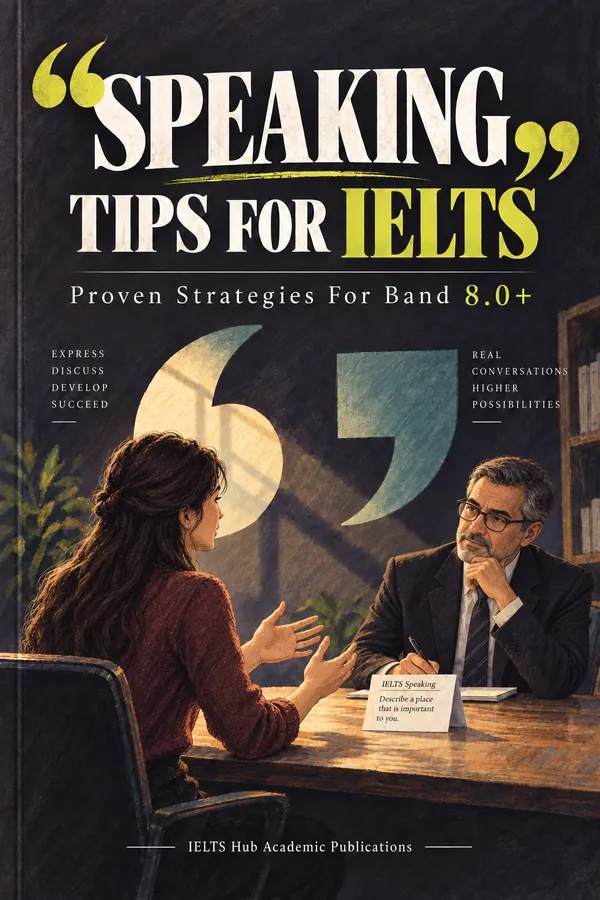
Speaking
Speaking Tips for IELTS
Proven Strategies for Band 8.0+
₹299$9.99CAD 13.99AUD 14.99£7.99NZD 16.99€8.99AED 39SGD 12.99
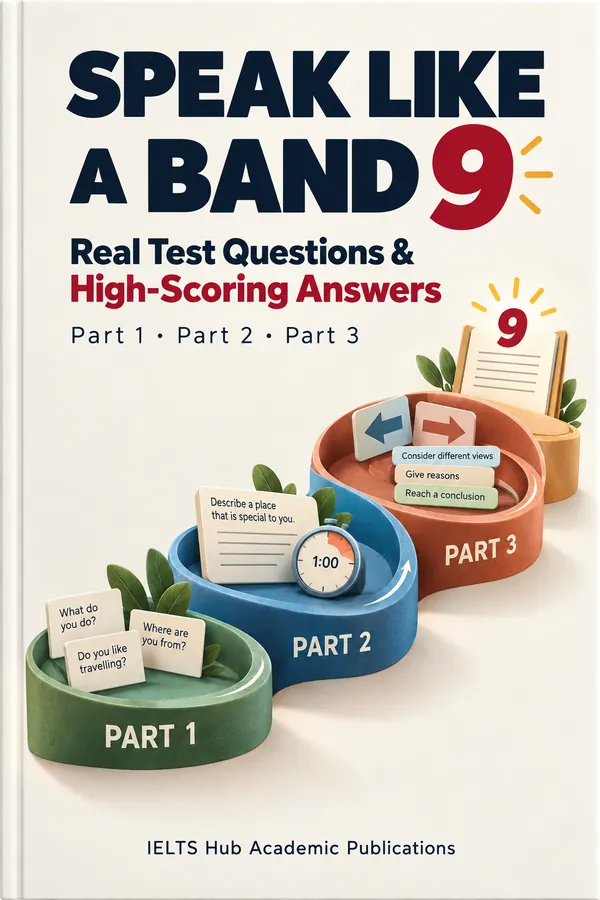
Speaking
Speak Like a Band 9
Real Test Questions & High-Scoring Answers
₹299$9.99CAD 13.99AUD 14.99£7.99NZD 16.99€8.99AED 39SGD 12.99
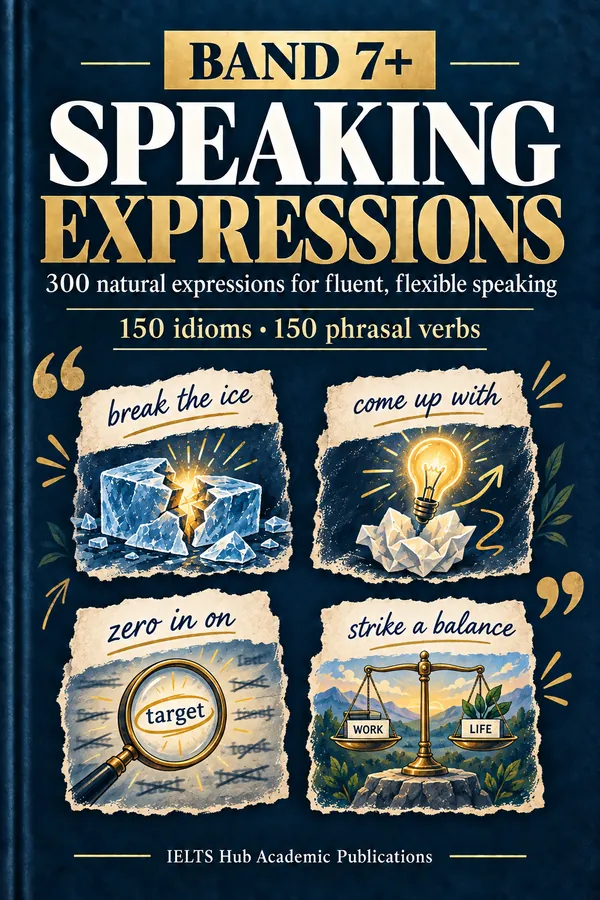
Speaking
Band 7+ Speaking Expressions
300 natural expressions for fluent, flexible speaking
₹199$6.99CAD 8.99AUD 9.99£4.99NZD 10.99€5.99AED 24SGD 8.99