Speaking test #453
Part 1 · Interview
4 to 5 minutes. The examiner asks about you and familiar topics.
Can you tell me your full name?
Where are you from?
Do you work or are you a student?
Are you interested in wild animals?
Oh absolutely, I have always had a deep fascination with wild animals and their unique behaviors and habitats. From the majestic elephants of Africa to the elusive snow leopards of the Himalayas, I find myself constantly drawn to learning more about these incredible creatures and the ways in which they interact with their environment.
Do you like to watch TV programs about wild animals?
Definitely, I find that watching documentaries and other TV programs about wild animals is a great way to deepen my understanding of these creatures and the challenges they face in the wild. Whether it's a National Geographic special on the great apes or a BBC series on the marine life of the Great Barrier Reef, I always find these programs to be both informative and entertaining.
Did you learn something about wild animals at school?
Yes, I was fortunate enough to have a number of classes in school that focused on wildlife biology and conservation. These classes covered a wide range of topics, from the different types of animals found in different regions of the world to the ways in which humans can impact the survival of these animals. Through these classes, I was able to gain a deeper understanding of the complex relationships between wild animals and the natural world, which has greatly enhanced my appreciation of these creatures.
Where can you see wild animals in your country (India)?
India is home to a wide variety of wild animals, many of which can be found in the country's numerous national parks and wildlife reserves. For example, the Kaziranga National Park in Assam is known for its large population of Indian rhinos, while the Gir Forest in Gujarat is home to the last remaining population of Asiatic lions. Additionally, the Indian Himalayas are home to a number of endangered species such as snow leopards and the blue sheep. Overall, India offers a wealth of opportunities for wildlife viewing, and I highly recommend visiting these areas for anyone interested in seeing wild animals in their natural habitat.
What scenery can you see from the window of your room?
From the window of my room, I am fortunate enough to have a picturesque view of the mountains in the distance. The peaks are majestic and majestic, and they are often shrouded in a misty fog that gives them an ethereal quality. I can also see the lush greenery of the forest that surrounds the base of the mountains, which provides a nice contrast to the rugged terrain. Overall, it's quite a breathtaking vista.
Do you like to watch the scenery from your window?
Absolutely, I find that the view from my window is incredibly soothing and calming. It's a wonderful way to start the day and provides a nice backdrop for meditation and reflection. Watching the sun rise or set over the mountains is particularly mesmerizing, and I often find myself getting lost in the beauty of it all.
Do you want to live in a house with beautiful window views?
Definitely, I think that having a beautiful view from your window is a luxury that can greatly enhance the overall quality of life. Being able to enjoy nature's beauty right outside your doorstep is truly a privilege, and I would be thrilled to live in a house with such a stunning vista.
How do you feel when you can’t see any beautiful view from your window?
It can be quite disappointing when I can't see any beautiful view from my window. Having a view of nature is something that I have come to appreciate and value, and when it's not there, I can feel a sense of emptiness. It's a reminder that we often take the beauty around us for granted and how important it is to cherish it. However, I try to remind myself that there are many other ways to connect with nature, such as going for a walk or visiting a park, and that's what I usually do.
You will have to talk about the topic for one to two minutes. You have one minute to think about what you are going to say. You can make some notes to help you if you wish.
Describe a person you know who is very kind
You should say:
- How you know this person
- In what ways this person shows kindness
- Why you think this person is very kind
- How this person's kindness has impacted others
How you know this person
I would like to talk about my grandmother, whom I consider one of the kindest individuals I have ever known. I have been fortunate enough to have her as a constant presence in my life since childhood. She has always been a pillar of strength and a source of unwavering support for our entire family.
In what ways this person shows kindness
My grandmother's kindness shines through in various ways, but what stands out the most is her selfless nature. She is always putting the needs of others before her own, whether it is by cooking delicious meals for us or offering a listening ear whenever we need someone to talk to. Her acts of kindness are not grand gestures, but rather small, thoughtful actions that make a significant impact on those around her.
Why you think this person is very kind
I believe my grandmother is very kind because of her innate ability to empathize with others. She has a deep understanding of human emotions and always knows the right thing to say or do to comfort someone in need. Her genuine concern for the well-being of others is evident in everything she does, and this is what sets her apart as a truly kind-hearted individual.
How this person's kindness has impacted others
The impact of my grandmother's kindness extends far beyond our family. She has touched the lives of many people in our community through her acts of generosity and compassion. Whether it is helping a neighbor in need or volunteering at a local charity, she is always ready to lend a helping hand. Her kindness has inspired others to be more compassionate and caring, creating a ripple effect of positivity in our community.
- Words
- 264
- Sentences
- 13
- Words per sentence
- 20.3
- Speaking time
- about 2.0 min
Counted at 130 words a minute. The exam gives you one to two minutes.
Part 3 · Discussion
4 to 5 minutes. The examiner asks broader questions linked to the cue card topic.
How can one person's kindness affect how others act in a community?
The kindness of a single individual can have a profound ripple effect on a community. When one person acts with compassion, it often inspires others to follow suit, creating a culture of generosity and support. For instance, if someone volunteers their time to help the less fortunate, it can motivate others to contribute in whatever way they can, whether through donations or volunteering themselves. This kind of positive reinforcement not only strengthens community bonds but also fosters a sense of belonging and shared responsibility. Ultimately, the simple act of kindness can transform the dynamics of a community, making it a more caring and cohesive place to live.
How important is kindness in being a good leader?
Kindness can definitely be seen as a vital quality in leadership roles, and I would argue that it’s essential for fostering a positive work environment. When leaders exhibit kindness, they create a culture of trust and collaboration, which can significantly boost team morale and productivity. Moreover, a kind leader is more likely to be approachable, allowing team members to voice their concerns and ideas without fear of retribution. This openness can lead to innovative solutions and a stronger sense of loyalty among employees. Ultimately, while strong decision-making skills and vision are important, it’s kindness that often helps to bridge the gap between a leader and their team, making it a cornerstone of effective leadership.
How does being kind help build strong relationships between people?
Kindness is absolutely fundamental when it comes to fostering strong relationships among individuals. It acts as a catalyst for trust and understanding, creating an environment where people feel valued and respected. When we show genuine kindness, it encourages others to reciprocate, which can lead to deeper connections and a sense of belonging. Moreover, kindness has this incredible ability to transcend barriers, whether they be cultural or social, helping to bridge gaps and promote empathy. Ultimately, a culture of kindness can transform not just personal relationships but also communities as a whole, making them more cohesive and resilient.
Why do you think some people are more likely to be kind than others?
That’s a fascinating question! I believe that a combination of factors influences why some individuals exhibit more kindness than others. For instance, upbringing plays a crucial role; those raised in nurturing environments often develop a strong sense of empathy. Additionally, personal experiences can shape our attitudes; someone who has faced hardship may have a deeper appreciation for kindness and, as a result, be more inclined to extend it to others. Finally, cultural influences cannot be overlooked—certain societies place a greater emphasis on community and altruism, which can foster a more compassionate mindset. In essence, it’s a blend of nature, nurture, and social context that drives this variation in kindness.
How could future generations view kindness differently?
That's a fascinating question! I believe that the perception of kindness in future generations will likely be shaped by a combination of technological advancements and changing social norms. As we become increasingly interconnected through social media and global communication, the definition of kindness may expand to include acts of empathy and altruism that reach beyond one’s immediate community. Moreover, with a growing emphasis on mental health and emotional intelligence, people might place a higher value on compassionate behavior, recognizing its importance in fostering strong relationships. Additionally, as younger generations witness the challenges faced by marginalized groups, I think they will cultivate a more inclusive understanding of kindness, extending it to support social justice and equality. Overall, kindness may evolve from a simple act of goodwill to a more profound commitment to uplifting others and advocating for positive change in society.
What steps can be taken to inspire more kindness in our community?
To encourage more acts of kindness in society, I believe we can start by fostering a culture of empathy and appreciation. This could be achieved through community programs that highlight the importance of volunteering and helping others. Schools could play a pivotal role by integrating kindness into their curricula, teaching children the value of compassion from a young age. Additionally, social media campaigns could be used to celebrate random acts of kindness, creating a ripple effect that inspires others to follow suit. Overall, when we cultivate a sense of community and recognition, we pave the way for a kinder, more considerate society.
Go further with the books

Speaking
Speak Like a Band 9
Real Test Questions & High-Scoring Answers
₹299$9.99CAD 13.99AUD 14.99£7.99NZD 16.99€8.99AED 39SGD 12.99
Speaking
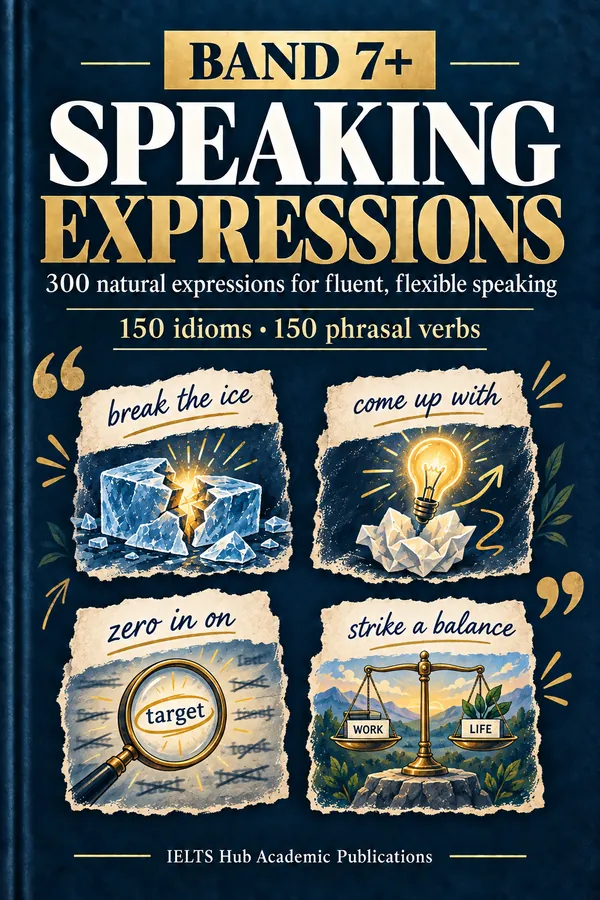
Band 7+ Speaking Expressions
300 natural expressions for fluent, flexible speaking
₹199$6.99CAD 8.99AUD 9.99£4.99NZD 10.99€5.99AED 24SGD 8.99

Speaking
Speaking Tips for IELTS
Proven Strategies for Band 8.0+
₹299$9.99CAD 13.99AUD 14.99£7.99NZD 16.99€8.99AED 39SGD 12.99