Speaking test #460
Part 1 · Interview
4 to 5 minutes. The examiner asks about you and familiar topics.
Can you tell me your full name?
Where are you from?
Do you work or are you a student?
Are you happy to be the age you are now?
I am quite content with my current age. I feel that I have reached a stage in my life where I have a good balance of experience and youthful energy, which enables me to make the most of my life.
When you were a child, did you think a lot about your future?
As a child, I did not give much thought to my future. I was more focused on enjoying the present moment and exploring the world around me. However, as I grew older, I began to consider my aspirations and goals for the future.
Do you think you have changed as you have got older?
Definitely. As I have grown older, I have learned a lot about myself and the world around me. I have gained new perspectives and experiences that have shaped my character and outlook on life. I have also learned to be more adaptable and open-minded, which has helped me to grow and evolve as a person.
What will be different about your life in the future?
I am optimistic that my life in the future will be even more fulfilling and meaningful than it is now. I hope to have a successful career, a loving family, and a sense of purpose that guides me through my daily life. Additionally, I hope to continue to grow and evolve as a person, learning new skills and perspectives that will help me to live a rich and fulfilling life.
Do you collect anything?
Yeah, I'm definitely a bit of a collector. I've always loved picking up unique items and adding them to my collection. Right now, I'm really into vintage cameras and have a pretty impressive collection going on.
Is there anything that you keep from childhood?
Definitely. I have a lot of sentimental value attached to certain items from my childhood, so I try to hold onto them as much as possible. For example, I still have my favorite stuffed animal from when I was a kid, and I could never bring myself to get rid of it.
Would you keep old things for a long time? Why?
Absolutely. I think there's something really special about being able to hold onto old things and being able to look back on them and remember certain memories or moments in your life. Plus, I just think it's a really cool way to add character and history to your home.
Where do you usually keep things you need?
I'm pretty organized, so I like to have a designated spot for everything. For example, I keep my keys and wallet in a designated drawer in my bedroom, and I have a specific spot in my kitchen for all of my cooking supplies. It just makes it easier to find things when I need them.
You will have to talk about the topic for one to two minutes. You have one minute to think about what you are going to say. You can make some notes to help you if you wish.
A skill that was difficult for you to learn
You should say:
- What skill it was
- Why it was difficult for you
- How you tried to learn it
- Whether you have mastered it now
I would like to talk about the skill of playing the guitar, which was quite challenging for me to learn. Initially, I found it difficult due to the complexity of coordinating between both hands and understanding musical notes. As a beginner, I struggled with finger placements and strumming techniques, which made the learning process even more daunting.
To overcome the challenges, I adopted a systematic approach to learning the guitar. I started by taking basic lessons online and practicing regularly. I also sought guidance from experienced guitarists and attended workshops to improve my skills. Despite facing initial setbacks and frustrations, I remained persistent and dedicated to mastering this skill.
After months of consistent practice and perseverance, I can proudly say that I have made significant progress in playing the guitar. I can now confidently strum chords, play melodies, and even compose my own music. While I may not consider myself a master yet, I have definitely come a long way from where I started. The journey of learning this skill has been rewarding and has taught me the value of dedication and persistence in achieving goals.
- Words
- 186
- Sentences
- 11
- Words per sentence
- 16.9
- Speaking time
- about 1.4 min
Counted at 130 words a minute. The exam gives you one to two minutes.
Part 3 · Discussion
4 to 5 minutes. The examiner asks broader questions linked to the cue card topic.
How can the difficulties of learning a tough skill be different for each person?
The challenges of learning a difficult skill can vary significantly from one individual to another, primarily due to factors like personal motivation, learning style, and even previous experience. For instance, someone who is naturally curious and highly motivated may find the process more enjoyable and therefore less daunting. On the other hand, a person who struggles with self-doubt might face a steeper hill to climb, as their internal barriers can hinder progress. Additionally, individuals who have a background in similar skills may find it easier to grasp new concepts, while others may need to invest more time and effort to achieve the same level of proficiency. Ultimately, it’s fascinating how each person's unique attributes influence their journey in mastering a challenging skill!
How much do you think sticking with it helps in mastering difficult skills?
Perseverance is absolutely crucial when it comes to mastering challenging skills. Without it, most people would be inclined to give up at the first sign of difficulty. I’ve seen this in my own experiences, whether it’s learning a musical instrument or tackling a new language; those who stick with it, despite the inevitable frustrations, often achieve remarkable progress. It's fascinating how the process of overcoming obstacles not only enhances skill but also builds resilience and confidence. So, in essence, perseverance doesn’t just help you master a skill; it also transforms your mindset and outlook towards challenges in general.
How important do you think learning hard skills is for personal growth?
Learning difficult skills is incredibly valuable for personal development, and I believe it plays a pivotal role in shaping who we are. Firstly, tackling challenging tasks fosters resilience and determination, which are essential traits not just in personal endeavors but also in professional environments. Additionally, mastering a tough skill often leads to a profound sense of achievement, boosting one’s self-esteem and confidence. Moreover, these experiences can enhance cognitive abilities, as they push us to think critically and creatively, opening up new avenues for problem-solving. Ultimately, embracing the challenge of learning complex skills not only enriches our lives but also equips us with the tools to navigate future hurdles more effectively.
Why do you think some people have a harder time learning certain skills than others?
I think the perception of difficulty when it comes to learning certain skills often boils down to a combination of personal aptitude and prior experience. For instance, someone who has a natural flair for languages might find learning a new one relatively easy, while another person might struggle despite putting in the same effort. Additionally, the context in which a skill is learned plays a significant role; if someone is passionate about a subject, they are likely to overcome challenges more readily. Lastly, I believe that psychological factors, such as self-confidence and motivation, can greatly influence how a person perceives the difficulty of a skill. Overall, it’s a fascinating interplay of various elements that shapes our learning experiences.
How could learning new skills be different in the future with new technology?
The future of skill acquisition is likely to transform dramatically with advancements in technology. For instance, the rise of virtual reality and augmented reality can create immersive learning environments, allowing individuals to practice skills in a safe, simulated setting. This hands-on experience can enhance understanding and retention, making learning both more effective and engaging. Additionally, artificial intelligence can personalize learning experiences, adapting to each learner's pace and style, which could lead to more efficient skill development. Overall, I believe these technological innovations will not only make skill acquisition more accessible but also more tailored to individual needs, promoting lifelong learning in a way we've never seen before.
What ways can we help people learn a difficult skill more easily?
To make learning a challenging skill easier for individuals, one effective approach is to break the skill down into manageable chunks. This method allows learners to focus on mastering small components before tackling the entire skill, which can significantly reduce feelings of overwhelm. Additionally, incorporating interactive techniques such as group activities or hands-on practice can make the learning process more engaging and enjoyable. Another important aspect is to provide timely feedback; this helps learners to understand their progress and identify areas for improvement, fostering a sense of achievement. Finally, creating a supportive environment, where individuals feel comfortable asking questions and making mistakes, can greatly enhance their learning experience.
Go further with the books
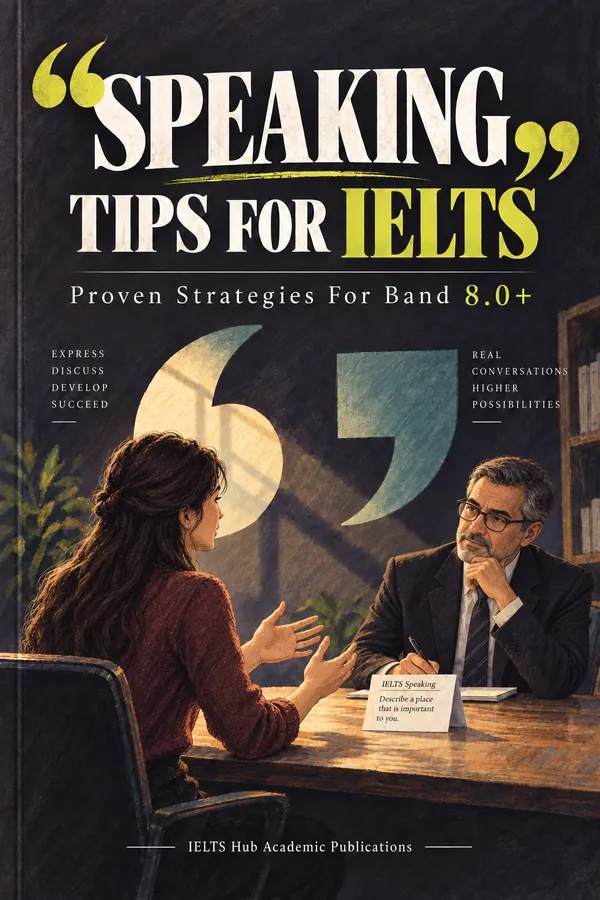
Speaking
Speaking Tips for IELTS
Proven Strategies for Band 8.0+
₹299$9.99CAD 13.99AUD 14.99£7.99NZD 16.99€8.99AED 39SGD 12.99
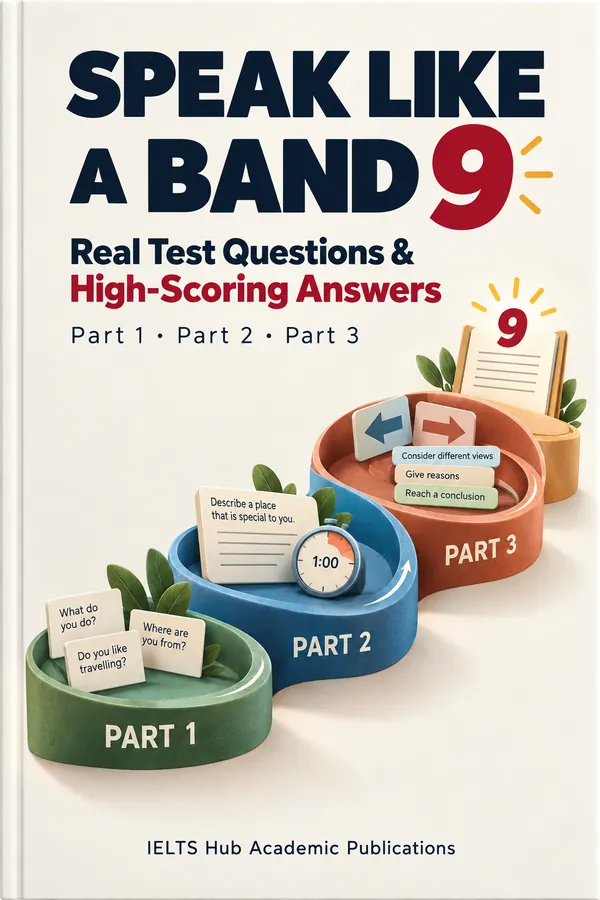
Speaking
Speak Like a Band 9
Real Test Questions & High-Scoring Answers
₹299$9.99CAD 13.99AUD 14.99£7.99NZD 16.99€8.99AED 39SGD 12.99
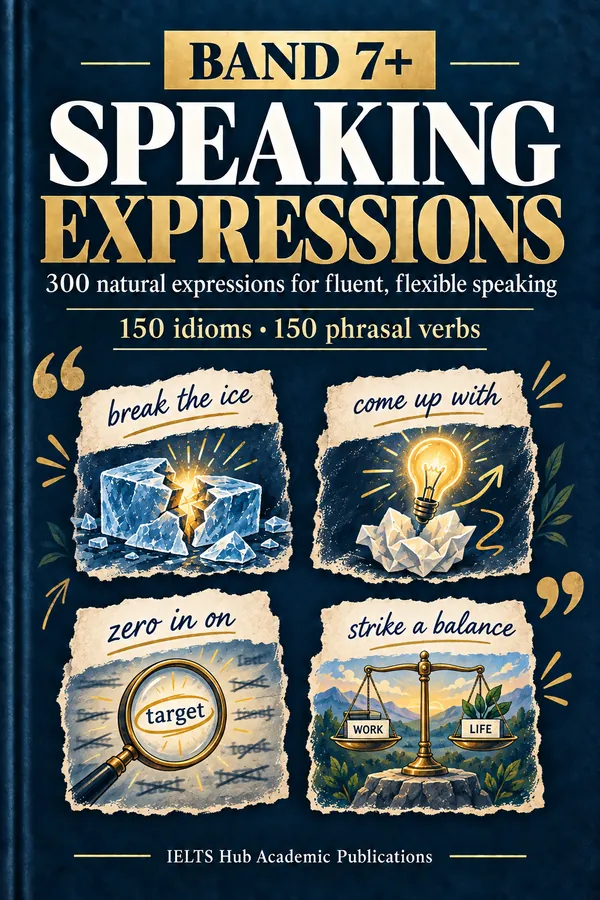
Speaking
Band 7+ Speaking Expressions
300 natural expressions for fluent, flexible speaking
₹199$6.99CAD 8.99AUD 9.99£4.99NZD 10.99€5.99AED 24SGD 8.99