Speaking test #471
Part 1 · Interview
4 to 5 minutes. The examiner asks about you and familiar topics.
Can you tell me your full name?
Where are you from?
Do you work or are you a student?
Do you have a pet?
? Oh yeah, I have a cat named Simba. He's a total diva, but I love him all the same.
What animal is most popular in your country?
? I'd say dogs are probably the most popular animal in my country. They're just so loyal and loving, and there are so many different breeds to choose from.
Why is it so special?
? I think dogs are special because they have a special bond with their owners. They're always there for you, no matter what, and they're always ready to cuddle and play. Plus, they're just so darn cute!
What animal do you dislike most? Why?
? Hmm, I'm not sure if I dislike any animal in particular. I guess if I had to choose, it would probably be snakes. They just seem so creepy and slimy to me, and I don't like the idea of them slithering around everywhere. But that's just my personal preference, I'm sure there are plenty of people out there who love snakes.
Would you like to work in a company related to environmental protection?
Absolutely, I have always been passionate about preserving our planet and ensuring that we are living in a sustainable way. Working for a company that has a strong focus on environmental protection would be incredibly fulfilling for me.
How can we protect the environment?
There are a variety of ways that we can all do our part to protect the environment. Simple actions such as reducing our use of plastic, conserving energy and water, and supporting sustainable practices in our daily lives can make a big difference. Additionally, supporting and advocating for government policies that protect the environment is crucial.
Do you think you've done enough to protect the environment?
I am always looking for ways to improve and do more to protect the environment, so I wouldn't say that I have done enough. However, I strive to make conscious choices that align with my values and believe that every little bit helps.
Is there education about environmental protection at school in your country?
Yes, environmental education is included in the curriculum in schools across my country. From a young age, students are taught about the importance of protecting our planet and the ways in which we can all play a role in preserving it. It's great to see such a emphasis placed on environmental education and the importance of sustainability.
You will have to talk about the topic for one to two minutes. You have one minute to think about what you are going to say. You can make some notes to help you if you wish.
When you started using a new technological device
You should say:
- What device it was
- How you learned to use it
- Challenges you faced during the learning process
- How the device has benefited you since then
What device it was
I remember vividly the time when I started using my first smartphone, which was an iPhone 7. I had always been accustomed to basic feature phones before, so transitioning to a smartphone was a significant step for me in terms of technology. I received the iPhone as a birthday gift from my parents, and it opened up a whole new world of possibilities for me.
How you learned to use it
Learning to use the iPhone was an exciting yet challenging experience. Initially, I was overwhelmed by the multitude of features and functions it offered. I started by exploring the basic operations such as making calls, sending messages, and taking photos. Gradually, I delved into more advanced features like downloading apps, setting up email accounts, and customizing settings. I spent hours watching online tutorials and experimenting with different functions to familiarize myself with the device.
Challenges you faced during the learning process
One of the main challenges I faced during the learning process was adapting to the touchscreen interface. Coming from a physical keypad background, it took me some time to get used to typing on a touchscreen accurately. Additionally, understanding the various gestures and shortcuts was a bit confusing initially, but with consistent practice and trial-and-error, I eventually mastered them.
How the device has benefited you since then
Since then, my iPhone has become an indispensable tool in my daily life. It has streamlined my communication, organization, and entertainment activities. I use it for staying connected with family and friends, managing my schedule with calendar apps, accessing information on the go, and even pursuing my hobbies through various apps. The convenience and efficiency it offers have truly enhanced my productivity and overall quality of life.
- Words
- 265
- Sentences
- 15
- Words per sentence
- 17.7
- Speaking time
- about 2.0 min
Counted at 130 words a minute. The exam gives you one to two minutes.
Part 3 · Discussion
4 to 5 minutes. The examiner asks broader questions linked to the cue card topic.
How are the new tech gadgets released recently different from those released in the past?
The introduction of new technological devices today is fundamentally different from those of the past in several ways. For one, the pace of innovation has accelerated dramatically; it seems like every few months we’re witnessing groundbreaking advancements that reshape our daily lives. In the past, new devices were often introduced gradually, and their impact took time to permeate society. Nowadays, we have the advantage of instant connectivity, allowing people to share experiences and feedback almost in real time, which can dramatically influence how quickly a device gains traction. Moreover, modern technology often focuses on user-centric design, ensuring that devices are not only functional but also intuitive and appealing to a broad audience. This shift towards a more integrated and immediate approach really sets today's innovations apart from those of earlier eras.
Some people think that fast technology growth is good, while others believe it is bad. What do you think about this?
I think the rapid advancement of technology is predominantly beneficial, although it does come with some challenges. On one hand, innovations in technology have revolutionized fields like healthcare, making treatments more effective and accessible. For instance, telemedicine has enabled patients to consult with doctors from the comfort of their homes, which is a game changer, especially in remote areas. However, I do acknowledge that there are concerns regarding privacy and the potential for job displacement due to automation. Ultimately, while we must navigate these challenges, the positive impacts of technology on our daily lives and society as a whole are hard to overlook.
How do you think gadgets have changed how we talk to one another?
Technological devices have undeniably revolutionized the way we communicate, making interactions faster and more convenient than ever before. For instance, with the advent of smartphones and social media, we can now connect with friends and family across the globe in an instant, breaking down geographical barriers. This has fostered a sense of global connectedness that was previously unimaginable. However, while these advancements have made communication more accessible, they also sometimes lead to a decrease in face-to-face interactions, which can affect the depth of our relationships. In essence, technology has created a double-edged sword, enhancing our ability to communicate while also presenting new challenges in maintaining meaningful connections.
Why do you think some people are slow to use new technologies?
I think there are a few reasons why some individuals are hesitant to adopt new technologies. Firstly, there’s often a sense of fear of the unknown; people can be intimidated by the rapid pace of change and worry about their ability to keep up. Additionally, some may feel a strong attachment to traditional methods, which can make them resistant to change. There’s also the issue of digital literacy—not everyone is comfortable navigating new platforms or devices, and that can create a barrier. Ultimately, it’s about finding the right balance between embracing innovation and feeling secure in one’s existing habits.
How could the use of technology in our everyday lives change in the next ten years?
The role of technological devices in our daily lives is likely to undergo a profound transformation in the next decade. As advancements in artificial intelligence and machine learning continue to accelerate, we might see devices that anticipate our needs and preferences with remarkable accuracy. Imagine a smart home that not only responds to our commands but also learns from our habits to create a more personalized living experience. Furthermore, the integration of wearable technology will likely expand, enabling us to monitor our health in real-time and receive immediate feedback. Overall, I believe this evolution will not only enhance our convenience but also significantly improve our quality of life.
What actions can be taken to help people adjust to new technology better?
To help individuals adapt to new technological advancements more effectively, a multi-faceted approach is essential. First, providing comprehensive training programs can equip people with the necessary skills and confidence to use new technologies. These programs should be tailored to different learning styles, ensuring that everyone, from tech-savvy youngsters to older generations, can engage comfortably. Additionally, fostering a culture of continuous learning within workplaces can encourage employees to embrace change rather than resist it. Lastly, creating supportive communities, both online and offline, where individuals can share their experiences and seek advice can significantly ease the transition and promote a more collaborative environment.
Go further with the books
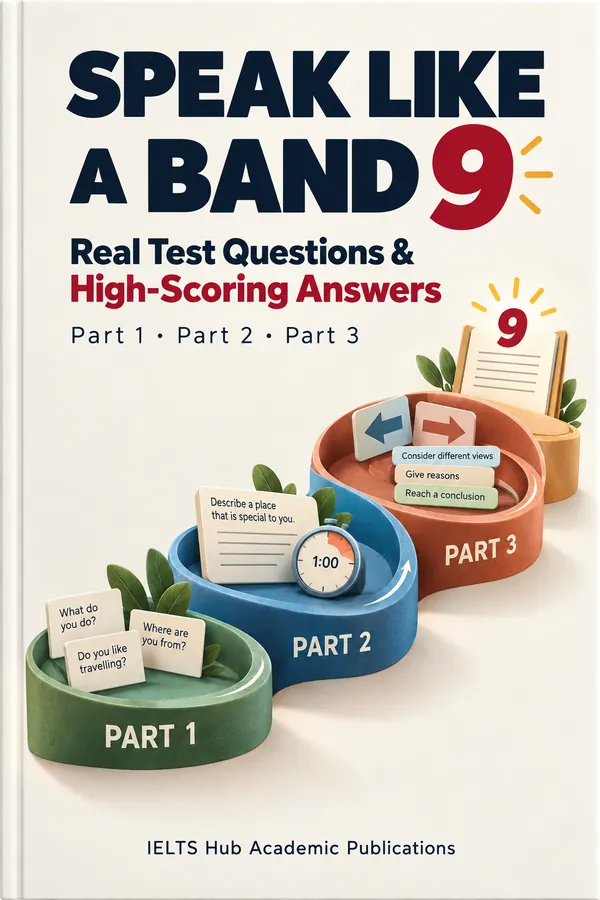
Speaking
Speak Like a Band 9
Real Test Questions & High-Scoring Answers
₹299$9.99CAD 13.99AUD 14.99£7.99NZD 16.99€8.99AED 39SGD 12.99

Speaking
Band 7+ Speaking Expressions
300 natural expressions for fluent, flexible speaking
₹199$6.99CAD 8.99AUD 9.99£4.99NZD 10.99€5.99AED 24SGD 8.99
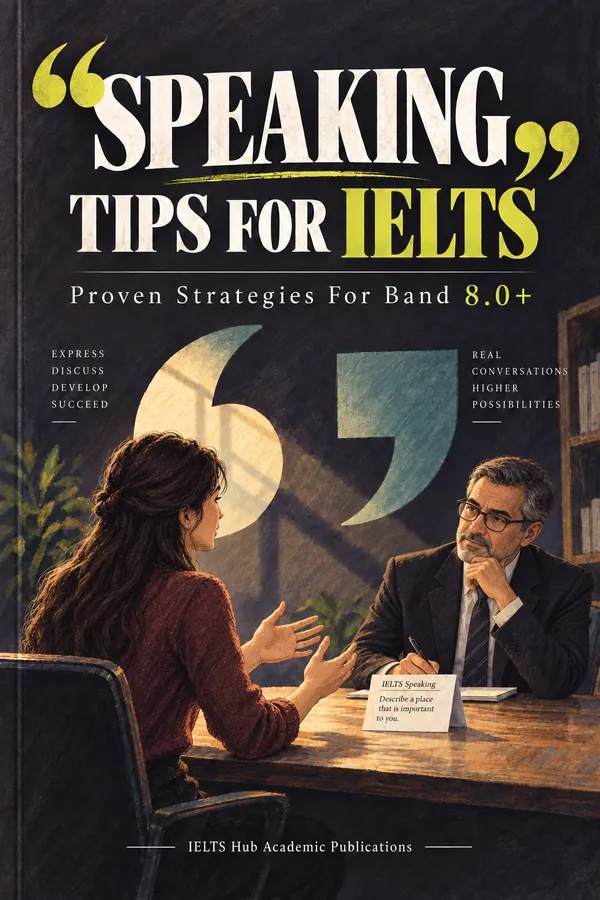
Speaking
Speaking Tips for IELTS
Proven Strategies for Band 8.0+
₹299$9.99CAD 13.99AUD 14.99£7.99NZD 16.99€8.99AED 39SGD 12.99