Speaking test #475
Part 1 · Interview
4 to 5 minutes. The examiner asks about you and familiar topics.
Can you tell me your full name?
Where are you from?
Do you work or are you a student?
Do you like fishing?
I am quite fond of fishing, as it provides a wonderful opportunity to spend time outdoors and connect with nature. I find the process of casting a line and waiting for a bite to be quite meditative and relaxing.
Is fishing a useful hobby?
I believe fishing can be a highly beneficial hobby for several reasons. For one, it allows individuals to engage in physical activity and get some exercise. Additionally, it can provide a source of food for those who choose to catch and release, or for those who keep the fish they catch. Furthermore, it can also be a great way to bond with friends and family, as well as to teach children about the importance of conservation.
Why do people go fishing?
People go fishing for a variety of reasons. Some individuals enjoy the challenge of trying to catch a specific type of fish or a particularly large one, while others find the peacefulness and tranquility of being out on the water to be highly appealing. Additionally, many people see fishing as a way to connect with nature, or as a way to spend quality time with friends and family.
Why do people like keeping fish as pets?
People like keeping fish as pets for many reasons. For one, they are relatively low maintenance and easy to care for, making them ideal for busy individuals or those who lack the space for larger pets. Additionally, many people find the vibrant colors and unique characteristics of different fish species to be quite captivating. Furthermore, keeping fish as pets can also be quite therapeutic, as the soothing movement of the fish can be quite calming and relaxing.
What kinds of flowers do you like?
Oh, I absolutely adore flowers! My favorites are probably roses and peonies. **They're both so elegant and romantic, don't you think**?
Are there any flowers that have special meanings in your country (India)?
In India, there are quite a few flowers that hold significant meanings. For example, marigolds are often used in religious ceremonies, and lotus flowers are said to symbolize purity and enlightenment.
Have you planted any flowers?
I have, actually! I have a little flower garden in my backyard where I grow all sorts of different blooms. It's such a nice way to add some color and life to my outdoor space.
Have you sent flowers to anyone?
I have! I think sending flowers is such a thoughtful gesture, so I try to do it whenever I know someone needs a little pick-me-up. It's a nice way to show you care and spread a little bit of happiness.
You will have to talk about the topic for one to two minutes. You have one minute to think about what you are going to say. You can make some notes to help you if you wish.
Describe a second language you have learned
You should say:
- Which language it was
- How you learned it
- Why you chose to learn that language
- How knowing this language has benefited you
I have chosen to talk about my experience learning French as a second language. It has been an enriching journey that has significantly impacted my life. I began learning French during my high school years as part of the curriculum, and continued studying it through college and beyond. I was drawn to the language due to its elegance and cultural significance, which I found fascinating. Additionally, I believed learning French would open up new opportunities for me in terms of career and personal growth.
I learned French primarily through structured classes at school and later through self-study using online resources and language exchange programs. Immersing myself in French movies, music, and literature also played a key role in improving my language skills. Regular practice and interaction with native speakers helped me gain confidence in speaking and understanding the language. Over time, I developed a deep appreciation for the beauty of the French language and its rich history.
Choosing to learn French has brought me numerous benefits. It has broadened my cultural horizons and allowed me to connect with people from diverse backgrounds. Proficiency in French has opened up job opportunities for me in multinational companies and enabled me to travel to French-speaking countries with ease. Moreover, learning a second language has enhanced my cognitive abilities and boosted my confidence in tackling new challenges. Overall, my journey of learning French has been incredibly rewarding and has enriched my life in ways I could have never imagined.
- Words
- 245
- Sentences
- 14
- Words per sentence
- 17.5
- Speaking time
- about 1.9 min
Counted at 130 words a minute. The exam gives you one to two minutes.
Part 3 · Discussion
4 to 5 minutes. The examiner asks broader questions linked to the cue card topic.
How are the difficulties of learning a second language different from those of learning a first language?
Learning a second language certainly presents a unique set of challenges compared to acquiring a first language. For starters, when we learn our mother tongue, we absorb it naturally through immersion in our environment. In contrast, learning a second language often requires a more structured approach, involving formal education and practice. Additionally, learners might face psychological barriers, such as the fear of making mistakes, which can hinder their confidence and fluency. Furthermore, the cognitive load is significantly higher for second language learners, as they must often translate thoughts from their first language before expressing them. Overall, while the foundational aspects of language are similar, the context and methods of learning can differ greatly.
Some people believe that knowing a second language is important today. What do you think about this idea?
I absolutely agree that learning a second language is increasingly essential in today's globalized world. With the rise of international travel and communication, being bilingual opens up a myriad of opportunities—both personally and professionally. It allows individuals to connect with a broader range of cultures and perspectives, which can enrich their lives in unexpected ways. Additionally, in the workplace, having a second language can give a significant competitive edge and enhance career prospects, especially in multinational companies. Overall, I believe that the ability to communicate in another language is not just a skill, but a valuable asset in our interconnected society.
How important do you think being bilingual is for someone's job?
Bilingualism is incredibly significant in a person's professional life, especially in our increasingly globalized world. Being able to communicate in multiple languages can open up a plethora of opportunities, allowing individuals to connect with clients and colleagues from diverse backgrounds. Additionally, it often enhances one's cognitive flexibility, enabling better problem-solving and creativity in the workplace. Employers highly value those who can navigate different cultures and languages, as it often leads to improved teamwork and collaboration. Ultimately, bilingualism can be a game-changer for career advancement and can set candidates apart in a competitive job market.
Why do you think some people find it easier to learn a second language than others?
I think the ability to learn a second language can vary significantly from person to person, and there are a few reasons for this. For starters, some individuals may have a natural aptitude for languages, which means they pick up new vocabulary and grammar structures more quickly than others. Additionally, exposure plays a crucial role; those who immerse themselves in a language through travel or conversation with native speakers often develop their skills more rapidly. Moreover, a person's motivation and attitude towards learning can make a huge difference. If someone is genuinely passionate about the culture associated with a language, they’re likely to engage more deeply and persist through challenges. Lastly, prior experience with learning languages can also contribute, as individuals who have already tackled one foreign language might find it easier to approach another. Overall, it's a fascinating mix of psychological and experiential factors!
What changes could we see in language learning over the next few decades?
The landscape of language learning is poised for some exciting changes in the coming decades! With the rapid advancement of technology, I foresee a significant shift towards immersive learning environments created through virtual reality and augmented reality. Imagine donning a headset and being transported to a bustling market in Tokyo or a café in Paris, where you can practice your language skills in real-time scenarios. Additionally, the rise of AI-driven language apps will likely make personalized learning experiences more accessible, catering to individual learning styles and paces. Ultimately, these innovations will not only enhance engagement but also foster a deeper understanding of cultural nuances, making language learning more enjoyable and effective.
What steps can schools take to help students learn a second language better?
Educational institutions can implement a variety of measures to significantly enhance second language acquisition among students. Firstly, integrating immersive language programs can create an environment where students are surrounded by the target language, allowing them to practice in real-life contexts. Additionally, offering culturally rich curricula that include literature, music, and films from the language's native speakers can spark students' interest and make learning more engaging. Moreover, fostering a sense of community through language exchange partnerships can be incredibly beneficial. This not only allows students to practice their skills with native speakers but also encourages cultural exchange, which is vital for language learning. Lastly, leveraging technology, such as language learning apps and online platforms, can provide students with more flexible and personalized learning experiences. By adopting a multifaceted approach, educational institutions can truly create a dynamic environment that promotes effective second language acquisition.
Go further with the books
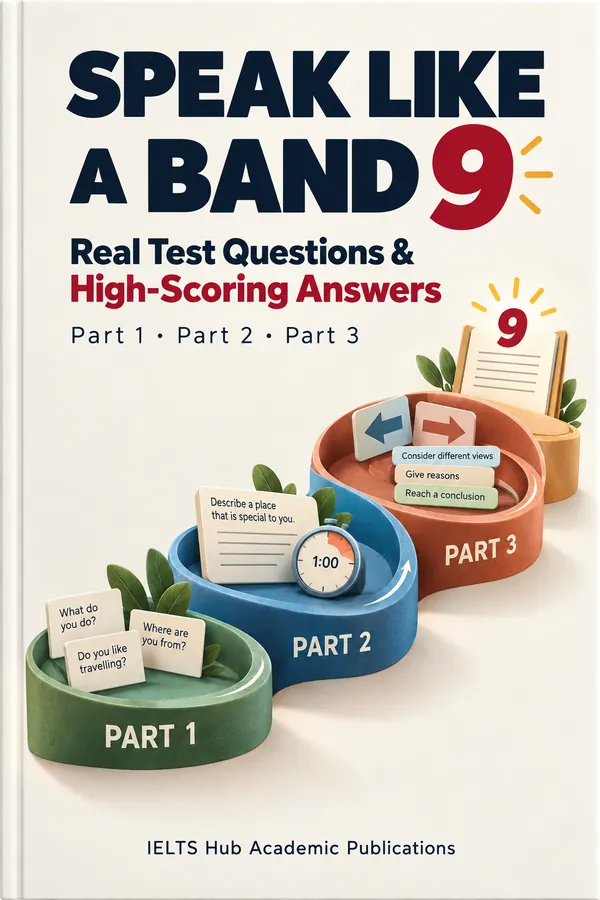
Speaking
Speak Like a Band 9
Real Test Questions & High-Scoring Answers
₹299$9.99CAD 13.99AUD 14.99£7.99NZD 16.99€8.99AED 39SGD 12.99
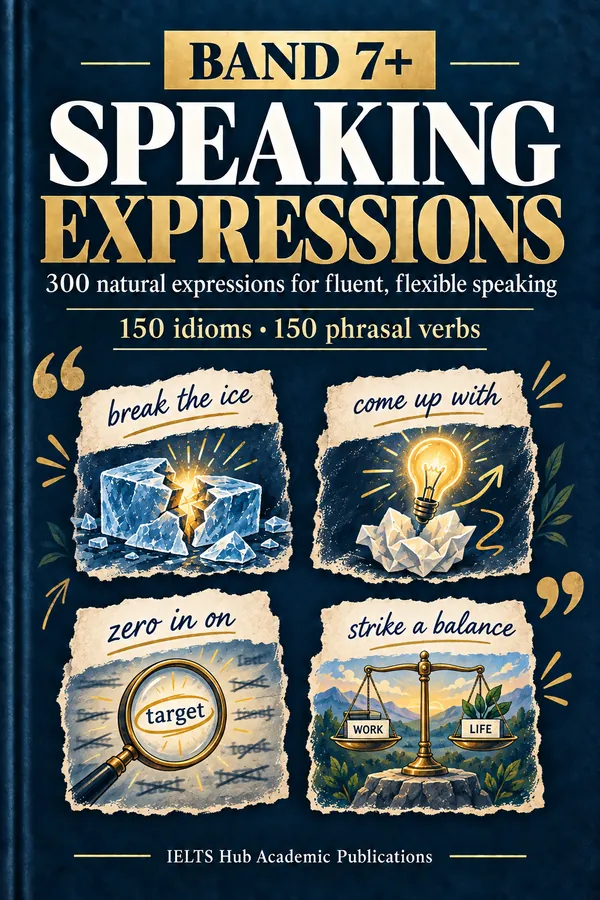
Speaking
Band 7+ Speaking Expressions
300 natural expressions for fluent, flexible speaking
₹199$6.99CAD 8.99AUD 9.99£4.99NZD 10.99€5.99AED 24SGD 8.99
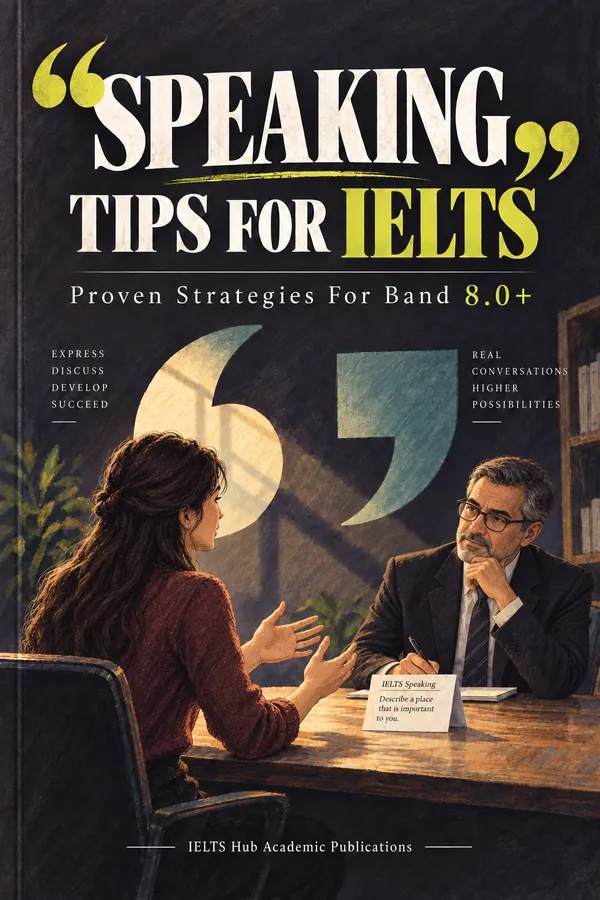
Speaking
Speaking Tips for IELTS
Proven Strategies for Band 8.0+
₹299$9.99CAD 13.99AUD 14.99£7.99NZD 16.99€8.99AED 39SGD 12.99