Speaking test #481
Part 1 · Interview
4 to 5 minutes. The examiner asks about you and familiar topics.
Can you tell me your full name?
Where are you from?
Do you work or are you a student?
Have you ever got lost when you visited a new place? [Why/Why not?
?] Yes, I have definitely gotten lost when I visited a new place before. I think it's easy to get turned around and disoriented in unfamiliar surroundings, especially if you're not familiar with the layout or the language.
Do you find it difficult to get to new places without using a map? [Why/Why not?
?] I would say that I find it somewhat difficult to get to new places without using a map, as it can be hard to orient oneself and figure out which direction to go in. However, if I have a sense of the general area and some basic landmarks, I can usually figure it out.
How do you feel when you get lost somewhere? [Why/Why not?
?] When I get lost somewhere, I usually feel a bit anxious and stressed. Being lost can be disorienting and it can be hard to figure out where to go or what to do next. However, I also try to keep a sense of perspective and remind myself that it's all part of the adventure of exploring new places.
Would you stop to help somebody who was lost? [Why/Why not?
?] Of course I would stop to help somebody who was lost. I believe that helping others is a fundamental part of being a good person, and I would want someone to do the same for me if I were lost. Furthermore, I am confident that I can help someone to get back on track, by providing them with clear direction and guidance.
Do you often get up early in the morning?
Yes, I do. I find that getting up early sets the tone for the rest of the day, allowing me to be productive and accomplish my goals.
What do you usually do when you get up early?
When I get up early, I usually spend some time stretching and doing yoga to get my body moving and energized. Then, I like to take a walk or run outside to clear my mind and enjoy the fresh air. After that, I'll have breakfast and plan out my day.
Do you get up early on weekends?
I try to maintain a consistent sleep schedule, so even on weekends, I will still get up early. I find that it allows me to make the most of my time off and enjoy my leisure activities without feeling rushed or stressed.
What kinds of people usually get up early? Why?
I believe that people who are highly motivated, organized, and goal-oriented tend to be early risers. They understand the benefits of starting the day early, such as having a head start on their tasks and avoiding the stress of last-minute rushing. Additionally, many successful individuals, such as business leaders and entrepreneurs, get up early to make the most of their day and achieve their ambitions.
You will have to talk about the topic for one to two minutes. You have one minute to think about what you are going to say. You can make some notes to help you if you wish.
Describe a house or an apartment where you live
You should say:
- Location of the house/apartment
- Description of the rooms and amenities
- Memorable experiences associated with the place
- How you have personalized the space
Location of the house/apartment
I currently reside in a charming apartment located in the bustling city of Mumbai, India. Situated in a prime residential area, my apartment is nestled within a vibrant community, offering easy access to various amenities and facilities. The neighborhood is lively, with bustling markets, cozy cafes, and green parks, making it a truly vibrant place to live.
Description of the rooms and amenities
My apartment consists of three cozy bedrooms, a spacious living room, a well-equipped kitchen, and a serene balcony overlooking the city skyline. The rooms are tastefully furnished with modern decor, creating a comfortable and inviting atmosphere. The amenities include high-speed internet, a smart TV, and air conditioning, ensuring a convenient and enjoyable living experience.
Memorable experiences associated with the place
One memorable experience associated with my apartment is hosting a Diwali celebration last year. I decorated the entire place with colorful lights and traditional diyas, and invited friends and family over for a joyous evening of festivities. The warmth and laughter that filled the space that night created unforgettable memories that I will cherish for years to come.
How you have personalized the space
To personalize the space, I have adorned the walls with artwork and photographs that hold sentimental value to me. I have also incorporated plants and succulents to bring a touch of nature indoors, creating a tranquil and soothing ambiance. By adding personal touches and decor elements, I have transformed my apartment into a cozy sanctuary that truly feels like home.
- Words
- 229
- Sentences
- 12
- Words per sentence
- 19.1
- Speaking time
- about 1.8 min
Counted at 130 words a minute. The exam gives you one to two minutes.
Part 3 · Discussion
4 to 5 minutes. The examiner asks broader questions linked to the cue card topic.
What are the differences in lifestyle and convenience between a house and an apartment?
That's a fascinating question! The characteristics of a house and an apartment can significantly influence one's lifestyle and convenience. For instance, a house typically offers more living space and privacy, allowing families to have their own areas for relaxation and activities, which can be particularly beneficial for those with children. On the other hand, apartments often come with modern amenities and are usually located in urban areas, making them incredibly convenient for young professionals who want to be close to their workplaces and social hubs. Moreover, houses may require more maintenance, which can be a drawback for busy individuals, while apartments often have property management that takes care of repairs and upkeep. Ultimately, the choice between the two often depends on one’s personal circumstances and preferences, such as whether they prioritize space and privacy or convenience and accessibility.
Some people think that staying in a house is better than staying in an apartment. What do you think about this?
I can understand why many people feel that living in a house has its advantages. For instance, houses typically offer more space, which can be a huge plus for families or those who enjoy gardening. There's also a sense of privacy that comes with having your own yard, which can be a wonderful retreat from the hustle and bustle of city life. However, I think it really depends on personal circumstances. For some, the convenience of an apartment—like being close to work and amenities—might outweigh the benefits of having a garden or more space. Ultimately, both options have their unique perks, and it’s all about finding what suits one's lifestyle best!
How does the home environment affect the well-being of the people living there?
The environment of a home plays a crucial role in the overall well-being of its inhabitants. A well-designed space can significantly influence mental health, fostering a sense of calm and contentment. For instance, natural light and greenery can create a more uplifting atmosphere, contributing to a positive mood. Conversely, an overly cluttered or poorly organized space can lead to feelings of stress and anxiety. Ultimately, a harmonious home environment not only enhances comfort but also promotes a sense of security, allowing individuals to thrive both mentally and emotionally.
Why do you think people usually see location as more important than how big a house or apartment is?
I believe location is often deemed more crucial than the size of a house or apartment for several compelling reasons. For one, a prime location can significantly enhance one’s quality of life, offering easy access to essential amenities like schools, parks, and public transport. Additionally, properties in desirable areas tend to appreciate in value over time, making them a sound investment. Moreover, living in a vibrant neighborhood can provide a sense of community and connection that larger spaces may lack. Ultimately, while size is certainly a factor, the lifestyle and opportunities afforded by a great location can far outweigh the benefits of living in a more spacious home.
How could where people live change in the future as cities keep growing?
As urbanization continues to rise, I believe we'll see some fascinating shifts in living arrangements. For one, the trend of tiny homes and co-living spaces is likely to gain even more traction. These options not only maximize space but also foster a sense of community among residents, which can be incredibly appealing in bustling urban environments. Additionally, advancements in technology might lead to more smart living solutions, where homes are equipped with intelligent systems that enhance convenience and sustainability. Overall, I think these changes could help address the challenges of urban life, making cities more livable and connected for everyone.
What steps can be taken to make life better in crowded cities?
Improving living conditions in densely populated urban areas is indeed a pressing issue that requires a multifaceted approach. Firstly, urban green spaces can significantly enhance the quality of life. By creating parks and community gardens, we not only provide residents with a place to unwind, but we also promote biodiversity and improve air quality. Additionally, investing in efficient public transport systems can alleviate traffic congestion, making it easier for people to move around the city without the stress of long commutes. Furthermore, implementing sustainable housing solutions, such as eco-friendly buildings, can help address the shortage of affordable homes while also reducing the environmental impact. Ultimately, a combination of these strategies could lead to a much more livable urban environment.
Go further with the books

Speaking
Band 7+ Speaking Expressions
300 natural expressions for fluent, flexible speaking
₹199$6.99CAD 8.99AUD 9.99£4.99NZD 10.99€5.99AED 24SGD 8.99
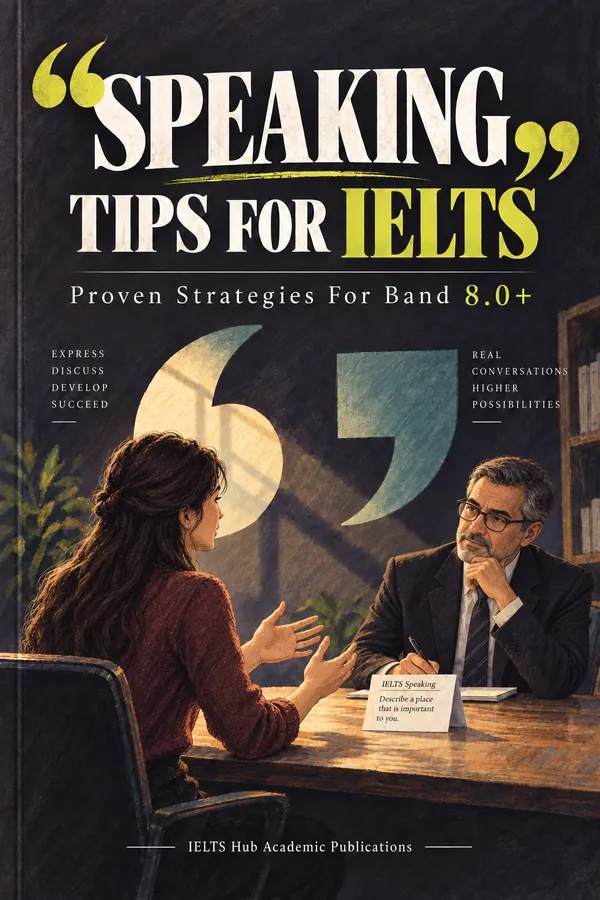
Speaking
Speaking Tips for IELTS
Proven Strategies for Band 8.0+
₹299$9.99CAD 13.99AUD 14.99£7.99NZD 16.99€8.99AED 39SGD 12.99
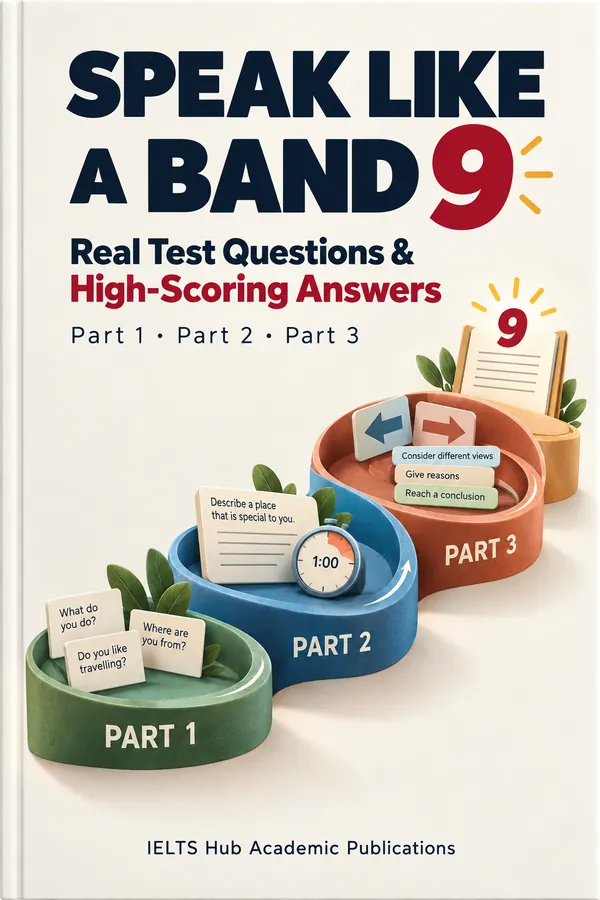
Speaking
Speak Like a Band 9
Real Test Questions & High-Scoring Answers
₹299$9.99CAD 13.99AUD 14.99£7.99NZD 16.99€8.99AED 39SGD 12.99