Speaking test #484
Part 1 · Interview
4 to 5 minutes. The examiner asks about you and familiar topics.
Can you tell me your full name?
Where are you from?
Do you work or are you a student?
You will have to talk about the topic for one to two minutes. You have one minute to think about what you are going to say. You can make some notes to help you if you wish.
Describe a creative person whose work you admire
You should say:
- Who this person is
- What kind of work they do
- How you came to know about this person
- Explain why you admire this person's work
Who this person is
I would like to talk about Raghava KK, a renowned Indian artist whose work I truly admire. Raghava KK is a contemporary artist known for his innovative and thought-provoking artwork that challenges societal norms and perceptions. His work spans various mediums, including paintings, digital art, and interactive installations, all of which reflect his unique perspective on life and art.
What kind of work they do
I first came across Raghava KK's work during an art exhibition in Mumbai a few years ago. As I wandered through the gallery, his bold and vibrant pieces immediately captured my attention. The way he seamlessly blends traditional techniques with modern themes fascinated me, and I was intrigued by the depth and complexity of his creations.
How you came to know about this person
What sets Raghava KK apart for me is his ability to tackle complex social issues through his art in a way that is both visually stunning and intellectually stimulating. His work often delves into topics such as identity, gender, and human relationships, shedding light on important issues facing society today. I admire the courage and creativity with which he approaches these subjects, using art as a powerful tool for advocacy and awareness.
Explain why you admire this person's work
In conclusion, Raghava KK's work continues to inspire me not only for its aesthetic appeal but also for its deeper message and impact. His ability to provoke thought and evoke emotions through his art is truly commendable, and I believe he is a shining example of a creative individual who uses his talent to spark meaningful conversations and provoke positive change in the world.
- Words
- 251
- Sentences
- 11
- Words per sentence
- 22.8
- Speaking time
- about 1.9 min
Counted at 130 words a minute. The exam gives you one to two minutes.
Part 3 · Discussion
4 to 5 minutes. The examiner asks broader questions linked to the cue card topic.
How can the work of creative people in various areas affect society?
Creative individuals play a pivotal role in shaping society across various fields. For instance, artists and musicians often reflect societal issues through their work, sparking conversations and encouraging public discourse. This can lead to a greater awareness of social injustices or cultural movements, ultimately inspiring change. Similarly, writers and filmmakers can craft compelling narratives that resonate with audiences, helping to foster empathy and understanding among different communities. Furthermore, innovators in technology and design can transform everyday life by introducing groundbreaking ideas that improve efficiency and quality of living. In essence, the work of these creative minds not only entertains but also serves as a catalyst for social progress.
Some people think creativity is a natural skill, while others believe it can be learned. What do you think about this?
I think the debate about whether creativity is an innate talent or a skill that can be developed is quite fascinating. While some individuals certainly have a natural flair for creative pursuits, I firmly believe that creativity can be nurtured and enhanced over time. Engaging in various artistic activities and exposing oneself to different experiences can significantly broaden one's creative horizons. Moreover, with the right guidance and practice, anyone can tap into their creative potential and express themselves in unique ways. Ultimately, it’s a blend of both nature and nurture that fuels creativity.
How important do you believe creativity is in the progress of technology and new ideas?
I believe creativity plays a paramount role in the advancement of technology and innovation. Without creative thinking, we wouldn't have breakthroughs like smartphones or artificial intelligence. It's fascinating how many technological advancements stem from someone thinking outside the box and challenging conventional wisdom. For instance, many successful startups have emerged from individuals who dared to envision a different future, pushing the boundaries of what was previously thought possible. In essence, creativity fuels innovation, transforming imaginative ideas into tangible solutions that can significantly enhance our lives.
Why do you think some people are noticed more for their creativity than others?
I believe that the level of recognition for creativity often hinges on a combination of visibility and impact. Some individuals, especially those who are able to effectively showcase their work, tend to attract more attention. It’s not just about having a brilliant idea; it’s also about how you present it to the world. Additionally, societal and cultural factors can play a significant role; for instance, certain art forms or innovations may resonate more within specific communities, leading to greater recognition. Ultimately, it’s a blend of talent, opportunity, and sometimes, a bit of luck that determines who stands out in the realm of creativity.
What shifts can we expect in the creative fields in the next ten years?
In the next decade, I believe we will witness a significant transformation in the creative industries, largely driven by advancements in technology. For instance, the rise of virtual reality and augmented reality is likely to revolutionize the way we experience art and entertainment, making it more immersive and interactive. Additionally, artificial intelligence will probably play a crucial role in content creation, helping artists and designers to enhance their creative output while also streamlining the production process. Furthermore, as audiences become more globalized and interconnected, we may see a greater emphasis on diversity and inclusivity in creative works, reflecting the myriad of cultures and perspectives that exist today. Overall, the future looks incredibly promising for the creative sector, as it continually adapts to meet the evolving tastes and needs of society.
What steps can be taken to boost creativity in schools?
To foster greater creativity in education systems, it's essential to adopt a more interdisciplinary approach. By integrating subjects like art and science, students can draw connections between different fields, which often sparks innovative ideas. Additionally, allowing for more hands-on learning experiences, such as project-based assignments, can encourage students to explore their interests in depth. Another effective measure is to create a supportive environment where failure is viewed as a stepping stone rather than a setback, as this encourages risk-taking and experimentation. Finally, incorporating technology in creative ways can help students express their ideas and collaborate with peers globally, broadening their creative horizons.
Go further with the books
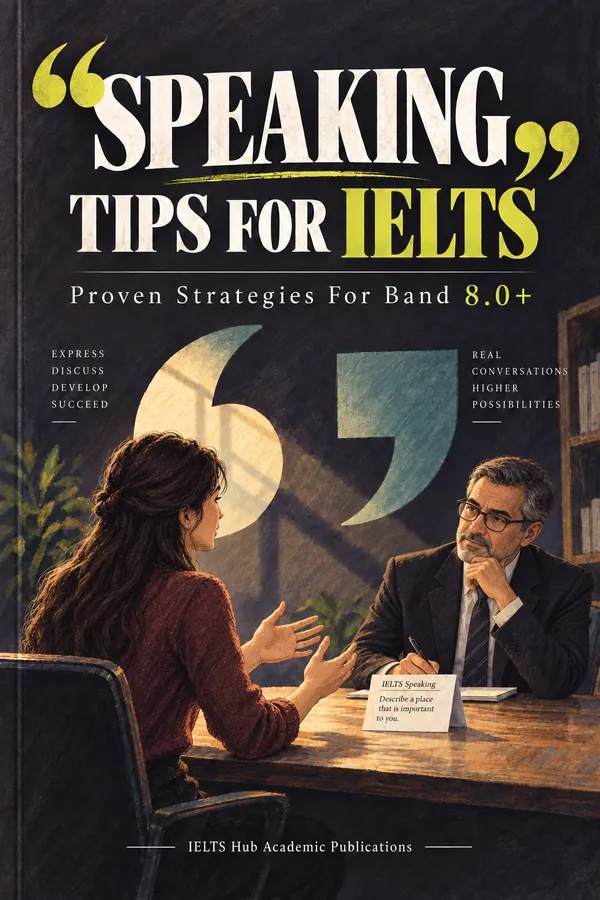
Speaking
Speaking Tips for IELTS
Proven Strategies for Band 8.0+
₹299$9.99CAD 13.99AUD 14.99£7.99NZD 16.99€8.99AED 39SGD 12.99
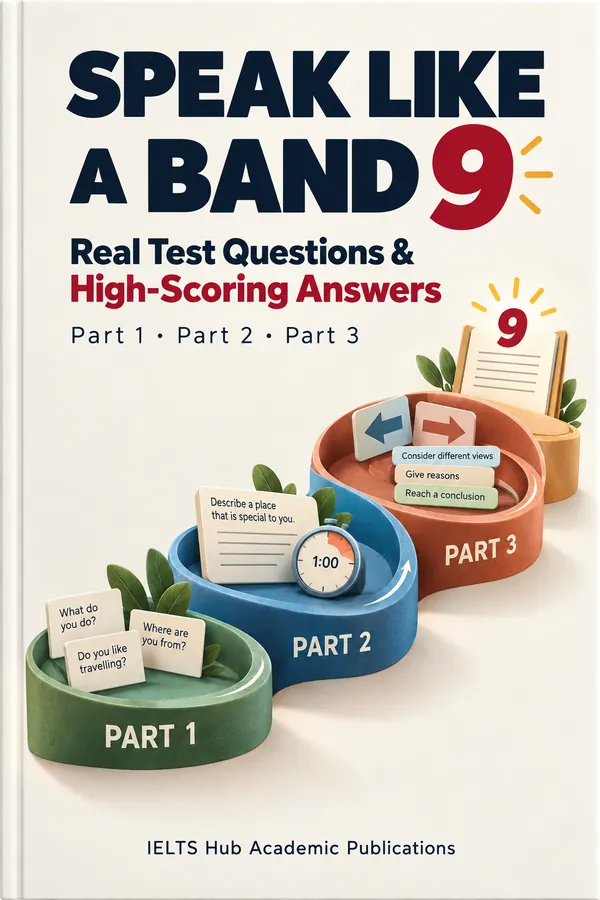
Speaking
Speak Like a Band 9
Real Test Questions & High-Scoring Answers
₹299$9.99CAD 13.99AUD 14.99£7.99NZD 16.99€8.99AED 39SGD 12.99
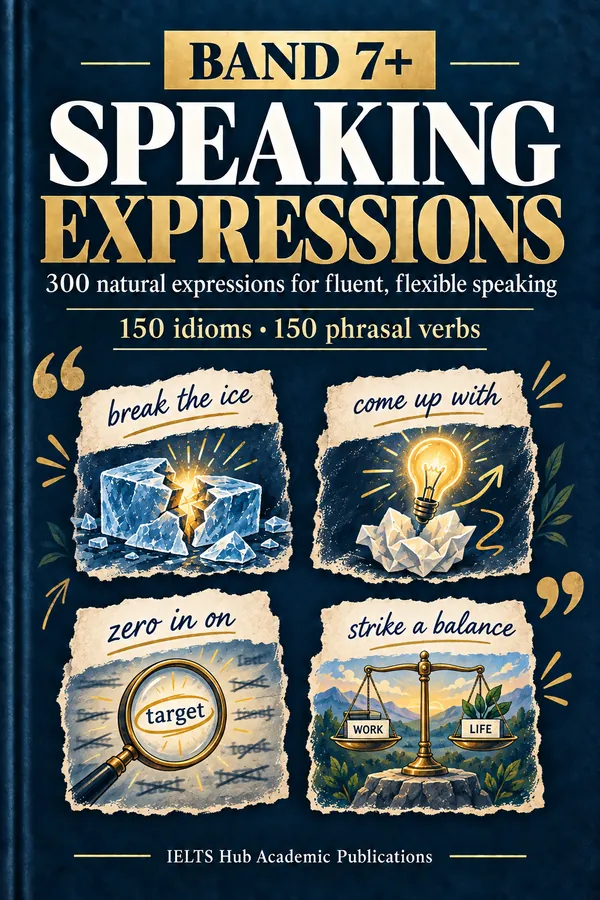
Speaking
Band 7+ Speaking Expressions
300 natural expressions for fluent, flexible speaking
₹199$6.99CAD 8.99AUD 9.99£4.99NZD 10.99€5.99AED 24SGD 8.99