Speaking test #503
Part 1 · Interview
4 to 5 minutes. The examiner asks about you and familiar topics.
Can you tell me your full name?
Where are you from?
Do you work or are you a student?
Do you like music? Why / why not?
I absolutely love music! For me, it's a way to express my emotions, connect with others and even forget about the world for a little while. Whether I'm feeling happy, sad, or just need some background noise, there's always a song that can fit the mood. I think music is one of the most powerful forms of art and it's something that has always been a big part of my life.
What kind of music do you listen to? Why?
I listen to a wide variety of music, but my favorite genre is probably alternative rock. I love the energy and emotion that comes through in the lyrics and the unique sound that different bands bring to the genre. I also enjoy listening to indie music and some electronic music. I find that these genres allow me to discover new artists and sounds, and I appreciate the diversity that they offer.
Has the music that you listen to changed since you were young?
Yes, my taste in music has definitely evolved over the years. When I was younger, I mostly listened to pop music and whatever was popular at the time. As I got older, I started to explore different genres and discovered that there was so much more out there than I had ever realized. My taste in music has become more diverse and I now appreciate a wider range of sounds and styles.
Do you think older and younger generations prefer different types of music?
I think that different generations can have different musical preferences, but it's not always a straightforward distinction. For example, older people might be more inclined to listen to classical music or traditional genres, while younger people might be more into hip-hop or electronic music. However, there are also plenty of older people who love contemporary music and younger people who appreciate older genres. I think it's important to remember that music is a personal thing and everyone has their own unique tastes and preferences.
Which instrument do you like listening to most? [Why?
?] I absolutely adore listening to the piano. The soft melodies and intricate harmonies that can be produced from a piano are truly mesmerizing to me. The piano is a versatile instrument that can be used to play a wide range of genres and styles, from classical to pop. It's also a beautiful instrument to look at and the sound it produces is simply breathtaking.
Have you ever learned to play a musical instrument? [Which one?
?] Yes, I have had the pleasure of learning how to play the guitar. It's a wonderful instrument that I've grown to love over the years. I find that playing the guitar is a great way to relax and unwind after a long day, and it's also a great way to express myself creatively.
Do you think children should learn to play a musical instrument at school? [Why/Why not?
?] I definitely think that children should learn to play a musical instrument at school. Not only does learning to play an instrument help with the development of fine motor skills and hand-eye coordination, but it also helps with creativity and self-expression. Additionally, playing an instrument can also have a positive impact on children's cognitive development and can even improve their academic performance. Overall, I think that learning to play a musical instrument is an incredibly valuable skill that should be taught to children at school.
How easy would it be to learn to play an instrument without a teacher? [Why?
?] Learning to play an instrument without a teacher would be quite difficult, in my opinion. While there are certainly resources available, such as online tutorials and instructional videos, nothing can replace the guidance and feedback that a teacher can provide. A teacher can provide personalized instruction and can help identify and correct any mistakes that a student may be making. Additionally, a teacher can provide encouragement and motivation, which is essential for any student trying to learn an instrument. Without a teacher, it would be much more difficult to progress and improve one's playing skills.
You will have to talk about the topic for one to two minutes. You have one minute to think about what you are going to say. You can make some notes to help you if you wish.
Describe a law on environmental protection
You should say:
- What is the law about
- How it helps protect the environment
- Penalties for violating the law
- Public opinion or impact of the law
What is the law about
In India, one of the key laws on environmental protection is the Environment (Protection) Act, enacted in 1986. This law aims to safeguard the environment and prevent pollution by regulating activities that have the potential to cause harm to the ecosystem. It covers a wide range of issues such as air and water pollution, waste management, and conservation of natural resources.
How it helps protect the environment
The Environment (Protection) Act plays a crucial role in protecting the environment by setting standards for emissions and effluents, as well as regulating the handling and disposal of hazardous substances. By enforcing these regulations, the law helps in maintaining the quality of air and water, preserving biodiversity, and promoting sustainable development. Additionally, it provides a legal framework for environmental impact assessments for projects that may have significant ecological consequences.
Penalties for violating the law
Violating the provisions of the Environment (Protection) Act can result in severe penalties, including fines and imprisonment. Industries and individuals found guilty of polluting the environment or violating the prescribed standards may face legal consequences to deter them from further harmful activities. These penalties serve as a deterrent and emphasize the importance of compliance with environmental regulations.
Public opinion or impact of the law
Overall, the Environment (Protection) Act has garnered positive public opinion and has had a significant impact on environmental conservation efforts in India. It has raised awareness about environmental issues, encouraged responsible behavior towards nature, and prompted industries to adopt cleaner technologies. The law has contributed to a gradual shift towards more sustainable practices and has set a precedent for other countries to enhance their environmental protection measures.
- Words
- 254
- Sentences
- 12
- Words per sentence
- 21.2
- Speaking time
- about 2.0 min
Counted at 130 words a minute. The exam gives you one to two minutes.
Part 3 · Discussion
4 to 5 minutes. The examiner asks broader questions linked to the cue card topic.
How might different countries handle environmental protection laws in different ways?
Different countries often have unique perspectives when it comes to environmental protection laws, influenced by their economic status, cultural values, and political systems. For instance, developed nations may have more stringent regulations due to greater resources and public awareness about climate change, while developing countries might prioritize economic growth over environmental concerns. Additionally, some countries might adopt a more collaborative approach, engaging in international agreements, whereas others could focus on unilateral actions tailored to their specific needs. This divergence can lead to a fascinating tapestry of laws and practices, reflecting each nation's priorities and challenges in the face of global environmental issues. Ultimately, it's crucial for countries to find a balance that promotes sustainability without compromising their economic development.
What are some reasons people may have different views on how well environmental protection laws work?
People can have varying opinions on the effectiveness of environmental protection laws for several reasons. Firstly, personal experience plays a huge role; someone who has witnessed positive changes in their community may feel optimistic, while another who lives in a heavily polluted area might be skeptical. Additionally, the level of public awareness about environmental issues can significantly influence perceptions. For instance, those who are well-informed about climate science and the consequences of inaction are likely to support stricter laws, whereas others might not see the urgency. Lastly, the effectiveness of these laws can also depend on how well they are enforced; if there is a lack of accountability, people may feel that legislation is merely symbolic and not truly impactful.
How important is it for governments to put in place strong environmental protection rules?
It's absolutely essential for governments to implement strict environmental protection measures. With the ongoing threat of climate change and the alarming rate of biodiversity loss, we simply cannot afford to take a backseat. By enforcing robust regulations, governments can significantly reduce pollution levels and promote sustainable practices among industries. Moreover, these measures not only safeguard our planet but also foster a sense of responsibility within communities. Ultimately, a proactive approach to environmental protection is vital for ensuring a healthy future for generations to come!
Why do you think some people or companies oppose environmental rules?
There are several reasons why some individuals or businesses might resist environmental regulations. Firstly, many see these regulations as a potential threat to their bottom line, fearing that compliance will lead to increased costs or reduced profits. Additionally, there's often a perception that such regulations can stifle innovation and hinder economic growth. Some businesses may also argue that they are already making efforts towards sustainability and feel that additional regulations are unnecessary or overly burdensome. Lastly, there's a cultural aspect; in certain regions, there might be a strong belief in minimal government intervention, leading to a resistance against any form of regulation, even if it’s aimed at protecting the environment.
How could new technology changes affect how we enforce environmental laws?
Future advancements in technology hold incredible potential to transform the enforcement of environmental protection laws. For instance, the integration of cutting-edge surveillance systems, like drones and satellite imaging, could revolutionize how we monitor compliance. Imagine being able to track illegal dumping or deforestation in real-time, which would undoubtedly enhance accountability among corporations and individuals alike. Additionally, the use of big data analytics can help authorities assess environmental impacts more accurately and efficiently, allowing for quicker responses to violations. Overall, as technology continues to evolve, it will likely provide us with the tools necessary to create a more sustainable future and ensure that environmental regulations are taken seriously.
What steps can be taken to help businesses follow environmental protection rules?
To encourage compliance with environmental protection regulations among businesses, a multifaceted approach is essential. First, governments could implement incentive programs that reward companies for adopting eco-friendly practices, such as tax breaks or grants for implementing sustainable technologies. Additionally, raising public awareness through campaigns can create a culture where consumers prefer to support environmentally responsible businesses, putting pressure on companies to comply. Moreover, establishing stricter penalties for non-compliance could serve as a strong deterrent, making businesses more vigilant about following regulations. Lastly, fostering collaboration between the public and private sectors can lead to the development of innovative solutions that not only meet regulatory standards but also enhance overall sustainability. By combining these measures, we can create a more robust framework that encourages businesses to prioritize environmental protection.
Go further with the books
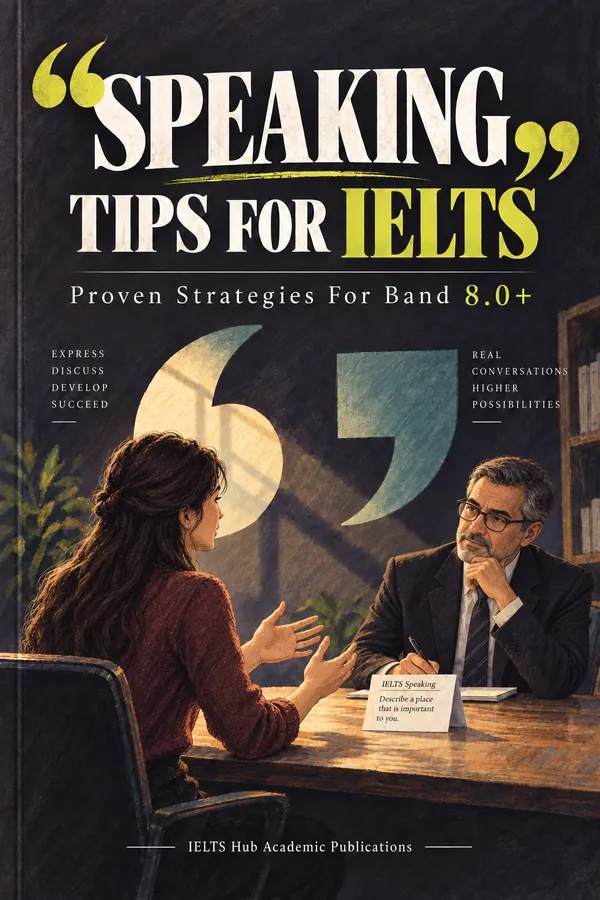
Speaking
Speaking Tips for IELTS
Proven Strategies for Band 8.0+
₹299$9.99CAD 13.99AUD 14.99£7.99NZD 16.99€8.99AED 39SGD 12.99
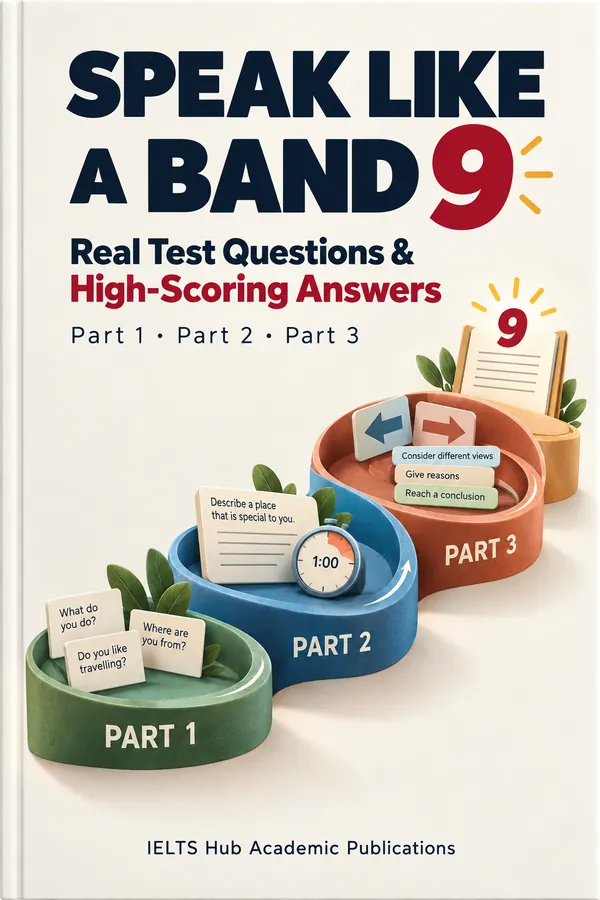
Speaking
Speak Like a Band 9
Real Test Questions & High-Scoring Answers
₹299$9.99CAD 13.99AUD 14.99£7.99NZD 16.99€8.99AED 39SGD 12.99
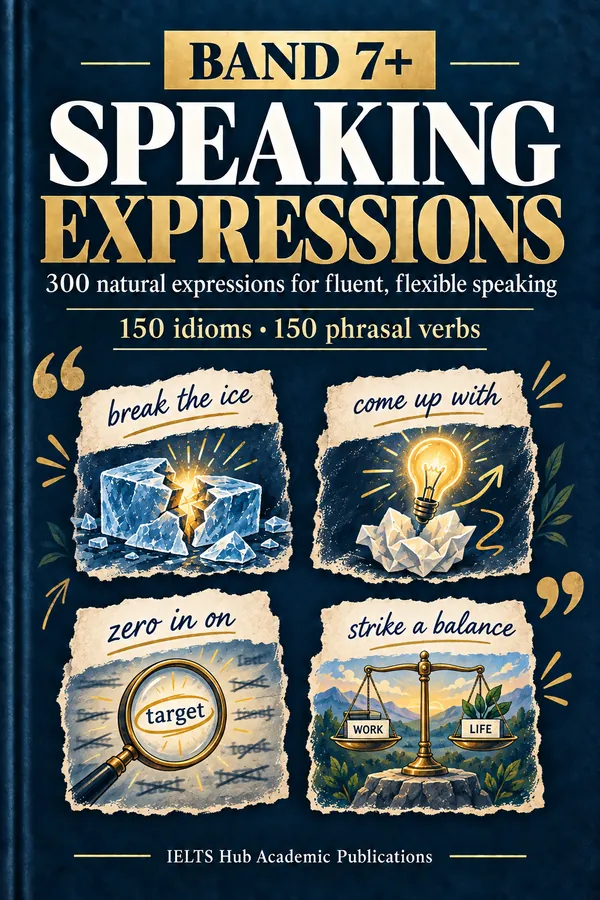
Speaking
Band 7+ Speaking Expressions
300 natural expressions for fluent, flexible speaking
₹199$6.99CAD 8.99AUD 9.99£4.99NZD 10.99€5.99AED 24SGD 8.99