Speaking test #506
Part 1 · Interview
4 to 5 minutes. The examiner asks about you and familiar topics.
Can you tell me your full name?
Where are you from?
Do you work or are you a student?
How often do you read a newspaper?
I read a newspaper on a daily basis. I find it to be an excellent way to stay informed about current events and to stay up-to-date on the latest news and developments.
Why do you think some people like reading newspapers?
I think that some people enjoy reading newspapers because it provides them with an in-depth look at the news and events that are happening in the world. Additionally, newspapers often include a variety of different sections, such as business, sports, and entertainment, which can appeal to a wide range of readers.
Which other sources can people use to find out about the latest news?
There are many other sources that people can use to find out about the latest news, such as online news websites, television news programs, and social media. Additionally, many people also rely on news apps and podcasts to stay informed.
Do you think that it's important to know about news from other countries? Why / why not?
I believe that it is extremely important to know about news from other countries. Being aware of what is happening in the world around us can help us to understand and appreciate different cultures, as well as to make more informed decisions about global issues. Additionally, knowing about news from other countries can also help us to identify potential economic and political trends that may have an impact on our own country.
How do you celebrate New Year?
I usually celebrate New Year with my family and friends. We gather together at a designated place and have a big feast. We also make resolutions for the upcoming year and share our plans and goals. At midnight, we watch the fireworks and toast to a new year.
Do you still remember the new year that you celebrated?
Yes, I do. The most memorable New Year I celebrated was last year. My family and I went on a trip to a beautiful ski resort. We had a great time skiing and enjoying the snowy scenery. We also had a great dinner together and watched the fireworks at midnight. It was a very special and enjoyable experience.
Do you have any ceremonies to celebrate the New Year in your country?
Yes, we do have some ceremonies to celebrate the New Year in my country. One of the most popular ones is the traditional bell-ringing ceremony. People gather at temples and churches to ring the bell 109 times, which is believed to ward off evil spirits and bring good luck for the new year. Another popular ceremony is the New Year's Eve countdown, where people gather in public places to count down the last seconds of the year and celebrate the arrival of the new year.
Why do people think the New year is a new beginning?
People think the New Year is a new beginning because it marks the end of one year and the start of another. It is a time to reflect on the past year and make resolutions for the upcoming year. It is also a time to let go of any negative experiences and to start fresh with new goals and plans. The New Year also symbolizes hope and optimism for a better future.
You will have to talk about the topic for one to two minutes. You have one minute to think about what you are going to say. You can make some notes to help you if you wish.
Describe an art exhibition you have visited
You should say:
- What was the name and location of the exhibition?
- What kind of art was on display?
- How did you feel about the exhibition?
- Did any specific artwork leave a lasting impression on you? If yes, describe it.
What was the name and location of the exhibition?
I recently had the pleasure of visiting the renowned "Kala Ghoda Arts Festival" in Mumbai, India. This annual event is held in the vibrant Kala Ghoda district of the city and showcases a diverse range of artistic expressions from both established and emerging artists. The festival is a celebration of various art forms, including paintings, sculptures, installations, and performances, making it a truly immersive experience for art enthusiasts.
What kind of art was on display?
One particular exhibit that caught my attention was a series of contemporary paintings by a young local artist. The vibrant colors and intricate details in the artworks instantly drew me in, and I found myself captivated by the artist's unique style and perspective. The paintings seemed to convey a sense of emotion and depth that resonated with me on a personal level, leaving a lasting impression that stayed with me long after I left the exhibition.
How did you feel about the exhibition?
Overall, my experience at the art exhibition was incredibly enriching and inspiring. It was fascinating to witness the diversity of artistic talent on display and to engage with the thought-provoking themes explored by the different artists. The atmosphere of creativity and innovation at the festival was truly invigorating, and I felt privileged to be able to witness such a vibrant celebration of art and culture in my own city.
Did any specific artwork leave a lasting impression on you? If yes, describe it.
In conclusion, the Kala Ghoda Arts Festival was a truly memorable experience that left me feeling both inspired and appreciative of the rich artistic heritage of Mumbai. The exhibition not only showcased the incredible talent of local artists but also provided a platform for meaningful dialogue and reflection on the power of art to evoke emotion and provoke thought.
- Words
- 272
- Sentences
- 11
- Words per sentence
- 24.7
- Speaking time
- about 2.1 min
Counted at 130 words a minute. The exam gives you one to two minutes.
Part 3 · Discussion
4 to 5 minutes. The examiner asks broader questions linked to the cue card topic.
How do various art shows show the cultural values of their time?
Art exhibitions serve as a fascinating window into the cultural values of their time, acting as both a mirror and a lamp for society. For instance, during periods of turmoil, such as wars or social upheaval, art often becomes a means of social commentary, reflecting the anxieties and aspirations of the people. In contrast, exhibitions in times of prosperity may celebrate innovation and human achievement, showcasing how culture evolves alongside technological advancements. Additionally, the themes and mediums chosen by artists can reveal what society prioritizes, whether it’s environmental awareness, identity, or community. Ultimately, art exhibitions not only capture the spirit of the era but also provoke thought and inspire change, making them invaluable to understanding our collective journey.
How much do you believe that liking art is based on personal opinion?
I believe the appreciation of art is largely subjective, as it is deeply intertwined with personal experiences, cultural background, and individual taste. For instance, what resonates with one person might not evoke the same feelings in another, which is why we often see such a diverse range of opinions on a single piece of art. Moreover, the emotional response elicited by art can vary significantly depending on the context in which it’s viewed, such as the environment or the artist's intention. This subjective interpretation allows for a rich tapestry of perspectives that ultimately enhances the value of art in society. However, there are also some universally recognized qualities—like technique or composition—that can create a common ground, but the overall experience is still profoundly personal.
What is the importance of art in society, and why do people think it matters?
Art plays a multifaceted role in society, acting as a powerful medium for self-expression and a reflection of cultural values. It has the remarkable ability to connect people, transcending language and geographical barriers. Additionally, art often serves as a mirror to social issues, prompting discussions and encouraging critical thinking about our world. This significance is rooted in its capacity to evoke emotions, inspire change, and foster a sense of community engagement. Ultimately, art enriches our lives, making it an indispensable part of the human experience.
What makes people want to go to art shows?
People are often drawn to visit art exhibitions for a variety of compelling reasons. First and foremost, art has a unique ability to evoke emotions and provoke thought, which can be incredibly enriching. Many individuals find that experiencing art in person allows them to connect with the creative vision of the artist on a much deeper level than simply viewing it online or in books. Additionally, art exhibitions often serve as a platform for cultural exchange, where visitors can appreciate diverse perspectives and ideas. The social aspect cannot be overlooked either; attending exhibitions can be a wonderful way to bond with friends or meet new people who share similar interests in the world of art. Overall, the combination of emotional engagement, cultural appreciation, and social interaction makes art exhibitions an enticing destination for many.
What changes could happen in art exhibitions in the next ten years?
The art exhibition scene is poised for some fascinating transformations in the next decade. With the rise of technology, we can expect to see a significant shift towards immersive experiences, where virtual and augmented reality become integral parts of exhibitions. This could make art more accessible and engaging for a broader audience, breaking down traditional barriers. Additionally, as sustainability becomes a pressing concern, galleries might embrace more eco-friendly practices, showcasing art that reflects environmental awareness. Overall, the fusion of technology and social consciousness could redefine how we appreciate and interact with art.
What steps can be taken to make art exhibits easier for everyone to visit?
To make art exhibitions more accessible to the general public, a multifaceted approach could be very effective. First and foremost, lowering admission fees or even offering free entry on specific days could encourage a wider audience to engage with the arts. Additionally, providing interactive experiences and guided tours tailored for families or individuals with disabilities can enhance accessibility and foster a deeper appreciation for the artworks on display. Moreover, it would be beneficial to utilize technology, such as virtual reality or augmented reality, to create immersive experiences that can reach those who may not be able to visit in person. Lastly, collaborating with schools and community organizations to promote art appreciation and organize group visits can also help to cultivate a sense of ownership and connection to the arts within the community. Overall, these measures could significantly broaden the reach and impact of art exhibitions.
Go further with the books

Speaking
Band 7+ Speaking Expressions
300 natural expressions for fluent, flexible speaking
₹199$6.99CAD 8.99AUD 9.99£4.99NZD 10.99€5.99AED 24SGD 8.99
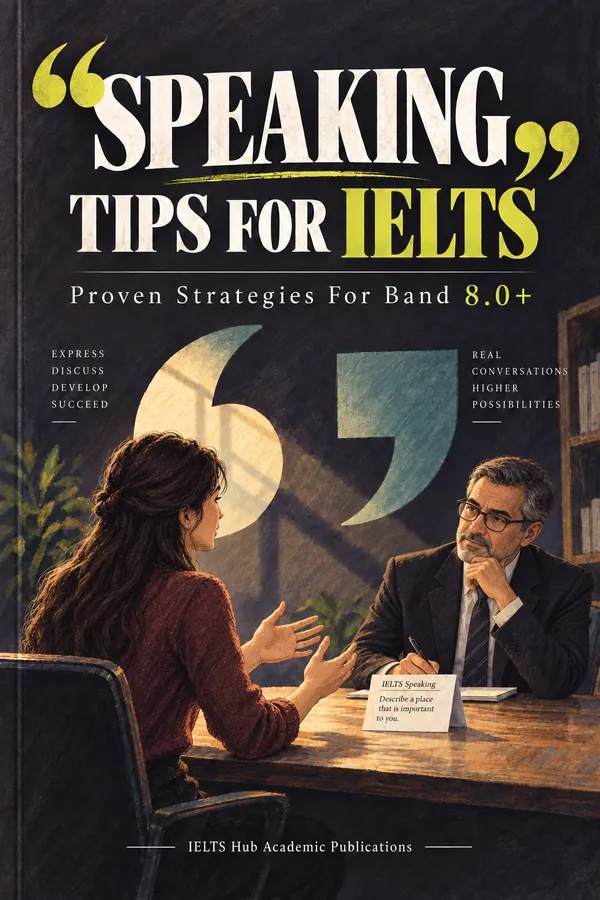
Speaking
Speaking Tips for IELTS
Proven Strategies for Band 8.0+
₹299$9.99CAD 13.99AUD 14.99£7.99NZD 16.99€8.99AED 39SGD 12.99
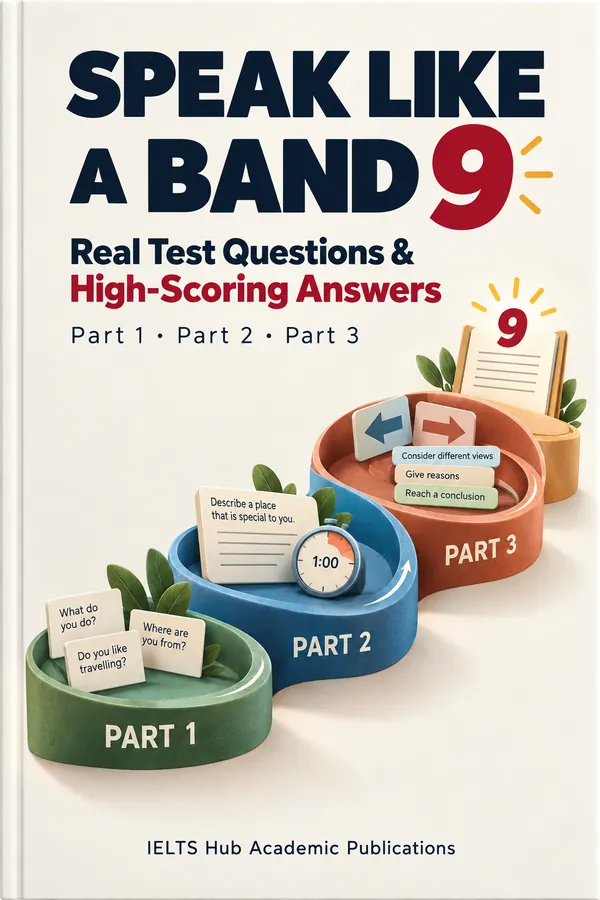
Speaking
Speak Like a Band 9
Real Test Questions & High-Scoring Answers
₹299$9.99CAD 13.99AUD 14.99£7.99NZD 16.99€8.99AED 39SGD 12.99