Speaking test #508
Part 1 · Interview
4 to 5 minutes. The examiner asks about you and familiar topics.
Can you tell me your full name?
Where are you from?
Do you work or are you a student?
Have you ever been to any old buildings in your city?
Yes, I have been to several old buildings in my city. One of my favorites is a historic church that dates back to the 19th century. The architecture is absolutely stunning and it's always a pleasure to visit.
Do you prefer to live in an old building or a modern house?
Personally, I prefer to live in a modern house. I appreciate the clean lines and open spaces that are characteristic of contemporary design. However, I do understand the appeal of living in an old building with its own history and charm.
Are there any old buildings you want to see in the future?
Yes, I would love to see the ancient pyramids in Egypt. The pyramids are one of the oldest and most incredible architectural achievements in human history, and I think it would be an amazing experience to see them in person.
Do you think preserving old buildings is important?
Definitely! I think preserving old buildings is crucial for maintaining the cultural heritage and identity of a city or country. These buildings often have a rich history and significance that can be lost if they are demolished or allowed to fall into disrepair. Additionally, they can serve as important tourist attractions and bring economic benefits to the local community.
Do you like outdoor activities?
Yes, I absolutely love outdoor activities. I find them to be incredibly invigorating and they provide an excellent way for me to stay active and healthy.
What outdoor activities do you most like to do?
I am particularly fond of hiking and camping. I love the feeling of being out in nature and the sense of adventure that comes with exploring new trails and wilderness areas. I also enjoy swimming, kayaking, and rock climbing.
How much time do you spend outdoors every week?
I try to spend as much time outdoors as possible, but it can vary depending on my schedule. On average, I would say that I spend around 20-25 hours per week outdoors.
What (types of) outdoor activities are popular in your country?
In my country, there are many different types of outdoor activities that are popular. Some of the most popular include hiking, camping, rock climbing, and watersports such as swimming, kayaking, and rafting. Additionally, there is a strong culture of outdoor sports such as soccer, basketball, and volleyball. In the winter, skiing and snowboarding are also popular outdoor activities. Overall, there is a wide range of outdoor activities for people to enjoy in my country.
You will have to talk about the topic for one to two minutes. You have one minute to think about what you are going to say. You can make some notes to help you if you wish.
Describe an interesting tradition in your country
You should say:
- What the tradition is
- When and how it is celebrated
- The significance of the tradition
- Your personal experience or opinion about the tradition
What the tradition is
In India, one of the most intriguing traditions is Diwali, also known as the Festival of Lights. Celebrated annually, Diwali typically falls in October or November and lasts for five days. During this time, people illuminate their homes with diyas (oil lamps) and colorful lights, burst fireworks, exchange sweets and gifts, and perform prayers to Goddess Lakshmi, the goddess of wealth and prosperity.
When and how it is celebrated
Diwali holds immense significance in the Indian culture as it symbolizes the victory of light over darkness and good over evil. It is believed that on this day, Lord Rama returned to Ayodhya after defeating the demon king Ravana, marking the triumph of righteousness. The lighting of lamps signifies the dispelling of ignorance and the awakening of inner light within oneself. Additionally, the tradition fosters a sense of unity and togetherness, as families come together to celebrate and strengthen their bonds.
The significance of the tradition
Personally, Diwali has always been a cherished tradition in my family. The joy of decorating our home, preparing traditional sweets, and witnessing the vibrant fireworks display fills me with a sense of nostalgia and happiness. Beyond the festivities, Diwali serves as a reminder of the values of hope, positivity, and gratitude. It is a time to reflect on the blessings in our lives and express gratitude for all that we have.
Your personal experience or opinion about the tradition
In conclusion, Diwali is not just a festival but a cultural phenomenon that embodies the rich heritage and values of India. Its celebration transcends boundaries of age, religion, and social status, bringing people together in a spirit of joy and harmony. This tradition continues to be a source of pride for Indians, symbolizing the essence of unity, positivity, and the eternal triumph of light over darkness.
- Words
- 281
- Sentences
- 14
- Words per sentence
- 20.1
- Speaking time
- about 2.2 min
Counted at 130 words a minute. The exam gives you one to two minutes.
Part 3 · Discussion
4 to 5 minutes. The examiner asks broader questions linked to the cue card topic.
How do traditional customs differ in various parts of your country?
Traditional customs can vary significantly between different regions of my country, reflecting the rich tapestry of our cultural heritage. For instance, in the northern areas, you’ll often find vibrant festivals that celebrate the changing seasons, whereas in the southern regions, there’s a strong emphasis on culinary traditions, with unique dishes that have been passed down through generations. Additionally, the way people celebrate weddings or other milestones can differ dramatically; in some places, ceremonies are grand and elaborate, while in others, they tend to be more intimate and personal. These variations not only showcase the diversity of our traditions but also foster a deeper appreciation for the local customs and practices that define each region. Overall, it’s fascinating to see how geography and history shape our customs, making each area distinct and special in its own right.
Some people think traditions are important for cultural identity, while others feel they can hold people back. What do you think about this?
I think the role of traditions in shaping cultural identity is incredibly significant. On one hand, traditions provide a sense of continuity and belonging, helping individuals connect with their heritage and community. They embody shared values and experiences that can foster a strong sense of community cohesion. However, I also understand the argument that some traditions can feel restrictive, particularly when they hinder personal freedom or stifle innovation. Ultimately, I believe it's about finding a balance—honoring our traditions while being open to change and modern interpretations, which can enrich our cultural identity rather than diminish it.
How important do you think it is for young people to take part in traditional practices?
I believe it’s incredibly significant for younger generations to participate in traditional practices. Engaging in these customs not only fosters a sense of cultural identity but also strengthens the bonds within families and communities. When young people immerse themselves in their heritage, they gain a deeper appreciation for the values and stories that have shaped their society, which can be quite enriching. Additionally, these practices often provide a sense of continuity and belonging, helping to ground individuals in a rapidly changing world. Overall, I think it’s essential to balance modern influences with the wisdom of tradition, as this can lead to a more harmonious and well-rounded perspective on life.
Why do you think some traditions last a long time while others disappear?
That's a fascinating question! I believe that certain traditions endure because they provide a sense of community and belonging. People often cling to practices that reinforce their identity or cultural heritage, especially during times of change. Additionally, traditions that are adaptable tend to thrive; they can evolve while still retaining their core essence, making them relevant to new generations. On the other hand, traditions that become too rigid or fail to resonate with contemporary values often fade away, as people seek out practices that are more in sync with their current lives. Ultimately, it's all about the balance between respect for history and the need for modern relevance.
How could views on traditional practices shift in the future as society changes?
The perception of traditional practices is likely to evolve significantly as society continues to change. As we embrace globalization and technological advancements, many cultural norms may be reassessed and even revitalized in new contexts. For instance, younger generations often seek to blend the old with the new, creating a rich tapestry of cultural expression that honors traditions while embracing modernity. Additionally, as awareness of sustainability and social justice grows, traditional practices that align with these values may gain renewed appreciation. Ultimately, this dynamic interplay between tradition and innovation will shape how we view and engage with our cultural heritage in the years to come.
What steps can be taken to make sure important traditions are kept for future generations?
To ensure that important traditions are preserved for future generations, a multifaceted approach is essential. Firstly, community engagement plays a pivotal role; local communities should actively participate in cultural events, ensuring that traditions are passed down through stories, performances, and rituals. Additionally, incorporating these traditions into the educational curriculum can instill a sense of pride and understanding among young people, making them more likely to cherish and uphold these customs. Moreover, using modern technology, such as social media platforms and digital archives, can help to reach a wider audience and spark interest in these traditions. Ultimately, a combination of grassroots efforts and innovative methods will be key to keeping our rich cultural heritage alive.
Go further with the books
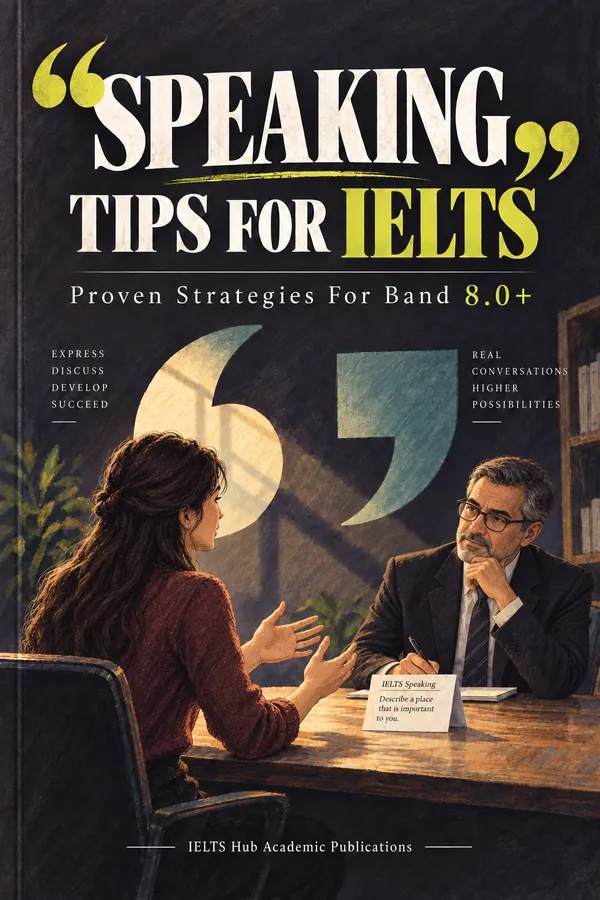
Speaking
Speaking Tips for IELTS
Proven Strategies for Band 8.0+
₹299$9.99CAD 13.99AUD 14.99£7.99NZD 16.99€8.99AED 39SGD 12.99
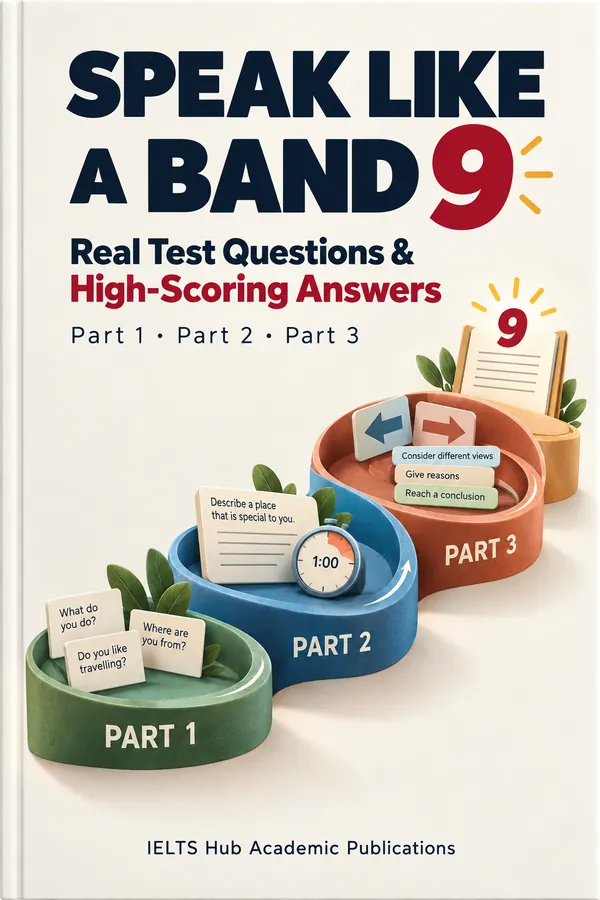
Speaking
Speak Like a Band 9
Real Test Questions & High-Scoring Answers
₹299$9.99CAD 13.99AUD 14.99£7.99NZD 16.99€8.99AED 39SGD 12.99
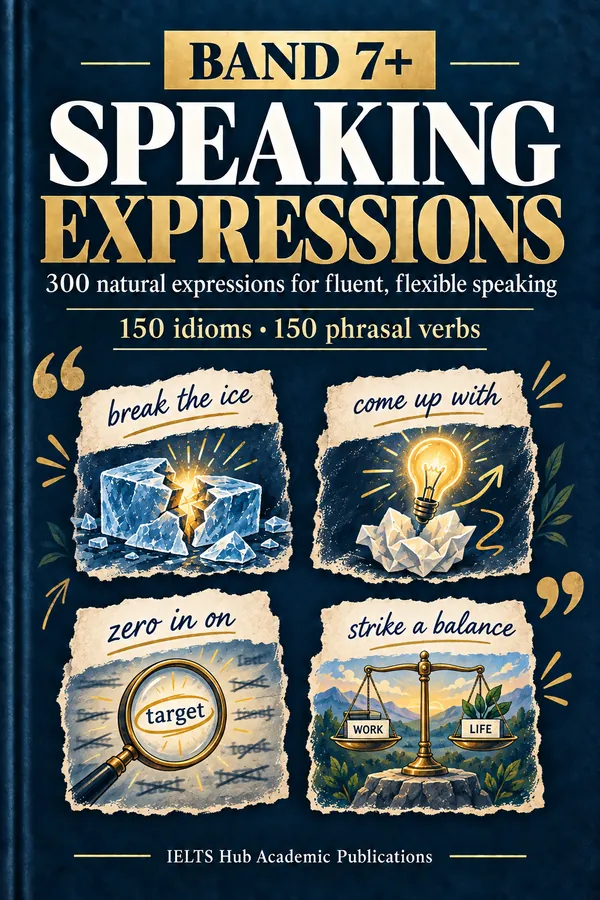
Speaking
Band 7+ Speaking Expressions
300 natural expressions for fluent, flexible speaking
₹199$6.99CAD 8.99AUD 9.99£4.99NZD 10.99€5.99AED 24SGD 8.99