Speaking test #521
Part 1 · Interview
4 to 5 minutes. The examiner asks about you and familiar topics.
Can you tell me your full name?
Where are you from?
Do you work or are you a student?
How do you feel about birds? [Why?
?] I absolutely adore birds! Their vibrant colors and unique songs always bring a smile to my face. Plus, it's amazing to see the different adaptations and behaviors they exhibit in their natural habitats.
Have you seen many kinds of birds?
Yes, I've been fortunate enough to observe a wide variety of birds in my travels. From the majestic bald eagle in the United States to the colorful parrots of South America, it's always a treat to spot a new species.
How do people in your country feel about birds?
In India, birds hold a special place in our culture and traditions. Many people keep bird feeders in their gardens to attract a variety of species, and it's not uncommon to see people taking early morning walks to watch and photograph the birds.
Do any birds have any particular significance in your country?
Absolutely! The peacock is the national bird of India and is revered for its beauty and grace. In Hindu mythology, the god Krishna is often depicted with a peacock feather in his headband, symbolizing his vanity and pride.
Did you save money when you were young?
Yes, I did save money when I was young. I have always had a strong sense of financial responsibility and understood the importance of saving money for the future. I remember putting away a portion of my allowance every week into a piggy bank, and as I got older, I opened a savings account at the bank.
Do parents give children pocket money in your culture (India)?
Yes, parents in India do give children pocket money. It is common for parents to give their children a small allowance to manage their expenses, such as buying snacks or going to the movies with friends. It is also a way for parents to teach their children about budgeting and managing money.
What kinds of things do people save money for?
People save money for a variety of things, such as buying a new car or house, paying for education, going on vacation, or saving for retirement. Some people also save money for emergencies or unexpected expenses. Ultimately, it depends on each person's financial goals and priorities.
Why do you think some people cannot save money?
I believe that some people cannot save money due to a lack of financial literacy or discipline. They may struggle with budgeting and managing their expenses, or they may have a tendency to overspend or live beyond their means. Additionally, some people may have financial constraints such as low income or high debt, which can make it difficult to save money. However, with the right mindset and tools, anyone can learn to save money and achieve their financial goals.
You will have to talk about the topic for one to two minutes. You have one minute to think about what you are going to say. You can make some notes to help you if you wish.
When you made a promise to someone
You should say:
- Who you made the promise to
- What the promise was about
- How you fulfilled the promise
- The impact of fulfilling the promise
Who you made the promise to
In the bustling city of Mumbai, I made a promise to my grandmother, who holds a special place in my heart and has been a guiding light throughout my life. The promise was about regularly visiting her at least once a week despite my busy schedule as a university student. I assured her that I would make time to spend quality moments with her, knowing how much it meant to her.
What the promise was about
To fulfill this promise, I meticulously planned my weekly schedule, setting aside a few hours every Sunday exclusively for my grandmother. Despite the challenges of balancing academics, extracurricular activities, and a part-time job, I always prioritized our time together. Whether we spent the afternoon chatting over a cup of tea or taking a leisurely walk in the park, those moments became treasured memories for both of us.
How you fulfilled the promise
The impact of fulfilling this promise was profound, not only strengthening the bond between my grandmother and me but also enriching my own life. Our conversations became a source of wisdom and comfort for me, and her joy and happiness were palpable during our weekly meetings. Moreover, I learned the value of honoring commitments and the importance of cherishing relationships with loved ones.
The impact of fulfilling the promise
In retrospect, fulfilling my promise to my grandmother brought us closer together and taught me invaluable lessons about the significance of keeping one's word and nurturing meaningful connections. It was a fulfilling experience that underscored the essence of family bonds and the joy that comes from fulfilling promises made with sincerity and love.
- Words
- 254
- Sentences
- 11
- Words per sentence
- 23.1
- Speaking time
- about 2.0 min
Counted at 130 words a minute. The exam gives you one to two minutes.
Part 3 · Discussion
4 to 5 minutes. The examiner asks broader questions linked to the cue card topic.
How can the importance of keeping promises change in different cultures?
The significance of keeping promises can vary widely across cultures, reflecting different values and traditions. In some cultures, such as those with a strong emphasis on community and familial bonds, keeping a promise is seen as a matter of honor and integrity. For instance, in many Asian cultures, breaking a promise can lead to a loss of face, which is a serious social stigma. On the other hand, in more individualistic societies, while promises are still important, there might be a greater focus on personal circumstances and flexibility, which can sometimes lead to a more casual approach to promises. Overall, understanding these cultural nuances can greatly enhance our interpersonal relationships and foster deeper connections with people from diverse backgrounds.
How much do you think people should be responsible for not keeping their promises?
I believe that accountability for keeping promises is a crucial aspect of personal integrity and social relationships. When individuals fail to keep their commitments, it can lead to a significant erosion of trust, which is the foundation of any relationship, whether personal or professional. In many cases, people are held accountable through social norms and expectations; for instance, friends may distance themselves from someone who consistently breaks promises, which can be a powerful motivator for change. However, the extent of this accountability can vary based on the context and the nature of the promise. Ultimately, maintaining one's word isn’t just about avoiding consequences; it reflects a person's character and can profoundly influence their reputation in both personal circles and the workplace.
How do promises help to create trust in relationships?
Promises are absolutely fundamental in establishing and nurturing trust within relationships. When someone makes a promise, it’s essentially a commitment that signals their reliability and integrity. This process of keeping promises fosters a sense of security and confidence, allowing individuals to feel safe in their interactions. Moreover, when promises are consistently upheld, they create a deep sense of mutual respect and understanding, which is crucial for any relationship to thrive. On the flip side, breaking promises can lead to feelings of betrayal and disappointment, which can severely undermine trust. Overall, the act of promising and delivering on those promises is a powerful way to strengthen the bonds between people.
Why do some people struggle to keep their promises?
There are several reasons why some individuals struggle to uphold their promises. Firstly, life can be incredibly unpredictable, and unforeseen circumstances often arise that make it challenging to follow through on commitments. Additionally, some people may overestimate their capacity to manage their time and responsibilities, leading them to make promises they ultimately can’t keep. It’s also worth noting that social pressure can play a significant role; individuals may feel compelled to agree to things to avoid disappointing others, even if they’re not entirely on board. Ultimately, while intentions may be good, the reality of our busy lives can sometimes lead to a failure to meet expectations.
How could the way we see promises change in the future as technology grows?
That's a fascinating question! As technology continues to evolve, I believe the nature of promises will undergo significant transformation. For instance, with the advent of blockchain and smart contracts, promises can become much more transparent and enforceable, which could enhance trust between parties. People may start to view promises not just as verbal commitments but as digitally verified agreements that carry tangible consequences. On the flip side, there's a risk that the ease of making promises online could lead to a more casual attitude towards commitments, making them seem less meaningful. Overall, I think the future will see a blend of both increased accountability and potential dilution of the true value of a promise.
What steps can be taken to help people keep their promises more often?
To encourage individuals to honor their commitments more consistently, a multifaceted approach is essential. First and foremost, fostering a culture of accountability can significantly influence behavior; when people know they are being held accountable, they are more likely to follow through. Additionally, setting clear and achievable goals can help individuals understand what is expected of them, making it easier to stick to their commitments. Moreover, offering positive reinforcement can work wonders; recognizing and rewarding those who meet their commitments can create a motivating environment. Finally, promoting open communication is crucial; when individuals feel comfortable discussing their challenges, they are more likely to seek support rather than abandon their commitments. By implementing these strategies, we can cultivate a society where honoring commitments becomes the norm rather than the exception.
Go further with the books
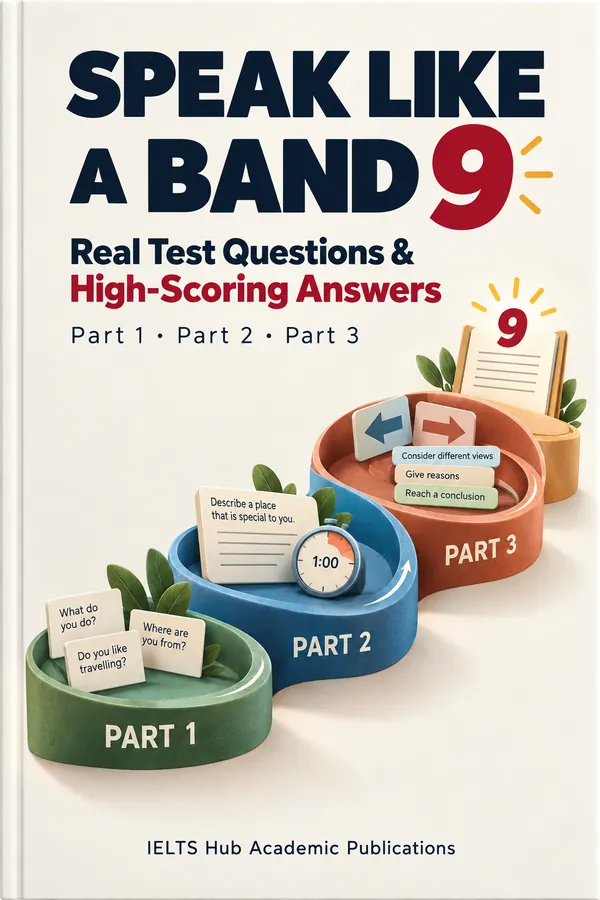
Speaking
Speak Like a Band 9
Real Test Questions & High-Scoring Answers
₹299$9.99CAD 13.99AUD 14.99£7.99NZD 16.99€8.99AED 39SGD 12.99

Speaking
Band 7+ Speaking Expressions
300 natural expressions for fluent, flexible speaking
₹199$6.99CAD 8.99AUD 9.99£4.99NZD 10.99€5.99AED 24SGD 8.99
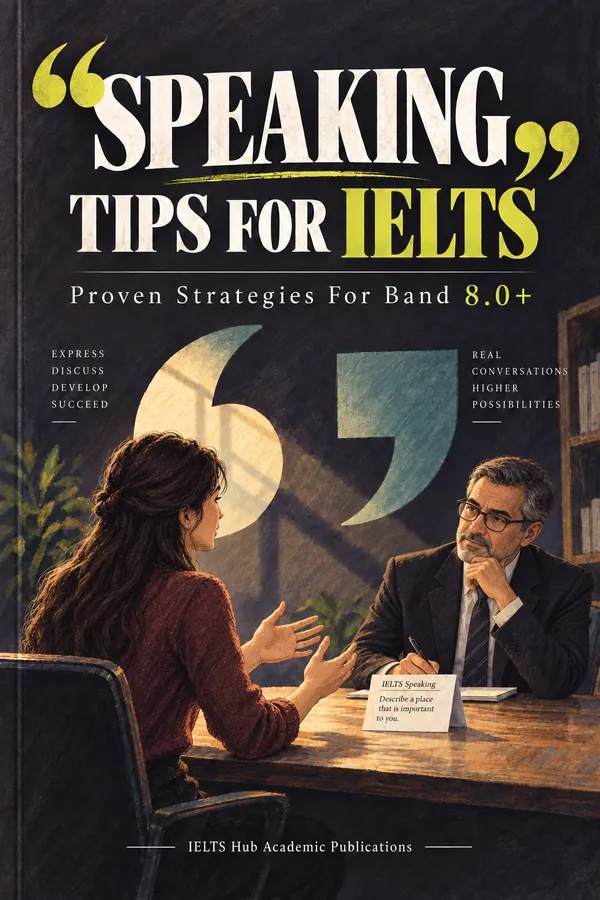
Speaking
Speaking Tips for IELTS
Proven Strategies for Band 8.0+
₹299$9.99CAD 13.99AUD 14.99£7.99NZD 16.99€8.99AED 39SGD 12.99