Speaking test #532
Part 1 · Interview
4 to 5 minutes. The examiner asks about you and familiar topics.
Can you tell me your full name?
Where are you from?
Do you work or are you a student?
In your country, do people use boats?
Yes, in my country, people definitely use boats. It's a popular pastime, especially during the warmer months.
What do they use boats for?
People use boats for all sorts of things, such as fishing, leisurely cruising, or water sports like wakeboarding or water skiing. It really just depends on the individual's personal interests.
Would you like to own a boat?
I must admit, I've always been fascinated by the idea of owning a boat. There's just something so peaceful and exhilarating about being out on the water. So yes, I would definitely like to own a boat someday.
Would you shop online or in a store for a boat?
Well, it really depends on the size and type of boat I was looking for. If it was something small and simple, I might be more inclined to shop online. But if it was a larger, more complex purchase, I would probably prefer to go to a store to see the boat in person and ask questions of a salesperson.
Do you enjoy watching sport on TV? [Why/Why not?
?] Absolutely! I am a huge sports fan and watching my favorite teams and players compete on TV is always an exciting experience for me. I love the energy and intensity of the games, and the thrill of watching a close match come down to the final minutes is always exhilarating. Plus, watching on TV allows me to see the best teams and players from around the world, which is something I wouldn't be able to do if I only watched live events. 2. Have you ever been to watch a live sports event [e.g. **in a stadium]?[Why/Why not**?] Yes, I have been to several live sports events in my life. I've been to football, basketball, and baseball games in stadiums, and it's always an incredible experience. Seeing the players up close, feeling the energy of the crowd, and experiencing the atmosphere of the stadium is something that can't be replicated on TV. I'm a huge fan of live events because it makes me feel like a part of the action and it's an amazing way to connect with other sports fans.
Is there a sports event you might like to watch in the future? [Why/Why not?
?] I would love to watch the World Cup final in person one day. Football is my favorite sport and the World Cup is the biggest tournament in the world, so to see it live would be a dream come true. The atmosphere and the passion of the fans is something that I've always wanted to experience, and I think it would be an unforgettable moment. I would love to see the best players from around the world compete on the biggest stage, and being there in person would be something truly special.
Do you think it's more enjoyable to watch sports alone or with other people? [Why/Why not?
?] I think it's more enjoyable to watch sports with other people. Watching sports is always a social experience for me, and I love discussing the games and the players with my friends and family. Having someone to share the excitement and the disappointment with makes the experience even more enjoyable. Plus, it's always more fun to have someone to cheer and celebrate with when your team wins. Overall, I think watching sports with others is a great way to bond and create memories.
You will have to talk about the topic for one to two minutes. You have one minute to think about what you are going to say. You can make some notes to help you if you wish.
First time you used a foreign language
You should say:
- Where and when you used the foreign language
- Which language you used
- What you said in the foreign language
- How you felt about using the foreign language
Where and when you used the foreign language
The first time I used a foreign language was during a trip to Paris, France, a couple of years ago. It was a beautiful spring afternoon when I found myself in a quaint cafe in the heart of the city. The waiter approached me and started speaking in French, assuming I was a local. Feeling a mix of excitement and nervousness, I decided to give it a try and respond in French.
Which language you used
The foreign language I used for the first time was French. When the waiter asked me what I would like to order, I hesitantly replied in French, "Je voudrais un croissant et un café, s'il vous plaît." I was thrilled to see the surprise on his face as he realized that I was not a native French speaker. This simple interaction boosted my confidence in using a new language.
What you said in the foreign language
Using French for the first time was a memorable experience for me. Despite feeling a bit anxious at the beginning, I soon embraced the challenge and enjoyed communicating in a different language. It felt like I had unlocked a new skill and a door to a whole new world of possibilities. The sense of accomplishment and connection that came with using French for the first time was truly rewarding.
How you felt about using the foreign language
Overall, my first experience of using a foreign language was both challenging and exhilarating. It opened my eyes to the beauty of cross-cultural communication and inspired me to continue learning and exploring different languages. I realized that language is not just a tool for communication but also a bridge that can connect people from diverse backgrounds. This experience in Paris remains etched in my memory as a significant milestone in my language learning journey.
- Words
- 285
- Sentences
- 15
- Words per sentence
- 19.0
- Speaking time
- about 2.2 min
Counted at 130 words a minute. The exam gives you one to two minutes.
Part 3 · Discussion
4 to 5 minutes. The examiner asks broader questions linked to the cue card topic.
How is using a foreign language for the first time different for adults compared to children?
Using a foreign language for the first time can be a fascinating experience, and it does tend to vary quite a bit between adults and children. For children, it often feels like a playful adventure; they approach new sounds and structures with a natural curiosity and a sense of wonder. Their brains are incredibly adaptable, allowing them to pick up pronunciation and vocabulary with remarkable ease. On the other hand, adults might experience a mix of excitement and apprehension. They often carry the weight of self-consciousness and fear of making mistakes, which can hinder their ability to fully engage with the language. However, this also means that when adults do overcome these hurdles, the sense of accomplishment can be profoundly rewarding.
How much do you think learning another language can affect someone's understanding of different cultures?
Learning a foreign language can profoundly enhance a person's cultural understanding, often more than one might initially realize. When you dive into a new language, you're not just memorizing vocabulary; you're also uncovering the nuances and subtleties of a different culture. For instance, idiomatic expressions often reflect cultural values and societal norms, which can provide insights into how people think and behave. Moreover, engaging with native speakers can foster a sense of empathy and appreciation for their perspectives, enriching one's worldview. In essence, the act of learning a language becomes a gateway to broader horizons, allowing individuals to connect with others on a deeper level.
How does knowing a foreign language affect a person's job chances?
The ability to speak a foreign language can significantly enhance an individual's career opportunities. In today’s globalized world, companies are increasingly seeking employees who can communicate with clients and partners across borders. Being bilingual or multilingual not only opens up diverse job prospects but also allows individuals to access a wider network of professional connections. Moreover, it demonstrates cultural awareness and adaptability, traits that are highly valued in the workplace. Ultimately, mastering a foreign language can be a game-changer, giving candidates a distinct edge in competitive job markets.
Why do you think some people find it easier to learn other languages than others do?
It's fascinating how language acquisition varies from person to person! I believe several factors contribute to this disparity. For some, an inherent linguistic aptitude makes grasping new languages a breeze; they can easily pick up on sounds and structures. Additionally, those who have had exposure to multiple languages from a young age often develop a more flexible approach to learning, which can significantly enhance their ability. Finally, motivation plays a crucial role—people who are genuinely interested in a culture or who have a practical need for a language tend to invest more effort, making the learning process feel more natural and enjoyable.
What shifts could happen in how people learn languages over the next ten years?
In the next decade, I envision several exciting changes in language learning trends. For starters, the integration of technology will become even more pronounced, with cutting-edge tools like virtual reality and AI-driven applications providing immersive experiences. This means learners could practice conversations in realistic settings without leaving their homes! Additionally, I believe there will be a shift towards personalized learning pathways, where individuals can tailor their study plans to suit their specific interests and goals. Lastly, as globalization continues to intertwine cultures, we might see a rise in the popularity of less commonly taught languages, as people seek to connect with diverse communities around the world. Overall, the future of language learning looks incredibly promising!
What steps can schools take to get students to use foreign languages more often?
Educational institutions can adopt a variety of strategies to promote the use of foreign languages among students, which is essential in our increasingly interconnected world. Firstly, they could implement immersive language programs that allow students to engage with the language in real-life contexts, perhaps through study abroad opportunities or exchange programs. Secondly, schools could organize language clubs or conversation partners, where students can practice speaking with peers in a relaxed environment, fostering a sense of community and shared learning. Additionally, incorporating technology, such as language-learning apps or online platforms, can make the process more engaging and accessible. Finally, hosting cultural events that showcase different languages through music, food, and traditions can spark interest and motivate students to practice their language skills more frequently.
Go further with the books

Speaking
Band 7+ Speaking Expressions
300 natural expressions for fluent, flexible speaking
₹199$6.99CAD 8.99AUD 9.99£4.99NZD 10.99€5.99AED 24SGD 8.99
Speaking
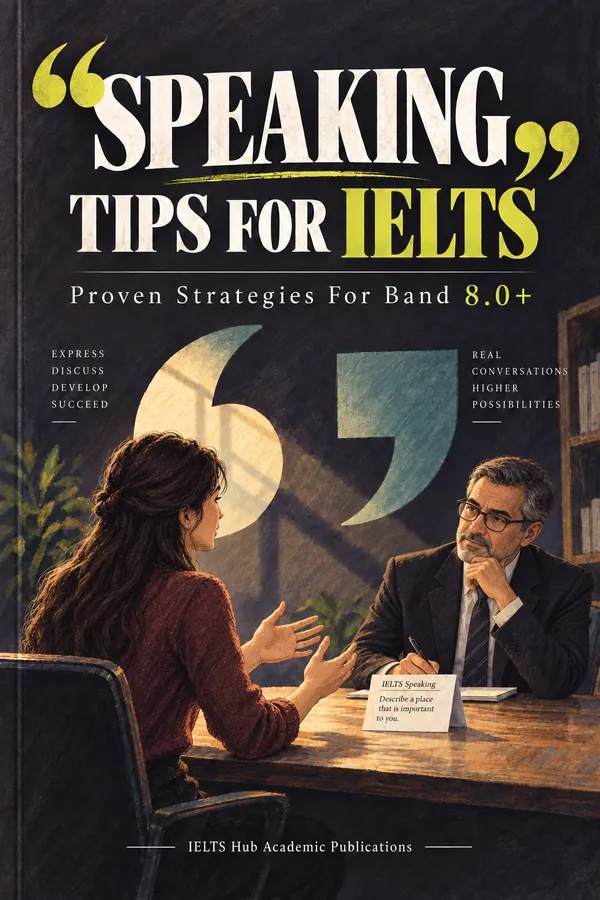
Speaking Tips for IELTS
Proven Strategies for Band 8.0+
₹299$9.99CAD 13.99AUD 14.99£7.99NZD 16.99€8.99AED 39SGD 12.99
Speaking
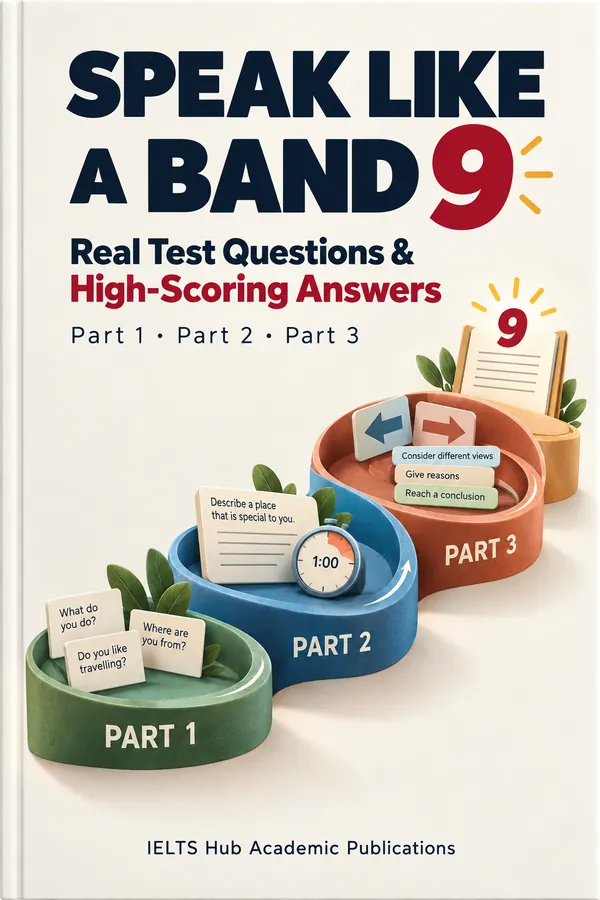
Speak Like a Band 9
Real Test Questions & High-Scoring Answers
₹299$9.99CAD 13.99AUD 14.99£7.99NZD 16.99€8.99AED 39SGD 12.99