Speaking test #536
Part 1 · Interview
4 to 5 minutes. The examiner asks about you and familiar topics.
Can you tell me your full name?
Where are you from?
Do you work or are you a student?
Do you like wearing sunglasses?
I absolutely adore wearing sunglasses. Not only do they protect my eyes from harmful UV rays, but they also add a certain level of sophistication and style to any outfit.
What types of sunglasses do you have?
I have quite a diverse collection of sunglasses, ranging from classic aviators to trendy cat-eye frames. I also have a pair of polarized lenses for when I'm engaging in outdoor activities such as hiking or fishing.
Where can you buy sunglasses?
Sunglasses can be purchased from a variety of places, including department stores, optometrist offices, and online retailers. I personally prefer to buy my sunglasses from high-end designer stores or specialty eyewear boutiques, as I believe the quality and craftsmanship of the frames are superior.
Do people in your country wear sunglasses?
Yes, people in my country definitely wear sunglasses. In fact, it's quite common to see individuals sporting a pair of shades, particularly during the summer months when the sun is at its strongest. Additionally, many individuals wear sunglasses year-round as a fashion accessory.
You will have to talk about the topic for one to two minutes. You have one minute to think about what you are going to say. You can make some notes to help you if you wish.
Describe a decision made by someone you know
You should say:
- Who made the decision
- What the decision was
- How the decision was made
- The outcome of the decision
Who made the decision
In my family, my grandmother made a significant decision that had a profound impact on our lives. The decision she made was to sell her ancestral home and move to a smaller apartment in a different city. This decision was not an easy one for her as she had deep emotional attachments to the house where she had spent most of her life.
What the decision was
The decision-making process involved thorough deliberation and consultation with family members. My grandmother considered various factors such as her age, health condition, financial stability, and the practicality of maintaining a large house on her own. She sought advice from her children and grandchildren, weighing their opinions before arriving at a final decision. It took her several months to come to terms with the idea of leaving behind the memories associated with the ancestral home.
How the decision was made
Ultimately, the outcome of her decision was overwhelmingly positive. Moving to a smaller apartment not only eased the burden of maintenance but also brought her closer to her children and grandchildren who lived in the same city. The decision led to improved family bonding and allowed her to live a more comfortable and convenient life. Despite initial apprehensions, my grandmother's decision turned out to be a wise choice that enhanced her quality of life in her later years.
The outcome of the decision
In conclusion, my grandmother's decision to sell her ancestral home and move to a smaller apartment stands out as a pivotal moment in our family's history. Her thoughtful and strategic approach to decision-making, considering various perspectives and weighing the pros and cons, exemplifies her wisdom and foresight. The positive outcome of her decision not only improved her living situation but also strengthened familial ties, leaving a lasting impact on all of us.
- Words
- 287
- Sentences
- 14
- Words per sentence
- 20.5
- Speaking time
- about 2.2 min
Counted at 130 words a minute. The exam gives you one to two minutes.
Part 3 · Discussion
4 to 5 minutes. The examiner asks broader questions linked to the cue card topic.
How can the choices people make in their personal lives be different from those they make at work?
That's a fascinating question! Decisions made in personal life often stem from emotional connections and individual values, whereas those made in professional settings usually rely on objective criteria and organizational goals. For instance, when choosing a partner or making a family decision, personal feelings and relationships play a pivotal role. In contrast, at work, decisions are often influenced by factors such as profitability, team dynamics, and overall productivity. Furthermore, the stakes can feel much higher in a professional environment, as one wrong move could impact not just the individual, but the entire organization. So, while both areas involve decision-making, the context and implications can be quite different!
Some people think personal choices are usually more about feelings than work ones. What do you think about that?
That's a really fascinating question! I think it's true that personal decisions can be heavily influenced by emotions, given that they often involve our loved ones or our own well-being. For instance, choosing a partner or deciding where to live can be driven by feelings like love or nostalgia, which can cloud our judgment. On the other hand, professional decisions, while they can also be emotional, tend to be more analytical and structured, as they often require us to consider the implications for our careers or finances. Ultimately, I believe the context matters; in personal matters, we might prioritize happiness and fulfillment, while in our professional lives, we often lean towards logic and practicality. But the interplay between emotion and reason is what makes both types of decisions so intriguing!
How important do you think a thoughtful decision is for a person's life path?
I believe the impact of a well-considered decision on a person's life trajectory is immensely significant. When we take the time to weigh our options and reflect on potential outcomes, it can lead to life-changing opportunities. For instance, choosing the right career path or educational pursuit can open doors that we never even imagined possible. Conversely, a hasty decision might steer us away from our true passions or potential. Ultimately, those thoughtful choices can shape not only our professional lives but also our personal fulfillment, which is equally important.
Why do you think people often find it hard to decide, even when they have enough facts?
That's a fascinating question! I believe one of the main reasons people struggle with decision-making, even when they are well-informed, is the fear of making the wrong choice. This fear can be paralyzing, especially when they consider the potential consequences of their decisions. Additionally, the overwhelming number of options available today can lead to a phenomenon known as "analysis paralysis," where individuals feel so burdened by choices that they find it hard to commit to any. Moreover, societal pressures and the desire to meet expectations can further complicate the process, as people often worry about how their decisions will be perceived by others. Ultimately, it’s a complex interplay of psychology and social dynamics that can make even the simplest decisions seem daunting.
What changes do you expect in how decisions are made as technology keeps improving?
As technology continues to evolve, I envision a significant shift in decision-making processes driven by data analytics and artificial intelligence. For instance, businesses will increasingly rely on real-time data to make informed choices, allowing them to respond more swiftly to market changes. Moreover, the integration of AI could lead to more accurate predictions of consumer behavior, which would streamline the decision-making process even further. However, while technology will enhance efficiency, I believe that human intuition and ethical considerations will still play a crucial role in ensuring that decisions are not solely data-driven. Ultimately, the future of decision-making will likely see a harmonious blend of technology and human insight, fostering a more balanced approach.
What methods can a person use to get better at making choices in daily life?
To enhance decision-making skills in everyday situations, individuals can adopt several effective strategies. First and foremost, gathering information before making a choice is crucial; this means weighing the pros and cons and considering various perspectives. Additionally, practicing mindfulness can help individuals stay present and focused, allowing for clearer thinking when faced with choices. Another valuable approach is to seek feedback from others, as this can provide new insights and help refine one’s judgment. Lastly, it’s important to reflect on past decisions—analyzing what went well and what didn’t can foster a greater understanding of one’s decision-making process and lead to more informed choices in the future.
Go further with the books
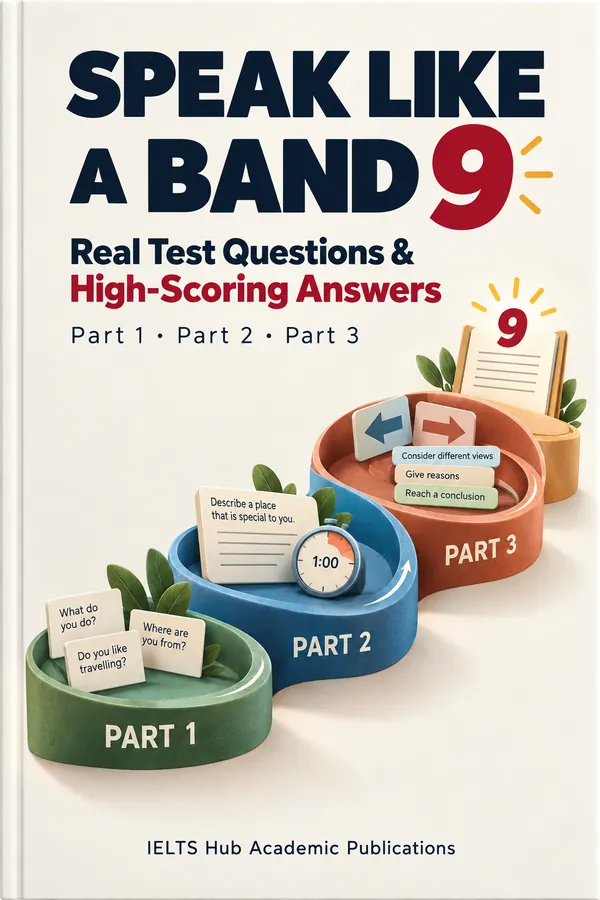
Speaking
Speak Like a Band 9
Real Test Questions & High-Scoring Answers
₹299$9.99CAD 13.99AUD 14.99£7.99NZD 16.99€8.99AED 39SGD 12.99
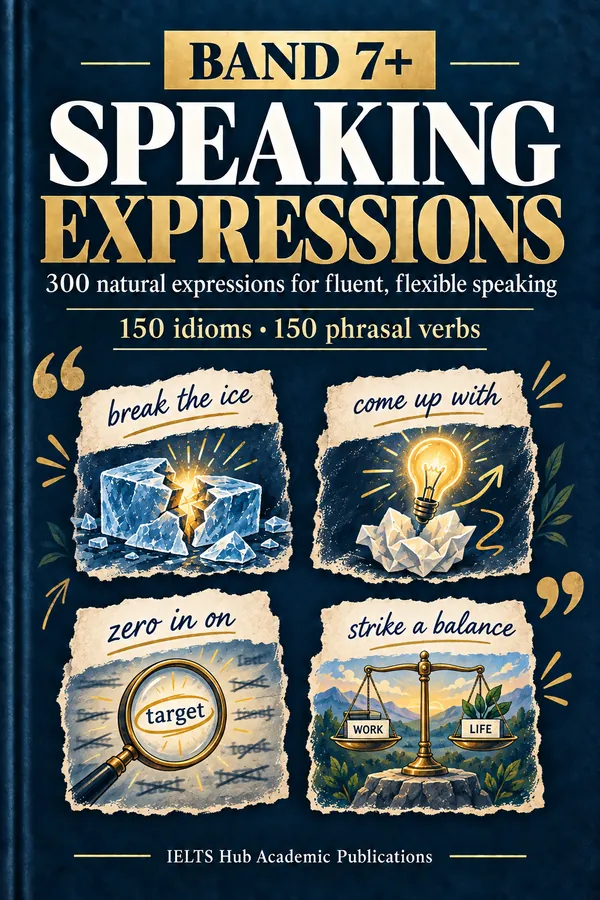
Speaking
Band 7+ Speaking Expressions
300 natural expressions for fluent, flexible speaking
₹199$6.99CAD 8.99AUD 9.99£4.99NZD 10.99€5.99AED 24SGD 8.99
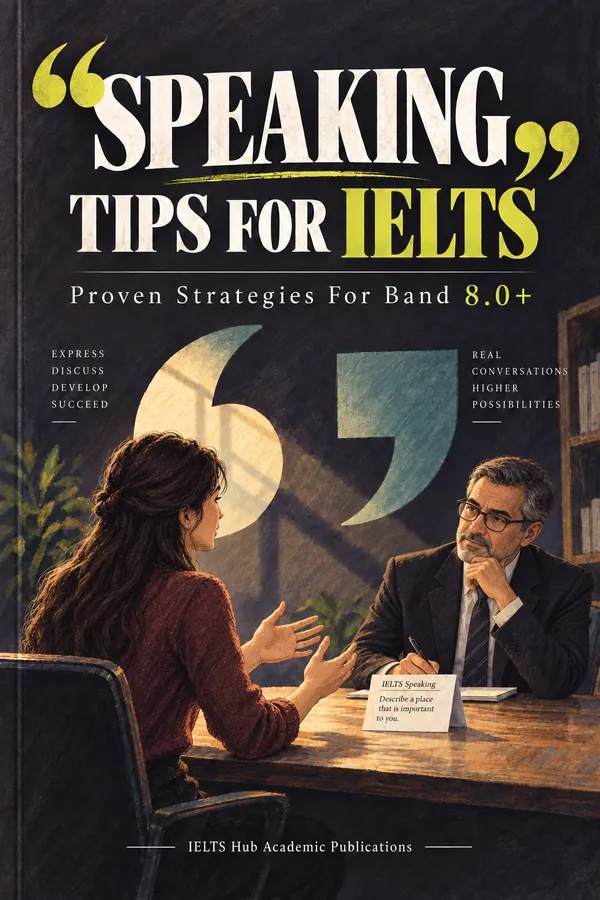
Speaking
Speaking Tips for IELTS
Proven Strategies for Band 8.0+
₹299$9.99CAD 13.99AUD 14.99£7.99NZD 16.99€8.99AED 39SGD 12.99