Speaking test #539
Part 1 · Interview
4 to 5 minutes. The examiner asks about you and familiar topics.
Can you tell me your full name?
Where are you from?
Do you work or are you a student?
Who was your favorite teacher when you were young?
My favorite teacher when I was young was my primary school English teacher, Mrs. Smith. She was incredibly kind and patient, and always made an effort to connect with each of her students on a personal level. She was also an excellent communicator and was able to make learning fun and interactive. I will always be grateful for her guidance and support, as she played a significant role in my development as a writer and a reader. Q
Would you want to be a teacher in the future?
I would definitely consider becoming a teacher in the future. I have always been drawn to the idea of being able to inspire and guide young minds, and I believe that teaching is a noble and rewarding profession. Additionally, I am passionate about education and would enjoy the opportunity to work with students on a daily basis. Q
Have you ever had bad teachers before?
Yes, I have had bad teachers before. Unfortunately, I have had a few teachers who were disinterested, unorganized, and unapproachable. They were not able to create a positive learning environment, and as a result, I found it difficult to engage with the material and to stay motivated. However, I believe that these experiences have also taught me the importance of finding a teacher who is able to inspire and guide me.
What electronic devices have you bought lately?
Recently, I've purchased a new laptop and a smartwatch. I needed a new laptop for work and school, and I decided to treat myself to a smartwatch as a reward for all the hard work I've been putting in.
Is technology important in your life?
Absolutely, technology plays a vital role in my daily life. From communication to entertainment, it has made everything more convenient and accessible. Additionally, it has also made it easier for me to stay organized and manage my time more effectively.
Which do you use more often, computers or cell phones?
I would say that I use my cell phone more often than my computer. With the constant advancements in technology, my phone has become a one-stop-shop for all my needs. From checking emails to social media, it's always by my side.
Are there any technological devices you want to buy?
Yes, I have been considering purchasing a smart home assistant for a while now. I think it would be incredibly convenient to be able to control various aspects of my home with just my voice. Additionally, I've also been thinking about getting a virtual reality headset. I think it would be a fun and immersive way to experience different worlds and scenarios.
You will have to talk about the topic for one to two minutes. You have one minute to think about what you are going to say. You can make some notes to help you if you wish.
Describe a person who has apologized to you
You should say:
- Who the person was
- What they apologized for
- How they apologized
- How you felt about the apology
Who the person was
The person who apologized to me was my close friend, Ramesh, whom I have known since childhood. He apologized for forgetting my birthday last year, which left me feeling disappointed at the time. Ramesh approached me one day with a sincere expression on his face and admitted his mistake. He took full responsibility for forgetting such an important day and expressed genuine remorse.
What they apologized for
I remember that Ramesh's apology was heartfelt and sincere. He didn't try to make excuses or shift the blame. Instead, he acknowledged his fault and genuinely sought forgiveness. Ramesh's apology was accompanied by a small gift as a token of his apology, which further demonstrated his sincerity and effort to make amends for his mistake.
How they apologized
Initially, I was upset and disappointed when Ramesh forgot my birthday. However, his sincere apology and efforts to make things right truly touched me. I appreciated his honesty and humility in admitting his mistake and seeking forgiveness. His apology not only repaired our friendship but also strengthened our bond as I felt valued and respected by his gesture.
How you felt about the apology
In conclusion, Ramesh's heartfelt apology for forgetting my birthday was a significant moment that highlighted the importance of acknowledging mistakes and taking responsibility for them. His sincere approach and genuine remorse not only repaired our relationship but also deepened our friendship. I learned the value of forgiveness and understanding from this experience, making our bond stronger than before.
- Words
- 234
- Sentences
- 15
- Words per sentence
- 15.6
- Speaking time
- about 1.8 min
Counted at 130 words a minute. The exam gives you one to two minutes.
Part 3 · Discussion
4 to 5 minutes. The examiner asks broader questions linked to the cue card topic.
How do people show regret in different cultures?
That's an intriguing question! People across different cultures have unique ways of expressing remorse, often influenced by their social norms and values. For instance, in some cultures, a direct apology is considered essential, while in others, a more subtle approach, like non-verbal cues or acts of kindness, may be favored. Additionally, the concept of restorative justice plays a significant role in many societies, where individuals seek to amend relationships rather than just verbalize regret. It’s fascinating to see how a simple expression of remorse can carry different weights and implications depending on cultural context, highlighting the diversity of human interaction!
How important is it for people to say sorry after doing something wrong?
Apologizing after making a mistake is incredibly important, both for personal integrity and for maintaining relationships. When someone acknowledges their error, it demonstrates a sense of responsibility and accountability, which can significantly strengthen interpersonal bonds. Moreover, a sincere apology can act as a form of healing, allowing both parties to move forward and rebuild trust. In essence, while it may not always be easy to admit fault, doing so often leads to more positive outcomes in the long run. Ultimately, taking that step can reflect one's character and commitment to fostering healthy communication.
How does saying sorry help keep personal relationships strong?
An apology plays a pivotal role in maintaining personal relationships, as it serves as a bridge to mend emotional rifts. When someone acknowledges their mistakes and offers a sincere apology, it demonstrates a level of emotional intelligence and respect for the other person's feelings. This act not only helps to rebuild trust but also fosters open communication, allowing both parties to express their thoughts and feelings more freely. Moreover, a genuine apology can pave the way for healing, promoting a deeper understanding and connection between individuals. In essence, it’s a vital tool for conflict resolution that can strengthen relationships in the long run.
Why do you think some people have a hard time saying sorry?
I think there are several reasons why some individuals find it challenging to apologize. For many, it can stem from a sense of pride or stubbornness; admitting fault often feels like a blow to their self-esteem. Additionally, some people may fear the repercussions of an apology, worrying that it could lead to further conflict or vulnerability. Cultural factors also play a significant role, as in some societies, the act of apologizing might be seen as a sign of weakness rather than strength. Ultimately, it’s a complex interplay of personal values and social norms that makes the simple act of saying "I'm sorry" so difficult for some.
How could the idea of an apology change in the future?
The concept of an apology is likely to undergo significant changes in the future, especially with the rise of technology and social media. As communication becomes increasingly digital, we might see more creative forms of apologies, such as video messages or even virtual reality experiences that provide a more immersive way to express regret. Additionally, apologies may become more standardized, with people relying on templates or even AI-generated phrases, which could lead to a more superficial exchange of feelings. On the flip side, this evolution could also encourage more accountability, as public apologies on digital platforms can reach a wider audience, compelling individuals to take their words more seriously. Ultimately, while the medium may change, the essence of a heartfelt apology—acknowledgment of wrongdoing and a desire to make amends—will remain crucial.
How can we motivate people to own up to their actions?
To encourage people to take responsibility for their actions, a multifaceted approach could be really effective. Firstly, incorporating educational programs in schools that emphasize the importance of accountability from a young age can lay a solid foundation. Additionally, fostering an environment where open dialogue is encouraged can help individuals feel more comfortable acknowledging their mistakes. Communities could also implement awareness campaigns that highlight the positive impacts of taking responsibility, showcasing real-life examples of individuals who have turned their lives around by owning their choices. Ultimately, when people see the tangible benefits of accountability, it can motivate them to embrace it wholeheartedly.
Go further with the books
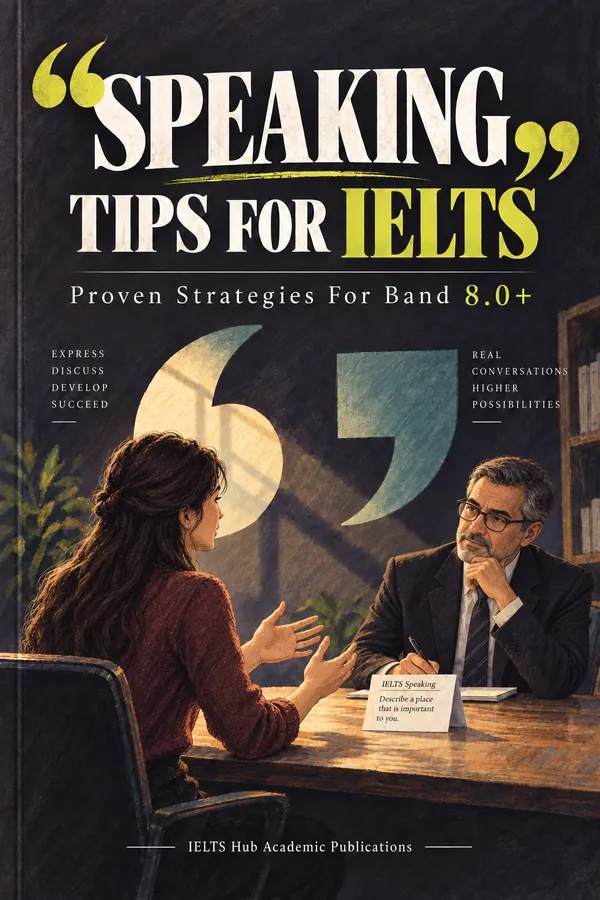
Speaking
Speaking Tips for IELTS
Proven Strategies for Band 8.0+
₹299$9.99CAD 13.99AUD 14.99£7.99NZD 16.99€8.99AED 39SGD 12.99
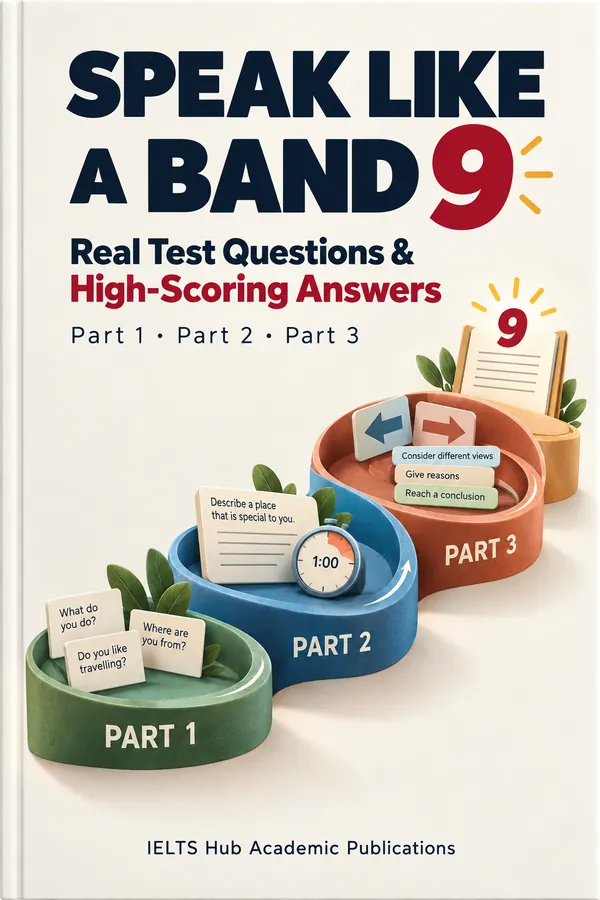
Speaking
Speak Like a Band 9
Real Test Questions & High-Scoring Answers
₹299$9.99CAD 13.99AUD 14.99£7.99NZD 16.99€8.99AED 39SGD 12.99

Speaking
Band 7+ Speaking Expressions
300 natural expressions for fluent, flexible speaking
₹199$6.99CAD 8.99AUD 9.99£4.99NZD 10.99€5.99AED 24SGD 8.99