Speaking test #540
Part 1 · Interview
4 to 5 minutes. The examiner asks about you and familiar topics.
Can you tell me your full name?
Where are you from?
Do you work or are you a student?
Do you like to spend time with teenagers?
I enjoy spending time with teenagers, as they often have a unique perspective on life and are full of energy and curiosity. I find that engaging in conversations and activities with them can be quite invigorating and enlightening.
Do you know anything about the kind of fashion that teenagers like?
Yes, I am quite familiar with the current fashion trends among teenagers. I notice that many teens prefer a more casual, streetwear style, often incorporating bold colors and patterns into their outfits. They also tend to be quite conscious of sustainability and ethical fashion choices.
What are the best things about being a teenager?
I believe that the best thing about being a teenager is the sense of freedom and independence that comes with it. This is a time when individuals are starting to form their own identities and make their own decisions, and it can be quite exciting to explore different interests and passions. Additionally, teenagers have a unique ability to view the world with fresh eyes and see things in a new light.
How do teenagers in your country (India) entertain themselves?
Teenagers in India have a wide variety of ways to entertain themselves. Many enjoy hanging out with friends and participating in sports or other outdoor activities. There is also a strong interest in music and dance, and it is common to see teens participating in music or dance classes or performing in local shows. Additionally, with the rise of technology and social media, many teenagers in India spend time online and on their smartphones, connecting with friends and exploring new content.
How often do you make telephone calls?
I make telephone calls quite frequently, probably on a daily basis. I would say that I make around 3-4 calls a day on average.
Who do you spend the most time talking to on the telephone?
I spend the most time talking to my family and close friends on the telephone. I try to stay in touch with them as much as possible and make sure to catch up with them regularly.
When do you think you’ll next make a telephone call?
I think I'll next make a telephone call later today, as I usually call my parents in the evening to check in with them and see how their day went.
Do you sometimes prefer to send a text message instead of telephoning?
Yes, I do prefer to send text messages instead of telephoning in certain situations. For example, if I need to quickly convey a short message or if I'm in a noisy or crowded place, I find that sending a text message is more convenient and efficient. Additionally, it allows me to communicate with people in different time zones, as they can respond to the message at their convenience.
You will have to talk about the topic for one to two minutes. You have one minute to think about what you are going to say. You can make some notes to help you if you wish.
Describe an important journey that was delayed
You should say:
- Where were you going?
- Why was the journey delayed?
- How did you feel about the delay?
- What impact did the delay have on your plans?
Where were you going?
I'd like to tell you about a significant journey I took to visit my hometown in India, which unfortunately got delayed due to unexpected circumstances. I was traveling from Delhi to Kolkata to spend the festive season with my family and was looking forward to the long-awaited reunion.
Why was the journey delayed?
The journey was delayed due to heavy fog that blanketed the Delhi airport, causing a ripple effect of flight cancellations and delays. Despite arriving at the airport well in advance, my flight was postponed several times before eventually being rescheduled for the next day. The uncertainty and lack of information added to the frustration of the situation.
How did you feel about the delay?
Initially, I felt a mix of disappointment and helplessness as I watched the hours tick by at the airport. However, I tried to stay positive and make the most of the situation by exploring the airport shops, reading a book, and connecting with fellow passengers facing the same delay. I also took the opportunity to inform my family about the delay and reassure them that I would reach as soon as possible.
What impact did the delay have on your plans?
The delay had a significant impact on my plans as I missed out on celebrating the festival with my family on the scheduled day. It also disrupted my itinerary for the trip, causing me to rearrange my visit and adjust my plans accordingly. Despite the setback, the delayed journey taught me the importance of adaptability and patience in unforeseen circumstances, and I eventually reached my destination grateful for the time spent with my loved ones.
- Words
- 252
- Sentences
- 11
- Words per sentence
- 22.9
- Speaking time
- about 1.9 min
Counted at 130 words a minute. The exam gives you one to two minutes.
Part 3 · Discussion
4 to 5 minutes. The examiner asks broader questions linked to the cue card topic.
How do people and cultures experience delays in travel differently?
Delayed journeys can evoke a wide array of emotions, and the way people respond really varies depending on their individual personalities and cultural backgrounds. For instance, in some cultures, a delay might be seen as an opportunity to relax and enjoy the moment, perhaps engaging in conversation with fellow travelers or savoring local delicacies. On the other hand, in more time-sensitive cultures, such as those that prioritize punctuality, a delay can lead to feelings of frustration and anxiety, as individuals might feel their tightly packed schedules are being disrupted. Moreover, the cultural context can significantly shape one’s coping mechanisms. For example, in cultures where socializing is highly valued, people might use the time to strike up new friendships or strengthen existing bonds. Conversely, in cultures that emphasize individualism, a delayed journey might be viewed more negatively, leading to feelings of impatience or isolation. Ultimately, these experiences highlight how our backgrounds profoundly influence not just our perceptions of time, but also our reactions to unexpected situations.
Some people think that delays in trips can create surprising chances. What do you think about this?
Absolutely! I think delays in journeys can indeed be a blessing in disguise. Often, when plans go awry, it forces us to be more adaptable and open to new experiences. For instance, while waiting for a delayed flight, you might strike up a conversation with a stranger and discover a fascinating story or even make a new friend. These unexpected encounters can lead to serendipitous moments that enrich our lives in ways we never anticipated. So, while delays can be frustrating, they also offer a chance to embrace spontaneity and explore the unplanned!
How could a delayed trip affect someone's overall travel experience?
A delayed journey can significantly impact a person's overall travel experience in several ways. Firstly, it can lead to a sense of frustration and disappointment, especially if travelers had specific plans or tight schedules. For instance, missing out on a planned activity or connection can be quite disheartening. Additionally, delays often lead to unexpected situations, like having to find alternate accommodations or meals, which can turn into both a challenge and an opportunity to explore new places. On a more positive note, these disruptions might encourage travelers to connect with fellow passengers, leading to new friendships or sharing stories that enrich their journey. Ultimately, while delays can be annoying, they can also add a layer of unpredictability that makes travel memorable.
Why do you think that delays in important trips can make travelers very stressed?
Delays in important journeys can indeed be a major source of stress for travelers, and I think it primarily stems from the uncertainty they bring. When people have tickets for a flight or a train at a specific time, they often plan their entire day around that schedule. Any delay can disrupt those plans, leading to a cascade of unforeseen complications, such as missed connections or appointments. Additionally, the anxiety of not knowing how long the delay will last can create a sense of helplessness, which is quite unsettling. It's fascinating how something as simple as time can have such a profound impact on our emotions and experiences during travel!
How could the number of travel delays change in the future as technology improves?
As technology continues to evolve, I believe we will see a significant reduction in the frequency of travel delays. For instance, advancements in real-time data analytics and predictive algorithms can help airlines optimize their schedules and respond more swiftly to potential disruptions. Additionally, innovations such as autonomous air traffic management systems could streamline the flow of air traffic, minimizing bottlenecks. Furthermore, with the integration of smart technologies in airports, passengers could receive timely updates about their flights, allowing them to adjust their plans accordingly. Overall, the future looks promising, and I’m excited to see how these developments will enhance the travel experience.
What steps can transportation companies take to reduce the effects of delays on passengers?
Transportation companies can implement several effective measures to minimize the impact of delays on passengers. Firstly, they could enhance their communication strategies by providing real-time updates through mobile apps or text alerts. This way, passengers are kept informed and can adjust their plans accordingly. Additionally, companies should invest in better infrastructure and technology to streamline operations, which can significantly reduce the likelihood of delays in the first place. Furthermore, offering compensation or incentives, such as discounts on future travel, can help mitigate passenger frustration and foster a sense of goodwill. Ultimately, by prioritizing passenger experience, companies not only build loyalty but also improve their overall service quality.
Go further with the books

Speaking
Band 7+ Speaking Expressions
300 natural expressions for fluent, flexible speaking
₹199$6.99CAD 8.99AUD 9.99£4.99NZD 10.99€5.99AED 24SGD 8.99
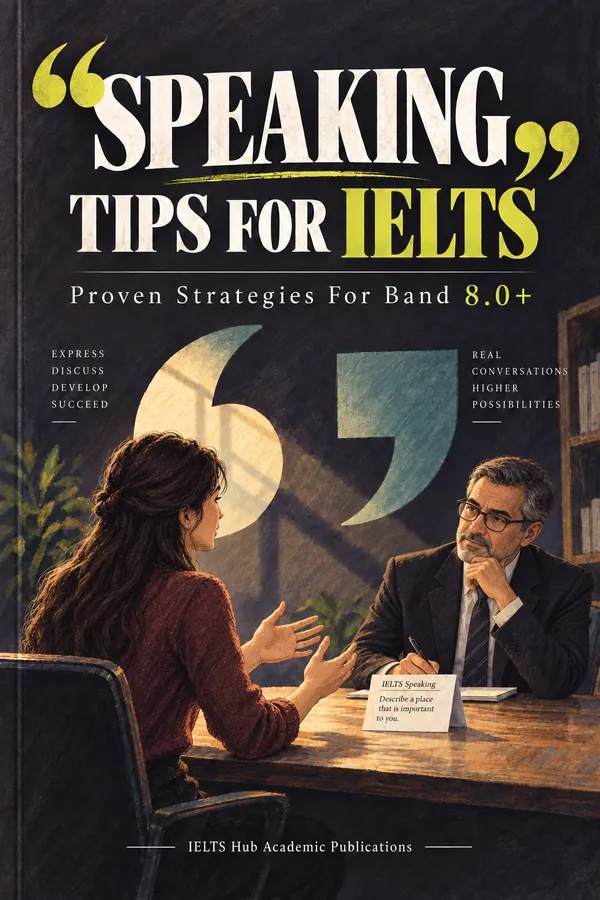
Speaking
Speaking Tips for IELTS
Proven Strategies for Band 8.0+
₹299$9.99CAD 13.99AUD 14.99£7.99NZD 16.99€8.99AED 39SGD 12.99
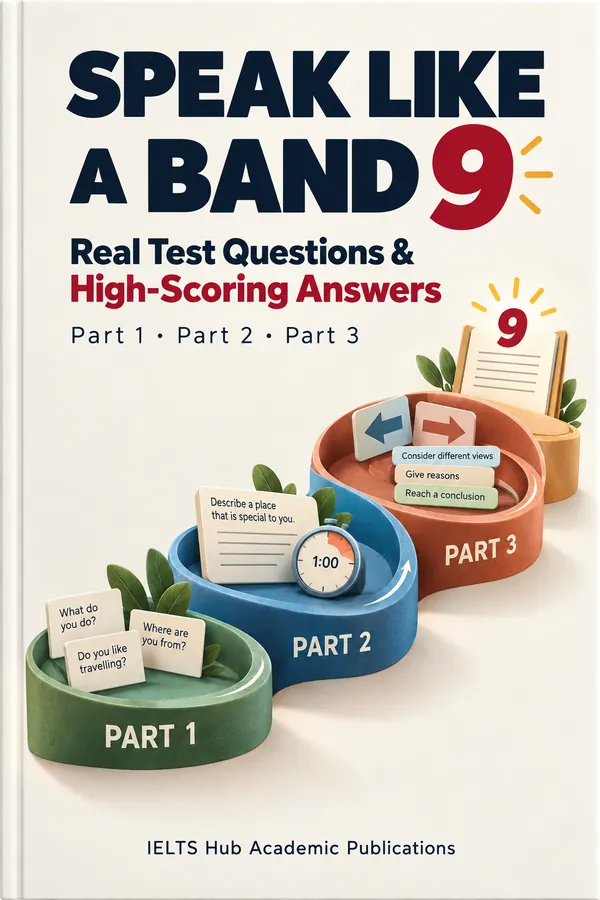
Speaking
Speak Like a Band 9
Real Test Questions & High-Scoring Answers
₹299$9.99CAD 13.99AUD 14.99£7.99NZD 16.99€8.99AED 39SGD 12.99