Speaking test #542
Part 1 · Interview
4 to 5 minutes. The examiner asks about you and familiar topics.
Can you tell me your full name?
Where are you from?
Do you work or are you a student?
Do you like texting?
I am quite fond of texting as it allows me to communicate with people in a quick and convenient manner. I find it particularly useful for short and informal conversations, as well as for arranging plans and appointments.
Have you ever received a confusing text message?
Yes, I have received a few confusing text messages in the past. Sometimes, I find that the message is not clear or that the context is missing, which can make it difficult to understand the intended meaning.
In what circumstances are making a phone call better than sending a text message?
I believe that making a phone call is better than sending a text message in certain situations, such as when discussing important or sensitive matters, when there is a need for immediate clarification, or when the conversation requires a more personal touch. Additionally, phone calls can be more effective in situations where tone and emphasis are important, such as when expressing emotions or giving instructions.
Have you ever had difficulty replying to a message?
Yes, I have had difficulty replying to a message in the past, particularly when the message is vague or unclear. In such cases, I often find myself rereading the message multiple times and trying to interpret the meaning. However, I try to clarify any confusion by asking follow-up questions or requesting more information.
Are you a tidy person?
I would consider myself to be quite tidy, yes. I place a high value on organization and cleanliness, and find that maintaining a tidy environment helps me to feel more focused and productive.
How do you keep things tidy?
I try to adopt a few key strategies to keep things tidy. One of the most important is to have a designated place for everything, so that I know where things belong and can quickly put them away when I'm finished using them. I also try to make a habit of doing a quick tidy-up at the end of each day, so that I start the next day with a clean slate. Additionally, I try to be mindful of creating clutter in the first place, by being selective about what I bring into my home or workspace, and being conscious of the amount of stuff I accumulate.
Do you think people should be tidy all the time?
I think that it's important for people to strive to maintain a certain level of tidiness, as it can have a positive impact on one's mental and physical well-being. However, I don't believe that anyone should feel pressured to be perfectly tidy all the time. Life can be messy and chaotic at times, and it's important to be able to let go and be okay with a little messiness from time to time.
Are you tidier at work or at home?
I would say that I am equally tidy at both work and home. I try to maintain a similar level of organization and cleanliness in both environments, as I find that it helps me to feel more productive and focused regardless of where I am.
You will have to talk about the topic for one to two minutes. You have one minute to think about what you are going to say. You can make some notes to help you if you wish.
An important piece of news you received via text message
You should say:
- What the news was about
- Who sent you the text message
- How you reacted to the news
- What impact the news had on you
What the news was about
Receiving important news via text messages has become a common occurrence in this digital age. One such significant news that I received through a text message was regarding my acceptance into a prestigious university for my postgraduate studies. The message conveyed that I had secured a place in the highly competitive program I had applied for, which was a moment of immense joy and relief for me.
Who sent you the text message
The text message informing me of this fantastic news was sent by the university's admissions office. It was a brief yet impactful message that instantly filled me with excitement and gratitude. Knowing that my hard work and dedication had paid off was truly a rewarding feeling, and I couldn't wait to share the news with my family and friends.
How you reacted to the news
Upon reading the text message, my initial reaction was a mix of disbelief and euphoria. I kept re-reading the message to make sure it was real, and each time I felt a surge of happiness wash over me. It was a moment of validation and achievement that reassured me that my efforts had been recognized and appreciated.
What impact the news had on you
The impact of receiving this news was profound and far-reaching. It not only boosted my confidence and self-esteem but also motivated me to strive for excellence in my academic pursuits. The news served as a reminder that hard work and perseverance always pay off in the end, filling me with a sense of pride and determination to make the most of the opportunity that lay ahead.
- Words
- 249
- Sentences
- 12
- Words per sentence
- 20.8
- Speaking time
- about 1.9 min
Counted at 130 words a minute. The exam gives you one to two minutes.
Part 3 · Discussion
4 to 5 minutes. The examiner asks broader questions linked to the cue card topic.
How is getting news by text message different from getting it by phone call or face-to-face?
Receiving news through a text message can feel quite different from getting it via a phone call or in person. For one, texts often lack the emotional nuance that a voice or face-to-face conversation can convey. When you hear someone's voice or see their expressions, it adds a layer of emotional depth that a simple text just can't match. Additionally, texts give you the chance to process information at your own pace, allowing you to react more thoughtfully, whereas a phone call might prompt immediate responses, sometimes leading to knee-jerk reactions. However, in-person communication can foster a sense of intimacy that both texts and calls often fall short of, making it easier to connect on a deeper level. Ultimately, the medium we choose can significantly influence how we perceive and respond to the news we receive.
Some people think that text messages aren't as personal as other ways to talk. What do you think about this?
I can completely understand why some people might think that text messages are less personal than face-to-face conversations or even phone calls. The absence of non-verbal cues, like facial expressions and tone of voice, can certainly make communication feel a bit flat. However, I believe text messages have their own charm and can be quite intimate in their own way. For instance, sending a heartfelt message or a cute emoji can convey feelings that might be hard to express in person, especially for those who are shy. Ultimately, it’s all about how we choose to use these tools; a well-crafted text can be just as meaningful as a warm hug!
How important do you think it is for people to keep up with news on their phones?
I believe it's incredibly significant for people to stay updated with news through their mobile devices. In today’s fast-paced world, having instant access to information can be a game-changer. It allows individuals to stay informed about current events, which is essential not just for personal knowledge but also for making informed decisions in their daily lives. Furthermore, mobile devices facilitate the consumption of news in a way that fits seamlessly into our routines, whether it's during a commute or a quick break. Overall, being connected to the news landscape empowers individuals and fosters a more informed society.
Why do you think people like getting important news by text instead of through regular ways?
I think people gravitate towards receiving important news via text message for several reasons. Firstly, it’s incredibly convenient; you can get updates instantly without having to sift through lengthy emails or wait for a phone call. Moreover, text messages allow for a certain level of privacy, as people can read them discreetly without drawing attention in public spaces. Another factor is the speed at which information is delivered; in our fast-paced world, we often crave immediate updates, and texts fit that need perfectly. Finally, with the rise of smartphones, most people are constantly connected, making text messaging a natural choice for communication.
How do you think people will share important news in the future?
I believe that the way people communicate important news will undergo significant transformation in the coming years. With the rapid advancement of technology, we might see a shift towards more interactive and immersive forms of communication, such as virtual reality or augmented reality experiences that allow people to engage with the news on a deeper level. Additionally, the rise of artificial intelligence could lead to tailored news delivery, where individuals receive updates that align with their interests and values, making the information more relevant and impactful. Moreover, social media platforms may evolve to facilitate real-time discussions, helping communities come together to process information collectively. However, this could also pose challenges, as the speed of communication might lead to the spread of misinformation. Overall, while I’m excited about these potential changes, I think it’s crucial for us to remain vigilant about the integrity of the news we consume.
What steps can people take to make sure they get accurate news from text messages?
To ensure they are accurately informed when receiving news through text messages, individuals could adopt several proactive measures. Firstly, it's essential to verify the source of the news; trusting established and reputable organizations can significantly reduce the risk of misinformation. Additionally, cross-referencing information across multiple platforms helps to provide a more well-rounded perspective and can highlight discrepancies that might otherwise go unnoticed. Engaging with fact-checking websites is also a fantastic way to confirm the veracity of particularly sensational claims. Lastly, cultivating a critical mindset towards the news allows individuals to recognize when something seems too good to be true or overly alarming, prompting further investigation rather than immediate acceptance. By taking these steps, individuals can navigate the overwhelming flood of information and stay well-informed.
Go further with the books
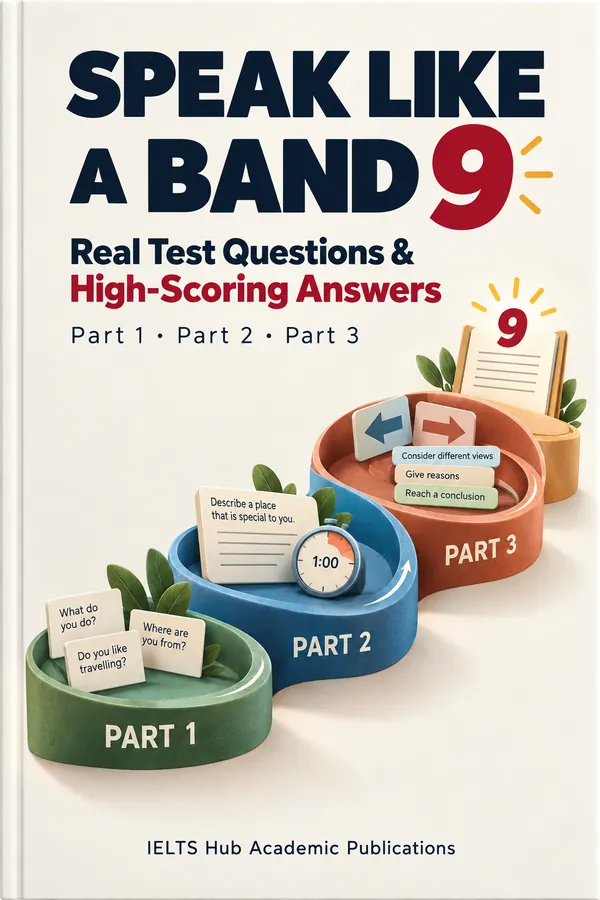
Speaking
Speak Like a Band 9
Real Test Questions & High-Scoring Answers
₹299$9.99CAD 13.99AUD 14.99£7.99NZD 16.99€8.99AED 39SGD 12.99
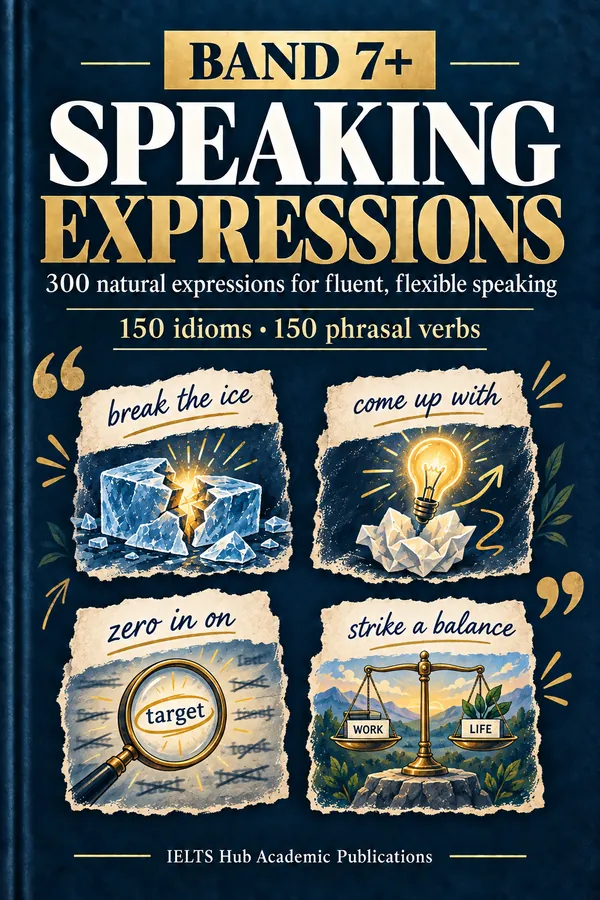
Speaking
Band 7+ Speaking Expressions
300 natural expressions for fluent, flexible speaking
₹199$6.99CAD 8.99AUD 9.99£4.99NZD 10.99€5.99AED 24SGD 8.99
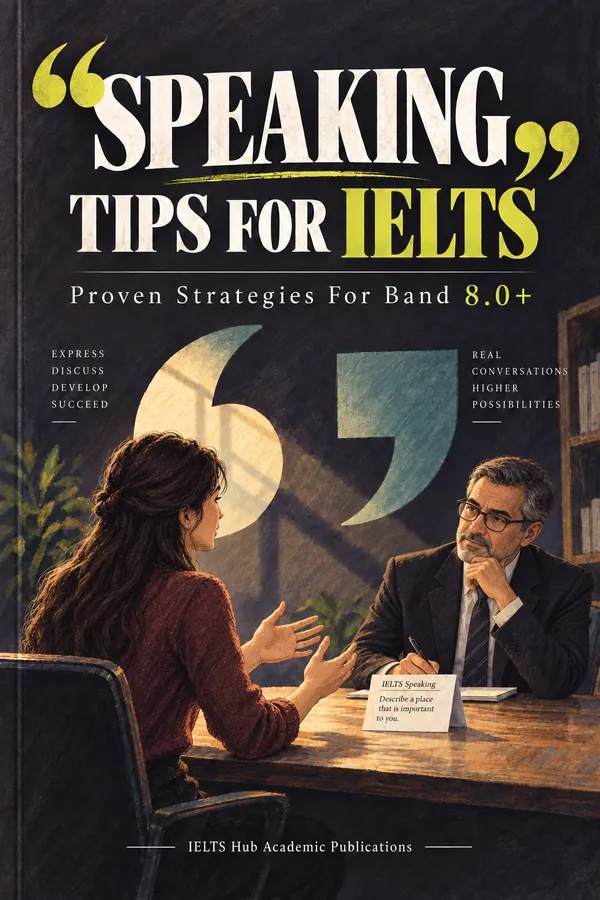
Speaking
Speaking Tips for IELTS
Proven Strategies for Band 8.0+
₹299$9.99CAD 13.99AUD 14.99£7.99NZD 16.99€8.99AED 39SGD 12.99