Speaking test #544
Part 1 · Interview
4 to 5 minutes. The examiner asks about you and familiar topics.
Can you tell me your full name?
Where are you from?
Do you work or are you a student?
What would make you tired?
There are a number of things that can make me feel tired, such as lack of sleep, a demanding workload, or engaging in physically demanding activities. Additionally, certain emotional states, such as stress or anxiety, can also leave me feeling fatigued.
What do you do when you feel tired?
When I feel tired, I typically try to take a break and engage in some form of self-care. This might include going for a walk, taking a nap, or practicing relaxation techniques such as yoga or meditation. Additionally, I might also try to improve my sleep habits by going to bed and waking up at the same time each day, or making sure that my sleep environment is conducive to restful sleep.
Who do you prefer to talk to when you feel mentally tired, your friends or your family?
When I feel mentally tired, I tend to prefer talking to my family members. They understand me better, and I feel more comfortable discussing my thoughts and feelings with them. That being said, I also value the support and perspective of my friends, and I may turn to them in certain situations as well.
Do you want to talk to strangers when you feel mentally tired?
Not typically, no. When I am feeling mentally tired, I tend to prefer the comfort and familiarity of my loved ones. However, depending on the situation, I might be willing to talk to a stranger if I feel that they might be able to offer me helpful advice or support. But in general, I would rather talk to someone I know and trust.
Tell me about the kind of foreign visitors or tourists that go to your country (India)?
India is a diverse and culturally rich country that attracts a wide range of foreign visitors. From backpackers and budget travelers to luxury tourists, India caters to a broad spectrum of travelers. The country is particularly popular among those interested in exploring its ancient history, such as the iconic Taj Mahal, and experiencing its vibrant culture and traditions. Additionally, India is also a popular destination for spiritual seekers and yoga enthusiasts.
In what ways has tourism changed your country (India)?
Tourism has had a significant impact on India in recent years. On one hand, it has brought in a significant amount of revenue and employment opportunities for locals. On the other hand, it has also led to the development of new infrastructure and facilities to cater to the needs of tourists. This includes the construction of new hotels, restaurants, and transportation options. Additionally, tourism has also led to a greater appreciation and preservation of the country's cultural heritage and natural resources.
How easy it is to travel around in your country (India)?
Traveling around India can be a bit challenging, especially for first-time visitors. However, with a bit of planning and preparation, it can be quite manageable. The country has an extensive network of transportation options, including trains, buses, and domestic flights, which makes it easy to get around. Additionally, there are plenty of tour operators and travel agencies that can assist with planning and arranging transportation and accommodation.
Is your country (India) a safe place for foreign tourists to come to?
India is generally considered a safe destination for foreign tourists. However, as with any destination, there are certain areas that may be more dangerous than others. It's always best to exercise caution and stay informed about any local safety concerns. Additionally, tourists should also be aware of local customs and traditions to ensure they do not inadvertently offend anyone. Overall, India is a welcoming and friendly country, and most visitors have a positive and safe experience while visiting.
You will have to talk about the topic for one to two minutes. You have one minute to think about what you are going to say. You can make some notes to help you if you wish.
Describe a present or gift someone gave you
You should say:
- What the gift was
- Who gave it to you
- When you received it
- How you felt about the gift
What the gift was
I would like to talk about a memorable gift I received from my grandmother on my 18th birthday. The gift was a beautiful vintage wristwatch that had been passed down through generations in my family. It had intricate engravings on the back and a classic leather strap, giving it a timeless and elegant look.
Who gave it to you
My grandmother, who has always had a special place in my heart, gave me this precious gift. She presented it to me during a small family gathering on the evening of my birthday. I remember the joy and excitement I felt when she handed me the carefully wrapped box containing the watch, as I had always admired it whenever she wore it.
When you received it
Receiving this gift meant a lot to me as it symbolized a connection to my family's history and traditions. It made me feel incredibly loved and appreciated by my grandmother, knowing that she chose to pass down something so valuable and sentimental to me. Every time I wear the watch, I am reminded of her warmth and the strong bond we share.
How you felt about the gift
Overall, the gift holds a special place in my heart as a token of love and heritage from my grandmother. It serves as a constant reminder of the strong family ties that bind us together and the importance of cherishing meaningful possessions that carry sentimental value. I am truly grateful for this thoughtful gift that will always hold a special place in my life.
- Words
- 242
- Sentences
- 12
- Words per sentence
- 20.2
- Speaking time
- about 1.9 min
Counted at 130 words a minute. The exam gives you one to two minutes.
Part 3 · Discussion
4 to 5 minutes. The examiner asks broader questions linked to the cue card topic.
How are gifts important and impactful in personal relationships compared to professional ones?
That's a fascinating question! In personal relationships, gifts often carry a deep emotional significance; they can symbolize love, appreciation, or shared memories, creating a sense of intimacy and connection. For example, a handmade gift can convey thoughtfulness and effort, which strengthens the bond between friends or family members. On the other hand, in professional relationships, the impact of gifts tends to be more about fostering goodwill and maintaining positive working relationships. A well-chosen gift, like a branded item or a thoughtful token, can help to build rapport and show respect for colleagues or clients. However, it’s crucial to navigate this carefully, as the appropriateness of gifts can vary greatly depending on the corporate culture and the nature of the relationship. Overall, while both contexts involve the act of giving, the underlying motivations and outcomes can be quite different!
How important is it for people to say thank you when they get gifts?
Expressing gratitude when receiving gifts is incredibly important, and I believe it plays a crucial role in maintaining positive relationships. When someone takes the time and effort to choose a gift, acknowledging that gesture can deepen the connection between the giver and the recipient. It’s not just about the gift itself, but rather the thought behind it that deserves recognition. Moreover, expressing thanks can encourage a culture of appreciation and kindness, fostering goodwill in our social circles. In essence, while it may not be strictly necessary, the act of showing gratitude can significantly enhance interpersonal relationships and create a more harmonious environment.
How do gifts help to build stronger connections between people?
Gifts play a pivotal role in strengthening social bonds among individuals, serving as tangible expressions of affection and appreciation. When we give or receive gifts, it often creates a sense of connection and shared experience, which can enhance relationships significantly. For instance, a thoughtfully chosen gift can convey emotions that words sometimes fail to express, reinforcing the idea that we value and care for one another. Moreover, during special occasions or celebrations, the act of exchanging gifts can foster a spirit of generosity and gratitude, further solidifying those ties. Ultimately, gifts can act as a powerful reminder of our relationships, helping to maintain and even deepen our connections over time.
Why do you think some people like to give experiences instead of physical gifts?
I think many people gravitate towards giving experiences instead of physical gifts because experiences often create lasting memories that can be cherished forever. For instance, a weekend getaway or a concert can strengthen relationships and provide shared joy, which is something tangible gifts sometimes lack. Additionally, in today’s fast-paced world, people are increasingly valuing quality time over material possessions. They recognize that shared experiences can bring a deeper sense of fulfillment and happiness than any object can offer. Ultimately, it’s about creating moments that can be reminisced about for years to come!
How could the way we see gift-giving change in the future with more digital technology?
That's a fascinating question! As digital technology continues to evolve, I believe the perception of gift-giving will undergo significant transformations. For instance, with the rise of virtual reality and augmented reality, we might see more immersive gifting experiences, where people can share moments together even if they’re miles apart. Additionally, digital gifts, like e-vouchers or online subscription services, could become increasingly popular, allowing for a more personalized touch without the need for physical items. Moreover, the integration of artificial intelligence could lead to smarter gift recommendations based on a person’s preferences and past behaviors, making the whole process much more intuitive. Ultimately, while the essence of gift-giving—expressing love and appreciation—will remain the same, the methods we use to convey these sentiments will likely evolve in exciting ways!
What can people do to make sure their gifts are more special and valued by the people they give them to?
To ensure that gifts are more meaningful and appreciated, individuals can start by considering the recipient's interests and preferences. It’s all about putting in that extra thought; for instance, if someone loves cooking, a personalized recipe book could be incredibly special. Additionally, wrapping the gift in a unique or creative way can enhance the overall experience, making it feel more personal and memorable. Another great idea is to include a heartfelt message or a personal touch that reflects your relationship with the recipient. Ultimately, it’s the thought and effort behind the gift that truly counts, transforming a simple present into something truly cherished.
Go further with the books
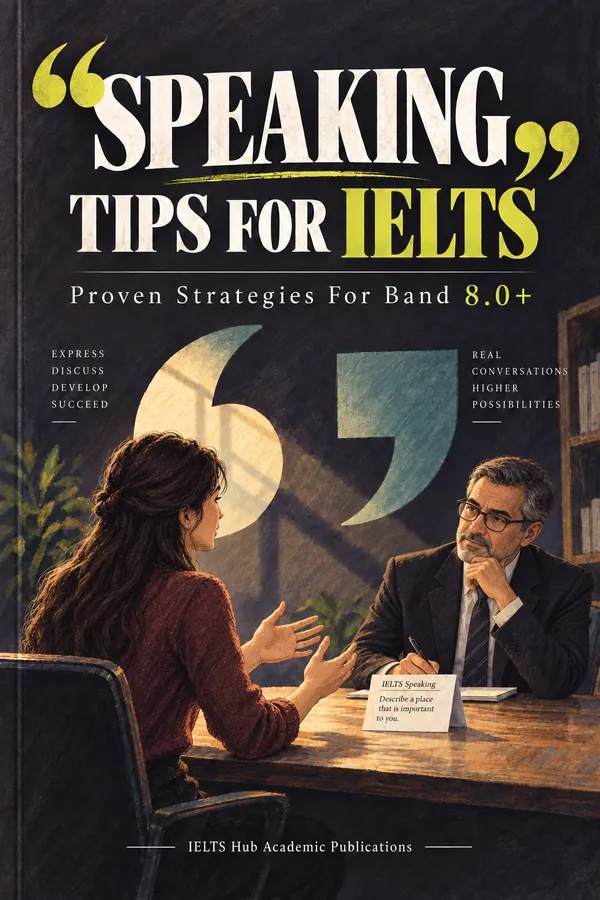
Speaking
Speaking Tips for IELTS
Proven Strategies for Band 8.0+
₹299$9.99CAD 13.99AUD 14.99£7.99NZD 16.99€8.99AED 39SGD 12.99
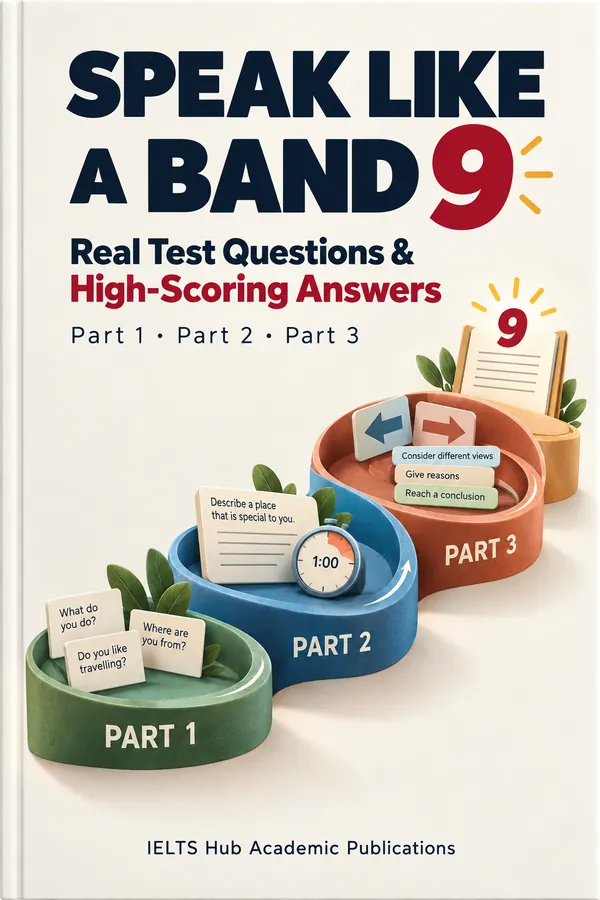
Speaking
Speak Like a Band 9
Real Test Questions & High-Scoring Answers
₹299$9.99CAD 13.99AUD 14.99£7.99NZD 16.99€8.99AED 39SGD 12.99
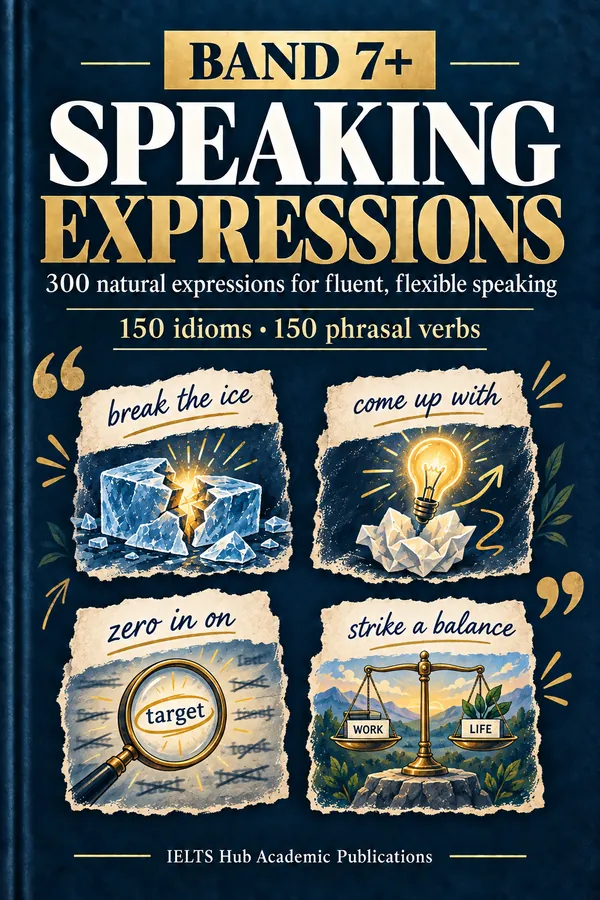
Speaking
Band 7+ Speaking Expressions
300 natural expressions for fluent, flexible speaking
₹199$6.99CAD 8.99AUD 9.99£4.99NZD 10.99€5.99AED 24SGD 8.99