Speaking test #550
Part 1 · Interview
4 to 5 minutes. The examiner asks about you and familiar topics.
Can you tell me your full name?
Where are you from?
Do you work or are you a student?
Do you wear a watch?
Yes, I do wear a watch. I find it to be a practical and stylish accessory that allows me to keep track of time throughout the day. Q
Have you ever gotten a watch as a gift?
Yes, I have. I remember receiving a beautiful watch as a gift from my parents on my graduation day. It was a precious and meaningful present that I still wear to this day. Q
Why do some people wear expensive watches?
Some people wear expensive watches as a symbol of status or wealth. It could also be a sign of luxury and exclusivity, as well as a form of personal expression. Additionally, expensive watches often possess intricate craftsmanship and superior quality that sets them apart from more affordable watches. Q
Do you think it is important to wear a watch?
Personally, I do think it is important to wear a watch. It serves as a useful tool for keeping track of time, which is essential in our daily lives. Additionally, a watch can also be a fashion statement, and can reflect one's personal style and preferences. However, it is ultimately a matter of personal preference and might not be as important for others.
Have you done water sports?
Yes, I have had the opportunity to participate in a variety of water sports in the past. I have dabbled in activities such as surfing, kayaking, and stand-up paddleboarding. Each of these experiences has been incredibly exhilarating and challenging in their own unique ways.
What other water sports would you like to try?
I am particularly interested in trying out water sports such as kiteboarding and windsurfing. I find the idea of harnessing the power of the wind to propel oneself across the water to be a fascinating concept. Additionally, I would also like to try my hand at scuba diving. I have always been fascinated by the underwater world and would love to explore it more intimately.
Do you think water sports are dangerous?
Water sports can certainly be dangerous if proper precautions are not taken. However, I believe that with the right training, equipment, and mindset, most water sports can be enjoyed safely. It is important to always be aware of one's surroundings and to have a healthy respect for the power of the water.
What kind of water sports do people in your (this) country like?
In my country, people tend to enjoy a wide variety of water sports. Popular activities include swimming, boating, jet skiing, and water skiing. Additionally, many people also enjoy more extreme sports such as wakeboarding and kitesurfing. The country's coastlines and rivers provide ample opportunities for people to engage in these activities.
You will have to talk about the topic for one to two minutes. You have one minute to think about what you are going to say. You can make some notes to help you if you wish.
When you overheard a stranger talking on the phone
You should say:
- What the stranger was talking about
- How you felt while listening
- Whether you intervened or not
- Any impact it had on you
What the stranger was talking about
In India, I once overheard a stranger talking on the phone while waiting at a bus stop. The stranger was engaged in a heated conversation with someone about a business deal gone wrong. He seemed agitated and frustrated as he discussed the financial implications and the potential loss he faced. His tone was filled with desperation and urgency, which immediately caught my attention.
How you felt while listening
As I listened to the stranger's conversation, I couldn't help but feel a mix of sympathy and curiosity. I felt a pang of empathy towards the stranger, understanding the stress and pressure he was under. At the same time, my curiosity was piqued by the unfolding drama of the conversation. I was torn between wanting to know more and feeling guilty for eavesdropping on a private conversation.
Whether you intervened or not
Despite my initial inclination to intervene and offer help or support to the stranger, I ultimately decided to respect his privacy and refrain from getting involved. I believed that it was not my place to interfere in his personal matters, especially considering the sensitive nature of the conversation. Instead, I chose to quietly observe from a distance, hoping that things would work out for the stranger in the end.
Any impact it had on you
The experience of overhearing the stranger's phone conversation left a lasting impact on me. It made me reflect on the challenges and uncertainties that people face in their daily lives, often hidden beneath a facade of normalcy. It also reminded me of the importance of privacy and boundaries in interpersonal interactions. Overall, the incident served as a poignant reminder of the complexities of human emotions and the power of empathy in connecting with others on a deeper level.
- Words
- 277
- Sentences
- 15
- Words per sentence
- 18.5
- Speaking time
- about 2.1 min
Counted at 130 words a minute. The exam gives you one to two minutes.
Part 3 · Discussion
4 to 5 minutes. The examiner asks broader questions linked to the cue card topic.
How is overhearing conversations different in public places compared to private ones?
Overhearing conversations can be quite an intriguing experience, and it definitely varies between public and private spaces. In public settings, like cafes or parks, the atmosphere is often more relaxed, and people might share snippets of their lives without realizing how audible they are. This can lead to amusing or even enlightening moments, as we catch glimpses of others’ experiences. Conversely, in private spaces, such as homes or offices, overhearing conversations feels much more intrusive. The intimacy of these settings usually means that discussions are more personal, and stumbling upon them can create an awkward tension. Overall, while public eavesdropping can be entertaining and light-hearted, private conversations often carry a sense of delicate intimacy that makes them feel sacred and less accessible.
How much do you think people are okay with sharing personal information in public places?
I think the comfort level people have when sharing personal information in public settings varies widely based on several factors, such as their personality, cultural background, and the context of the situation. While some individuals are quite open and forthcoming, often viewing it as a way to connect with others, many are more reserved and prefer to keep their private lives under wraps. In today's digital age, where social media has made sharing personal details almost the norm, it's fascinating to see how this has influenced people's perceptions of privacy. That said, there’s still a significant portion of the population that feels uneasy about divulging too much, especially in unfamiliar environments. Overall, I believe it’s a delicate balance between seeking connection and maintaining a sense of personal boundaries.
How does privacy affect our daily interactions, especially in public places?
Privacy plays a crucial role in our everyday interactions, particularly in public spaces where we are often surrounded by strangers. It provides a sense of personal space, allowing individuals to engage with others without feeling overly exposed or vulnerable. In crowded environments, such as cafes or parks, maintaining a certain level of privacy fosters a balance between social interaction and the need for solitude. Moreover, with the rise of technology and surveillance, people are increasingly aware of their surroundings, which can influence their behavior and willingness to connect with others. Ultimately, privacy not only protects our personal information but also serves as a foundation for healthy social dynamics in communal settings.
Why do you think some people feel the need to talk loudly on their phones in public?
It's quite fascinating, isn't it? There are a few reasons why some individuals feel the need to speak loudly on their phones in public places. First and foremost, it could be about the perceived urgency of their conversations; they may think that raising their voices conveys the importance of what they’re discussing. Additionally, some people might not be aware of their volume, especially if they're engrossed in an animated discussion. It’s also possible that they feel a desire for attention or validation from those around them, which can lead to a more boisterous demeanor. Ultimately, it reflects a blend of personal habits and social dynamics that can be quite intriguing to observe!
How might our way of communicating change in the future because of more technology?
That's a fascinating question! As technology continues to evolve, I believe we're likely to see a significant shift in our communication habits. For instance, the rise of artificial intelligence could lead to more automated interactions, where chatbots and virtual assistants handle tasks that once required human engagement. This could make communication more efficient, but it might also diminish the personal touch that comes from face-to-face conversations. Moreover, with the increasing use of augmented and virtual reality, we might find ourselves engaging in immersive experiences that allow for a deeper connection, even when we’re miles apart. However, I do worry that an over-reliance on digital communication could lead to a decline in our interpersonal skills. Ultimately, while technology has the potential to enhance our communication, it's essential that we find a balance to ensure that our relationships remain meaningful and genuine.
What steps can be taken to make sure public places are respectful for everyone?
To ensure that public spaces remain respectful for everyone, a multi-faceted approach is essential. Firstly, community awareness programs can play a pivotal role in educating people about the importance of mutual respect and understanding. Additionally, implementing clear guidelines and regulations that outline acceptable behaviour can help set a standard for conduct in shared spaces. Furthermore, local authorities could consider increasing the presence of community officers or volunteers to foster a sense of safety and accountability. Ultimately, when individuals feel respected and valued in public spaces, it creates a more harmonious environment for all.
Go further with the books
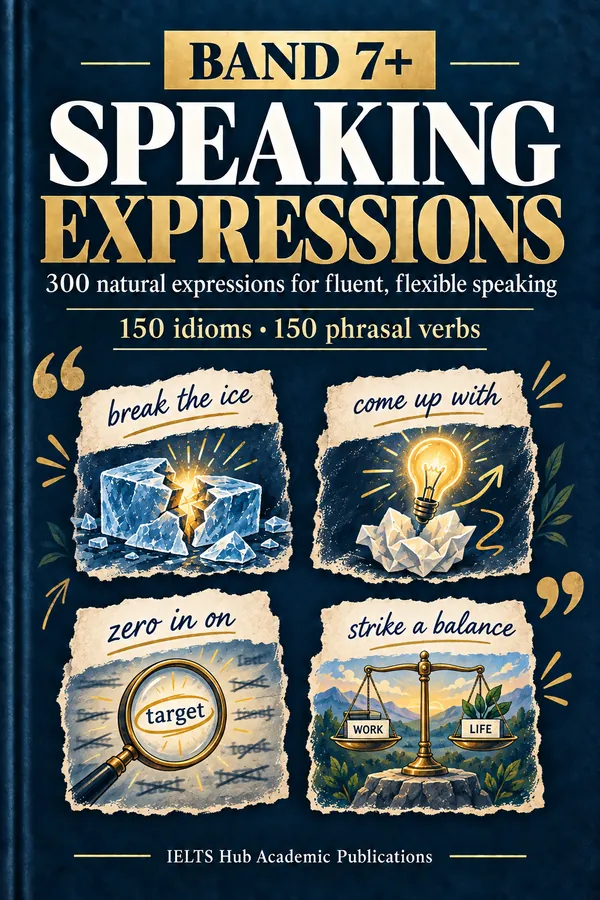
Speaking
Band 7+ Speaking Expressions
300 natural expressions for fluent, flexible speaking
₹199$6.99CAD 8.99AUD 9.99£4.99NZD 10.99€5.99AED 24SGD 8.99
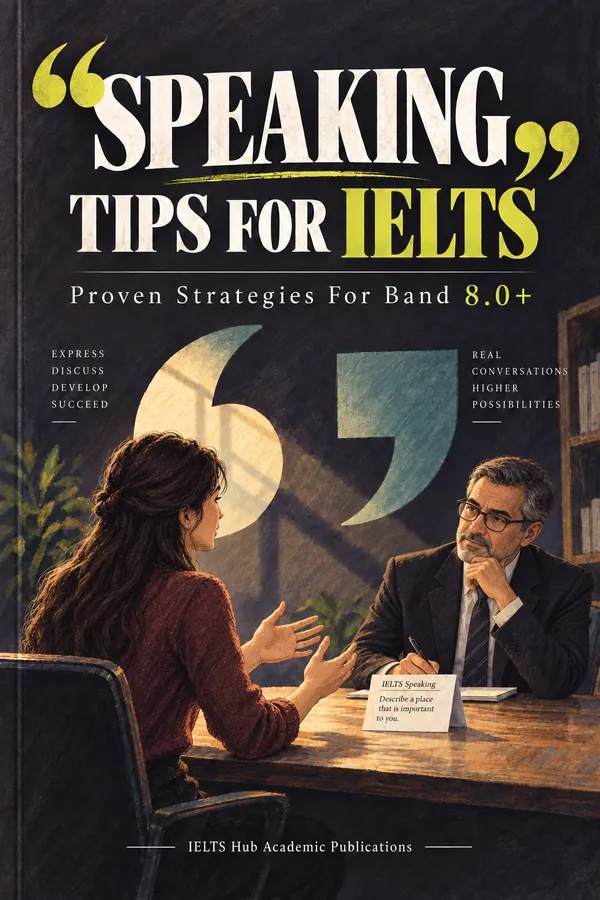
Speaking
Speaking Tips for IELTS
Proven Strategies for Band 8.0+
₹299$9.99CAD 13.99AUD 14.99£7.99NZD 16.99€8.99AED 39SGD 12.99
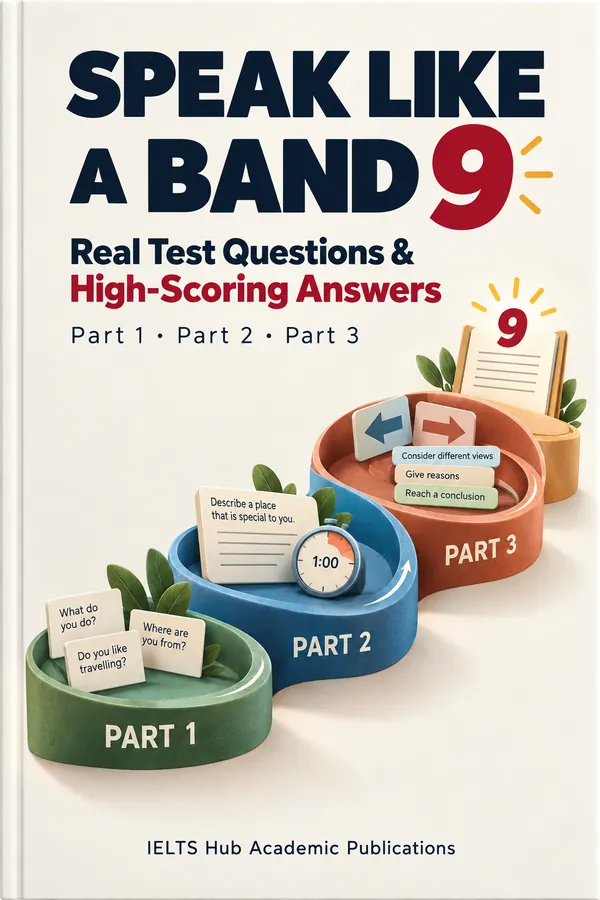
Speaking
Speak Like a Band 9
Real Test Questions & High-Scoring Answers
₹299$9.99CAD 13.99AUD 14.99£7.99NZD 16.99€8.99AED 39SGD 12.99