Speaking test #557
Part 1 · Interview
4 to 5 minutes. The examiner asks about you and familiar topics.
Can you tell me your full name?
Where are you from?
Do you work or are you a student?
Do you like changes? Why?
I'd say I'm generally a fan of change. I think it keeps things interesting and helps us grow and learn new things. Plus, I'm the type of person who gets a little restless when things stay the same for too long.
What have been some changes in your living area/ city recently?
There have been a few notable changes in my city recently. For one, there's been a lot of construction going on. They're building a new shopping mall, and there are several new apartment buildings going up as well. It's definitely changing the skyline a bit. Additionally, there have been some changes to the public transportation system. They've added a few new bus routes and extended the hours of operation for the subway.
Have you changed a lot since your childhood?
Definitely. I think we all change a lot as we grow and experience new things. When I was a kid, I was pretty shy and introverted. I've definitely come out of my shell more as I've gotten older, and I'm much more confident and outgoing now. I've also learned a lot and developed new interests and hobbies.
What do you plan to change next year?
I'm not sure specifically what changes I'll make next year, but I'm always looking for ways to improve and grow. Personally, I'd like to work on my physical fitness and maybe pick up a new hobby or two. As far as my career goes, I'm always looking for new opportunities and ways to advance. So, I'm sure there will be some changes there as well.
What is your most vivid childhood memory?
My most vivid childhood memory is definitely the time my family took a trip to Disney World. I remember feeling so excited and overwhelmed by all the sights and sounds. It was such a magical experience that has stayed with me to this day.
Are you still in touch with your childhood friends?
Yes, I am still in touch with a few of my childhood friends. We've managed to stay connected despite the distance and time that has passed. It's always great to catch up with them and reminisce about old times.
What was your favourite toy when you were a child?
Oh man, that's a tough one. I had so many favourite toys when I was a child. But if I had to choose just one, I would say my favourite toy was my stuffed animal collection. I had so many different ones and I loved cuddling up with them at night.
Is it important for children to have fun? Why?
Absolutely. I think it's extremely important for children to have fun and enjoy their childhood. Play and laughter are crucial for their physical, mental, and emotional development. It helps to build their self-esteem, creativity, and social skills, and provides a much-needed break from the stresses of daily life. Plus, it's just plain good for the soul!
You will have to talk about the topic for one to two minutes. You have one minute to think about what you are going to say. You can make some notes to help you if you wish.
Describe a practical skill you have
You should say:
- What the skill is
- How you acquired the skill
- When and where you use the skill
- Why this skill is important to you
What the skill is
The practical skill that I would like to talk about is cooking, which has been an integral part of my life since childhood. I developed this skill by observing my mother and grandmother in the kitchen and assisting them in preparing meals. From a young age, I was always curious about the culinary world and eager to learn different cooking techniques and recipes.
How you acquired the skill
I use my cooking skills regularly, especially when I want to unwind and relax after a long day. Cooking has become a therapeutic activity for me, allowing me to express my creativity and experiment with flavors. Additionally, I enjoy hosting dinner parties for family and friends, where I can showcase my culinary creations and receive their feedback.
When and where you use the skill
Cooking holds great importance in my life as it enables me to connect with my cultural roots and preserve traditional recipes that have been passed down through generations. It also gives me a sense of independence and self-sufficiency, knowing that I can nourish myself and others with wholesome and delicious meals. Moreover, cooking allows me to spread joy and bring people together through the shared experience of enjoying a home-cooked meal.
Why this skill is important to you
In conclusion, my proficiency in cooking not only enhances my daily life but also serves as a way for me to express my creativity, connect with loved ones, and uphold my cultural heritage. This practical skill has instilled in me a sense of pride and accomplishment, and I am grateful for the valuable lessons and memories that cooking has brought into my life.
- Words
- 254
- Sentences
- 11
- Words per sentence
- 23.1
- Speaking time
- about 2.0 min
Counted at 130 words a minute. The exam gives you one to two minutes.
Part 3 · Discussion
4 to 5 minutes. The examiner asks broader questions linked to the cue card topic.
How can practical skills be used differently in different jobs?
Practical skills play a crucial role in many professions, and their applications can vary significantly depending on the field. For instance, in the medical profession, practical skills such as surgical techniques and patient care are paramount, as they have direct impacts on health outcomes. On the other hand, in the culinary arts, skills like knife handling and food presentation are essential for creating visually appealing and delicious dishes. Moreover, even within the same industry, the application of these skills can differ; an engineer might focus on technical drawing and project management, while a construction worker would prioritize manual dexterity and safety procedures. This diversity in practical skills reflects the unique demands of each profession and highlights the importance of tailored training and experience.
How do some people see the importance of practical skills differently than others?
People's perceptions of practical skills can vary significantly based on their backgrounds and experiences. For some, practical skills are seen as essential tools for navigating everyday life, enabling them to tackle challenges independently and effectively. In contrast, others might prioritize academic knowledge, viewing practical skills as secondary or even less valuable in a rapidly evolving job market. This divergence often comes down to personal values; those who have grown up in hands-on environments may place a higher premium on practical abilities, while individuals from more traditional educational backgrounds might see them as less critical. Ultimately, these differing perspectives highlight the diverse ways in which society values various forms of expertise.
What role do practical skills play in a person's overall success in life?
Practical skills are absolutely essential to a person's overall success in life. They serve as the foundation for navigating daily challenges and can significantly enhance one's employability. For instance, being able to communicate effectively or manage time efficiently can make a huge difference in both personal and professional settings. Moreover, these skills often lead to greater self-confidence and independence, allowing individuals to tackle problems head-on. Ultimately, while academic knowledge is important, practical skills often provide the tools necessary to apply that knowledge in real-world situations, paving the way for success.
Why do you think hands-on skills are often highlighted in schools?
Practical skills are often emphasized in educational settings because they equip students with the real-world capabilities that are essential for navigating life beyond the classroom. In today’s fast-paced world, employers increasingly prioritize hands-on experience and the ability to apply theoretical knowledge in practical situations. This emphasis not only enhances students' employability prospects but also fosters critical thinking and problem-solving skills, which are invaluable in any career. Moreover, engaging in practical activities can make learning more dynamic and interactive, helping students retain information more effectively. Ultimately, this focus on practical skills prepares learners to face the challenges of the modern workforce with confidence and competence.
How could the need for practical skills change in future jobs?
The demand for practical skills in the future job market is likely to see a significant shift, primarily driven by rapid technological advancements and the evolving nature of work. As automation and artificial intelligence continue to transform industries, there will be a greater emphasis on skills that cannot easily be replicated by machines. This means that trades and hands-on professions, such as electricians and plumbers, may experience a resurgence as people recognize the value of technical expertise. Moreover, as the gig economy expands, individuals will need to adapt by acquiring a diverse range of transferable skills that can be applied across various sectors. Skills like digital literacy, problem-solving, and effective communication are likely to become even more essential. In essence, while theoretical knowledge will still hold value, practical skills that blend creativity with technical know-how will be in high demand, making the job market more dynamic and multifaceted.
What steps can be taken to help more people learn practical skills?
To encourage more people to develop practical skills, it’s essential to create a supportive environment that values hands-on learning. For instance, schools could introduce more vocational training programs alongside traditional academic subjects. Additionally, community workshops and classes can be organized to make practical skills more accessible and engaging. Offering incentives, like scholarships or certifications, can also motivate individuals to take these courses seriously. Ultimately, by showcasing the real-world benefits of practical skills, we can inspire a greater appreciation for them in society.
Go further with the books
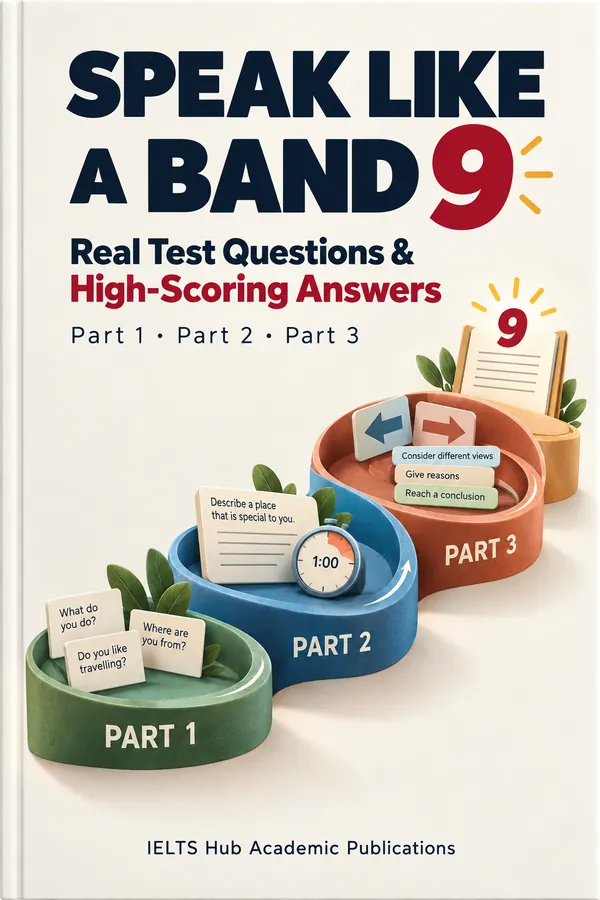
Speaking
Speak Like a Band 9
Real Test Questions & High-Scoring Answers
₹299$9.99CAD 13.99AUD 14.99£7.99NZD 16.99€8.99AED 39SGD 12.99
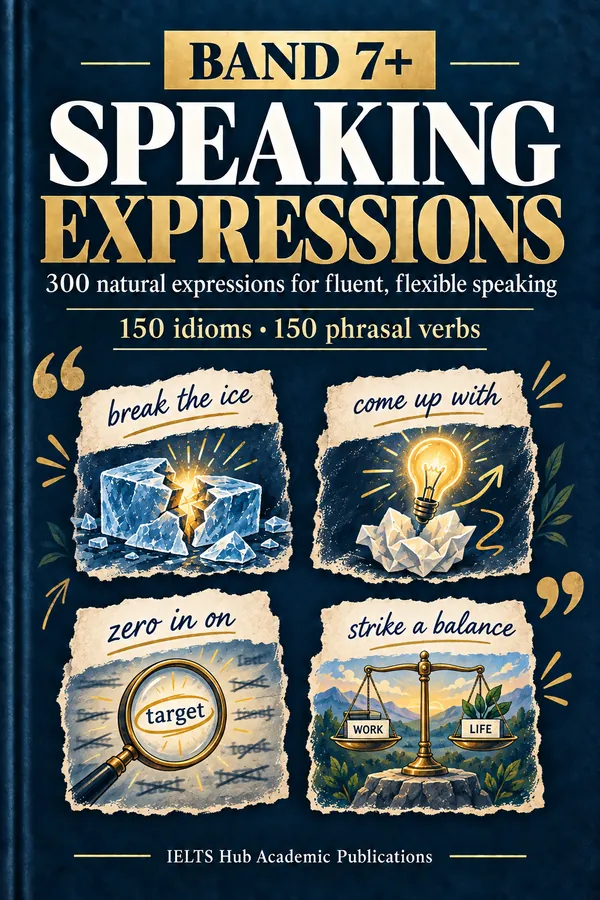
Speaking
Band 7+ Speaking Expressions
300 natural expressions for fluent, flexible speaking
₹199$6.99CAD 8.99AUD 9.99£4.99NZD 10.99€5.99AED 24SGD 8.99
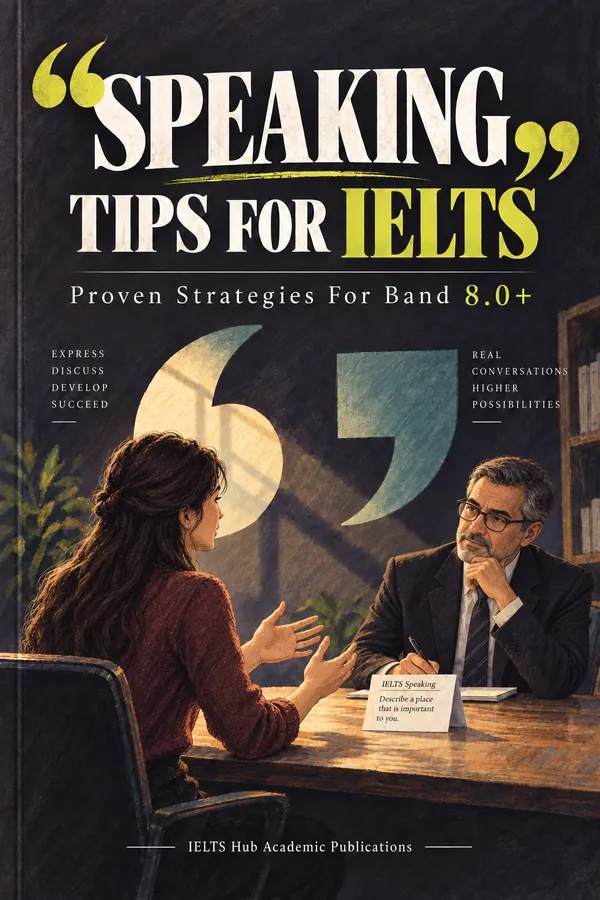
Speaking
Speaking Tips for IELTS
Proven Strategies for Band 8.0+
₹299$9.99CAD 13.99AUD 14.99£7.99NZD 16.99€8.99AED 39SGD 12.99