Speaking test #559
Part 1 · Interview
4 to 5 minutes. The examiner asks about you and familiar topics.
Can you tell me your full name?
Where are you from?
Do you work or are you a student?
Are clothes important to people where you live?
Oh absolutely. I think fashion is a big deal for many people in my community. People here tend to put a lot of thought into what they wear and how it reflects their personal style.
How do people decide which clothes to buy?
It really depends on the person. Some people are really into following trends and will buy whatever is popular at the moment. Others are more selective and might consider factors like comfort, practicality, and whether the clothing fits with their existing wardrobe.
Would you ever buy clothes for somebody as a present?
Sure, I've definitely given clothes as gifts before. It can be a great way to show someone that you know their style and are paying attention to what they like. However, I always try to make sure I'm choosing something that the recipient will actually want to wear, rather than just picking out something that I like.
Do you think clothes are too important for some people?
I think it's possible for people to place too much emphasis on clothes and what they wear. It's important to remember that clothing is just one aspect of a person's overall appearance and shouldn't define them entirely. However, I also think it's important for people to feel comfortable and confident in what they're wearing, so I don't think it's necessarily a bad thing if someone puts a lot of thought into their wardrobe.
Are you happy to be the age you are now?
I am quite content with my current age. I feel that I have reached a stage in my life where I have a good balance of experience and youthful energy, which enables me to make the most of my life.
When you were a child, did you think a lot about your future?
As a child, I did not give much thought to my future. I was more focused on enjoying the present moment and exploring the world around me. However, as I grew older, I began to consider my aspirations and goals for the future.
Do you think you have changed as you have got older?
Definitely. As I have grown older, I have learned a lot about myself and the world around me. I have gained new perspectives and experiences that have shaped my character and outlook on life. I have also learned to be more adaptable and open-minded, which has helped me to grow and evolve as a person.
What will be different about your life in the future?
I am optimistic that my life in the future will be even more fulfilling and meaningful than it is now. I hope to have a successful career, a loving family, and a sense of purpose that guides me through my daily life. Additionally, I hope to continue to grow and evolve as a person, learning new skills and perspectives that will help me to live a rich and fulfilling life.
You will have to talk about the topic for one to two minutes. You have one minute to think about what you are going to say. You can make some notes to help you if you wish.
Describe an important email you have received lately
You should say:
- Who sent the email
- What the email was about
- How the email impacted you
- Your response to the email
Who sent the email
Recently, I received an important email from my university professor, Dr. Sharma. The email informed me that I had been selected for a prestigious internship opportunity with a renowned research institution. This email came as a pleasant surprise and filled me with a sense of achievement and pride. I had been working diligently on my research projects, and this recognition from Dr. Sharma meant a lot to me.
What the email was about
The content of the email was about the details of the internship program, including the duration, stipend, and the research project I would be working on. It also mentioned the expectations and responsibilities that came with the opportunity. Reading through the email, I felt a mix of excitement and nervousness. The email outlined a challenging yet rewarding experience that would allow me to further develop my research skills and contribute to cutting-edge scientific work.
How the email impacted you
The impact of this email on me was profound. It boosted my confidence in my academic abilities and motivated me to strive for excellence in my future endeavors. Knowing that my hard work and dedication had been recognized by my professor and the research institution was a validation of my efforts. The email served as a reminder of the importance of perseverance and commitment in achieving one's goals.
Your response to the email
In response to the email, I immediately expressed my gratitude to Dr. Sharma for recommending me for the internship and providing me with this invaluable opportunity. I also started preparing diligently for the internship, researching the project topic and brushing up on relevant skills. This email not only opened doors for me in terms of professional growth but also reinforced my passion for research and learning.
- Words
- 276
- Sentences
- 18
- Words per sentence
- 15.3
- Speaking time
- about 2.1 min
Counted at 130 words a minute. The exam gives you one to two minutes.
Part 3 · Discussion
4 to 5 minutes. The examiner asks broader questions linked to the cue card topic.
How can the importance of an email be different from that of a regular letter?
That's a fascinating question! The significance of an email often lies in its speed and convenience; you can send a message across the globe in a matter of seconds, which is a huge advantage over traditional letters that can take days or even weeks to arrive. Emails also allow for instant communication, making them ideal for urgent matters or quick exchanges of information, while letters often carry a sense of formality and thoughtfulness that emails might lack. On the other hand, a traditional letter can feel more personal and intimate, often evoking a sense of nostalgia and sentimentality. For many, receiving a handwritten letter can be a special experience, reflecting the time and effort the sender put into it, which can sometimes make it more meaningful than a fleeting email. So, while emails are incredibly efficient for everyday communication, letters can carry a weight of emotion that often resonates more deeply with the recipient.
How much do you think getting an important email can affect someone's life or career?
Receiving an important email can significantly influence a person's life or career, often acting as a pivotal moment. For instance, an email offering a job opportunity or promotion can not only elevate one's professional standing but also enhance their confidence and motivation. On the other hand, an email delivering disappointing news, like a job rejection, can be disheartening but also serve as a catalyst for growth, prompting individuals to reassess their goals and strategies. In today’s fast-paced digital world, where communication is instantaneous, the weight of an email can resonate deeply, shaping the course of one's career trajectory. Overall, the impact is profound and can lead to both new opportunities and valuable lessons.
How important is clear email communication in today's work setting?
Effective email communication is absolutely crucial in today's professional environment. In a world where remote work and global teams are becoming the norm, clear and concise emails can bridge the gap between different time zones and cultures. It’s not just about conveying information; it's about ensuring that messages are understood and that there's no room for misinterpretation. Moreover, a well-crafted email can convey professionalism and attention to detail, which are highly valued traits in any workplace. In essence, mastering email etiquette can significantly enhance collaboration and productivity, making it an indispensable skill in the modern business landscape.
Why do you think people usually feel rushed to respond to important emails?
People often feel a sense of urgency when replying to important emails primarily because of the high stakes involved. In our fast-paced world, timely communication can significantly impact professional relationships and project outcomes. When an email carries critical information or a pressing deadline, the pressure to respond quickly can create a feeling of being on the clock. Moreover, there’s a fear of missing out or falling behind, especially if others are waiting for a response. This urgency is further amplified by the expectation of instant communication in our digital age, where delays can sometimes lead to misunderstandings or lost opportunities. Ultimately, it’s all about maintaining that professional reputation and ensuring that one remains proactive in their engagements.
What changes could we expect in the future for using email in important messages?
It's fascinating to think about the future of email, especially as it's such a staple in our daily communication. One trend I anticipate is the rise of integrated communication platforms that combine email with other forms of messaging, like video calls and instant chats, to streamline communication. This could make it easier for people to manage their correspondence without feeling overwhelmed by multiple apps. Additionally, with advancements in artificial intelligence, we might see smarter email systems that can prioritize messages based on urgency and importance, which would significantly enhance productivity. Finally, as security concerns grow, we may witness an increase in encrypted communications, ensuring that sensitive information shared via email remains confidential. Overall, these developments could make email not just a relic of the past, but a vital tool for the future!
What steps can organizations take to make sure important emails are always responded to quickly?
Organizations can adopt several strategies to ensure that important emails receive prompt acknowledgment. Firstly, implementing a clear email policy that outlines expectations for response times can significantly improve accountability among team members. Additionally, utilizing tools like read receipts or automated acknowledgments can provide immediate confirmation that an email has been received and is being addressed. Moreover, fostering a culture of communication where team members feel comfortable prioritizing urgent messages can lead to quicker responses. Regular training sessions on effective email management can also help employees understand the importance of timely communication. Ultimately, these measures not only enhance productivity but also strengthen workplace relationships by ensuring that everyone feels heard and valued.
Go further with the books
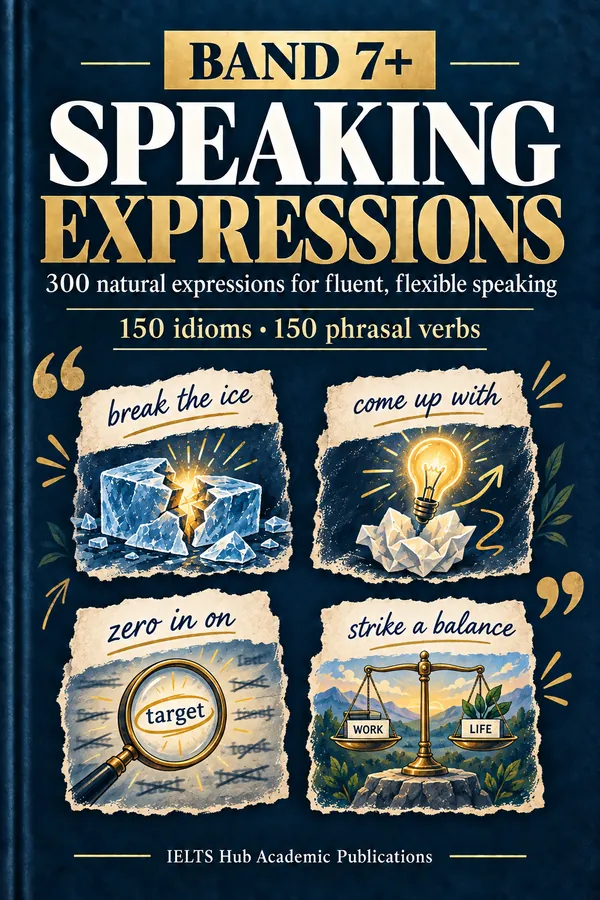
Speaking
Band 7+ Speaking Expressions
300 natural expressions for fluent, flexible speaking
₹199$6.99CAD 8.99AUD 9.99£4.99NZD 10.99€5.99AED 24SGD 8.99
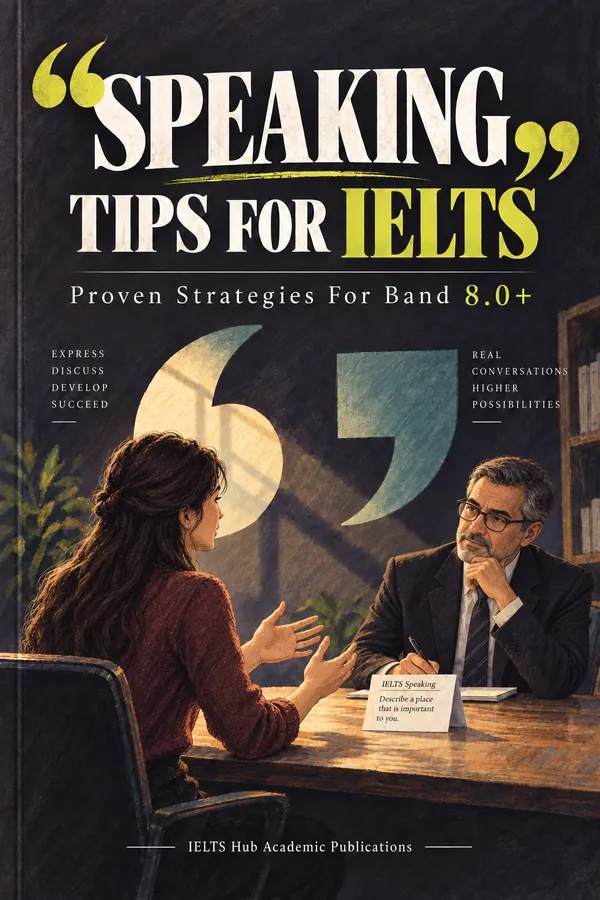
Speaking
Speaking Tips for IELTS
Proven Strategies for Band 8.0+
₹299$9.99CAD 13.99AUD 14.99£7.99NZD 16.99€8.99AED 39SGD 12.99
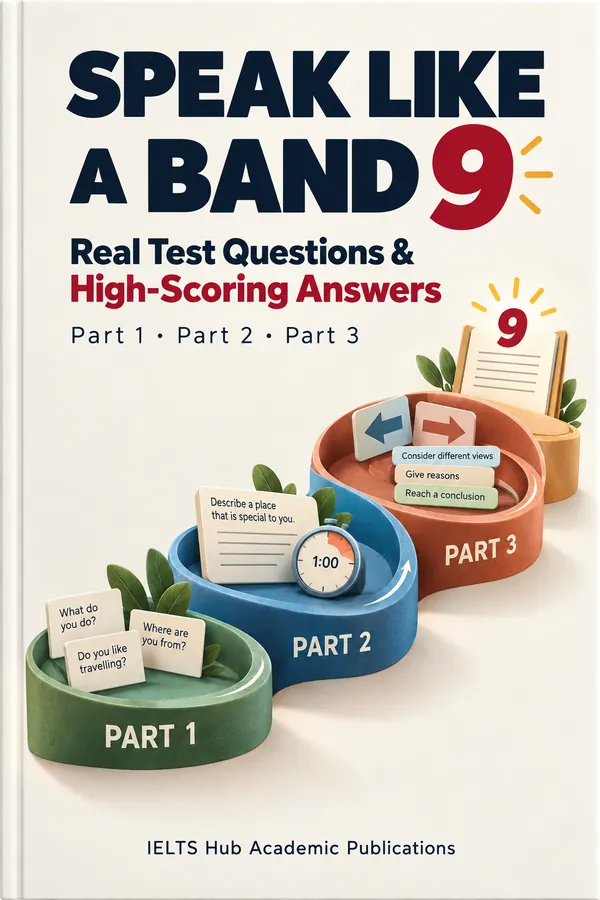
Speaking
Speak Like a Band 9
Real Test Questions & High-Scoring Answers
₹299$9.99CAD 13.99AUD 14.99£7.99NZD 16.99€8.99AED 39SGD 12.99