Speaking test #560
Part 1 · Interview
4 to 5 minutes. The examiner asks about you and familiar topics.
Can you tell me your full name?
Where are you from?
Do you work or are you a student?
Do you collect anything?
Yeah, I'm definitely a bit of a collector. I've always loved picking up unique items and adding them to my collection. Right now, I'm really into vintage cameras and have a pretty impressive collection going on.
Is there anything that you keep from childhood?
Definitely. I have a lot of sentimental value attached to certain items from my childhood, so I try to hold onto them as much as possible. For example, I still have my favorite stuffed animal from when I was a kid, and I could never bring myself to get rid of it.
Would you keep old things for a long time? Why?
Absolutely. I think there's something really special about being able to hold onto old things and being able to look back on them and remember certain memories or moments in your life. Plus, I just think it's a really cool way to add character and history to your home.
Where do you usually keep things you need?
I'm pretty organized, so I like to have a designated spot for everything. For example, I keep my keys and wallet in a designated drawer in my bedroom, and I have a specific spot in my kitchen for all of my cooking supplies. It just makes it easier to find things when I need them.
What colors do you like best for? [Why/Why not?
?] I really love shades of blue and green. I find that they have a calming effect and are perfect for creating a relaxing atmosphere. Plus, they go well with a variety of other colors, so it's easy to incorporate them into any decorating scheme.
Do you like the same color when you were a child? [Why/Why not?
?] Actually, my favorite color has always been pink. I don't know why, but it's just a color that brings me joy and makes me feel happy. As I've grown older, I've come to appreciate other colors as well, but pink will always have a special place in my heart.
What colors would you not choose for decorating your room? [Why/Why not?
?] I'm not a huge fan of really bright, bold colors like neon orange or electric yellow. They can be a bit overwhelming and hard on the eyes, so I tend to avoid them in my home decor. That being said, I do love a pop of color here and there, so I might incorporate small accents of those shades in throw pillows or accessories.
What are the most popular colors with your friends at the moment? [Why/Why not?
?] I think one of the biggest trends right now is neutral tones like beige, white, and grey. They're really versatile and can be dressed up or down, depending on the occasion. My friends seem to be really into these shades because they're easy to match with any outfit and create a cohesive look. Plus, they're just really chic and stylish.
You will have to talk about the topic for one to two minutes. You have one minute to think about what you are going to say. You can make some notes to help you if you wish.
Describe a situation that made you feel uncomfortable
You should say:
- What was the situation
- Why did it make you feel uncomfortable
- How did you handle the situation
- What was the outcome
What was the situation
The situation that made me feel uncomfortable took place during a family gathering last year. It was a festive occasion, and all my relatives were gathered together for a celebration. However, amidst the joy and laughter, a heated argument erupted between two family members over a trivial matter. The atmosphere quickly turned tense, and I found myself feeling extremely uncomfortable witnessing the conflict unfold in front of everyone.
Why did it make you feel uncomfortable
The reason this situation made me uncomfortable was due to the negative energy and tension that filled the room. I have always been someone who dislikes conflicts and prefers harmony in relationships. Seeing two people I care about engaging in a heated argument made me feel anxious and unsettled. I felt torn between wanting to intervene and diffuse the situation and not wanting to escalate the conflict further.
How did you handle the situation
In an attempt to handle the situation, I decided to calmly approach the individuals involved and suggest taking a break to cool off. I offered to mediate their conversation in a peaceful manner and encouraged them to communicate their feelings openly and respectfully. By acting as a mediator and actively listening to both sides, I aimed to help them find common ground and resolve their differences amicably.
What was the outcome
Fortunately, my intervention proved successful, and the two family members were able to reconcile their differences and apologize to each other. The atmosphere gradually lightened, and the tension dissipated as the celebration resumed its joyful spirit. This experience taught me the importance of effective communication and conflict resolution in maintaining healthy relationships, and I felt relieved that I was able to contribute positively to diffusing the uncomfortable situation.
- Words
- 271
- Sentences
- 14
- Words per sentence
- 19.4
- Speaking time
- about 2.1 min
Counted at 130 words a minute. The exam gives you one to two minutes.
Part 3 · Discussion
4 to 5 minutes. The examiner asks broader questions linked to the cue card topic.
How can feelings of discomfort change in different cultures?
Feelings of discomfort can indeed vary significantly across different cultural contexts, primarily due to the diverse norms and values that shape individual experiences. For example, in some cultures, open expressions of emotion are encouraged, which might lead to feelings of discomfort when someone is expected to maintain a stoic demeanor. Conversely, in cultures that prioritize harmony and collectivism, individuals might feel uncomfortable if they stand out or draw attention to themselves. Moreover, factors like personal space and physical touch can also vary dramatically; what feels perfectly acceptable in one culture might be perceived as intrusive in another. Ultimately, understanding these nuances is crucial for effective communication and fostering cross-cultural understanding.
Can feeling uncomfortable help someone grow in some situations?
Absolutely, I firmly believe that discomfort can indeed be a catalyst for personal growth. When we encounter challenging situations, it often pushes us out of our comfort zone, compelling us to adapt and develop new skills. For instance, someone may feel uncomfortable in a new job, but this discomfort can lead to increased resilience and confidence as they learn to navigate their responsibilities. Moreover, facing difficulties can foster a sense of empathy and understanding, allowing us to connect more deeply with others. Overall, while discomfort is often seen as negative, it can actually serve as a powerful motivator for self-improvement and transformation.
How does feeling uncomfortable help build a person's character and strength?
Discomfort plays a crucial role in shaping one’s character and resilience, often acting as a catalyst for personal growth. When individuals face challenging situations, it forces them to step out of their comfort zone and confront their limitations. This process not only builds strength but also fosters a deeper understanding of oneself. Overcoming discomfort can instill a sense of accomplishment, which in turn cultivates greater confidence. Moreover, these experiences often teach valuable life lessons, helping individuals to navigate future challenges with a more resilient mindset. Ultimately, it's through these trials that we really discover our true potential.
Why do you think some people feel uncomfortable in tough situations more than others?
That's an intriguing question! I believe a person's sensitivity to uncomfortable situations can be influenced by a variety of factors. For instance, individuals who have had traumatic experiences in the past may find themselves more attuned to discomfort. Additionally, personality traits, such as being naturally more empathetic or anxious, can also play a significant role. Furthermore, cultural upbringing can shape one's response to stress; some cultures encourage open expression of emotions, while others may promote emotional restraint. Overall, it’s a fascinating interplay of psychology and environment that determines how we react to challenges.
How could people's opinions on discomfort change in the future?
Societal views on discomfort are likely to undergo significant transformations in the future. As we continue to embrace cutting-edge technology and advancements in mental health awareness, people may begin to see discomfort not just as something to be avoided but as a vital part of personal growth and resilience. For instance, with the rise of mindfulness practices and emotional intelligence education, individuals might learn to appreciate discomfort as a catalyst for change rather than a mere obstacle. Furthermore, as societal norms shift towards greater acceptance of vulnerability, the stigma associated with discomfort could diminish, leading to more open conversations about mental health and well-being. Ultimately, this evolution could foster a more empathetic society that values the lessons learned through discomfort, paving the way for deeper connections and authentic experiences.
How can people handle feelings of discomfort in their lives better?
To effectively manage feelings of discomfort, individuals can adopt several proactive strategies. Firstly, practicing mindfulness can be incredibly beneficial; it allows people to stay present and acknowledge their emotions without feeling overwhelmed. Additionally, engaging in regular physical activity can serve as a fantastic outlet for stress, helping to release pent-up energy and improve overall mood. Social support also plays a crucial role; talking to friends or family about one’s feelings can significantly lighten the emotional load. Lastly, cultivating a positive mindset through techniques like gratitude journaling can enhance one's ability to cope with discomfort, transforming challenges into opportunities for growth.
Go further with the books
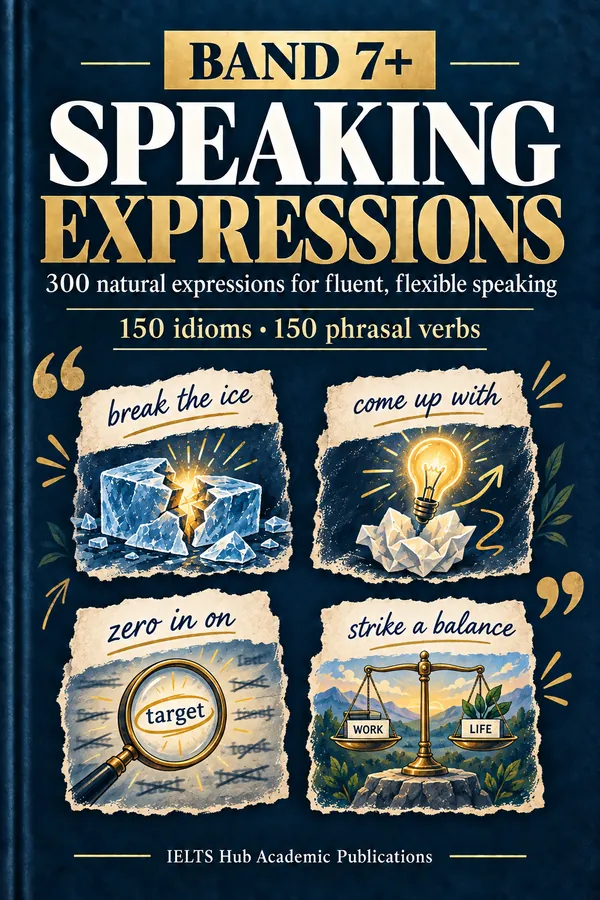
Speaking
Band 7+ Speaking Expressions
300 natural expressions for fluent, flexible speaking
₹199$6.99CAD 8.99AUD 9.99£4.99NZD 10.99€5.99AED 24SGD 8.99
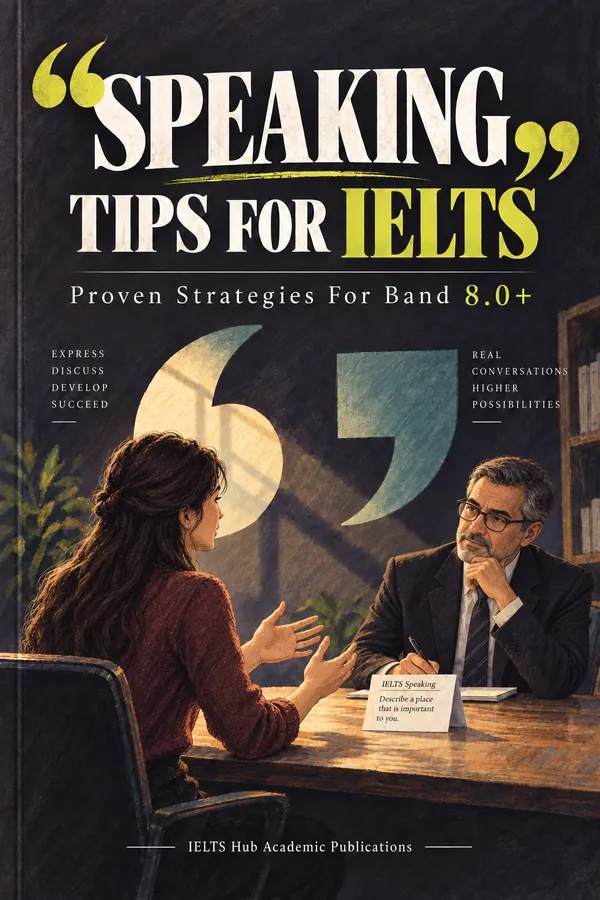
Speaking
Speaking Tips for IELTS
Proven Strategies for Band 8.0+
₹299$9.99CAD 13.99AUD 14.99£7.99NZD 16.99€8.99AED 39SGD 12.99
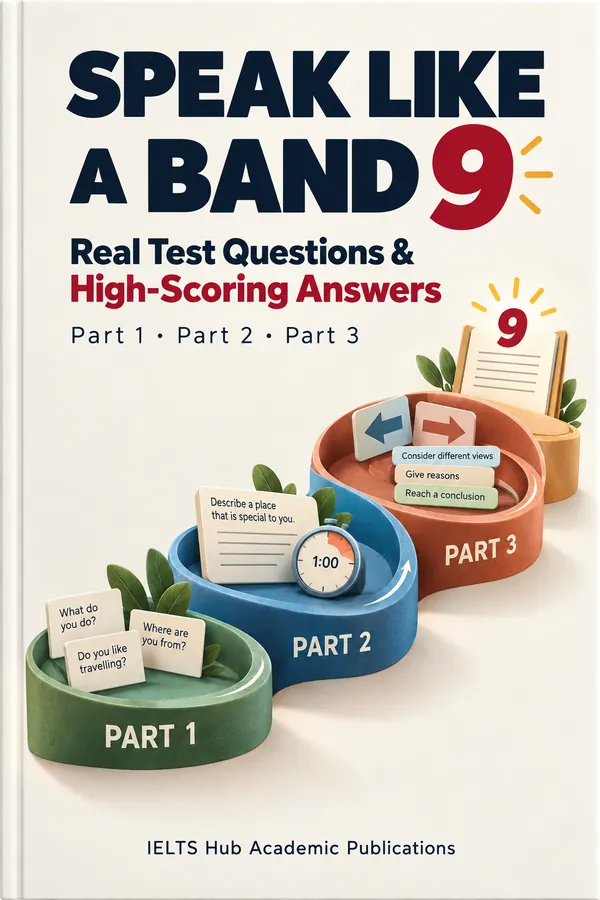
Speaking
Speak Like a Band 9
Real Test Questions & High-Scoring Answers
₹299$9.99CAD 13.99AUD 14.99£7.99NZD 16.99€8.99AED 39SGD 12.99