Speaking test #564
Part 1 · Interview
4 to 5 minutes. The examiner asks about you and familiar topics.
Can you tell me your full name?
Where are you from?
Do you work or are you a student?
Did you learn to ride a bike when you were a child?
Yes, I did. I remember learning to ride a bike was one of the most exciting things I did as a child. I remember my parents taking me out to an empty parking lot and teaching me how to balance on two wheels. It was a bit of a struggle at first, but once I got the hang of it, there was no stopping me. I used to love going on long bike rides with my friends and exploring new places.
Is it easy for you to ride a bike in your country?
I think it depends on where you are. In some parts of my country, the roads and infrastructure are really well suited for cycling, with dedicated bike lanes and paths. In other areas, it can be a bit more challenging due to a lack of bike-friendly infrastructure or heavy traffic. However, I think overall, it's not too difficult to find good places to ride a bike in my country.
What do you think are the benefits of riding a bike as a child?
I think there are so many benefits to riding a bike as a child. For one, it's a great form of exercise and helps to promote a healthy lifestyle. Riding a bike can also help to improve balance and coordination, which can have a positive impact on other physical activities. Additionally, riding a bike can be a great way for kids to explore their surroundings and learn about the world around them. It can also foster a sense of independence and self-reliance, as kids can use their bike to get around on their own.
Is it safe to ride a bike on the road?
I think it's generally safe to ride a bike on the road as long as you follow the rules of the road and pay attention to your surroundings. That being said, it's important to remember that cycling on the road can be a bit more dangerous than other forms of transportation, as you don't have the same level of protection as you would in a car. So it's important to be extra vigilant and always wear a helmet when cycling on the road.
What do you usually do in the mornings [before starting your work or studies]?
In the mornings, I usually take some time to wake up and get my bearings before starting my day. I like to have a cup of coffee and maybe do some light stretches or meditation to help me feel more energized and focused. After that, I'll usually spend some time checking my email and going over my schedule for the day.
Do you prefer to go to bed early or late? [Why/Why not?
?] I prefer to go to bed early, as I find that I function better with a full night's sleep. I find that when I stay up late, I'm more prone to making mistakes and feeling less productive the next day. That being said, there are certainly times when I'll stay up later for social or personal reasons, but overall I try to prioritize getting enough rest.
Do you like to do the same things every weekend? [Why/Why not?
?] It really depends on my mood and what's going on in my life. Some weekends, I might feel like being more spontaneous and trying something new, while other times I might prefer to stick to my usual routine. I think it's important to mix things up and keep things interesting, but it's also nice to have some predictability and stability in our lives.
Is your daily routine going to change in the future? [Why/Why not?
?] It's hard to say for certain, as life can be unpredictable and things can change unexpectedly. That being said, I'm always open to trying new things and making changes to my routine if I feel like it would be beneficial for me. For example, if I started a new job or moved to a new place, my daily routine would likely change to some degree. Ultimately, it's important to be adaptable and open to new experiences.
You will have to talk about the topic for one to two minutes. You have one minute to think about what you are going to say. You can make some notes to help you if you wish.
Describe an important conversation
You should say:
- Who you had the conversation with
- Where and when the conversation took place
- What the conversation was about
- Why the conversation was important
Who you had the conversation with
I once had an important conversation with my grandfather, who holds a significant place in my life. This conversation took place in the cozy living room of my family home on a serene Sunday afternoon. We were discussing the importance of family values and traditions, a topic that holds great significance in our culture. The conversation was crucial as it provided me with a deeper understanding of my roots and helped strengthen the bond between my grandfather and me.
Where and when the conversation took place
My grandfather and I often engage in meaningful conversations, but this particular one stands out due to its timing and content. It was a calm Sunday afternoon, the perfect setting for a heart-to-heart talk. As we sipped on tea, my grandfather shared stories from his youth, highlighting the values that have been passed down through generations in our family. This conversation made me realize the importance of cherishing our heritage and carrying forward the legacy of our ancestors.
What the conversation was about
The conversation revolved around the significance of family values and traditions in shaping our identity and character. My grandfather emphasized the importance of respecting our elders, staying connected with our roots, and preserving our cultural heritage. He shared anecdotes from his own life that illustrated how these values have guided him through challenges and shaped his outlook on life. This conversation helped me appreciate the richness of my cultural heritage and instilled in me a sense of pride in my roots.
Why the conversation was important
Overall, this conversation with my grandfather was crucial in strengthening my sense of identity and connection to my family heritage. It deepened my appreciation for the values that have been passed down through generations and inspired me to uphold these traditions in my own life. The wisdom and insights shared by my grandfather during this conversation continue to resonate with me, shaping my beliefs and guiding my actions as I navigate through life.
- Words
- 311
- Sentences
- 15
- Words per sentence
- 20.7
- Speaking time
- about 2.4 min
Counted at 130 words a minute. The exam gives you one to two minutes.
Part 3 · Discussion
4 to 5 minutes. The examiner asks broader questions linked to the cue card topic.
How do serious talks differ from casual chats?
Important conversations and casual discussions differ significantly in terms of their purpose and emotional weight. For instance, important conversations often revolve around serious topics like relationships, career decisions, or personal issues, which necessitate a deep level of engagement and thoughtful consideration. In contrast, casual discussions tend to be light-hearted and can range from daily gossip to sharing opinions about trivial matters, allowing for a more relaxed atmosphere. Moreover, the stakes in important conversations are usually higher, which means that the participants may feel a greater sense of responsibility to communicate effectively and empathetically. This can lead to a more structured exchange where active listening and nuanced feedback are crucial. Ultimately, while both types of conversations play essential roles in our social interactions, the depth and significance of important conversations set them apart in a profound way.
Some people think that key talks can alter a relationship's path. What do you think about this?
Absolutely, I wholeheartedly agree that important conversations can dramatically change the course of a relationship. Communication is the bedrock of any healthy connection, and when two individuals engage in a meaningful dialogue, it often leads to a deeper understanding of each other’s needs and desires. For instance, discussing feelings or expectations can clear up misunderstandings and pave the way for a stronger bond. Additionally, such conversations can act as turning points, allowing individuals to either resolve conflicts or, in some cases, recognize that they may not be right for each other. Ultimately, the ability to communicate openly and honestly can be a game changer in any relationship.
How important do you think good communication is for reaching personal or work goals?
Effective communication is absolutely crucial in both personal and professional contexts. It serves as the foundation for building strong relationships, whether with friends or colleagues. In a professional setting, being able to articulate ideas clearly can significantly enhance teamwork and collaboration, leading to a more productive environment. Moreover, when you communicate effectively, you can navigate challenges more smoothly, as misunderstandings are less likely to arise. Ultimately, mastering this skill can be the key to unlocking numerous opportunities and achieving success in life.
Why do you think some talks matter more than others in a person's life?
I think some conversations leave a lasting impression because they often touch on deeply personal or pivotal moments in our lives. For example, a heart-to-heart talk with a close friend can provide clarity during tough times, leading to transformative decisions. These discussions can also introduce new perspectives that challenge our existing beliefs, making us rethink our choices. Furthermore, the emotional connection we share with the person we’re conversing with can amplify the impact of the exchange. Ultimately, it’s those moments of genuine connection and vulnerability that tend to resonate the most and shape our paths moving forward.
How could important talks change in the next few years with new technology?
That's a fascinating question! As technology continues to advance at a rapid pace, I believe the nature of important conversations will become increasingly streamlined and accessible. For instance, video calls and virtual reality platforms are already facilitating face-to-face interactions, regardless of geographical barriers. This means that people can engage in meaningful dialogues without the constraints of distance, which could lead to more diverse perspectives being shared. Moreover, with the rise of AI-driven tools, we might see conversations becoming more tailored to individual needs and preferences, enhancing the overall experience. Imagine having a conversation that’s not only fluid but also enriched by real-time data and insights, making discussions even more productive. Ultimately, while the medium may change, the essence of human connection remains paramount, and I’m excited to see how these advancements will shape our interactions in the coming years!
What methods can people use to make their important talks more effective?
To ensure that important conversations are more productive, individuals can employ several effective strategies. Firstly, it's crucial to actively listen to the other person's perspective. This means not just hearing their words, but really understanding their feelings and intentions. Additionally, setting a clear agenda before the conversation can help keep the discussion focused and prevent it from veering off track. It's also beneficial to ask open-ended questions, which encourage deeper dialogue and can uncover valuable insights. Finally, maintaining a positive and respectful tone can foster an environment where both parties feel comfortable sharing their thoughts openly. Overall, these strategies can significantly enhance the quality of communication.
Go further with the books
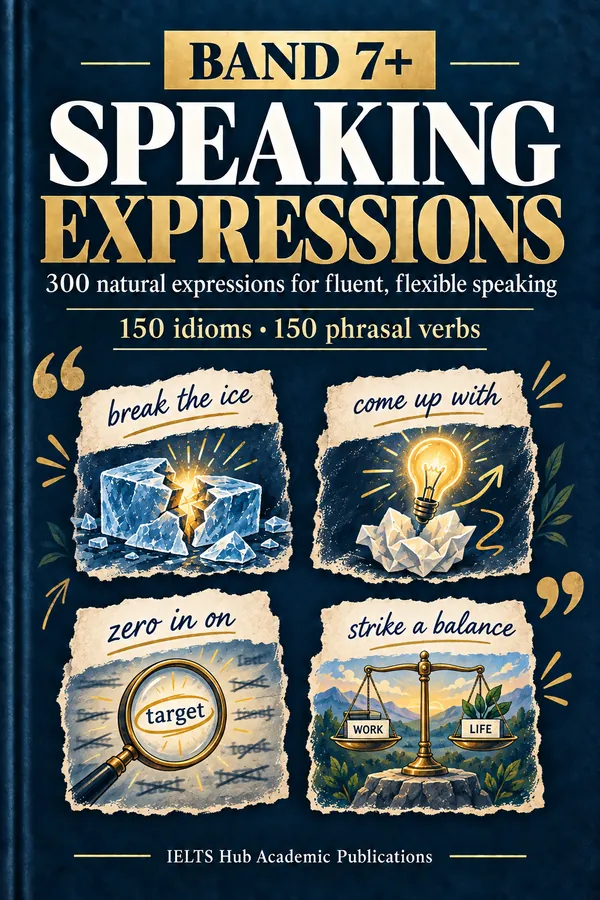
Speaking
Band 7+ Speaking Expressions
300 natural expressions for fluent, flexible speaking
₹199$6.99CAD 8.99AUD 9.99£4.99NZD 10.99€5.99AED 24SGD 8.99
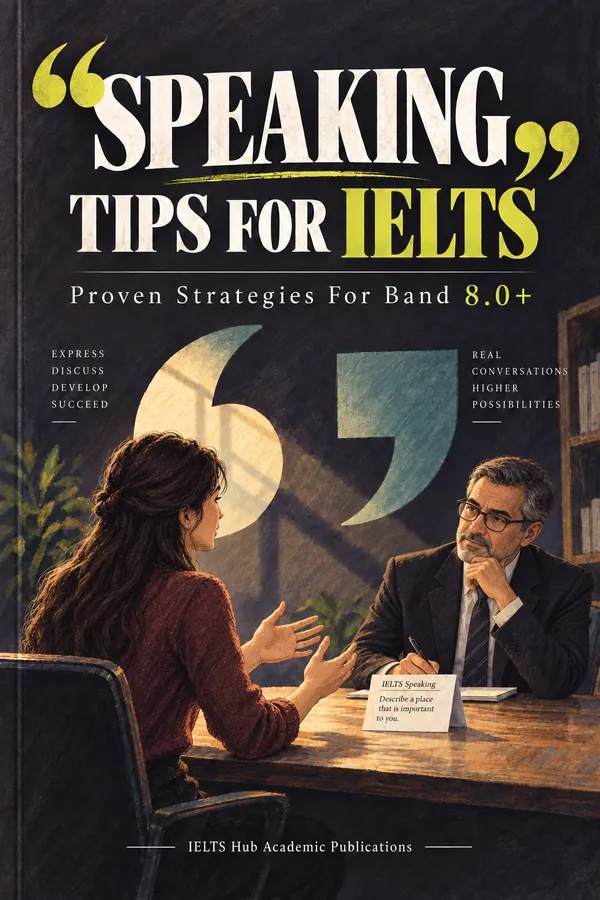
Speaking
Speaking Tips for IELTS
Proven Strategies for Band 8.0+
₹299$9.99CAD 13.99AUD 14.99£7.99NZD 16.99€8.99AED 39SGD 12.99
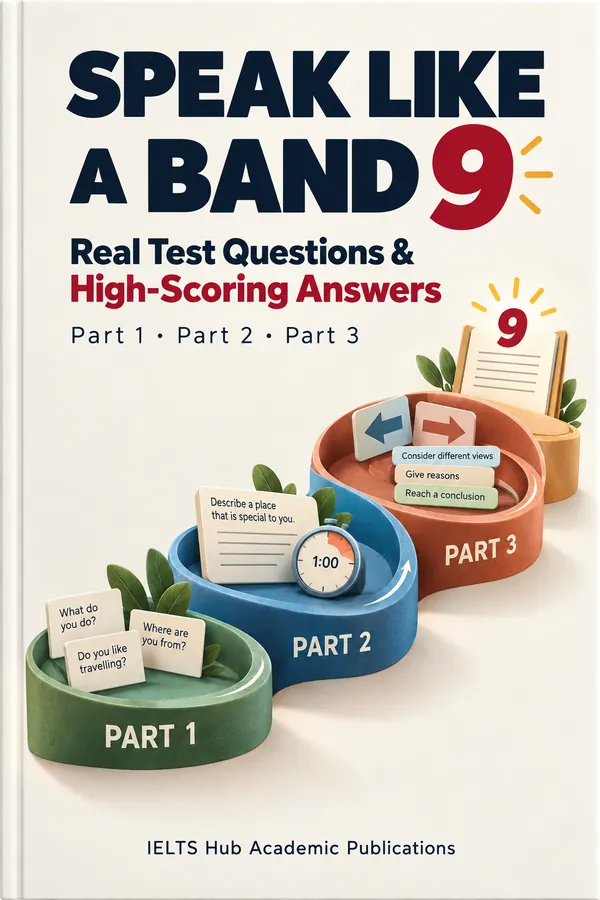
Speaking
Speak Like a Band 9
Real Test Questions & High-Scoring Answers
₹299$9.99CAD 13.99AUD 14.99£7.99NZD 16.99€8.99AED 39SGD 12.99