Speaking test #569
Part 1 · Interview
4 to 5 minutes. The examiner asks about you and familiar topics.
Can you tell me your full name?
Where are you from?
Do you work or are you a student?
Do you drive often?
Oh yeah, I'm a pretty frequent driver. I enjoy getting behind the wheel and hitting the open road. It's just something that comes naturally to me.
Do you want your children to drive in the future?
Absolutely. I think driving is an important skill to have and it gives you a sense of independence and freedom. Plus, it's convenient to be able to transport yourself wherever you need to go.
At what age are people allowed to drive a car in your country?
In my country, you can get your driver's license at the age of 18. I think that's a pretty reasonable age to start driving, as long as you have the proper training and education.
Do you think it's difficult to drive a car?
It can be, depending on the individual. Some people just seem to have a knack for it and pick it up quickly, while others may struggle a bit more. I think the key is to stay focused and stay safe on the road. As long as you do that, driving can be a breeze.
How often do you eat out in a restaurant?
I eat out at restaurants quite frequently, perhaps a few times a week. I find it to be a great way to try new foods and catch up with friends and family.
What type of restaurants do you like best?
I have a real fondness for authentic ethnic restaurants, particularly those that specialize in Indian cuisine. I love the rich and complex flavors that are characteristic of traditional Indian dishes.
What type the restaurants are popular in your country (India)?
In India, there is a wide variety of popular restaurants catering to all kinds of tastes and budgets. You can find everything from street food vendors and casual cafes, to fine-dining establishments and luxury hotel restaurants. Some of the most popular types of restaurants include those serving Indian, Chinese, and Continental cuisine.
When did you last go to a restaurant?
I last went to a restaurant last night. I met up with some friends at a local Italian place and had a lovely time. We shared some antipasti and I had a delicious pasta dish for my main course.
You will have to talk about the topic for one to two minutes. You have one minute to think about what you are going to say. You can make some notes to help you if you wish.
Describe an interesting person you know
You should say:
- How you know this person
- What makes this person interesting
- What activities you do together
- How this person has influenced you
How you know this person
I would like to talk about my neighbor, Mrs. Sharma, who is a truly fascinating individual that I have known for several years now. Mrs. Sharma and I first crossed paths when I moved into my current neighborhood, and since then, we have developed a strong bond based on mutual respect and admiration.
What makes this person interesting
What makes Mrs. Sharma so interesting is her insatiable curiosity and zest for life. Despite being in her late 60s, she exudes a youthful energy and enthusiasm for trying new things and exploring different cultures. Her adventurous spirit is truly infectious and has inspired me to step out of my comfort zone and embrace new experiences.
What activities you do together
One of the activities that Mrs. Sharma and I enjoy doing together is gardening. She has a beautiful garden filled with exotic plants and flowers, and she has taught me a great deal about horticulture and the importance of connecting with nature. Spending time tending to her garden has become a therapeutic and bonding experience for us.
How this person has influenced you
Mrs. Sharma has had a profound influence on me, teaching me valuable life lessons about resilience, kindness, and the importance of staying curious and open-minded. Her positive outlook on life and her ability to find joy in the simplest of things have encouraged me to approach challenges with a similar mindset. In essence, Mrs. Sharma has not only enriched my life but has also helped me become a better version of myself.
- Words
- 238
- Sentences
- 17
- Words per sentence
- 14.0
- Speaking time
- about 1.8 min
Counted at 130 words a minute. The exam gives you one to two minutes.
Part 3 · Discussion
4 to 5 minutes. The examiner asks broader questions linked to the cue card topic.
What makes an interesting person different from a regular person in society?
That's a fascinating question! An interesting person often possesses a unique blend of qualities that sets them apart from the average individual. For instance, they might have a strong sense of curiosity about the world, which drives them to explore new ideas and experiences. While many people may conform to societal norms, interesting individuals tend to embrace their individuality, often engaging in unconventional pursuits or hobbies that ignite their passion. Additionally, they usually exhibit a remarkable level of emotional intelligence, allowing them to connect with others on a deeper level, which can make conversations genuinely captivating. In contrast, a typical person might be more focused on fitting in and adhering to societal expectations, which can sometimes lead to a less vibrant personality. Ultimately, it's this willingness to be authentic and adventurous that truly makes someone stand out in a crowd!
Do you think the qualities often seen in interesting people are worth something?
Absolutely, I believe the traits commonly found in interesting individuals hold immense value. For instance, curiosity often drives them to explore new ideas and experiences, which can lead to innovative thinking and creative solutions. Additionally, traits like empathy and open-mindedness allow them to connect with diverse perspectives, enriching their understanding of the world. This not only enhances their personal relationships but also fosters a more inclusive community. Ultimately, being interesting isn't just about being unique; it's about engaging with the world in a meaningful way that inspires others.
How do you think curiosity makes someone interesting?
Curiosity is absolutely fundamental in shaping someone as interesting, as it drives a person's desire to explore and learn about the world around them. When someone is genuinely curious, they tend to ask profound questions and seek out diverse experiences, which can lead to fascinating conversations and insights. This thirst for knowledge not only enriches their own life but also makes them more engaging to others. Moreover, a curious individual often possesses a unique perspective, allowing them to connect seemingly unrelated ideas, which can be incredibly captivating. In essence, curiosity acts as a catalyst for personal growth and meaningful connections, making someone truly stand out in social settings.
Why do you think people are attracted to those with interesting experiences or stories?
I think people are inherently curious and fascinated by the diverse tapestry of human experience. When someone shares a unique story, it often serves as a window into a world that is vastly different from our own, igniting a sense of wonder and empathy. Additionally, these stories can challenge our perceptions and broaden our horizons, making us feel more connected to others. It’s like hearing an adventure that transcends the mundane aspects of daily life, reminding us that there’s so much more out there. Ultimately, unique experiences foster genuine conversations and create lasting connections, which is something we all crave.
What would happen in society if more people were seen as interesting?
If more people were considered interesting, I believe we would witness a significant shift in social dynamics. For one, there would likely be an increase in meaningful connections among individuals, as people would be more inclined to engage with one another. This could foster a culture of open-mindedness and curiosity, where diverse perspectives are not just welcomed but celebrated. Additionally, I think this newfound appreciation for individuality could lead to a more vibrant and inclusive society, as everyone would feel encouraged to express their unique qualities. Overall, it could create an environment where creativity and collaboration thrive, ultimately benefiting communities as a whole!
How can communities get more people to share their personal stories and experiences?
Communities can adopt several engaging strategies to encourage individuals to share their unique stories and experiences. One effective approach is to organize storytelling festivals or open mic events, where people can take the stage and narrate their personal tales in a supportive atmosphere. This not only fosters a sense of belonging but also creates an opportunity for diverse voices to be heard. Additionally, utilizing social media platforms as a means of sharing stories can greatly expand their reach; community-driven hashtags can motivate individuals to post their narratives and connect with others. Lastly, offering workshops focused on writing or speaking can empower individuals with the skills they need to articulate their experiences confidently. By creating these inclusive spaces, communities can cultivate a rich tapestry of shared human experiences.
Go further with the books
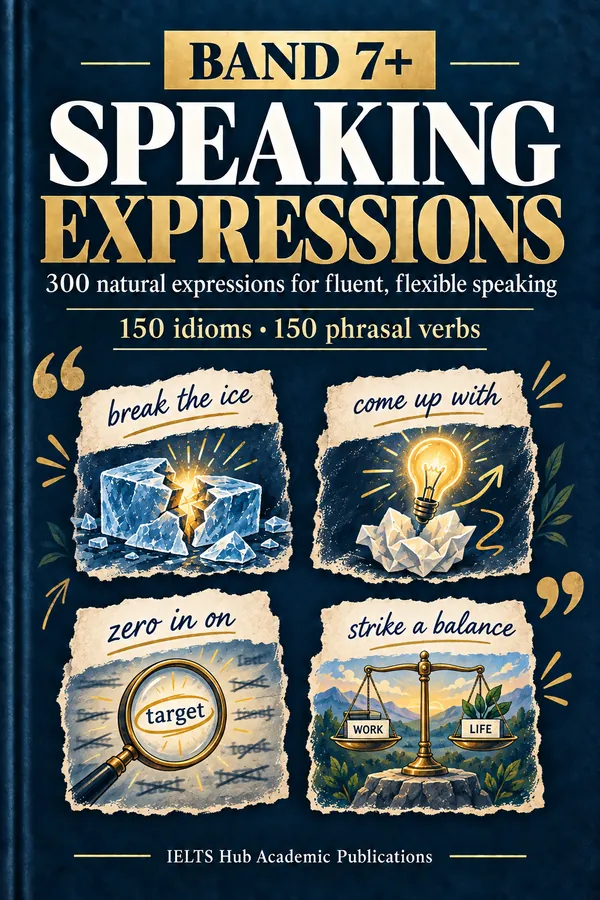
Speaking
Band 7+ Speaking Expressions
300 natural expressions for fluent, flexible speaking
₹199$6.99CAD 8.99AUD 9.99£4.99NZD 10.99€5.99AED 24SGD 8.99
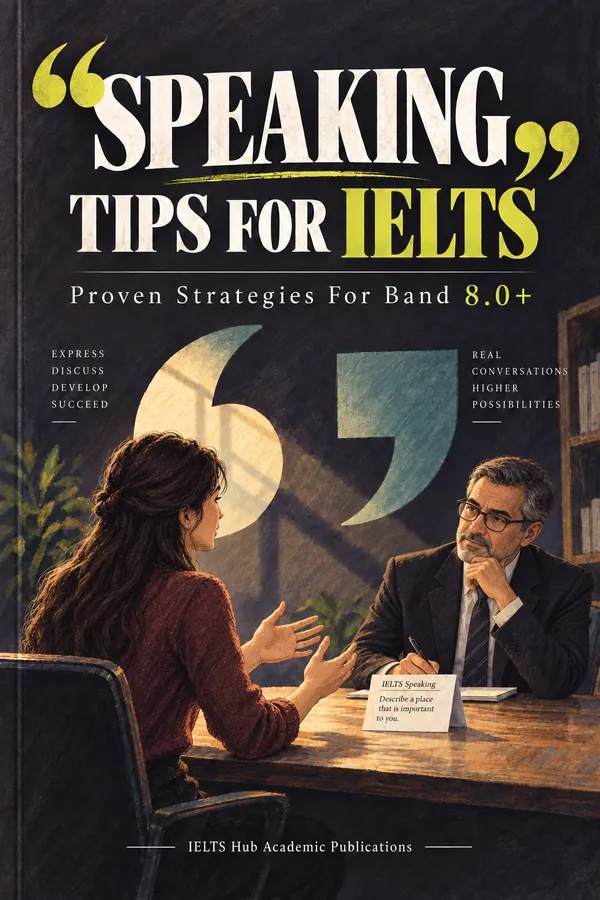
Speaking
Speaking Tips for IELTS
Proven Strategies for Band 8.0+
₹299$9.99CAD 13.99AUD 14.99£7.99NZD 16.99€8.99AED 39SGD 12.99
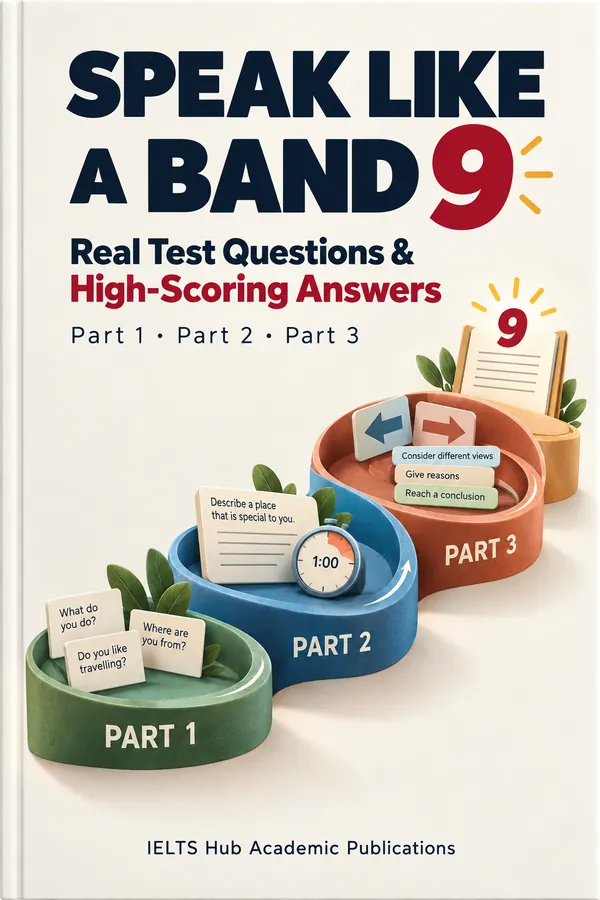
Speaking
Speak Like a Band 9
Real Test Questions & High-Scoring Answers
₹299$9.99CAD 13.99AUD 14.99£7.99NZD 16.99€8.99AED 39SGD 12.99