Speaking test #582
Part 1 · Interview
4 to 5 minutes. The examiner asks about you and familiar topics.
Can you tell me your full name?
Where are you from?
Do you work or are you a student?
What's your favourite hairstyle?
My favourite hairstyle would have to be a sleek and polished look. I like to keep my hair well-groomed and styled in a classic way.
How often do you have your hair cut?
I try to get my hair cut every 6-8 weeks, as I find that this helps keep it looking healthy and well-maintained.
How much do you usually spend on your hair?
I usually spend around $50 to $71 on a haircut, depending on where I go. I also like to invest in good hair care products to keep my hair looking its best, so I spend a bit more on those.
Do you often change your hairstyle?
I don't tend to change my hairstyle very often, as I like to keep it fairly consistent. However, I do occasionally experiment with different looks or trims to change things up a bit.
You will have to talk about the topic for one to two minutes. You have one minute to think about what you are going to say. You can make some notes to help you if you wish.
When you needed to search for important information
You should say:
- What information you needed to find
- Where you searched for the information
- How long it took you to find the information
- Why the information was important
What information you needed to find
Searching for important information is a common task in our daily lives, and I vividly remember a time when I urgently needed to find details about a research paper topic for my university assignment. The specific information I was looking for revolved around the impact of climate change on marine biodiversity, a crucial aspect of my study. As the deadline was fast approaching, it was imperative for me to locate reliable and up-to-date sources to support my findings.
Where you searched for the information
To begin my search, I utilized various academic databases and online journals to gather scholarly articles and research papers related to marine biodiversity and climate change. I also visited my university library to access physical texts and reference materials that could provide in-depth insights into the subject. Additionally, I reached out to professors and experts in the field for guidance and recommendations on credible sources of information.
How long it took you to find the information
The process of finding the necessary information was both challenging and time-consuming. It took me several days of dedicated research and analysis to sift through the vast amount of data available and identify the most relevant and reliable sources. Despite the obstacles, I persevered in my search, realizing the importance of accurate and well-supported information in shaping the credibility of my research paper.
Why the information was important
The information I sought was pivotal for developing a comprehensive understanding of the topic and presenting a well-rounded argument in my assignment. By delving into the intricate relationship between climate change and marine biodiversity, I was able to highlight the urgency of conservation efforts and raise awareness about the pressing environmental issues facing our planet. In hindsight, the effort I invested in searching for this crucial information not only enhanced the quality of my academic work but also deepened my knowledge and passion for environmental conservation.
- Words
- 294
- Sentences
- 12
- Words per sentence
- 24.5
- Speaking time
- about 2.3 min
Counted at 130 words a minute. The exam gives you one to two minutes.
Part 3 · Discussion
4 to 5 minutes. The examiner asks broader questions linked to the cue card topic.
How is the way people look for information today different from how they used to do it?
The way people search for information today is dramatically different from the past, largely due to the rise of technology and the internet. In the past, individuals relied heavily on physical resources like books, encyclopedias, or even asking others for their knowledge. Now, with just a few clicks, we can access a vast amount of information online, making the process incredibly efficient and immediate. Additionally, social media platforms and search engines provide tailored results, allowing us to find exactly what we need in a matter of seconds. This shift not only enhances our access to information but also influences how we perceive and validate that information, as we must navigate a sea of sources, some of which may not be credible. Overall, it's a fascinating evolution that reflects our changing relationship with knowledge.
Some people think online information is more trustworthy than printed materials. What do you think about this?
I think the debate over the reliability of online information versus printed sources is quite fascinating. On one hand, online platforms offer a vast array of information that can be updated almost instantly, making it incredibly accessible and current. However, the challenge lies in discerning credible sources from misinformation, which can spread like wildfire. Printed materials, on the other hand, often undergo rigorous vetting processes and are usually associated with established publishers, making them more trustworthy in many cases. Ultimately, I believe a balanced approach is essential; using both formats can provide a more comprehensive understanding of any topic.
How is getting correct information important in today's world?
Accessing accurate information is absolutely vital in today's society for several reasons. Firstly, in an era dominated by rapid technological advancements and the internet, misinformation can spread like wildfire, leading to misguided perceptions and decisions. For instance, during a public health crisis, having access to reliable data can mean the difference between life and death. Moreover, accurate information fosters informed decision-making, empowering individuals to make choices based on facts rather than hearsay. Ultimately, the ability to discern credible information is essential for nurturing critical thinking, which is crucial in navigating the complexities of modern life.
Why do you think some people choose to look for information online instead of using books or libraries?
I think the preference for searching information online has a lot to do with convenience and accessibility. With just a few clicks, people can find a wealth of knowledge on virtually any topic, which is incredibly appealing in our fast-paced world. Additionally, online resources are often updated in real-time, providing the latest information that might not be available in printed materials. Furthermore, many individuals enjoy the interactive nature of digital content, which can include videos, podcasts, and forums that foster a sense of community and engagement. In short, the allure of immediate answers and the vast array of formats available make online searching a popular choice for many.
What changes could happen in the future about how people look for important information?
In the future, I believe we'll witness a significant shift towards more intuitive and personalized methods of searching for important information. With advancements in artificial intelligence and machine learning, search engines will likely become incredibly adept at understanding individual preferences and contexts. Imagine a world where your device anticipates your questions before you even ask them, delivering tailored answers based on your habits and interests! Additionally, we might see a rise in voice-activated searches, making information retrieval even more seamless and user-friendly. Overall, these changes could lead to a more efficient and accessible way of finding information that truly meets our needs.
What steps can be taken to make online information more trustworthy?
To enhance the reliability of information found online, several measures could be implemented. First and foremost, individuals should be encouraged to critically evaluate sources, looking for signs of credibility, such as established authorship and peer-reviewed content. Additionally, platforms could introduce strict verification processes to ensure that the information shared is accurate and trustworthy. Another effective strategy would be the promotion of digital literacy programs, teaching users how to discern between credible information and misinformation. Lastly, collaboration between tech companies and fact-checking organizations could create a more robust framework for identifying and flagging dubious content. By adopting these measures, we could significantly improve the quality of information available on the internet.
Go further with the books
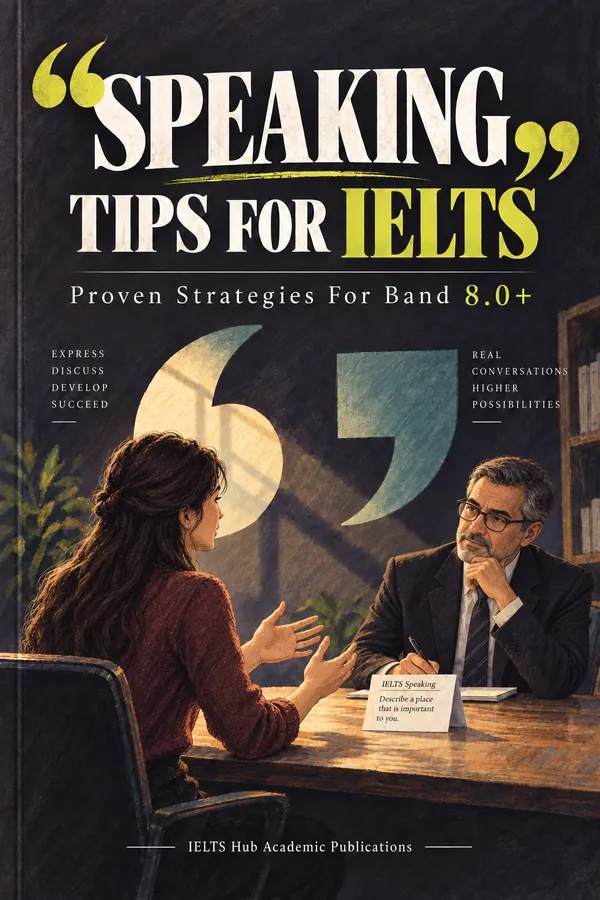
Speaking
Speaking Tips for IELTS
Proven Strategies for Band 8.0+
₹299$9.99CAD 13.99AUD 14.99£7.99NZD 16.99€8.99AED 39SGD 12.99
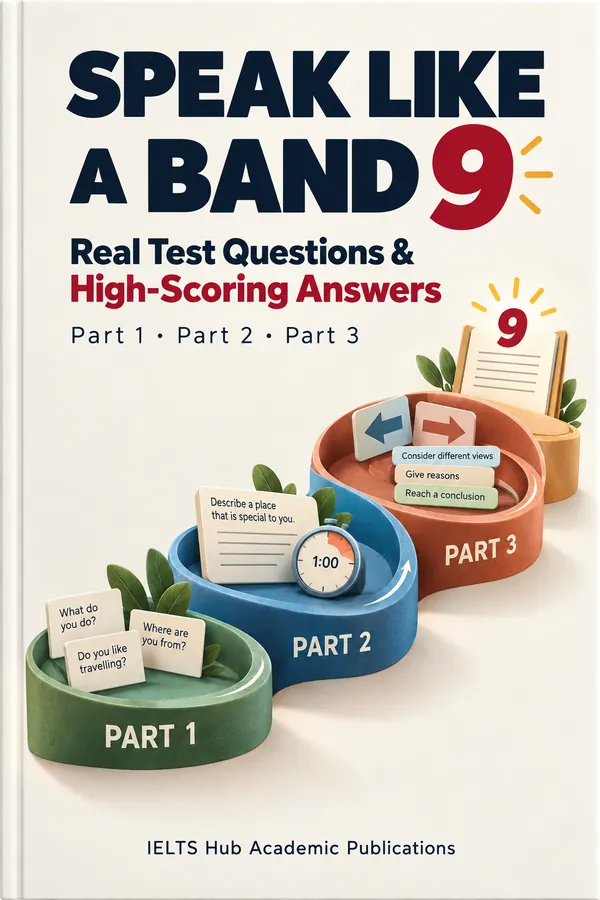
Speaking
Speak Like a Band 9
Real Test Questions & High-Scoring Answers
₹299$9.99CAD 13.99AUD 14.99£7.99NZD 16.99€8.99AED 39SGD 12.99
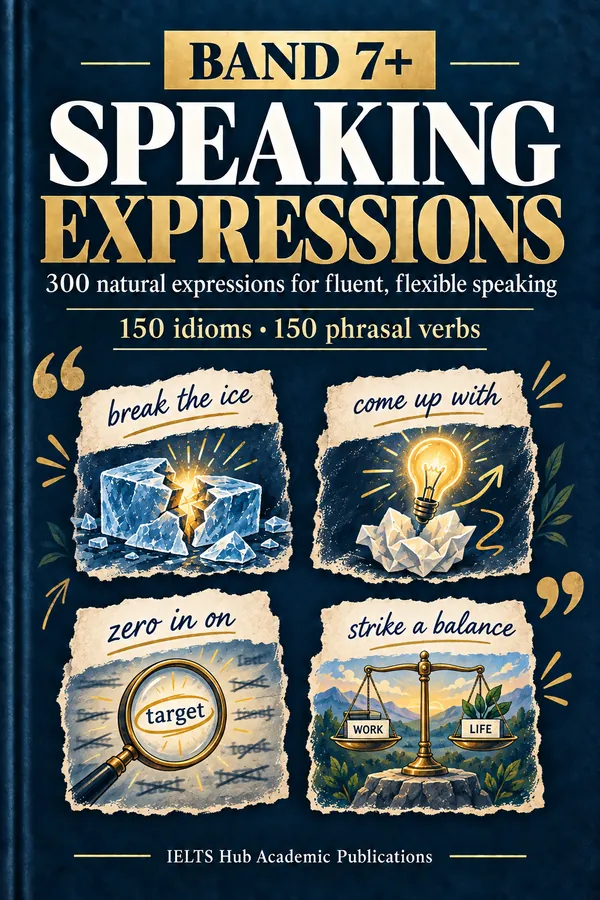
Speaking
Band 7+ Speaking Expressions
300 natural expressions for fluent, flexible speaking
₹199$6.99CAD 8.99AUD 9.99£4.99NZD 10.99€5.99AED 24SGD 8.99