Speaking test #589
Part 1 · Interview
4 to 5 minutes. The examiner asks about you and familiar topics.
Can you tell me your full name?
Where are you from?
Do you work or are you a student?
What's your favorite indoor activity?
My favorite indoor activity is definitely reading. I love getting lost in a good book and immersing myself in different worlds and characters. It's a great way to relax and unwind after a long day.
Do you prefer to play indoor games or outdoor games?
I really enjoy both indoor and outdoor games. Outdoor games are great for getting some fresh air and exercise, but indoor games can be just as fun and engaging. It really depends on my mood and the weather.
What indoor games did you play when you were a child?
When I was a child, I loved playing board games and card games with my family. We would often spend hours playing Monopoly, Scrabble, and Rummy. It was a great way to bond and spend time together.
What sorts of indoor games do children in your country play now?
Nowadays, children in my country seem to be more interested in playing video games and computer games. They also enjoy playing sports games and puzzle games. However, traditional indoor games like board games and card games are still popular among families and friends.
Do you like insects?
Personally, I have a bit of a mixed opinion when it comes to insects. Some of them, like butterflies and ladybugs, are quite beautiful and fascinating to observe, but others, like cockroaches and mosquitoes, can be quite unpleasant and even dangerous. So, I suppose you could say that it depends on the specific type of insect in question.
Do you think insects are useful?
Definitely! Insects play an incredibly important role in many ecosystems and are vital for pollination, pest control, and even as a food source for other animals. For example, bees are responsible for pollinating a large percentage of the fruits, vegetables, and nuts that we eat. Without insects, our world would be a very different and less diverse place.
What kinds of insects make some people scared?
I think it's safe to say that most people have a bit of a phobia when it comes to certain types of insects, like spiders, for example. Other insects that can make people feel uneasy include cockroaches, beetles, and even some species of ants. These insects are often seen as dirty or creepy and can evoke feelings of disgust or fear in some people.
Are there many different insects in the place where you live?
Yes, there are quite a few different types of insects where I live. We have everything from the common house fly to various types of butterflies and moths. There are also quite a few types of beetles and ants, as well as some interesting types of praying mantises and other types of bugs. It's quite fascinating to see the diversity of insects that can be found in even just one small area.
You will have to talk about the topic for one to two minutes. You have one minute to think about what you are going to say. You can make some notes to help you if you wish.
Describe someone who is good at cooking
You should say:
- How you know this person
- What kind of dishes this person cooks
- Why you think this person is good at cooking
- How this person's cooking has impacted you
How you know this person
In my culture, cooking is considered an art form, and I am fortunate to know a person who truly excels in this craft. The person I am describing is my grandmother, who has been an integral part of my life since childhood. She is not only my family's matriarch but also a culinary genius whose cooking abilities never fail to impress me.
What kind of dishes this person cooks
My grandmother is known for her diverse culinary skills and the wide array of dishes she prepares. From traditional Indian delicacies like biryani and samosas to international cuisines like pasta and sushi, there is no dish she cannot master. Her ability to blend flavors and textures in a harmonious way sets her apart as a truly exceptional cook.
Why you think this person is good at cooking
I believe my grandmother's culinary prowess stems from her passion for cooking and her unwavering dedication to perfecting her recipes. She approaches cooking with both creativity and precision, always experimenting with new ingredients and techniques to enhance the flavors of her dishes. Her meticulous attention to detail and relentless pursuit of culinary excellence are what make her a standout cook in my eyes.
How this person's cooking has impacted you
The impact of my grandmother's cooking on me has been profound. Not only has she passed down her culinary knowledge to me, but her delicious meals have also created some of the most cherished memories of my life. Her cooking has brought our family together during festive occasions and everyday meals, fostering a sense of warmth and togetherness that I will always treasure. Overall, my grandmother's exceptional cooking skills have not only enriched my palate but have also enriched my life in countless ways.
- Words
- 267
- Sentences
- 13
- Words per sentence
- 20.5
- Speaking time
- about 2.1 min
Counted at 130 words a minute. The exam gives you one to two minutes.
Part 3 · Discussion
4 to 5 minutes. The examiner asks broader questions linked to the cue card topic.
How can a person's cooking skills affect their social life differently than someone who doesn't like to cook?
Cooking skills can significantly shape a person's social life, often serving as a catalyst for social interactions and gatherings. For those who enjoy cooking, it can be a way to forge connections with friends and family, as inviting people over for a homemade meal creates a warm and inviting atmosphere. Conversely, someone who doesn't relish cooking may miss out on these opportunities for social bonding, as they might rely more on takeout or dining out, which often lacks the personal touch of a home-cooked meal. Additionally, cooking can be a shared activity that fosters deeper relationships, allowing individuals to collaborate and create together, while those who shy away from it may find their social circle more limited. Overall, the ability to whip up a delicious dish can not only enhance one's culinary repertoire but also enrich their social experiences.
How important do you think cooking skills are for having a happy life?
Culinary skills play a pivotal role in leading a fulfilling life, and I’d say they are essential to a significant extent. Being able to cook not only allows you to prepare nutritious meals but also fosters creativity and self-expression. Moreover, cooking can be a fantastic way to bond with family and friends, creating lasting memories around the dining table. Beyond the practical benefits, it can also be incredibly satisfying to whip up a dish from scratch, giving you a sense of accomplishment and independence. Overall, developing these skills can enhance both your physical health and emotional well-being, making life more enjoyable and rewarding.
How important do you think cooking skills are in shaping a person's identity or understanding of culture?
I believe cooking skills are incredibly significant in shaping a person's identity and enhancing their cultural understanding. When individuals engage in cooking, they often connect with their heritage, discovering the stories and traditions behind each dish. It's fascinating how food can serve as a bridge between generations, allowing us to appreciate our roots while also embracing new influences. Moreover, mastering cooking techniques can foster a sense of pride and accomplishment, which contributes to one's self-identity. Ultimately, food is not just sustenance; it embodies memories, values, and even social connections, making it a vital aspect of our cultural landscape.
Why do you think some people are better at learning cooking skills than others?
I believe the inclination to develop cooking skills varies greatly among individuals due to a mix of personal interest, upbringing, and lifestyle choices. For some, cooking is seen as a creative outlet, allowing them to experiment with flavors and techniques, which can be incredibly fulfilling. Additionally, those who grew up in households where cooking was a central activity often inherit a passion for it, as they associate it with family bonding and cultural traditions. On the other hand, busy lifestyles or a lack of interest can discourage others from investing time in the kitchen, leading them to rely on convenience foods instead. Ultimately, it’s a combination of these factors that shapes one’s culinary journey!
What changes do you think could happen in cooking over the next ten years?
I believe the culinary world is poised for some fascinating changes in the next decade! One major shift could be the rise of sustainable eating practices, as more people become aware of the environmental impact of food production. We might see an increase in plant-based diets, with innovative food alternatives that mimic the taste and texture of meat. Additionally, technology will likely play a significant role, with advancements in smart kitchens and even AI-driven recipes that cater to individual preferences. Finally, I wouldn't be surprised to see a greater fusion of global cuisines, as cultures continue to intertwine and influence each other, leading to exciting new flavors and dishes!
What steps can be taken to get more people interested in learning to cook?
There are several effective measures that could be implemented to encourage more people to learn how to cook. First and foremost, incorporating cooking classes into school curriculums would provide children with essential skills from an early age, making it less daunting for them as they grow older. Additionally, community centers could offer affordable cooking workshops that cater to various skill levels, fostering a sense of community engagement and making cooking feel more accessible. Social media platforms could also play a pivotal role by promoting cooking challenges and sharing easy-to-follow recipes, which might spark interest among younger generations. Lastly, highlighting the benefits of cooking at home, such as healthier eating habits and cost savings, could motivate individuals to pick up this invaluable skill.
Go further with the books
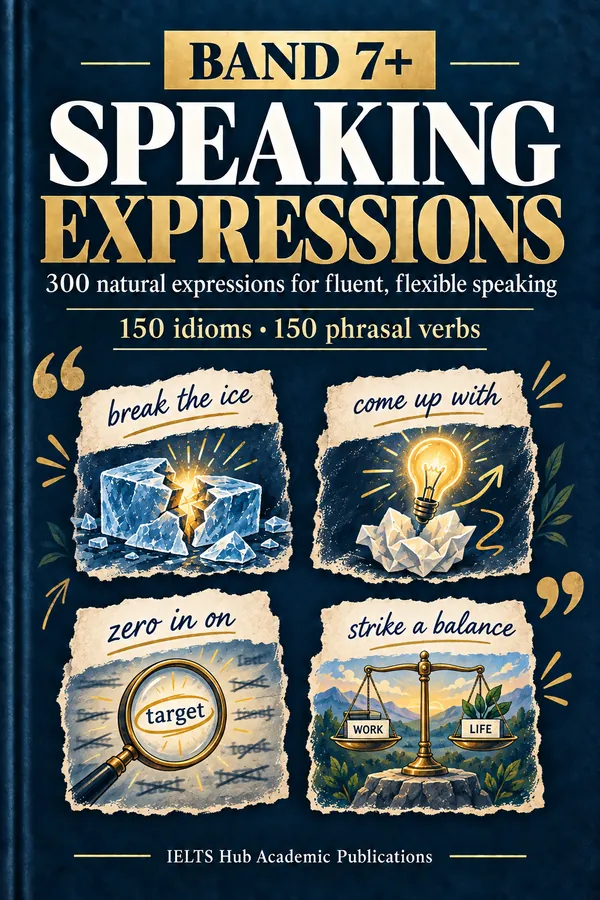
Speaking
Band 7+ Speaking Expressions
300 natural expressions for fluent, flexible speaking
₹199$6.99CAD 8.99AUD 9.99£4.99NZD 10.99€5.99AED 24SGD 8.99
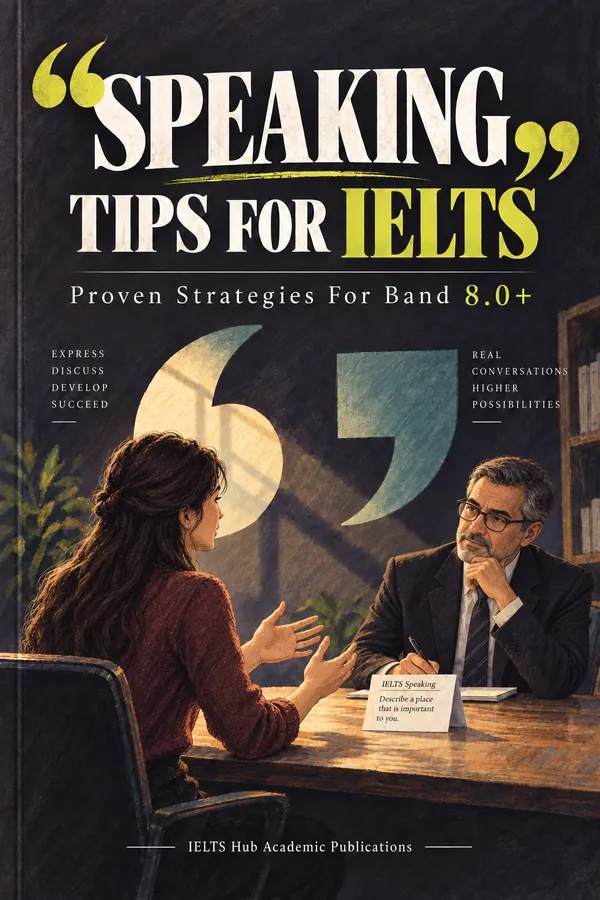
Speaking
Speaking Tips for IELTS
Proven Strategies for Band 8.0+
₹299$9.99CAD 13.99AUD 14.99£7.99NZD 16.99€8.99AED 39SGD 12.99
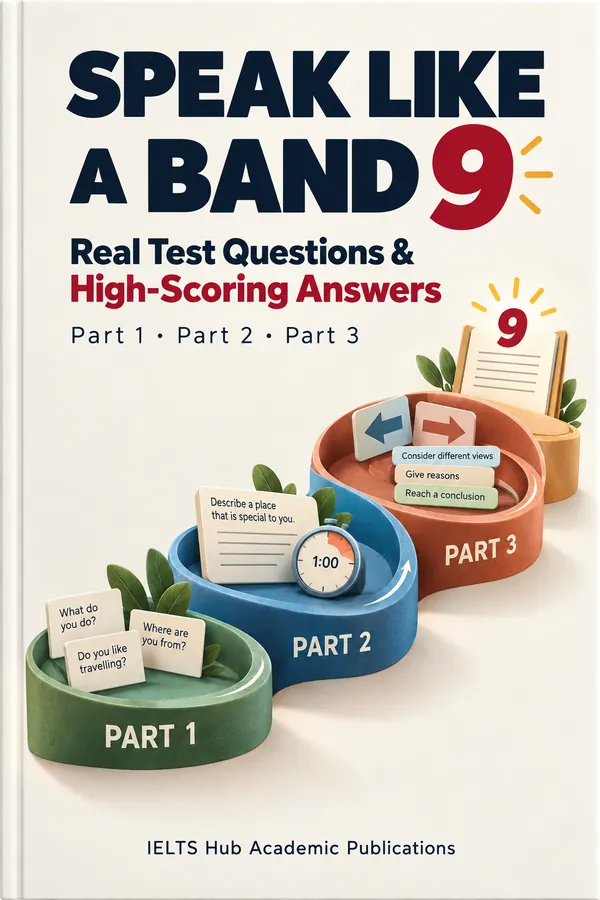
Speaking
Speak Like a Band 9
Real Test Questions & High-Scoring Answers
₹299$9.99CAD 13.99AUD 14.99£7.99NZD 16.99€8.99AED 39SGD 12.99