Speaking test #591
Part 1 · Interview
4 to 5 minutes. The examiner asks about you and familiar topics.
Can you tell me your full name?
Where are you from?
Do you work or are you a student?
Do you like to wear jeans?
I absolutely adore wearing jeans. They are comfortable, versatile, and timeless. I find them to be a perfect choice for any occasion, whether it's a casual day out or a more formal event. They are simply a staple in my wardrobe.
Did you ever wear jeans at school?
Yes, I did wear jeans at school. I remember my school had a relaxed dress code and jeans were allowed. I would often wear them on casual days or when I knew I would be doing a lot of physical activity. They were always my go-to choice as they were comfortable and practical.
Why are jeans famous all around the world?
Jeans are famous all around the world because they are a timeless and versatile piece of clothing. They are suitable for all ages, genders, and occasions, making them a popular choice for people everywhere. Additionally, their durability and ruggedness make them perfect for everyday wear, making them a practical choice for many people.
Would you buy an expensive pair of jeans?
I would certainly consider buying an expensive pair of jeans if I felt that they were worth the investment. I believe that quality is more important than price, so if an expensive pair of jeans was made from high-quality materials and was well-crafted, I would definitely consider buying them. I also think that investing in a high-quality pair of jeans would be more cost-effective in the long run as they would last longer.
How often do you wear jewellery? [Why/Why not?
?] I wear jewellery quite often, as I find it to be a great way to add a touch of elegance and style to any outfit. I particularly enjoy wearing statement pieces, such as a bold necklace or a pair of statement earrings, as they can really help to make an outfit stand out. However, I also appreciate the simplicity of a delicate pendant or a pair of simple stud earrings, as they can add a touch of elegance without being too overpowering.
What type of jewellery do you like best? [Why/Why not?
?] Personally, I have a strong preference for gold jewellery. I find that the warmth and richness of the metal complements my skin tone very well, and I enjoy the way that it can add a touch of luxury to any outfit. Additionally, I find that gold jewellery is often very versatile and can be worn with a wide range of different styles and colours.
When do people like to give jewellery in your country [Why?
?] In my country, people tend to give jewellery as gifts for special occasions such as birthdays, anniversaries, and weddings. I think that this is because jewellery is often seen as a symbol of love and commitment, and as such is a perfect gift to mark a special occasion. Additionally, many people also like to give jewellery as a way to commemorate important life milestones, such as a graduation or a new job.
Have you ever given jewellery to someone as a gift? [Why/Why not?
?] Yes, I have given jewellery as a gift to several people in my life. I find that jewellery is a very personal and meaningful gift, as it can be worn and treasured for years to come. Additionally, I like to give jewellery as a gift because it allows me to express my feelings and show someone how much I care about them. For example, I have given my mother a beautiful gold necklace as a gift for her birthday and I gave my wife a diamond ring as a gift for our anniversary. I always feel that these gifts were very special for them as well as for me.
You will have to talk about the topic for one to two minutes. You have one minute to think about what you are going to say. You can make some notes to help you if you wish.
Describe a very useful skill you have learned
You should say:
- What skill you learned
- How you learned it
- Why it is useful to you
- How you have used this skill
What skill you learned
I would like to talk about the invaluable skill of multitasking that I have learned, which has been incredibly beneficial in various aspects of my life. I acquired this skill during my undergraduate studies when I had to juggle between attending lectures, working on assignments, participating in extracurricular activities, and managing a part-time job. This demanding schedule forced me to develop effective multitasking abilities out of necessity.
How you learned it
Multitasking has proven to be extremely useful to me in both my academic and professional pursuits. In my studies, it allows me to efficiently balance my coursework, research projects, and personal commitments without compromising on the quality of my work. Moreover, in my current job, where I am required to handle multiple tasks simultaneously, my multitasking skills help me stay organized, meet deadlines, and deliver results effectively.
Why it is useful to you
I have utilized this skill of multitasking in various situations, such as coordinating events, managing projects, and prioritizing tasks based on urgency and importance. For instance, during a recent event planning committee at my workplace, I successfully managed multiple responsibilities simultaneously, such as scheduling meetings, coordinating logistics, and communicating with stakeholders, all while ensuring a seamless execution of the event.
How you have used this skill
In conclusion, the skill of multitasking that I have learned has been instrumental in enhancing my productivity, time management, and overall efficiency in both academic and professional spheres. It has enabled me to handle multiple responsibilities effectively, prioritize tasks strategically, and achieve success in various endeavors. I continue to hone and leverage this skill to navigate through the complexities of modern-day challenges and strive for continuous improvement in all aspects of my life.
- Words
- 267
- Sentences
- 11
- Words per sentence
- 24.3
- Speaking time
- about 2.1 min
Counted at 130 words a minute. The exam gives you one to two minutes.
Part 3 · Discussion
4 to 5 minutes. The examiner asks broader questions linked to the cue card topic.
How do various skills help with personal growth?
Different skills play a crucial role in personal development by fostering a sense of self-awareness and enhancing one’s ability to navigate life’s challenges. For instance, developing communication skills can significantly improve our interpersonal relationships, allowing us to express ourselves more clearly and understand others better. This not only builds emotional intelligence but also helps in creating stronger connections with those around us. Moreover, learning problem-solving skills equips individuals to tackle obstacles with confidence, promoting resilience and a proactive mindset. Ultimately, the acquisition of diverse skills encourages continuous learning and adaptation, which are essential components of personal growth.
Why do some people think some skills are more important than others?
That's a fascinating question! I think one of the primary reasons some individuals perceive certain skills as more valuable is the demands of the job market. For instance, in our increasingly digital world, skills like coding or data analysis are often prioritized because they align with current technological trends. Additionally, societal values play a significant role; skills that contribute to economic growth or innovation tend to be held in higher esteem. Moreover, personal experience can also shape these perceptions—someone who has seen the benefits of a particular skill in their career might advocate for its importance over others. Ultimately, it's a combination of market trends, societal values, and individual experiences that leads to this hierarchy of skills.
How important do you think it is for people to keep learning new skills all their lives?
I believe it is absolutely essential for individuals to continuously learn new skills throughout their lives. In today's rapidly changing world, the ability to adapt and acquire new competencies can be a game-changer. It not only keeps the mind engaged and stimulates critical thinking, but it also opens up new opportunities for personal and professional growth. Moreover, lifelong learning fosters a sense of curiosity and can lead to greater job satisfaction, as individuals feel more empowered in their roles. Ultimately, embracing this mindset can significantly enhance one’s quality of life and contribute to a more fulfilling existence.
Why do you think some people choose to learn specific skills instead of others?
People often prioritize learning certain skills over others based on various factors, including their personal interests, career aspirations, and the demands of the job market. For instance, someone passionate about technology might focus on coding and digital literacy, which are increasingly in demand in today's economy. Additionally, societal trends and cultural influences can play a significant role; if a particular skill is seen as trendy or valuable, it can motivate individuals to invest their time in mastering it. Ultimately, the choice of skills often reflects a combination of practicality and personal fulfillment, leading to a more tailored and rewarding learning experience.
How will the need for certain skills change in the next ten years?
That's a fascinating question! Over the next decade, I believe we'll see a significant shift in the demand for specific skills, primarily driven by advancements in technology. For instance, as automation and artificial intelligence continue to evolve, skills related to data analysis and machine learning will become increasingly sought after. Additionally, the rise of remote work has highlighted the importance of digital communication and collaboration tools, which means that soft skills like adaptability and emotional intelligence will also be crucial. Overall, it's exciting to think about how these changes will shape the workforce and create new opportunities for those who are willing to adapt!
What can people do to learn and keep useful skills effectively?
To effectively acquire and maintain useful skills, individuals can start by setting clear and achievable goals. Having a specific target not only provides direction but also helps in measuring progress. Additionally, engaging in consistent practice is key; the more you practice, the more proficient you become. It’s also beneficial to seek feedback from peers or mentors, as this can offer valuable insights and help identify areas for improvement. Lastly, embracing a growth mindset allows individuals to view challenges as opportunities for learning, which is crucial for long-term skill retention. By following these steps, anyone can enhance their skillset significantly!
Go further with the books
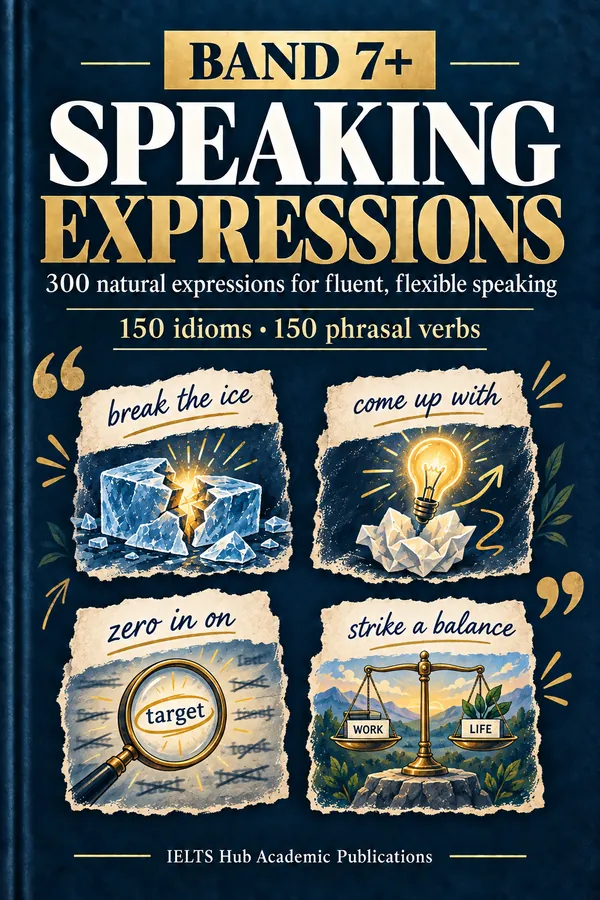
Speaking
Band 7+ Speaking Expressions
300 natural expressions for fluent, flexible speaking
₹199$6.99CAD 8.99AUD 9.99£4.99NZD 10.99€5.99AED 24SGD 8.99
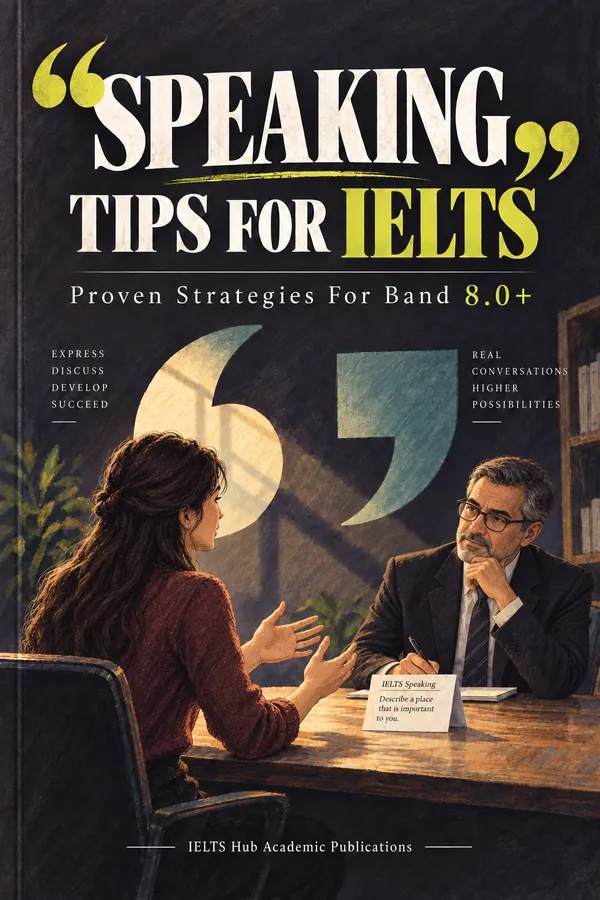
Speaking
Speaking Tips for IELTS
Proven Strategies for Band 8.0+
₹299$9.99CAD 13.99AUD 14.99£7.99NZD 16.99€8.99AED 39SGD 12.99
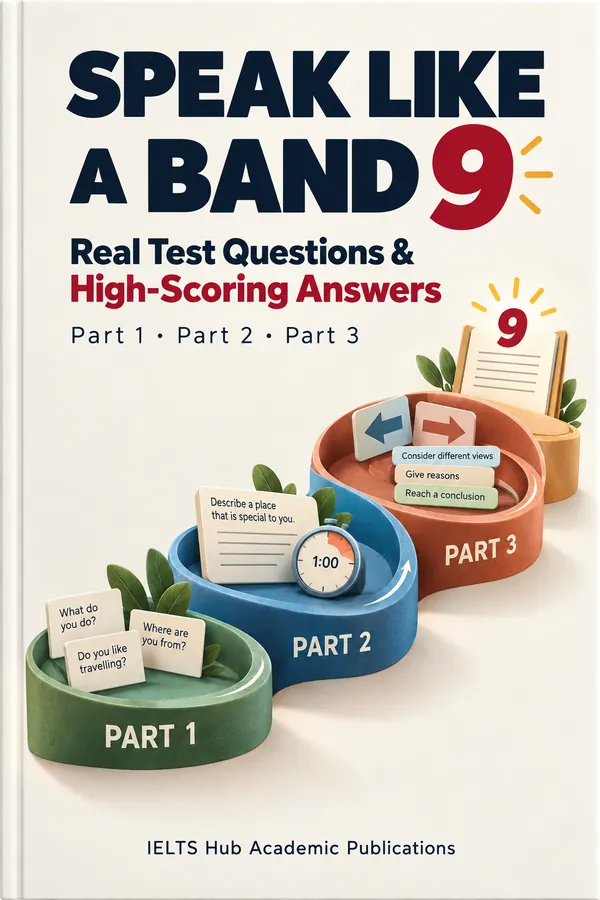
Speaking
Speak Like a Band 9
Real Test Questions & High-Scoring Answers
₹299$9.99CAD 13.99AUD 14.99£7.99NZD 16.99€8.99AED 39SGD 12.99