Speaking test #593
Part 1 · Interview
4 to 5 minutes. The examiner asks about you and familiar topics.
Can you tell me your full name?
Where are you from?
Do you work or are you a student?
How many languages can you speak? [Why/Why not?
?] I can speak three languages fluently - English, Spanish, and French. I have always been fascinated with different cultures and languages, so I made it a point to learn as many as possible. I believe that being multilingual can open up many opportunities, both personally and professionally.
How useful will English be to you in your future? [Why/Why not?
?] English is incredibly useful to me in my future as it is widely spoken and understood in many countries around the world. It is considered a global language and is used in many fields such as business, education, and technology. Being proficient in English will greatly benefit me in my career and personal growth.
What do you remember about learning languages at school? [Why/Why not?
?] I remember that learning languages at school was a fun and challenging experience for me. I enjoyed learning about different cultures and grammar rules, but I also found it difficult to retain new vocabulary and grammar structures. However, I believe that the effort I put into learning languages at school has greatly helped me in my ability to speak multiple languages fluently.
What do you think would be the hardest language for you to learn? [Why?
?] I think the hardest language for me to learn would be Chinese. The structure and grammar of the language is vastly different from the languages I am familiar with, and the characters used in Chinese are also quite challenging. Additionally, the tones and pronunciation are also very difficult, which makes it a language that would take a lot of time and effort to master.
What kinds of thing make you laugh?
I find that I tend to laugh at things that are unexpected or surprising. I also enjoy clever or witty humor, and I find that physical comedy can be quite amusing as well. I also like to laugh at things that are relatable or that make me think about my own experiences.
Do you like making other people laugh?
I absolutely love making other people laugh. I find it incredibly satisfying to see others enjoying themselves and to know that I played a part in that. I also believe that laughter is contagious, so when I make someone else laugh, it often leads to others joining in as well.
Do you think it's important for people to laugh?
I absolutely believe that it is important for people to laugh. Laughter has been shown to have a wide range of benefits for our physical and mental health, and it can also help to build and strengthen relationships. I think that laughter is a way for people to connect and bond with each other, and it can also serve as a powerful tool for coping with stress and difficult situations.
Is laughing the same as feeling happy?
I don't necessarily think that laughing is the same as feeling happy, but I do think that they are closely connected. I believe that laughter can be a sign of happiness, but it can also be a way to cope with or mask other emotions. I think that laughter can be a way to release pent-up emotions, and it can also be a way to distract ourselves from negative feelings.
You will have to talk about the topic for one to two minutes. You have one minute to think about what you are going to say. You can make some notes to help you if you wish.
Storybook or novel that was particularly interesting
You should say:
- Title and author of the book
- Summary of the plot
- Why you found it interesting
- Impact of the book on you
Title and author of the book
I would like to talk about the novel "The God of Small Things" written by Arundhati Roy. This book is a masterpiece in contemporary Indian literature that delves into the complex lives of twins Rahel and Estha in the backdrop of Kerala's political and social landscape. The story is a poignant exploration of love, loss, societal norms, and the consequences of breaking free from them.
Summary of the plot
What makes this novel particularly interesting is the way Roy weaves together the personal struggles of the characters with the broader themes of caste, communism, and forbidden love. The nonlinear narrative style adds layers of depth to the storytelling, keeping the readers engaged and intrigued throughout. The vivid descriptions of the setting immerse the readers in the sights, sounds, and smells of rural Kerala, creating a rich and immersive reading experience.
Why you found it interesting
I found "The God of Small Things" captivating not only for its lyrical prose and intricate plot but also for its profound exploration of the human condition. The book made me reflect on the complexities of family relationships, societal expectations, and the enduring power of love in the face of adversity. It challenged my perspectives on privilege, injustice, and the enduring legacy of colonialism in India.
Impact of the book on you
Overall, "The God of Small Things" left a lasting impact on me, prompting me to question ingrained beliefs and societal structures. It inspired me to seek out more diverse voices in literature and to engage critically with the world around me. This novel is a timeless work of art that continues to resonate with readers worldwide, inviting introspection and empathy in equal measure.
- Words
- 265
- Sentences
- 12
- Words per sentence
- 22.1
- Speaking time
- about 2.0 min
Counted at 130 words a minute. The exam gives you one to two minutes.
Part 3 · Discussion
4 to 5 minutes. The examiner asks broader questions linked to the cue card topic.
What are the differences between the themes in storybooks and those in novels?
That's a fascinating question! The themes in storybooks often revolve around simple, universal lessons such as friendship, kindness, and honesty, which are easily digestible for younger audiences. In contrast, novels frequently explore more complex and nuanced themes like identity, morality, and societal issues, reflecting the intricacies of adult life. This difference in depth allows storybooks to cater to children's developmental stages, while novels can delve into the emotional and psychological aspects of human experience. Ultimately, both forms of literature serve their own unique purposes, enriching our understanding of the world in diverse ways.
Do people usually think novels are more valuable than storybooks?
Absolutely, I think it's quite common for people to perceive more value in novels compared to storybooks, and there are a few reasons for that. Novels typically offer a deeper exploration of themes and characters, allowing readers to immerse themselves in complex narratives that can provoke thought and reflection. They often tackle serious subjects and present multifaceted characters that resonate on a personal level. On the other hand, storybooks, while delightful and often nostalgic, tend to focus on simpler plots and morals, which might not engage readers in the same way. Ultimately, it really depends on the individual's preferences and what they seek from their reading experience—some might cherish the emotional depth of a novel, while others may find joy in the whimsical nature of storybooks.
How do you think stories shape cultural identity?
Storytelling serves as a fundamental pillar of cultural identity, as it transmits values, beliefs, and traditions from one generation to the next. Through captivating narratives, communities can preserve their unique histories and share their distinctive experiences, which fosters a sense of belonging among members. Additionally, storytelling often reflects the rich tapestry of a culture, allowing individuals to connect with their heritage and understand their place within it. This process not only strengthens familial bonds but also promotes empathy and understanding across different cultures, as stories often reveal universal themes that resonate with everyone. Ultimately, storytelling is not just a means of entertainment; it is a powerful tool in shaping and maintaining cultural identity.
What makes some stories connect better with readers than others?
That's a fascinating question! I believe that some stories resonate more with readers due to their ability to tap into universal emotions and experiences. When a narrative evokes feelings of love, loss, or triumph, it creates a deep connection with the audience. Moreover, well-developed characters who face relatable challenges often leave a lasting impact. Stories that incorporate vivid imagery and rich character development tend to linger in readers' minds long after the last page. Ultimately, it’s about how the story reflects our own lives and experiences, making us feel understood and less alone.
How could storytelling change in a more digital world?
The future of storytelling in our increasingly digital world is bound to be incredibly exciting and transformative. As technology continues to advance, we can expect to see a rise in immersive experiences through virtual reality and augmented reality, which will allow audiences to engage with stories in a much more profound way. Imagine being able to step inside your favorite book or film, interacting with characters and influencing the plot! Additionally, the rise of social media platforms has already begun to change how stories are shared and consumed, leading to a more democratized form of storytelling where anyone can be a creator. Overall, I believe that the fusion of technology and creativity will not only enrich narratives but also expand the ways we connect with one another through shared experiences.
How can writers connect better with younger readers in their stories?
Authors can engage younger audiences more effectively by incorporating relatable themes and multimedia elements into their narratives. For instance, weaving in contemporary issues like social media, mental health, or environmental concerns can resonate deeply with younger readers, making them feel seen and understood. Additionally, utilizing interactive formats, such as incorporating illustrations, videos, or even gamified experiences, can elevate the storytelling experience and keep them captivated. It's also essential for authors to embrace authentic voices and diverse characters, as this fosters a sense of connection and representation. Overall, when authors make a conscious effort to reflect the realities and interests of younger audiences, they significantly enhance engagement and enjoyment in their reading experience.
Go further with the books
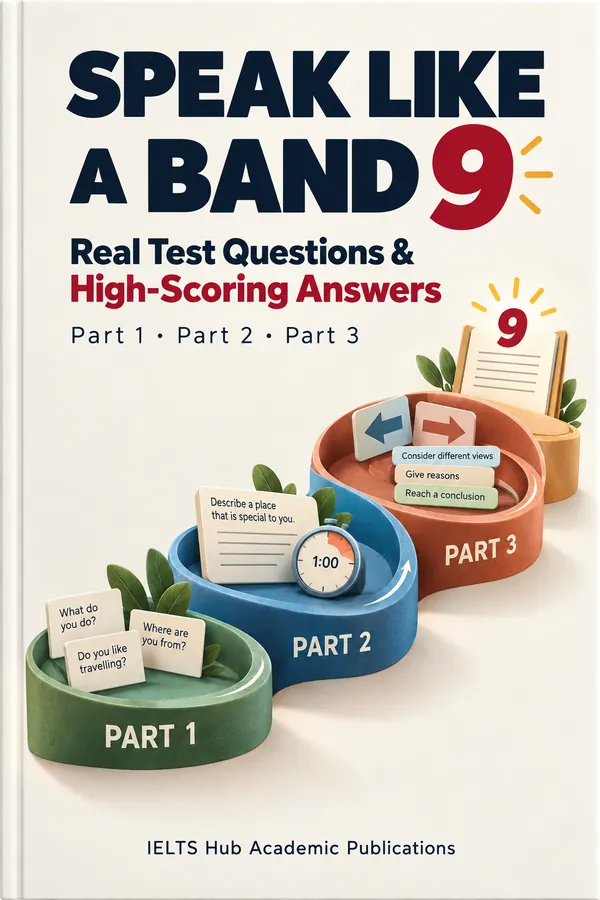
Speaking
Speak Like a Band 9
Real Test Questions & High-Scoring Answers
₹299$9.99CAD 13.99AUD 14.99£7.99NZD 16.99€8.99AED 39SGD 12.99
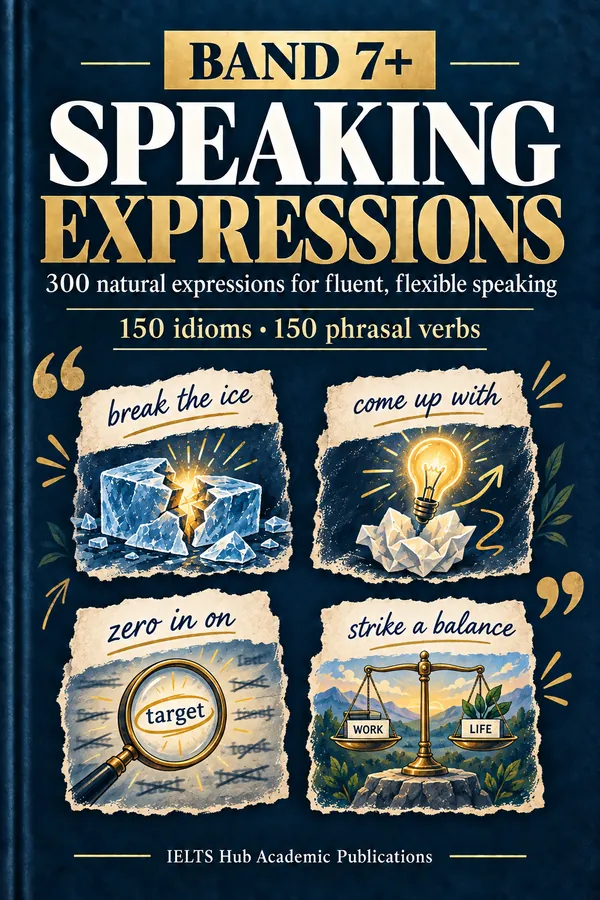
Speaking
Band 7+ Speaking Expressions
300 natural expressions for fluent, flexible speaking
₹199$6.99CAD 8.99AUD 9.99£4.99NZD 10.99€5.99AED 24SGD 8.99
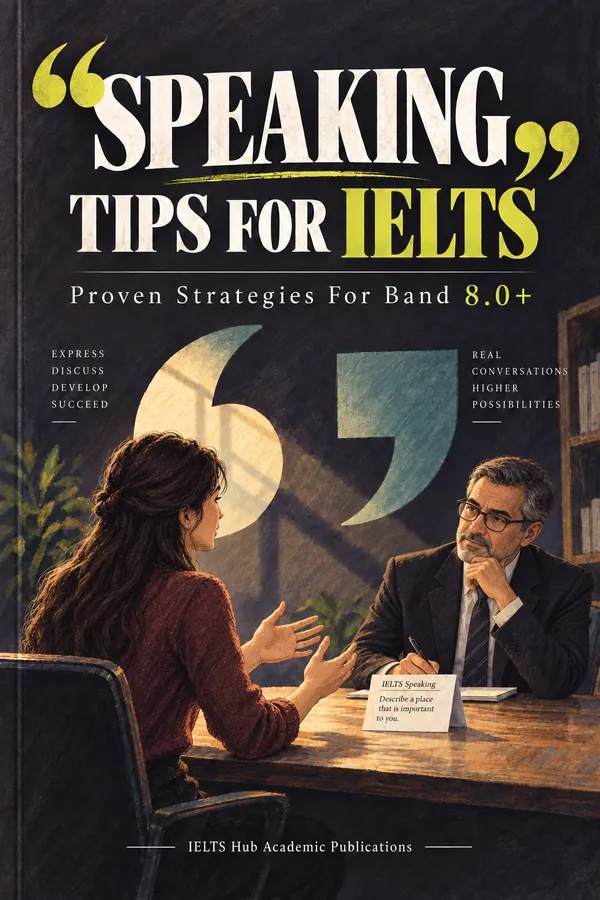
Speaking
Speaking Tips for IELTS
Proven Strategies for Band 8.0+
₹299$9.99CAD 13.99AUD 14.99£7.99NZD 16.99€8.99AED 39SGD 12.99