Speaking test #594
Part 1 · Interview
4 to 5 minutes. The examiner asks about you and familiar topics.
Can you tell me your full name?
Where are you from?
Do you work or are you a student?
Do you write letters?
Yes, I do write letters. I believe that there is something special and personal about receiving a handwritten letter that cannot be replicated through digital communication.
What do you usually write about?
I usually write letters to friends and family, updating them on my life and asking about theirs. I also enjoy writing letters to people I admire, expressing my appreciation for their work or contributions.
How do you feel whenever you receive a letter?
Whenever I receive a letter, I feel incredibly touched and grateful. It is a reminder that someone took the time to sit down and personally write to me, and it always brings a smile to my face.
Do you think handwritten letters will still exist in the future?
I believe that handwritten letters will always exist, despite the convenience of digital communication. There will always be a certain charm and sentimental value to receiving a physical letter that cannot be replaced by an email or text message. Additionally, I think that people will always appreciate the personal touch of a handwritten letter, and will continue to send them for special occasions or important moments.
Do you enjoy your current stage of life?
I would say that I am quite content with my current stage of life. I am in my mid-20s and am currently finishing my university studies, which is a very exciting time for me. I am also starting to establish a career and am building a solid foundation for my future. Overall, I am pleased with where I am at and am optimistic about what the future holds.
In what stage of your life were you the happiest?
That's a difficult question to answer, as I have had many happy moments throughout my life. However, if I had to choose, I would say that my childhood was probably the stage of my life when I was the happiest. I had a very loving and supportive family, and I had the freedom to explore and discover the world around me without many responsibilities. It was a carefree and joyful time in my life.
Which stage of your life do you think is the most important?
I believe that every stage of life is important in its own way. However, I would say that the adolescent years are particularly crucial. This is a time when young people are trying to figure out who they are and what they want to do with their lives. It's a time when they are forming their identity and values, and it's a time when they are learning how to navigate the world and make important decisions. I think that the choices and experiences that one has during this stage can shape the course of their entire life.
What’s your plan for your next stage of life?
Well, as I am currently finishing my university studies, my immediate plan is to find a job in my field of study. I am looking forward to starting my career and putting my knowledge and skills to work. In the long term, I would like to continue to grow and develop in my career and hopefully one day start my own business. Additionally, I hope to find a partner, start a family, and create a happy and fulfilling life for myself.
You will have to talk about the topic for one to two minutes. You have one minute to think about what you are going to say. You can make some notes to help you if you wish.
An interesting conversation with a child
You should say:
- How you started the conversation
- What the child said that was surprising or amusing
- How you responded to the child
- What you learned from the conversation
I vividly recall an engaging conversation I had with a young child during a community event in my neighborhood. I initiated the conversation by complimenting the child on his colorful drawing of a rocket ship. The child, with an innocent smile, responded by explaining how he believed he could fly to the moon one day in his rocket ship. His imagination and confidence were truly surprising and amusing to me, as he narrated his detailed plan of visiting different planets in the solar system.
In response to the child's ambitious space exploration goals, I encouraged him to keep dreaming big and to believe in his abilities. I praised his creativity and shared a story about my own childhood dreams of becoming an astronaut. The child's eyes lit up with excitement as he listened intently, eager to absorb any advice or insights I could offer. It was heartwarming to see his enthusiasm and passion for the unknown wonders of the universe.
Through this conversation, I learned the importance of nurturing and supporting children's imagination and aspirations. I realized how crucial it is to encourage young minds to dream fearlessly and to believe in the endless possibilities that the future holds. The child's unwavering confidence in his dream of space exploration served as a reminder for me to maintain a sense of wonder and optimism in pursuing my own goals and aspirations. This experience left a lasting impact on me, reinforcing the power of imagination and the beauty of unbounded dreams in shaping our lives.
- Words
- 253
- Sentences
- 12
- Words per sentence
- 21.1
- Speaking time
- about 1.9 min
Counted at 130 words a minute. The exam gives you one to two minutes.
Part 3 · Discussion
4 to 5 minutes. The examiner asks broader questions linked to the cue card topic.
How do talks with kids differ from talks with grown-ups?
Conversations with children often differ significantly from those with adults in several ways. Firstly, children tend to be more spontaneous and imaginative in their communication. They might jump from one topic to another, often incorporating fantastical elements, which can make their discussions feel more playful and free-spirited. In contrast, adult conversations usually revolve around more structured or serious topics, often focusing on work, relationships, or social issues. Additionally, the language used with children is often more simplified, as adults may need to use age-appropriate vocabulary to ensure understanding. Adults are also more likely to engage in a back-and-forth exchange that emphasizes critical thinking, whereas children might be more focused on expressing their feelings or storytelling. Overall, these differences create unique dynamics in conversations, making them enjoyable and enlightening in their own right!
What do people think about the importance of talking with kids?
Engaging in discussions with children is incredibly valuable, and many people recognize this. Firstly, it fosters critical thinking skills from an early age, allowing children to articulate their thoughts and opinions more clearly. Parents and educators often believe that these conversations encourage emotional intelligence, helping kids understand their feelings and those of others. Additionally, open dialogue can strengthen the parent-child bond, as it creates a space for trust and understanding. Ultimately, when children feel heard and valued, they're more likely to approach the world with confidence and curiosity, which is a wonderful outcome!
How important do you think it is for grown-ups to talk with kids?
I think it's incredibly significant for adults to engage in conversations with children. These interactions can foster a child’s language development and critical thinking skills, which are essential as they grow. Moreover, when adults take the time to communicate with kids, it helps build a strong sense of emotional security and trust, allowing children to express themselves freely. This exchange of ideas can also bridge the generational gap, enabling adults to understand children's perspectives better and vice versa. Overall, these conversations are vital for nurturing a child's confidence and curiosity about the world.
Why do you think kids often see things differently when they talk?
Children often have unique perspectives during conversations because their minds are still unencumbered by the complexities of adult life. They tend to view the world with a sense of wonder and curiosity, which allows them to ask questions that may seem simple yet profound. Their imagination is incredibly vivid, and they often connect ideas in ways that adults might overlook, leading to refreshing insights. Additionally, children are often more uninhibited in expressing their thoughts, which can lead to a more genuine and less filtered exchange of ideas. This innocence and openness can create moments of pure joy and surprise in conversations, reminding us of the beauty in seeing the world through a different lens.
How can the way we talk to kids change as they get older?
As children grow, the nature of their conversations evolves significantly, reflecting their cognitive and emotional development. In the early years, discussions tend to revolve around simple, concrete ideas, often infused with imagination and playfulness. However, as they approach adolescence, conversations shift towards more complex subjects, including their thoughts on relationships, societal issues, and even philosophical questions. This transition not only enhances their critical thinking skills but also fosters a deeper emotional connection between parents and children. Ultimately, these evolving dialogues can be incredibly enriching, allowing both parties to learn from each other’s perspectives and experiences.
What ways can adults use to have better conversations with kids?
To foster more meaningful interactions with children, adults can employ several effective strategies. Firstly, active listening is crucial; when adults genuinely pay attention to what children are saying, it not only validates their feelings but also encourages them to express themselves openly. Additionally, engaging in shared activities, like playing games or exploring nature, helps build a stronger bond and creates memorable experiences that children cherish. It's also important for adults to use age-appropriate language and explanations, allowing children to grasp concepts better and feel more included in conversations. Lastly, showing enthusiasm and curiosity about a child's interests can ignite their passion and make them feel valued, fostering a deeper connection.
Go further with the books
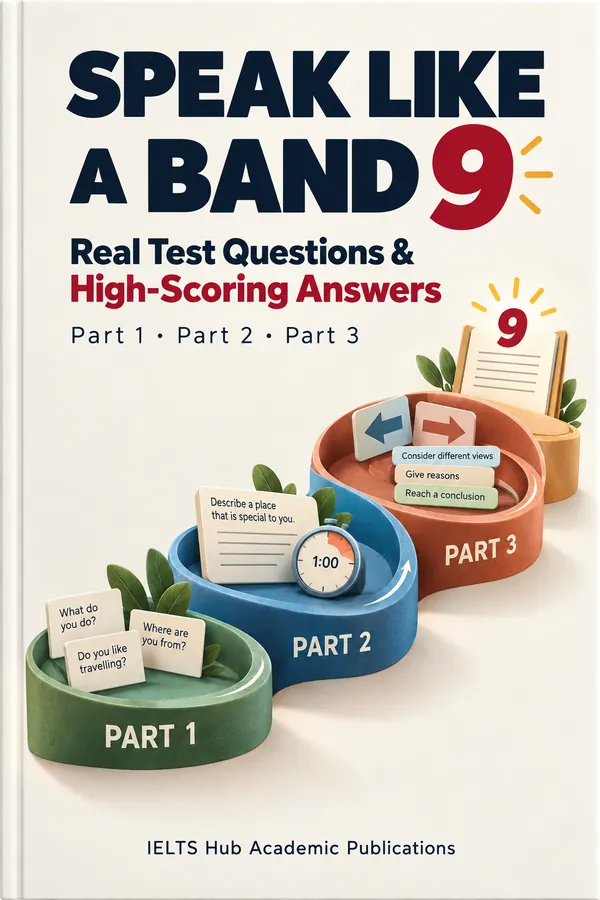
Speaking
Speak Like a Band 9
Real Test Questions & High-Scoring Answers
₹299$9.99CAD 13.99AUD 14.99£7.99NZD 16.99€8.99AED 39SGD 12.99
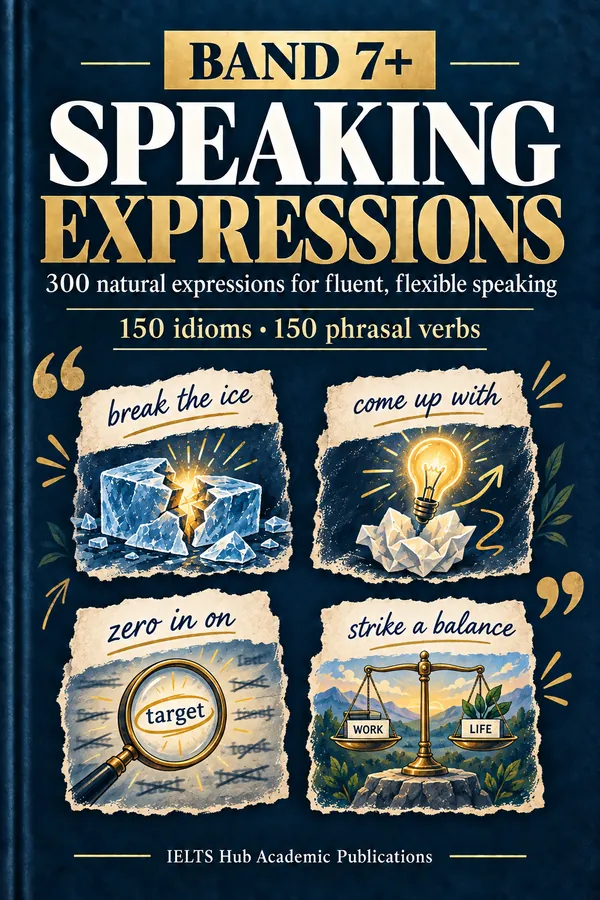
Speaking
Band 7+ Speaking Expressions
300 natural expressions for fluent, flexible speaking
₹199$6.99CAD 8.99AUD 9.99£4.99NZD 10.99€5.99AED 24SGD 8.99
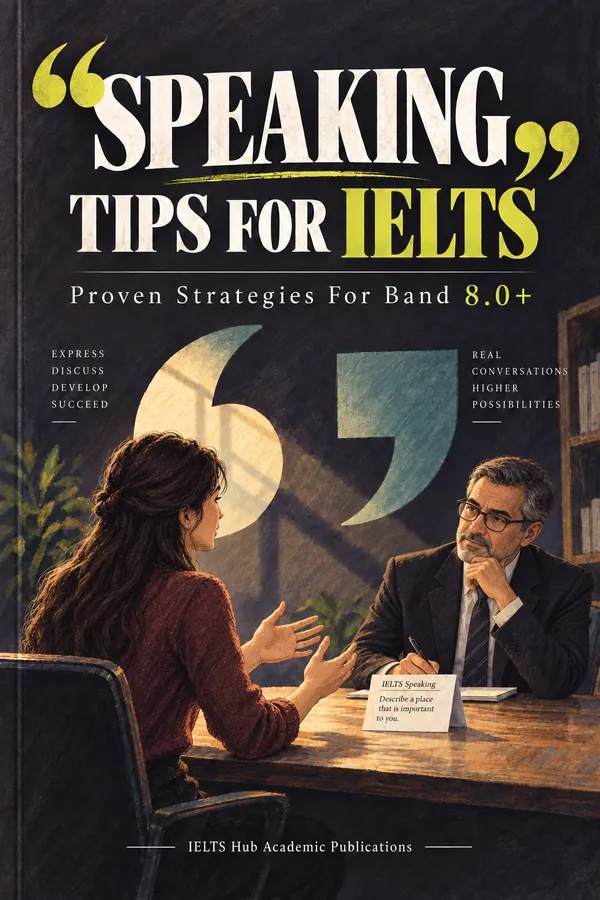
Speaking
Speaking Tips for IELTS
Proven Strategies for Band 8.0+
₹299$9.99CAD 13.99AUD 14.99£7.99NZD 16.99€8.99AED 39SGD 12.99