Speaking test #597
Part 1 · Interview
4 to 5 minutes. The examiner asks about you and familiar topics.
Can you tell me your full name?
Where are you from?
Do you work or are you a student?
At what age did you start studying mathematics?
I started studying mathematics when I was around six years old, in primary school.
Do you like mathematics? Why / why not?
I do enjoy mathematics, particularly the logical and analytical aspects of it. I find it satisfying to solve complex problems and to understand mathematical concepts. However, I also understand that it can be challenging for some people, so I appreciate that it might not be everyone's favorite subject.
Is it necessary for everyone to learn mathematics?
I believe that mathematics is an important subject for everyone to learn, regardless of their chosen career path. It is essential for developing problem-solving skills and logical thinking, which are valuable in many different fields. Additionally, it is essential for understanding the world around us, from basic concepts such as measurement and time to more advanced topics like statistics and physics.
Do you prefer to use a calculator when doing mathematics?
Personally, I prefer to use a calculator when doing mathematics. I find it helpful to use a calculator when working with large numbers or when solving complex equations. However, I also understand the importance of being able to do basic calculations mentally, so I try to practice both methods. Overall, I believe that a calculator can be a useful tool when working with mathematics, but it is important to understand the underlying concepts and principles.
You will have to talk about the topic for one to two minutes. You have one minute to think about what you are going to say. You can make some notes to help you if you wish.
Describe a practical skill you have learned
You should say:
- What skill you learned
- How you learned it
- Why you chose to learn that skill
- How this skill has helped you in your life
What skill you learned
One practical skill that I have learned is cooking traditional Indian cuisine. Growing up in India, I was always surrounded by the aromatic flavors and diverse culinary traditions of my culture. Observing my mother and grandmother cooking with passion and expertise inspired me to delve into the art of Indian cooking myself. I started learning this skill by assisting them in the kitchen, observing their techniques, and gradually taking on more responsibilities in meal preparation.
How you learned it
I chose to learn cooking traditional Indian cuisine because I believe that food is an integral part of our culture and identity. By mastering this skill, I not only preserve our culinary heritage but also strengthen my connection to my roots. Additionally, I wanted to be able to cook delicious and nutritious meals for my family and friends, creating memorable experiences through the sharing of food.
Why you chose to learn that skill
This skill has greatly benefited me in various aspects of my life. Firstly, it has enhanced my confidence in the kitchen, enabling me to experiment with different recipes and flavors. Cooking traditional Indian cuisine has also become a way for me to de-stress and express my creativity. Moreover, this skill has allowed me to bond with my loved ones over homemade meals, fostering a sense of togetherness and joy in our gatherings.
How this skill has helped you in your life
In conclusion, learning to cook traditional Indian cuisine has been a rewarding and enriching experience for me. It has not only deepened my appreciation for my cultural heritage but also empowered me to create delicious dishes that bring people together. This skill has become an essential part of my life, shaping my identity and strengthening my relationships through the joy of cooking and sharing meals with others.
- Words
- 280
- Sentences
- 14
- Words per sentence
- 20.0
- Speaking time
- about 2.2 min
Counted at 130 words a minute. The exam gives you one to two minutes.
Part 3 · Discussion
4 to 5 minutes. The examiner asks broader questions linked to the cue card topic.
How can learning hands-on skills be different from gaining book knowledge?
Learning practical skills and acquiring theoretical knowledge often involve distinct approaches and outcomes. While theoretical knowledge provides us with the foundational principles and frameworks, practical skills require hands-on experience and real-world application. For instance, understanding the theory of cooking is vastly different from actually preparing a meal; the latter requires a level of dexterity and intuition that can only be honed through practice. Moreover, practical skills often foster a sense of immediate gratification as learners can see the results of their efforts right away, whereas theoretical knowledge may sometimes feel abstract and distant. Ultimately, both forms of learning are vital, but they serve different purposes in our personal and professional development.
Some people think hands-on skills are more important than school grades. What do you think about this?
I absolutely agree that practical skills hold immense value, often surpassing academic achievements in certain contexts. While academic knowledge provides a strong foundation, it’s the ability to apply that knowledge in real-world situations that truly sets individuals apart. For instance, trades like plumbing or electrical work require a high degree of skill, critical thinking, and problem-solving that can't always be taught in a classroom. Moreover, in today’s rapidly changing job market, employers increasingly seek candidates who possess hands-on experience and can adapt to practical challenges. Ultimately, a balanced approach that values both practical skills and academic knowledge seems to be the most beneficial for personal growth and career success.
How do practical skills help in personal and work growth?
Practical skills are absolutely pivotal in both personal and professional development. They not only enhance our ability to tackle everyday challenges but also boost our confidence when facing new situations. In the workplace, having strong practical skills can lead to greater efficiency and productivity, allowing individuals to navigate complex tasks with ease. Furthermore, these skills often foster a sense of independence and self-reliance, which is invaluable in personal growth. Ultimately, mastering practical skills can open doors to new opportunities and enrich one’s life experience overall.
Why do you think some people find it harder to learn practical skills than others?
I think there are a few reasons why some individuals find it more challenging to learn practical skills than others. For one, learning styles can vary significantly; some people are more hands-on, while others might prefer a theoretical approach. Additionally, factors like motivation and confidence play a crucial role; if someone lacks belief in their ability to master a skill, they might shy away from attempts altogether. Furthermore, previous experiences or educational backgrounds can also influence how easily someone picks up practical skills. Ultimately, it's a combination of these elements that can make a substantial difference in the learning journey.
How could the need for practical skills shift in future jobs?
The demand for practical skills is likely to evolve significantly in the future job market, especially as technology continues to advance at a rapid pace. With the rise of automation and artificial intelligence, many traditional roles may become obsolete, highlighting the need for individuals who possess hands-on expertise in specific fields. For instance, jobs that require technical proficiency, such as coding or machinery operation, will remain in high demand. Moreover, as industries strive for sustainability, practical skills related to green technologies and renewable energy will likely become increasingly valuable. Ultimately, the ability to adapt and acquire new skills will be crucial for future workers, as the job landscape is bound to keep shifting.
What can we do to get more people to learn useful skills?
To encourage more people to develop practical skills, one effective approach could be to integrate these skills into the school curriculum. By offering hands-on workshops in subjects like carpentry, cooking, or coding, schools can foster a genuine interest among students. Additionally, community centers could host free or low-cost classes, making these skills accessible to a broader audience. Another idea is to highlight the personal and professional benefits of having practical skills through social media campaigns or local success stories. When people see how these skills can enhance their lives, they're more likely to get involved. Lastly, partnering with local businesses to create apprenticeship programs can provide valuable real-world experience, bridging the gap between education and the workforce. Overall, a combination of education, community engagement, and real-life application can truly spark interest in developing practical skills.
Go further with the books
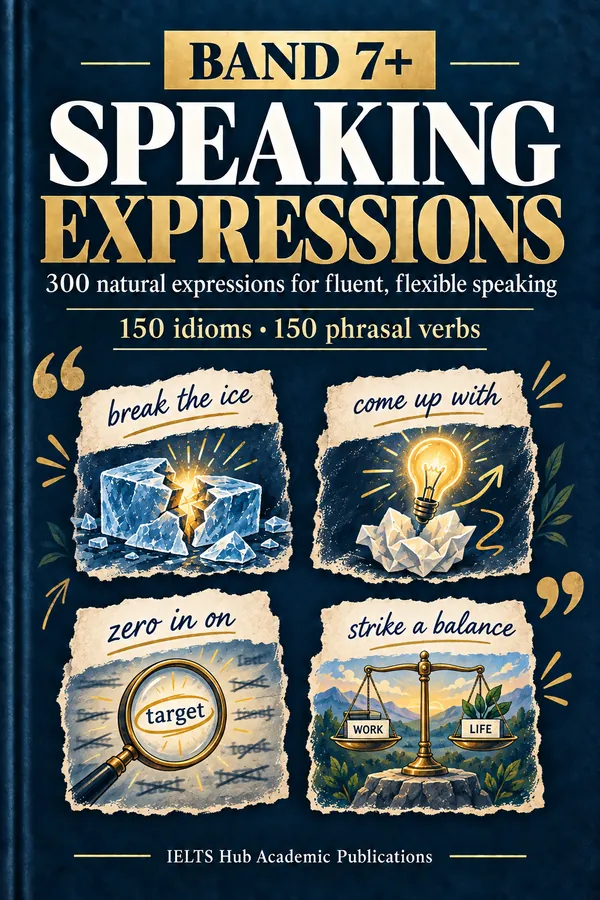
Speaking
Band 7+ Speaking Expressions
300 natural expressions for fluent, flexible speaking
₹199$6.99CAD 8.99AUD 9.99£4.99NZD 10.99€5.99AED 24SGD 8.99
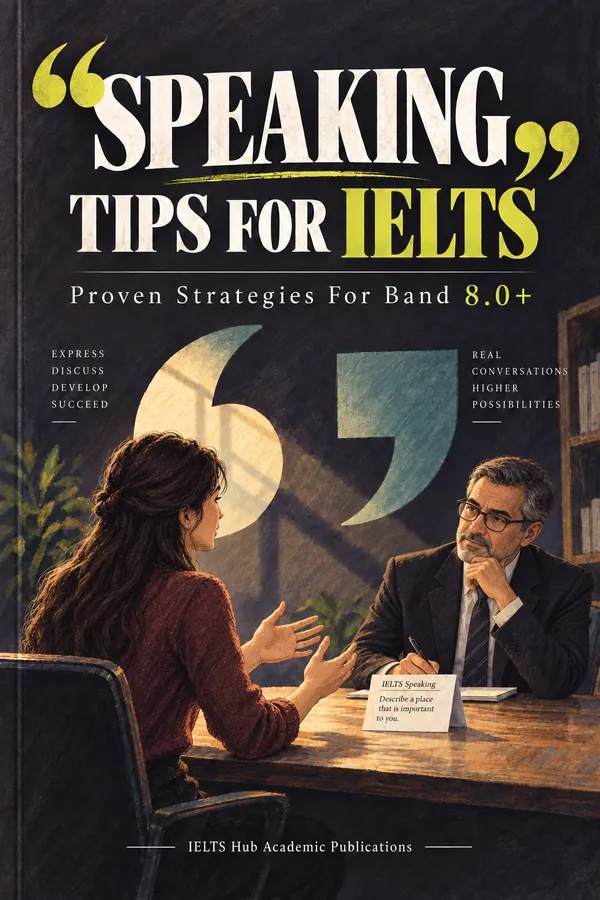
Speaking
Speaking Tips for IELTS
Proven Strategies for Band 8.0+
₹299$9.99CAD 13.99AUD 14.99£7.99NZD 16.99€8.99AED 39SGD 12.99
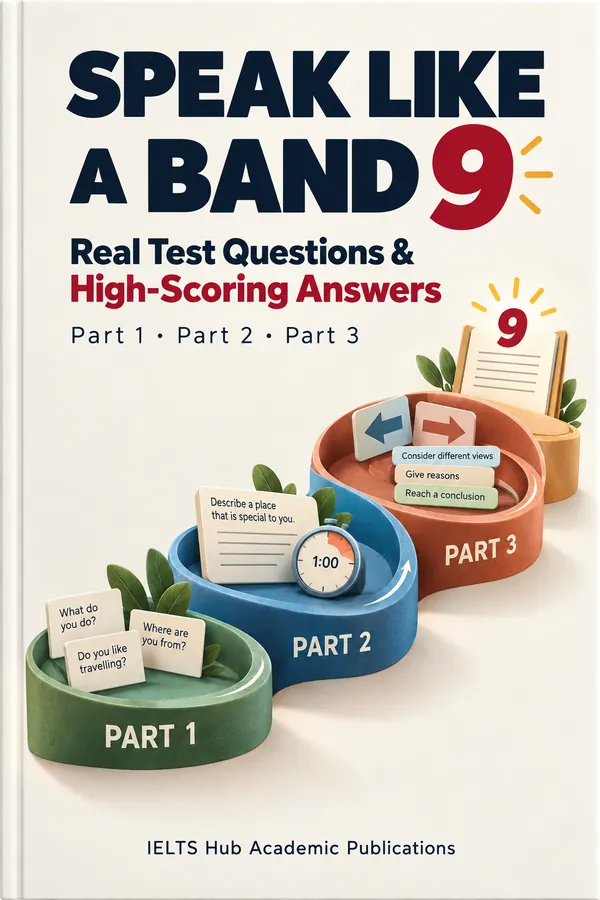
Speaking
Speak Like a Band 9
Real Test Questions & High-Scoring Answers
₹299$9.99CAD 13.99AUD 14.99£7.99NZD 16.99€8.99AED 39SGD 12.99