Speaking test #604
Part 1 · Interview
4 to 5 minutes. The examiner asks about you and familiar topics.
Can you tell me your full name?
Where are you from?
Do you work or are you a student?
What do you do when you feel bored?
When I feel bored, I like to engage in activities that challenge my mind or keep me physically active. This could be anything from reading a book or solving a puzzle, to going for a run or hitting the gym. I find that engaging in these kinds of activities helps to alleviate boredom and keep me mentally and physically stimulated.
What kind of things are boring to you?
To be honest, I don't really find many things boring. I tend to be a very curious and adventurous person, so I enjoy exploring new things and trying out new experiences. However, I will say that I do find it boring when I am forced to do something that doesn't interest me or that feels repetitive and monotonous.
Whom do you think get bored more easily, the young or the old?
I think this really depends on the individual. Some young people may be more easily bored because they are still exploring and discovering what interests them, while others may be more engaged and curious about the world around them. On the other hand, some older individuals may be more prone to boredom because they have already experienced a lot of what life has to offer and may feel like they have less to discover. Ultimately, I think it comes down to the individual's personality and interests.
Do you think school is boring?
Again, this really depends on the individual and their perspective. Some people may find school boring because they struggle with certain subjects or feel like they are not being challenged enough. Others may find school exciting and engaging because they are learning new things and engaging with their peers. Personally, I found school to be a mix of both - there were certainly moments when I found it boring, but overall I enjoyed the learning process and the social interactions I had with my classmates.
How well do you know the people who live next door to you?
I would say that I know them quite well. We frequently have casual conversations when we run into each other outside, and we've even had a few dinner parties together. They are a nice couple and we get along well.
How often do you see them?
I see them at least a few times a week. Sometimes we'll have a quick chat when we're leaving for work or coming home, or we'll run into each other in the shared garden.
What kinds of problem do people sometimes have with their neighbours?
Some common issues that people have with their neighbours include noise complaints, disputes over property lines or shared spaces, and differences in lifestyle or values. These issues can range from minor annoyances to major conflicts that can cause a lot of stress.
How do you think neighbours can help each other?
I think that neighbours can help each other in a variety of ways. One of the most important things is to be considerate and respectful of each other's needs and boundaries. Neighbours can also help each other by being open to communication and working together to resolve any issues that may arise. Additionally, neighbours can help each other by being there for each other in times of need, such as offering assistance during emergencies or lending a helping hand with tasks like gardening or moving.
You will have to talk about the topic for one to two minutes. You have one minute to think about what you are going to say. You can make some notes to help you if you wish.
When you found something that someone lost
You should say:
- What did you find?
- Where did you find it?
- How did you find the owner?
- How did the person react when you returned it?
What did you find?
I vividly remember the day when I found a lost wallet belonging to a stranger while walking back home from college. It was a brown leather wallet, slightly worn out but seemed to hold sentimental value. I stumbled upon it lying on the sidewalk, and upon inspecting its contents, I discovered identification cards, credit cards, and a small amount of cash.
Where did you find it?
I found the wallet near a busy street close to my college campus. The area was bustling with people, and it was surprising that nobody had noticed the wallet before I did. I immediately knew that I had to find the owner to return it to them, as losing something so essential must have caused them great distress.
How did you find the owner?
In order to find the owner, I rummaged through the wallet and found a contact number listed on one of the cards. I called the number and fortunately reached the owner's spouse, who was immensely grateful and relieved to hear from me. We arranged to meet at a nearby cafe where I could return the wallet to its rightful owner.
How did the person react when you returned it?
When the person arrived at the cafe and saw me holding the lost wallet, their face lit up with a mix of surprise and gratitude. They thanked me profusely and expressed their immense relief at having their belongings returned. It was a heartwarming experience to see their joy and appreciation, and I felt a sense of fulfillment in knowing that I had made a positive impact on someone's day by simply doing the right thing.
- Words
- 254
- Sentences
- 12
- Words per sentence
- 21.2
- Speaking time
- about 2.0 min
Counted at 130 words a minute. The exam gives you one to two minutes.
Part 3 · Discussion
4 to 5 minutes. The examiner asks broader questions linked to the cue card topic.
How do different cultures or societies handle returning lost items?
The act of returning lost items can vary significantly across cultures, reflecting deeper societal values and norms. In some cultures, like Japan, there is a strong sense of communal responsibility, so people go to great lengths to return lost belongings, sometimes even turning them in to the police. This reflects a deep-rooted respect for others' property and a belief in the importance of social harmony. On the other hand, in some Western societies, the approach may be more individualistic, where the emphasis might be placed on personal accountability. Nonetheless, most cultures share a common thread of valuing honesty and integrity, but the methods and motivations behind returning lost items can certainly differ, making it a fascinating topic of discussion!
Some people believe that giving back lost items is the right thing to do. What do you think about this idea?
I absolutely agree that returning lost belongings is indeed a moral obligation. It reflects our shared values and helps foster a sense of community and trust among individuals. When you think about it, returning something that doesn’t belong to you not only benefits the owner but also enhances your own sense of integrity. Additionally, it sets a positive example for others, promoting a culture of honesty and respect. In a world where we often feel disconnected, these small acts of kindness can really make a significant difference in our social fabric.
How can returning lost items help build trust in a community?
Returning lost items can significantly enhance the sense of community by fostering a culture of reciprocity and mutual respect. When individuals take the time to return something that isn’t theirs, it sends a powerful message that they value their neighbors and the shared environment. This act of kindness not only strengthens interpersonal relationships but also encourages others to act similarly, creating a ripple effect of good deeds. Moreover, it helps to establish a sense of belonging, where people feel connected and responsible for one another, thereby building a more cohesive community. Ultimately, these small actions can lead to a tightly-knit society where trust flourishes and individuals feel safe and supported.
Why do you think some people might decide not to give back lost things, even if they know who they belong to?
That's a fascinating question! There are several reasons why someone might hesitate to return lost items, even when they know the rightful owner. For some, it could be a matter of personal gain; they might see the item as an opportunity to make a quick profit. Others might feel that the owner is careless and doesn't deserve the item back, which is quite a misguided perspective, to be honest. Additionally, there could be a fear of confrontation, especially if the owner is someone they know well. Ultimately, it's a complex mix of ethics, personal values, and circumstances that influences such decisions.
What differences could we notice in society if more people tried to return lost items?
If more people made a conscious effort to return lost belongings, we could see a significant shift towards a more empathetic society. First and foremost, this behavior would likely foster a greater sense of community, as individuals would feel more connected and responsible for one another. Imagine a world where people actively engage in looking out for each other’s possessions; it would create an atmosphere of trust and goodwill. Moreover, such actions could lead to a decrease in theft and dishonesty, as the norm would shift towards valuing integrity and honesty. Ultimately, this collective consciousness could even inspire more people to engage in altruistic behaviors beyond just returning lost items, creating a ripple effect of kindness throughout society.
What steps can be taken to get people to return lost items more often?
To encourage individuals to return lost items more frequently, a multi-faceted approach could be highly effective. First and foremost, raising awareness about the emotional and practical value of lost items can make a significant difference. For instance, community campaigns that highlight stories of lost items being returned could inspire a sense of social responsibility. Additionally, creating more accessible platforms for reporting and returning lost items, such as mobile apps or designated drop-off locations, would streamline the process and make it less daunting. Lastly, offering small incentives, like gift cards or public recognition, could motivate individuals to take that extra step in returning items, fostering a culture of honesty and integrity within the community.
Go further with the books
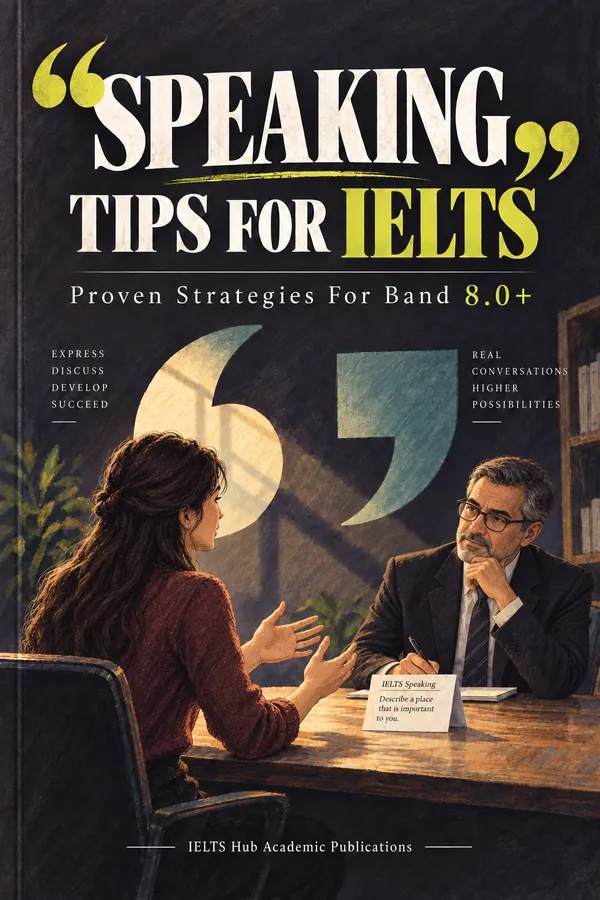
Speaking
Speaking Tips for IELTS
Proven Strategies for Band 8.0+
₹299$9.99CAD 13.99AUD 14.99£7.99NZD 16.99€8.99AED 39SGD 12.99
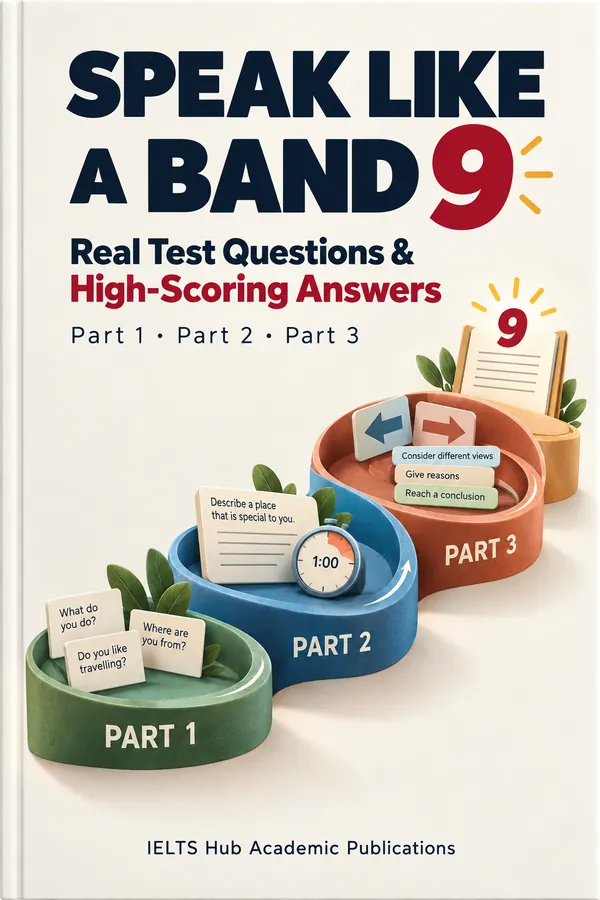
Speaking
Speak Like a Band 9
Real Test Questions & High-Scoring Answers
₹299$9.99CAD 13.99AUD 14.99£7.99NZD 16.99€8.99AED 39SGD 12.99
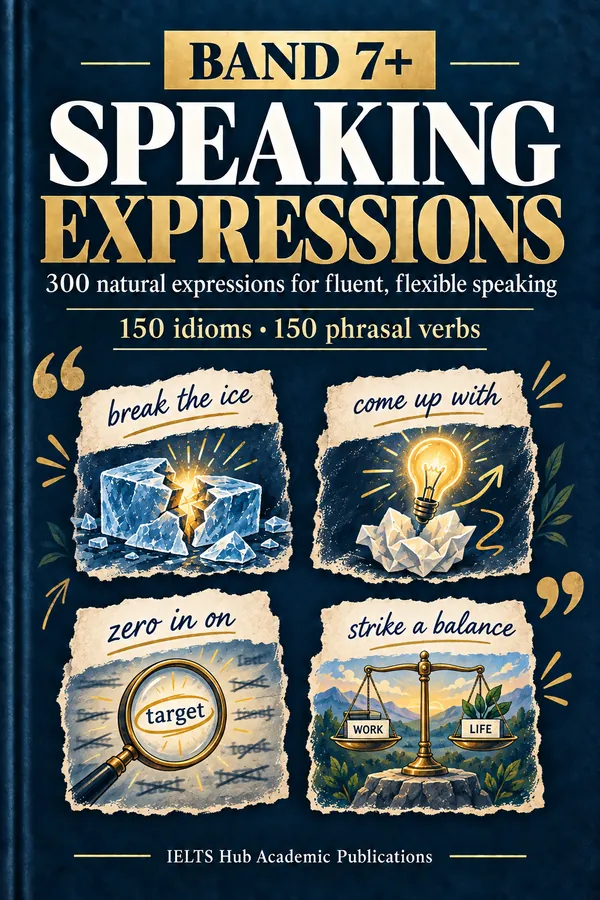
Speaking
Band 7+ Speaking Expressions
300 natural expressions for fluent, flexible speaking
₹199$6.99CAD 8.99AUD 9.99£4.99NZD 10.99€5.99AED 24SGD 8.99