Speaking test #611
Part 1 · Interview
4 to 5 minutes. The examiner asks about you and familiar topics.
Can you tell me your full name?
Where are you from?
Do you work or are you a student?
Do you like perfumes?
Oh, I absolutely adore perfumes. I find them to be such a luxurious and indulgent way to enhance one's personal style and make a lasting impression. The art of perfumery is truly captivating, and I love discovering new scents and experimenting with different fragrances.
Do you usually wear perfume?
Yes, I do. I'm quite particular about the perfumes I wear and tend to stick to a few signature scents that I know suit me well. I usually wear perfume on special occasions and when I know I'll be meeting new people, as I believe it can be a powerful tool for making a positive first impression.
Would you ever buy an expensive bottle of perfume?
Definitely. For me, the price of a perfume is not as important as the quality and uniqueness of the scent. I would be willing to invest in an expensive bottle of perfume if it was something truly special and exclusive, and if it was something I knew I would wear often and for a long time.
Have you ever given someone’s perfume as a present?
Yes, I have. I think perfume can be a really thoughtful and personal gift, and I've given it as a present to both friends and family. I always try to put a lot of thought and consideration into the scent I choose, as I want it to be something that the person will truly enjoy and appreciate.
Have you ever had a pet?
Yes, I have had a pet before. I had a dog named Max for about ten years. He was a Labrador Retriever and was a great companion. I miss him dearly.
What kinds of pets are common in your country?
In my country, dogs and cats are the most common pets. Many people also have fish and birds as well. Some people also have more exotic pets like lizards or snakes.
Do many people in your country have pets?
Yes, many people in my country have pets. It's quite common to see people walking their dogs or taking them to the park. Pets are considered a part of the family and are loved and cared for accordingly.
What are the benefits of keeping pets?
There are many benefits of keeping pets. They provide companionship and can help with mental and emotional wellbeing. Pets can also help to keep people active and healthy by encouraging them to walk or play. Pets can also teach responsibility and can be great for teaching children empathy and compassion. Overall, pets bring a lot of love and joy into people's lives.
You will have to talk about the topic for one to two minutes. You have one minute to think about what you are going to say. You can make some notes to help you if you wish.
Describe a radio program you find interesting
You should say:
- What is the name of the radio program and its format
- When and where do you usually listen to this program
- Why do you find this radio program interesting
- How has listening to this program impacted you
What is the name of the radio program and its format
I would like to talk about a radio program that I find truly captivating, which is called "Mann Ki Baat" in the Indian context. This program is hosted by the Prime Minister of India, Narendra Modi, and follows a unique format where the Prime Minister shares his thoughts on various social, political, and economic issues with the nation. The program typically airs on the last Sunday of every month and is broadcasted on All India Radio, as well as on various other platforms.
When and where do you usually listen to this program
I usually listen to "Mann Ki Baat" in the comfort of my home, where I can fully immerse myself in the insightful messages conveyed by the Prime Minister. The program's timing allows me to relax and reflect on the content being discussed, making it a perfect way to spend my Sunday afternoons. Additionally, the accessibility of the program on different platforms enables me to listen to it even while on the go.
Why do you find this radio program interesting
The reason why I find "Mann Ki Baat" so interesting is due to the Prime Minister's ability to connect with the citizens on a personal level and address issues that are relevant to the society. His sincerity and passion for bringing about positive change through his words resonate with me and inspire me to contribute towards the betterment of the community. Moreover, the program often features real-life stories and experiences shared by ordinary people, which adds a human touch to the discussions.
How has listening to this program impacted you
Listening to "Mann Ki Baat" has had a profound impact on me by broadening my perspective on various societal issues and instilling a sense of responsibility towards creating a positive impact in my surroundings. The program has motivated me to stay informed about current affairs and actively participate in initiatives that aim to bring about positive change in the society. Overall, "Mann Ki Baat" has not only enriched my knowledge but has also inspired me to become a more responsible and engaged citizen.
- Words
- 320
- Sentences
- 12
- Words per sentence
- 26.7
- Speaking time
- about 2.5 min
Counted at 130 words a minute. The exam gives you one to two minutes.
Part 3 · Discussion
4 to 5 minutes. The examiner asks broader questions linked to the cue card topic.
What are the differences between radio programs and TV shows in how they connect with their audience?
Radio programs and television shows engage their audiences in quite distinct ways, each leveraging the unique strengths of their medium. For one, radio relies heavily on auditory storytelling, using sound effects, music, and the host's voice to paint vivid images in the listener's mind. This creates a more personal connection, as audiences often imagine the scenes themselves, which can lead to a more engaging experience. In contrast, television shows utilize visual elements to capture attention, allowing for a more immediate and striking representation of stories. The combination of visuals and sound can create a powerful emotional response, but it sometimes leaves less room for imagination compared to the radio. Additionally, radio programs often cultivate a sense of intimacy, as listeners may feel like they are part of a conversation, while television can feel more like a performance. Ultimately, both mediums have their unique charms, catering to different preferences and circumstances in audience engagement.
Can a radio show have the same impact as a popular TV show?
Absolutely, I believe a radio program can have a profound impact, sometimes even rivaling that of a popular television series. Radio has a unique intimacy; it creates a strong connection between the host and the listener, which can evoke emotions in a way that visuals might not. Take, for instance, podcasts that address pressing social issues or narrative-driven shows that captivate audiences with their storytelling. The auditory experience allows listeners to engage their imagination, making it incredibly immersive. In many cases, a well-crafted radio program can not only inform but also inspire action, much like its television counterparts.
How do radio shows influence people's views and culture?
Radio programs play a significant role in shaping public opinion and culture by providing a platform for diverse voices and perspectives. They often serve as a medium through which important issues are discussed, allowing listeners to engage with current events and different viewpoints. This engagement can lead to increased awareness and critical thinking among the audience, influencing their perceptions and beliefs. Moreover, radio programs can help foster a sense of community by sharing local stories and culture, which in turn strengthens social bonds. Through storytelling and discussions, they can also challenge stereotypes and promote cultural understanding, ultimately contributing to a more informed and cohesive society.
Why do you think some people like listening to radio shows more than watching videos?
I believe there are a few compelling reasons why some individuals gravitate towards radio programs instead of watching videos. For one, listening to the radio allows for a sense of freedom—you can tune in while doing other tasks, like cooking or commuting, making it a more flexible choice. Additionally, many people find that radio programs foster a unique sense of intimacy and connection, as the hosts often engage with listeners on a personal level. The power of imagination also plays a significant role; without visuals, listeners can create their own mental images based on the narratives they hear. Overall, it’s a delightful way to consume content that can be both enriching and convenient.
How could radio shows change in the future with new technology?
The future of radio programs is likely to be incredibly exciting, especially with the rapid advancements in technology. We’re already seeing a shift towards more interactive formats, where listeners can engage directly with the content through apps and social media platforms. This could lead to a more personalized listening experience, allowing people to tailor their programs to suit their interests. Additionally, with the rise of podcasts and streaming services, traditional radio may need to adapt by incorporating on-demand features, which would give audiences the flexibility they crave. Overall, I think we’re heading towards a future where radio becomes even more integrated into our daily lives, blending seamlessly with other digital platforms.
How can we draw in younger listeners to traditional radio shows?
To attract a younger audience to traditional radio programs, it's essential to innovate content and make it more relatable. This could include incorporating trending topics that resonate with younger listeners, such as current social issues or popular culture. Additionally, leveraging social media platforms to promote shows and engage with listeners can create a sense of community and excitement around the content. Collaborating with popular influencers or musicians can also help draw in a younger crowd, as they often have a significant impact on youth culture. Ultimately, it’s about creating a dynamic and interactive experience that captivates the younger generation while still honoring the essence of radio.
Go further with the books
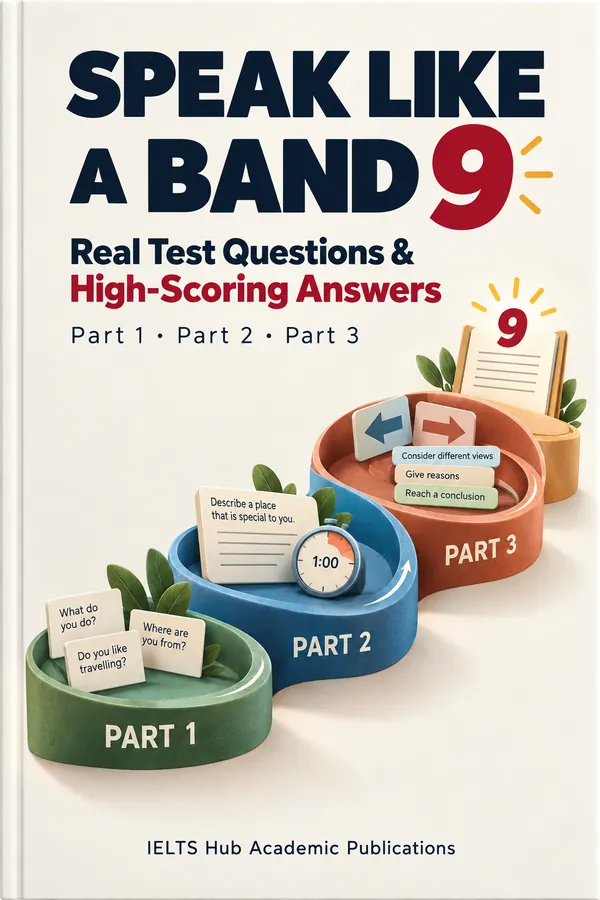
Speaking
Speak Like a Band 9
Real Test Questions & High-Scoring Answers
₹299$9.99CAD 13.99AUD 14.99£7.99NZD 16.99€8.99AED 39SGD 12.99
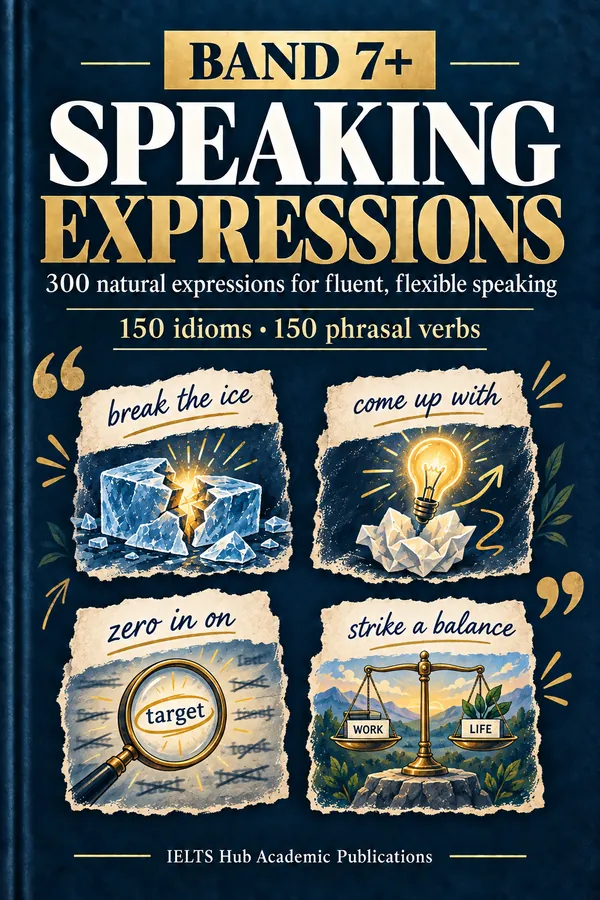
Speaking
Band 7+ Speaking Expressions
300 natural expressions for fluent, flexible speaking
₹199$6.99CAD 8.99AUD 9.99£4.99NZD 10.99€5.99AED 24SGD 8.99
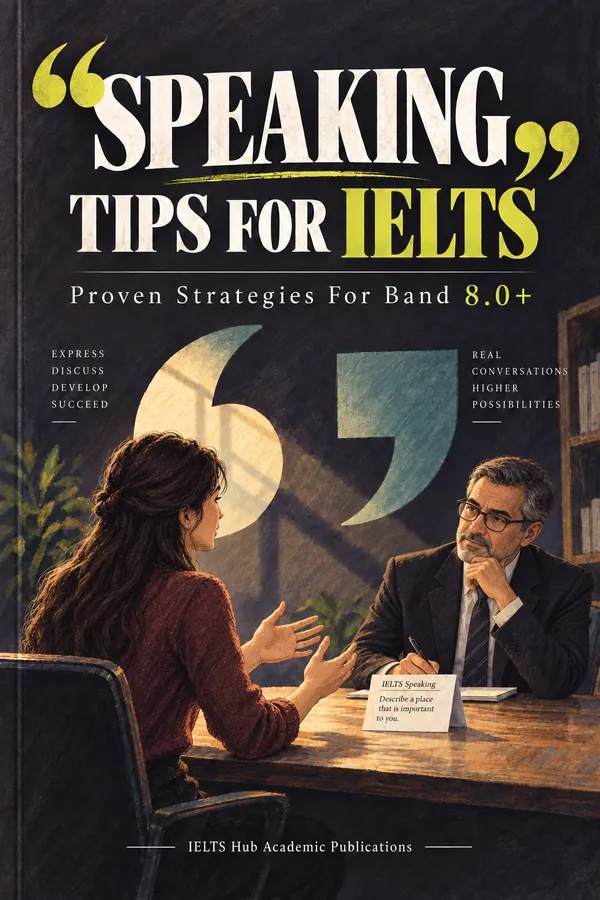
Speaking
Speaking Tips for IELTS
Proven Strategies for Band 8.0+
₹299$9.99CAD 13.99AUD 14.99£7.99NZD 16.99€8.99AED 39SGD 12.99