Speaking test #613
Part 1 · Interview
4 to 5 minutes. The examiner asks about you and familiar topics.
Can you tell me your full name?
Where are you from?
Do you work or are you a student?
Do you make plans every day?
Yes, I make plans every day. I find that having a plan helps me to stay organized and focused throughout the day.
Are you good at managing your time?
I would say that I am quite good at managing my time. I have developed strategies and techniques that help me to stay on task and avoid procrastination.
What is the latest plan you made?
The latest plan I made was to study for an upcoming exam. I have set aside specific times each day to focus on different topics and have also planned out my study schedule for the next week.
What is the hardest part of making plans?
The hardest part of making plans for me is sticking to them. It can be easy to get sidetracked or lose motivation, but I try to remind myself of the end goal and stay focused on my plan.
Do you keep plants at home?
? Yes, I do keep plants at home. I have a variety of different plants that I take care of, including succulents, cacti, and a beautiful fiddle leaf fig tree. I find that having plants in my home not only adds a touch of greenery and natural beauty, but it also helps to improve the air quality and create a more peaceful atmosphere.
What plant did you grow when you were young?
? When I was young, I remember growing a variety of different plants in our garden. Some of my favorites were tomatoes, cucumbers, and sunflowers. I loved the feeling of being able to nurture and take care of something, and seeing it grow and flourish. I also enjoyed eating the fruits of my labor, and it was a great way to connect with nature.
Do you know anything about growing a plant?
? Yes, I have some knowledge and experience with growing plants. I have learned about different types of soil, lighting, and watering requirements, as well as how to properly prune and care for different plants. I also enjoy experimenting with different types of plant care, and I am always trying to learn more about how to make my plants thrive.
Do Indian people give plants as gifts?
? Yes, I believe that Indian people do give plants as gifts. In Indian culture, plants are often seen as symbols of life, growth, and prosperity. Giving a plant as a gift is a way to wish someone well and to share a bit of nature's beauty. Some popular plants that are given as gifts in India include the tulsi plant, which is considered sacred, and the lucky bamboo, which is believed to bring good luck.
You will have to talk about the topic for one to two minutes. You have one minute to think about what you are going to say. You can make some notes to help you if you wish.
Your favourite newspaper/magazine
You should say:
- What is the name of the newspaper/magazine?
- How long have you been reading it?
- What kind of content does it feature?
- Why do you enjoy reading it?
What is the name of the newspaper/magazine?
My favorite magazine is "The Week," a popular current affairs magazine in India that covers a wide range of topics from politics to entertainment. I have been an avid reader of this magazine for about five years now, as it provides a well-rounded perspective on various issues and events happening around the world.
How long have you been reading it?
"The Week" features a diverse range of content including in-depth analysis of current affairs, thought-provoking opinion pieces, cultural reviews, and human interest stories. What sets it apart from other magazines is its concise yet informative articles that are well-researched and offer a balanced view on complex issues. The magazine also includes sections on science, technology, and lifestyle, making it a comprehensive read for readers of all interests.
What kind of content does it feature?
I enjoy reading "The Week" because it keeps me informed about the latest developments in different fields in a succinct manner. The magazine's editorial team does an excellent job of curating content that is both engaging and informative, making it a valuable source of knowledge and insight for me. Additionally, the magazine's writing style is engaging and easy to understand, which keeps me hooked from cover to cover.
Why do you enjoy reading it?
Overall, "The Week" has become an integral part of my routine, and I look forward to reading it every week to stay updated on the world around me. Its diverse content, well-rounded coverage, and engaging writing style make it a standout publication that I continue to enjoy and recommend to others who seek a reliable and informative source of news and analysis.
- Words
- 250
- Sentences
- 10
- Words per sentence
- 25.0
- Speaking time
- about 1.9 min
Counted at 130 words a minute. The exam gives you one to two minutes.
Part 3 · Discussion
4 to 5 minutes. The examiner asks broader questions linked to the cue card topic.
How do various newspapers or magazines affect public opinion in different ways?
Different newspapers and magazines wield significant influence over public opinion, primarily due to their target audiences and editorial slants. For instance, a sensationalist tabloid might sensationalize stories to evoke strong emotional reactions, thereby shaping a more polarized view on issues. In contrast, a reputable broadsheet often provides in-depth analysis and factual reporting, offering readers a nuanced perspective that fosters critical thinking. Moreover, niche magazines can cater to specific interests, subtly guiding opinions in areas like politics, lifestyle, or health by promoting particular narratives or trends. Ultimately, the way each publication frames its stories can profoundly affect how the public perceives and engages with various topics.
Some people think that printed news is not as important in today's digital world. What do you think about this idea?
I absolutely understand why some people feel that print media is losing its relevance in today’s digital age. With the rise of instant access to information online, many prefer the convenience and immediacy of digital platforms. However, I believe that print media still holds a unique charm and credibility that digital formats often struggle to replicate. For instance, reading a physical newspaper or a book can be a more immersive experience, allowing readers to disconnect from screens and engage deeply with the content. Moreover, print media often provides in-depth analysis and thought-provoking commentary that can be easily overlooked in the fast-paced world of online news. So, while digital media may dominate, I think print will always retain a special place in our hearts and minds.
How important do you think newspapers and magazines are in influencing cultural or social values?
I believe newspapers and magazines play a pivotal role in shaping cultural and social values. They not only inform the public about current events but also provide a platform for diverse voices and opinions, which can foster a sense of community and shared understanding. Through thoughtful articles and in-depth features, these publications can challenge stereotypes and encourage readers to reconsider their perspectives, ultimately influencing societal norms. Additionally, the visual elements in magazines often reflect and set trends in fashion, lifestyle, and culture, which can significantly impact what people aspire to or value. In an age dominated by digital media, the enduring presence of print media still holds considerable weight in shaping our collective consciousness.
Why do you think people pick some newspapers or magazines to read instead of others?
People often gravitate towards specific types of newspapers or magazines based on their personal interests and lifestyle choices. For instance, someone who is passionate about fashion might prefer glossy magazines filled with the latest trends and celebrity news, while a business professional might lean towards financial publications that provide insights into market movements. Additionally, the target audience and editorial slant of a publication play a crucial role; individuals want to feel that the content resonates with their values and opinions. Furthermore, in today's digital age, the abundance of choices allows readers to easily find a publication that aligns with their information preferences, whether it’s hard-hitting journalism or light-hearted lifestyle pieces. Ultimately, these factors create a sense of connection and relevance, making the reading experience more enjoyable and fulfilling.
How could newspapers and magazines change in the future because of new technology?
The future of newspapers and magazines is likely to undergo significant transformation due to technological advancements. For one, we could see a shift towards more interactive formats, where readers can engage with content in real-time through augmented reality or multimedia features. This would not only make reading more immersive but also enable publishers to cater to diverse audiences by offering personalized content. Furthermore, the rise of artificial intelligence might lead to automated journalism, where algorithms generate news stories based on data analysis, potentially increasing efficiency and speed in reporting. Overall, while traditional print media may decline, the essence of journalism will likely evolve, embracing new technologies to enhance the reader experience.
What steps can be taken to make sure that newspapers and magazines are reliable and trustworthy sources of information?
To ensure that newspapers and magazines remain credible and trustworthy, it's essential to implement stringent editorial standards. This could involve rigorous fact-checking processes, where information is not just accepted at face value but is thoroughly verified before publication. Additionally, promoting transparency about sources can significantly enhance credibility. When readers can see where information comes from, they are more likely to trust what they read. Finally, fostering a culture of accountability within the media is crucial; if outlets are held responsible for inaccuracies, it encourages them to uphold high standards of journalism. Ultimately, these measures will help to maintain the integrity of the press in an era where misinformation is rampant.
Go further with the books
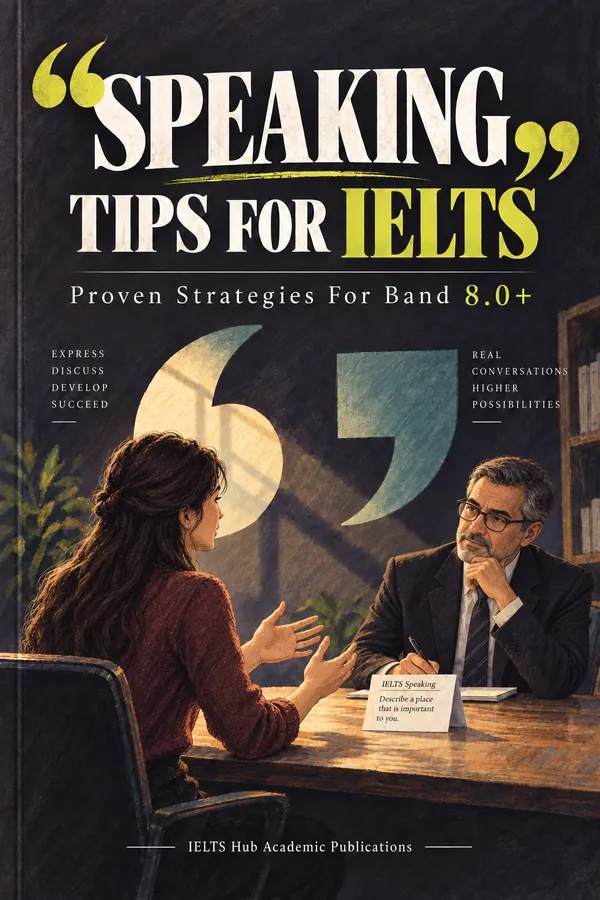
Speaking
Speaking Tips for IELTS
Proven Strategies for Band 8.0+
₹299$9.99CAD 13.99AUD 14.99£7.99NZD 16.99€8.99AED 39SGD 12.99
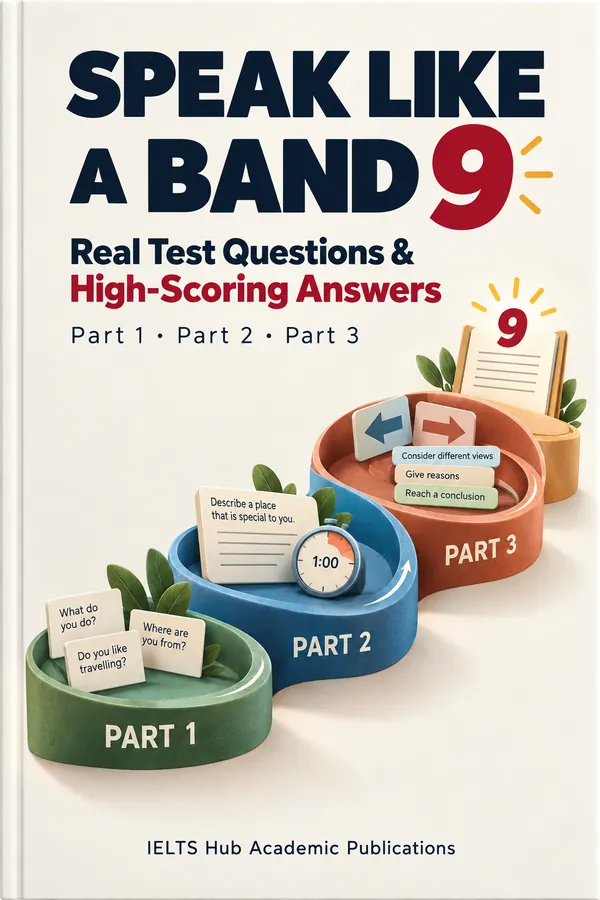
Speaking
Speak Like a Band 9
Real Test Questions & High-Scoring Answers
₹299$9.99CAD 13.99AUD 14.99£7.99NZD 16.99€8.99AED 39SGD 12.99
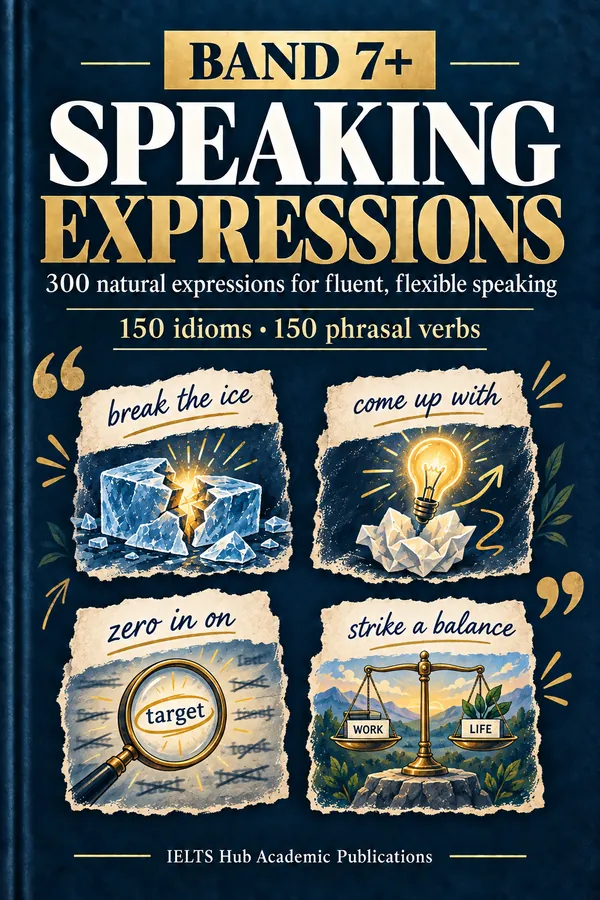
Speaking
Band 7+ Speaking Expressions
300 natural expressions for fluent, flexible speaking
₹199$6.99CAD 8.99AUD 9.99£4.99NZD 10.99€5.99AED 24SGD 8.99