Speaking test #616
Part 1 · Interview
4 to 5 minutes. The examiner asks about you and familiar topics.
Can you tell me your full name?
Where are you from?
Do you work or are you a student?
Do you Think it’s Important to be on time?
Absolutely, being on time is crucial in both personal and professional settings. It shows respect for others' time and demonstrates responsibility and punctuality. Being late can also have negative consequences, such as missing out on important opportunities or causing inconvenience for others.
How do you Feel When others are Late?
When others are late, I can feel quite frustrated and sometimes even disrespected. It can disrupt the flow of a planned event or meeting and cause delays and inconvenience for everyone involved. However, I understand that unexpected circumstances can happen, so I try to remain understanding and patient.
How do you Feel When you are Late?
When I am late, I feel quite guilty and apologetic. I understand the inconvenience it can cause for others and I always make sure to communicate any delays or changes in plans. I also try to take steps to ensure that I am on time in the future, such as planning ahead and leaving extra early.
Do you Wear a Watch?
Yes, I do wear a watch. I find it to be a useful tool for keeping track of time and ensuring that I am on time for appointments and meetings. It also eliminates the need to constantly check my phone for the time, which can be a distraction.
Did you do puzzles in your childhood?
Oh, absolutely! I have fond memories of spending hours upon hours completing jigsaw puzzles with my family. It was always such a fun and challenging activity for us to do together.
Do you like doing word puzzles or number puzzles? Which is more difficult for you?
I love both types of puzzles, but I would have to say that word puzzles are my favorite. I find them to be incredibly stimulating for my mind and they always make me feel accomplished when I complete them. However, I find that number puzzles can be quite challenging for me as I'm not as strong in math as I am in language.
When do you do puzzles, during your trip or when you feel bored?
I try to do puzzles whenever I have some free time, whether it be during a trip or when I'm feeling bored. I find that puzzles are a great way to keep my mind active and occupied, and they're also a great stress reliever for me.
Do you think it is good for old people to do puzzles?
Absolutely! I think that puzzles are a wonderful activity for older adults as they help to keep the mind active and sharp. They can also help to improve memory and cognitive function, which can be particularly beneficial for older adults. Additionally, puzzles can be a great way for older adults to socialize and bond with others, as they can be completed in groups or with family members.
You will have to talk about the topic for one to two minutes. You have one minute to think about what you are going to say. You can make some notes to help you if you wish.
Something you bought but did not use much
You should say:
- What did you buy
- Why did you buy it
- How often did you use it
- How did you feel about not using it much
What did you buy
I once bought a high-end camera, a Nikon DSLR, but unfortunately, I did not use it as much as I had initially planned to. The decision to purchase the camera was driven by my passion for photography and a desire to improve my skills in capturing high-quality images. I had read numerous reviews about this particular model and was convinced that it would help me enhance my photography skills significantly.
Why did you buy it
Despite my initial excitement and enthusiasm, I found myself using the camera far less frequently than I had anticipated. Due to my busy schedule with work and other commitments, I barely had the time to go out and take photos. The camera ended up sitting on the shelf most of the time, collecting dust rather than capturing memories. It was disappointing to see such an expensive and valuable piece of equipment being underutilized.
How often did you use it
Not using the camera as much as I had hoped left me feeling a sense of regret and guilt. I realized that I had made a hasty decision in purchasing it without considering my time constraints. It also made me reflect on the importance of making thoughtful investments and ensuring that I have enough time to fully utilize the things I buy. This experience taught me a valuable lesson about impulse buying and the need to align my purchases with my lifestyle and priorities.
How did you feel about not using it much
In conclusion, my Nikon DSLR camera remains a reminder of the importance of mindful consumption and the need to prioritize my passions amidst a busy schedule. While I may not have used it as much as I had intended, I now approach buying decisions with more caution and consideration, ensuring that I make the most out of the things I invest in.
- Words
- 289
- Sentences
- 13
- Words per sentence
- 22.2
- Speaking time
- about 2.2 min
Counted at 130 words a minute. The exam gives you one to two minutes.
Part 3 · Discussion
4 to 5 minutes. The examiner asks broader questions linked to the cue card topic.
Why do people have different reasons for buying things that they never use?
The reasons for purchasing items that ultimately remain unused can vary widely among individuals, often shaped by personal circumstances and psychological factors. For some, it might stem from impulsive buying, where the allure of a product temporarily overshadows their actual need for it. Others might be influenced by social pressures or trends, feeling compelled to buy items simply because they're popular, even if they don’t genuinely want them. Additionally, some people might struggle with decision-making or have a tendency to hoard, leading them to acquire things they never intend to use. Ultimately, it's fascinating how our motivations can diverge, reflecting our unique lifestyles and values.
How much do people regret buying things they never use?
People often experience a significant amount of regret regarding unused purchases, and this feeling can vary greatly depending on the individual and the item in question. For many, especially in a consumer-driven society, buying something that ultimately goes unused can feel like a waste of money, which is particularly frustrating if they had high hopes for the item. This regret might be more pronounced for larger purchases, like a gym membership or expensive gadgets, where the expectation of value for money is greater. On the other hand, some individuals might simply brush off these feelings, viewing them as part of life’s learning curve, which helps them make more informed decisions in the future. Ultimately, the extent of regret often hinges on personal values and how one perceives their spending habits.
How does consumerism influence the habit of purchasing things that are seldom used?
Consumerism plays a significant role in driving people to purchase items that often end up gathering dust. In today’s society, there’s a pervasive culture of wanting to have the latest gadgets or trendy products, even if they won’t be used frequently. Marketers skillfully exploit this desire, creating a sense of urgency and excitement around new releases, which can lead to impulse buying. As a result, individuals might end up with a closet full of items they’ve only used once or twice, which ultimately contributes to a cycle of wastefulness. Furthermore, the pressure to keep up with peers can exacerbate this behavior, fostering a mindset that values ownership over utility. It's fascinating how consumerism can shape our choices, often leading us to prioritize the thrill of acquisition over practical needs.
Why do you think some people struggle to avoid buying things they might not use much?
That's a fascinating question! I think a big part of it stems from our consumer-driven culture, where we're constantly bombarded with advertisements that make us feel like we need the latest gadget or fashion item. There’s also the thrill of shopping itself; many people find it to be a form of retail therapy, providing a temporary escape from their daily routine. Additionally, the fear of missing out, or FOMO, can play a significant role, as individuals may worry that if they don’t buy something now, they might regret it later. Ultimately, it's a combination of emotional triggers and societal pressures that makes it challenging for some to resist those tempting purchases.
What changes could happen in how people buy things they rarely use in the next few years?
In the coming years, I anticipate a significant shift in consumer behavior, particularly concerning purchases that are seldom utilized. With the rise of sustainability and minimalism, I believe people will become more discerning about their buying habits, opting for quality over quantity. This means that consumers may gravitate towards multi-functional products that serve various purposes, rather than acquiring items that end up collecting dust. Additionally, the influence of social media and online reviews will likely encourage more informed decisions, pushing individuals to invest in products that genuinely enhance their lives. Ultimately, this evolution in consumer mindset could lead to a more conscious consumer culture, where every purchase is carefully considered.
What strategies can people use to reduce the likelihood of getting things they won't use often?
To minimize the chances of acquiring items that won't be used frequently, individuals can adopt a few effective strategies. Firstly, they could implement a one-in, one-out policy, where for every new item they purchase, they let go of an existing one. This not only helps in reducing clutter but also encourages thoughtful consumption. Additionally, making a list before shopping can be incredibly beneficial; it keeps impulse buying at bay and ensures that only necessary items are acquired. Lastly, engaging in a 30-day rule can be quite insightful—waiting a month before purchasing a non-essential item allows time to truly consider its necessity. By incorporating these approaches, people can make more conscious decisions and ultimately save both space and money.
Go further with the books
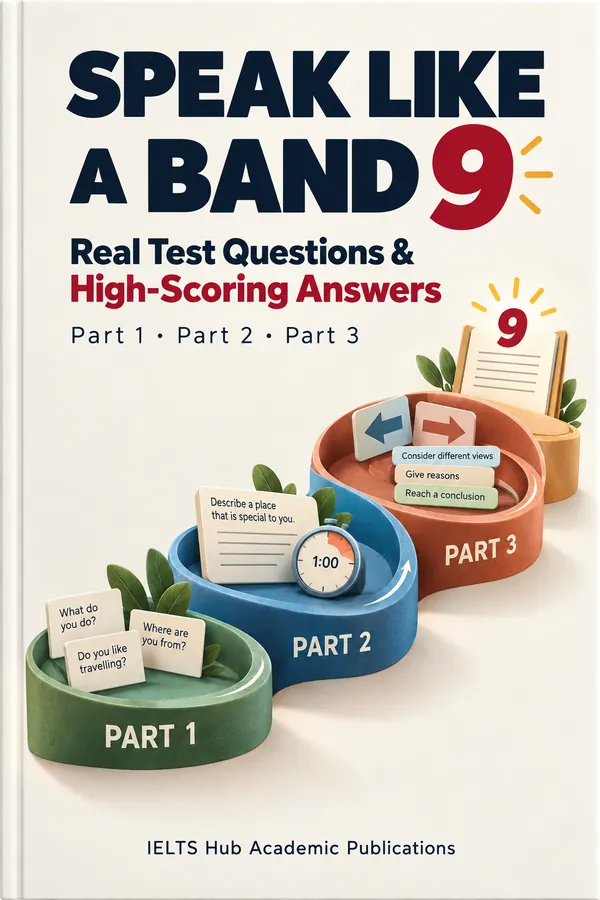
Speaking
Speak Like a Band 9
Real Test Questions & High-Scoring Answers
₹299$9.99CAD 13.99AUD 14.99£7.99NZD 16.99€8.99AED 39SGD 12.99
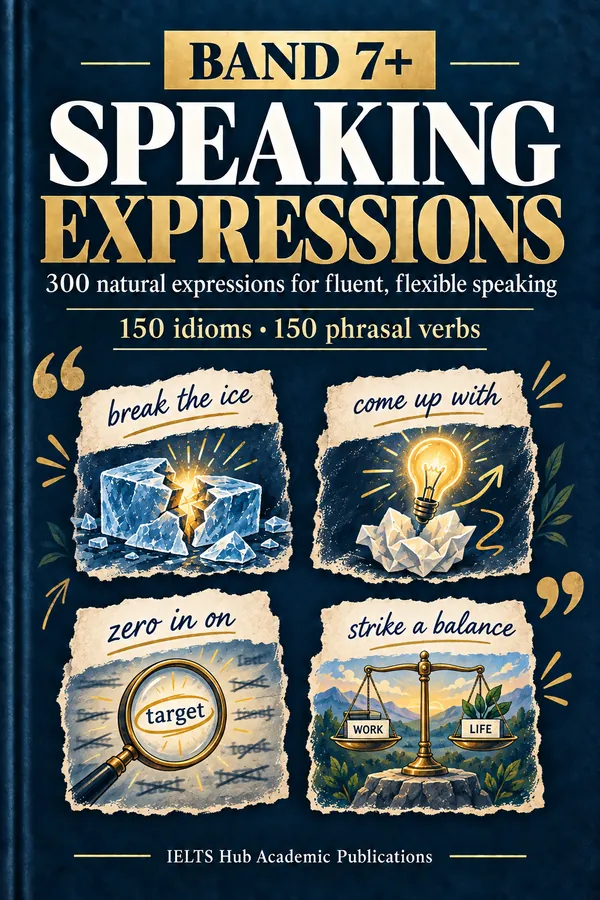
Speaking
Band 7+ Speaking Expressions
300 natural expressions for fluent, flexible speaking
₹199$6.99CAD 8.99AUD 9.99£4.99NZD 10.99€5.99AED 24SGD 8.99
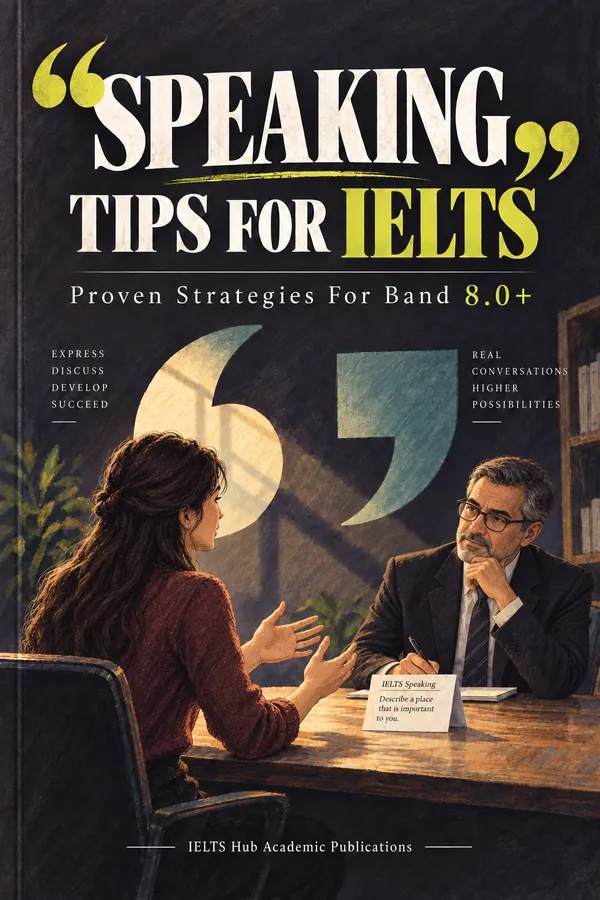
Speaking
Speaking Tips for IELTS
Proven Strategies for Band 8.0+
₹299$9.99CAD 13.99AUD 14.99£7.99NZD 16.99€8.99AED 39SGD 12.99