Speaking test #618
Part 1 · Interview
4 to 5 minutes. The examiner asks about you and familiar topics.
Can you tell me your full name?
Where are you from?
Do you work or are you a student?
Do you recycle? Why?
Yes, I recycle. I believe it is our responsibility as citizens to do our part in protecting the environment. Recycling reduces the amount of waste that ends up in landfills and reduces the need for new resources to be extracted, which in turn helps to preserve our natural resources. Additionally, recycling can also help to conserve energy and reduce greenhouse gas emissions.
Did you recycle when you were a kid?
Yes, I did recycle when I was a kid. My parents always taught me the importance of being environmentally conscious and I grew up with the habit of recycling. We had separate bins for different types of materials and I remember being in charge of sorting the recyclables and taking them to the designated recycling center.
Will you recycle in the future?
Absolutely. Recycling is something that I believe in and will continue to practice in the future. It is a simple yet effective way to reduce our impact on the environment and I will always make an effort to recycle as much as possible.
What kind of things do you recycle?
I recycle a variety of materials, such as paper, cardboard, glass, plastic, and metal. I also try to compost organic materials like food scraps and yard waste. Additionally, I also recycle electronic waste such as old phones and computers, which can be harmful to the environment if not disposed of properly. Overall, I make an effort to recycle as many materials as possible in order to reduce waste and protect the environment.
What do you do when you visit them?
When I visit my relatives, we usually catch up on what has been happening in each other's lives, share a meal together and engage in various activities such as playing games or watching a movie. Q
Do you prefer to spend time with your relatives, or your friends?
I value both my relatives and my friends equally. Both play different roles in my life and I appreciate the unique experiences and perspectives that each group brings. Q
Do you take anything when you visit your relatives?
Yes, I always take something when I visit my relatives. It could be a small gift, a homemade dish or even just a bouquet of flowers. It's a way to show them that I am thinking of them and that I care.
You will have to talk about the topic for one to two minutes. You have one minute to think about what you are going to say. You can make some notes to help you if you wish.
Describe a job one of your grandparents did
You should say:
- What was the job
- How long they did the job
- Why they chose that job
- How it influenced their life
What was the job
My maternal grandfather had a remarkable career as a school teacher in a small village in India. He dedicated over four decades of his life to this noble profession, starting in his mid-twenties and retiring in his late sixties. He chose to become a teacher because of his passion for education and his desire to make a positive impact on the lives of children in his community.
How long they did the job
Teaching was not just a job for him; it was a calling. He believed that education was the key to a better future and he wanted to instill this belief in his students. His dedication and commitment to his work were unwavering, and he was known for his patience, kindness, and innovative teaching methods. Many of his former students fondly remember him as a mentor who inspired them to pursue their dreams.
Why they chose that job
This job had a profound influence on his life, shaping his values and worldview. Through teaching, he found fulfillment and purpose, and he took great pride in the success of his students. His job also provided him with a sense of community and belonging, as he was respected and admired by both students and colleagues. Even in his retirement, he continued to be involved in educational initiatives, emphasizing the importance of lifelong learning.
How it influenced their life
In conclusion, my grandfather's job as a school teacher was not just a profession, but a vocation that defined his identity and legacy. His passion for education, dedication to his students, and commitment to making a difference continue to inspire me and many others. His influence extends far beyond the classroom, leaving a lasting impact on the lives of those he touched with his wisdom and kindness.
- Words
- 279
- Sentences
- 14
- Words per sentence
- 19.9
- Speaking time
- about 2.1 min
Counted at 130 words a minute. The exam gives you one to two minutes.
Part 3 · Discussion
4 to 5 minutes. The examiner asks broader questions linked to the cue card topic.
How do you think jobs are different now compared to your grandparents' time?
The roles of jobs have changed dramatically from my grandparents' time to today, primarily due to technological advancements and shifting societal values. Back then, many people worked in factories or farms, where jobs were often physically demanding and less specialized. Now, we see a significant shift towards knowledge-based and service-oriented roles, heavily influenced by technology and the digital economy. Moreover, there's a greater emphasis on work-life balance and job satisfaction today, which wasn’t as prevalent in previous generations. Overall, people now are more likely to pursue careers that align with their passions and interests, rather than just focusing on financial stability.
How important is it for younger people to know about the jobs their grandparents had?
It’s incredibly important for younger generations to learn about the jobs their grandparents held, as it provides them with a sense of historical context and a deeper understanding of their family’s legacy. Not only does this knowledge enrich their appreciation for the sacrifices and hard work of previous generations, but it also sheds light on the evolution of various professions over time. Additionally, it can inspire young people to pursue their own careers, drawing on the lessons learned from their grandparents’ experiences. In a rapidly changing world, this connection to the past can foster a sense of identity and continuity that is often overlooked in today’s fast-paced society. Ultimately, these stories can serve as valuable guideposts for navigating their own career paths.
How important do you think the work of people in regular jobs is to society today?
I think the contributions of individuals in traditional jobs are incredibly significant to society today. These roles, which often include professions like farming, craftsmanship, and teaching, provide a foundation for our communities. They not only preserve cultural heritage but also promote a sense of identity and belonging among people. Moreover, traditional jobs often require a level of skill and dedication that is increasingly rare in our fast-paced, technology-driven world. By valuing these contributions, we foster a more balanced approach to progress, ensuring that we don’t lose sight of the essential elements that make our society cohesive and vibrant.
Why do you think a lot of people feel a close link to the jobs their ancestors had?
I believe many people feel a strong connection to the professions of their ancestors because these roles often carry deep cultural significance and a sense of heritage. For instance, when individuals learn about their family's history in farming, craftsmanship, or trade, it instills a sense of pride and continuity. This connection can also be a source of inspiration, motivating them to pursue similar paths or even innovate within those fields. Additionally, in today’s rapidly changing world, holding onto ancestral professions can provide a comforting anchor amidst the chaos, reminding them of their roots and identity. Overall, it’s a beautiful way of honoring the past while navigating the future.
How could the job market change in the future based on what’s happening now and new technologies?
The job market is likely to undergo significant transformation in the coming years, primarily driven by advancements in technology and changing societal needs. For instance, the rise of automation and artificial intelligence is expected to revolutionize many industries, leading to the creation of new roles while rendering some traditional jobs obsolete. Additionally, with the increasing emphasis on sustainability, we may see a surge in green jobs as businesses strive to meet environmental goals. Remote work is also becoming a permanent fixture, allowing companies to tap into a global talent pool, which could foster greater diversity in the workplace. Overall, these shifts suggest that adaptability and continuous learning will be crucial for future job seekers, as keeping pace with rapid changes will be key to thriving in this evolving landscape.
What steps can be taken to keep the skills and traditions of older jobs alive?
To preserve the skills and traditions associated with older professions, it's crucial to implement a combination of education and community engagement. Firstly, craftsmanship workshops can be organized, where experienced artisans share their expertise with younger generations. This hands-on approach not only teaches valuable skills but also fosters a sense of appreciation for traditional methods. Additionally, governments and organizations could provide financial incentives for businesses that prioritize the training of apprentices, ensuring that these age-old skills don't vanish into oblivion. Lastly, showcasing these professions through cultural festivals can raise awareness and spark interest, making them more appealing to the youth.
Go further with the books
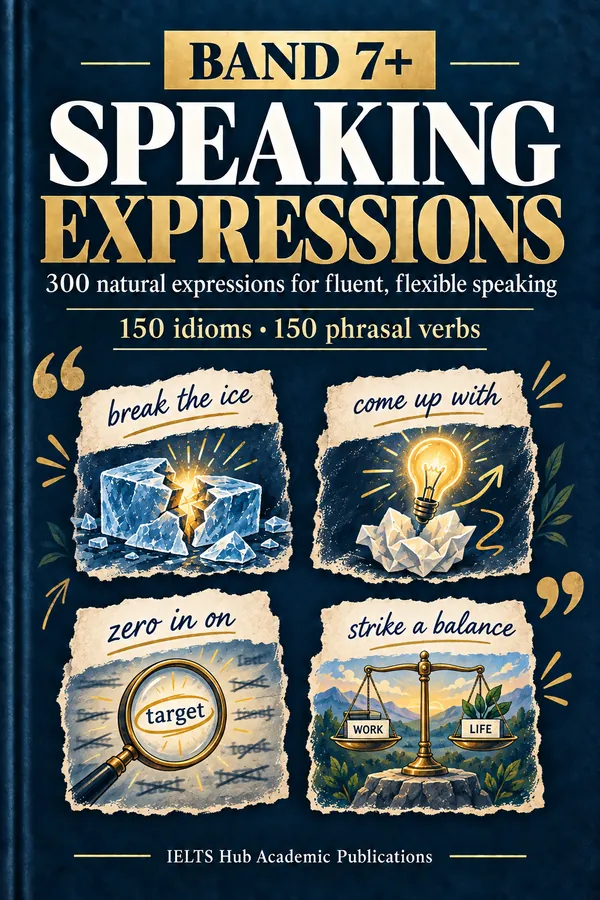
Speaking
Band 7+ Speaking Expressions
300 natural expressions for fluent, flexible speaking
₹199$6.99CAD 8.99AUD 9.99£4.99NZD 10.99€5.99AED 24SGD 8.99
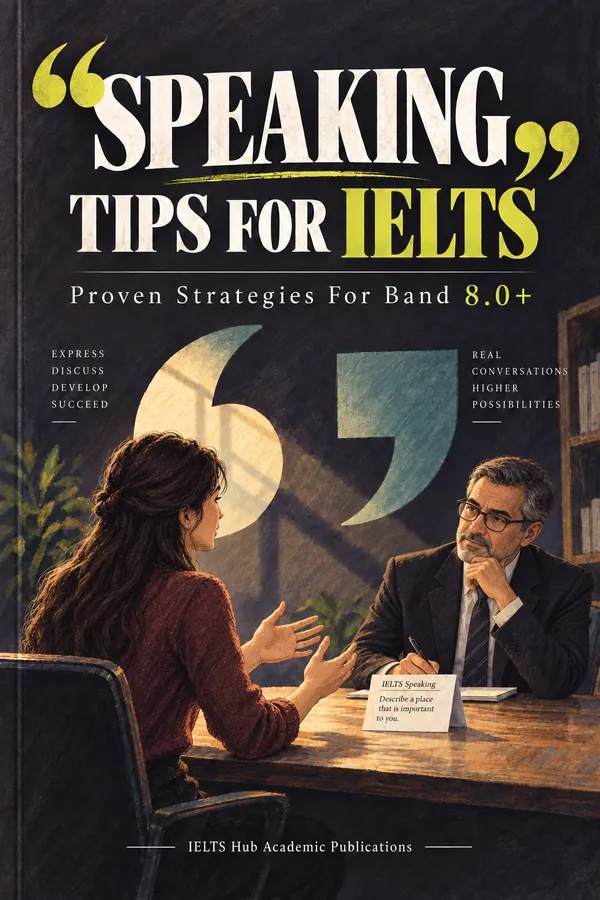
Speaking
Speaking Tips for IELTS
Proven Strategies for Band 8.0+
₹299$9.99CAD 13.99AUD 14.99£7.99NZD 16.99€8.99AED 39SGD 12.99
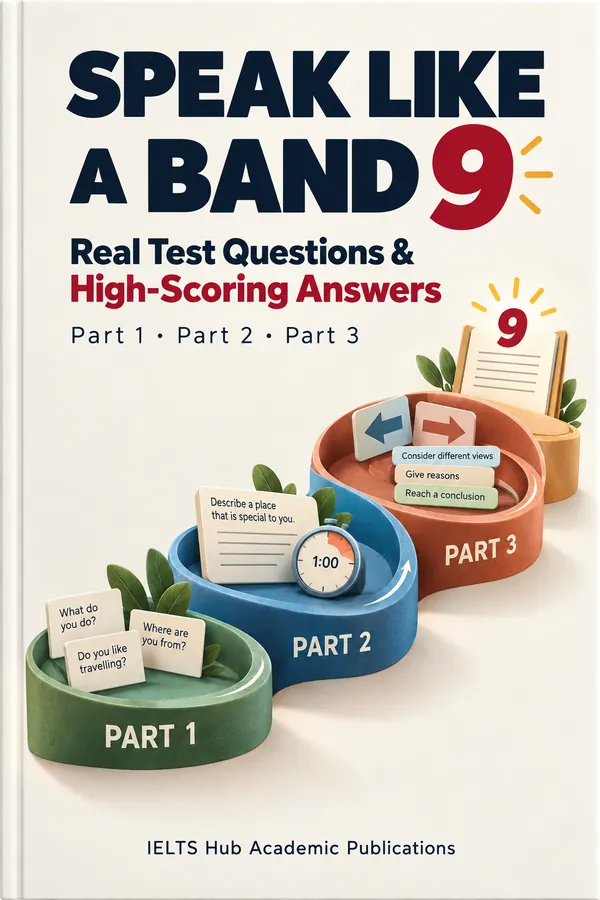
Speaking
Speak Like a Band 9
Real Test Questions & High-Scoring Answers
₹299$9.99CAD 13.99AUD 14.99£7.99NZD 16.99€8.99AED 39SGD 12.99