Speaking test #619
Part 1 · Interview
4 to 5 minutes. The examiner asks about you and familiar topics.
Can you tell me your full name?
Where are you from?
Do you work or are you a student?
What do you do to relax?
I find that reading a good book or listening to music are both great ways to relax and unwind. I also enjoy taking walks in nature, as the fresh air and peaceful surroundings help to clear my mind and reduce stress.
Do you think doing sports is a good way to relax?
Absolutely! I believe that participating in sports or other physical activities is an excellent way to relax and de-stress. Not only does it release endorphins and improve overall physical health, but it also provides a sense of accomplishment and a break from daily routine.
Do you think doing sports is a good way to relax?
Yes, I definitely think that doing sports is a good way to relax. It provides an outlet for pent-up energy and emotions, and can also help to improve mental health and overall well-being. Plus, it's a great way to socialize and make new friends.
Do you think students need more relaxing time?
I absolutely think that students need more relaxing time. With the pressure and demands of schoolwork and extracurricular activities, students can easily become overwhelmed and stressed. Allowing them more time to relax and unwind can help to improve their mental and emotional health, and ultimately lead to better academic performance.
Do you like robots?
I absolutely adore robots! The idea of having machines that can perform tasks, interact with humans, and even think for themselves is truly fascinating to me. I find the technology behind robots to be incredibly impressive and I am always excited to see new advancements in the field.
Would you want a robot to work in your home?
I would definitely consider having a robot work in my home. With the increasing need for automation and efficiency, having a robot to assist with tasks such as cleaning, cooking, and even taking care of children could greatly improve the quality of life for many households. Plus, the thought of having a robot butler is quite appealing to me.
What do you think about a robot driving your car?
I think the concept of a robot driving a car is very intriguing. With the advancements in technology, it is becoming increasingly possible to have self-driving cars on the roads. The idea of having a robot drive your car could greatly improve safety and reduce the number of accidents caused by human error. However, I do think there will be a lot of challenges to overcome before this becomes a reality.
Will robots replace human beings in the workplace completely?
I don't believe that robots will replace human beings in the workplace completely. While automation and technology can certainly improve efficiency and productivity, there are certain tasks that require human intuition and creativity. Additionally, many jobs require human interaction and emotional intelligence, which robots may not be able to replicate. However, I do think that robots will become increasingly prevalent in the workplace and will change the way we work.
You will have to talk about the topic for one to two minutes. You have one minute to think about what you are going to say. You can make some notes to help you if you wish.
Describe a time when you had to change your plan
You should say:
- What was your initial plan
- Why did you have to change it
- How did you adapt to the new plan
- What was the outcome of the new plan
What was your initial plan
In a fast-paced world, flexibility is key, and I vividly recall a time when I had to swiftly alter my plans due to unforeseen circumstances. Initially, my plan was to embark on a solo backpacking trip across the picturesque mountains of Himachal Pradesh during my summer break from university. I had meticulously researched the trails, booked accommodations, and eagerly anticipated the adventure ahead.
Why did you have to change it
However, just a few days before my departure, a sudden family emergency arose, requiring my immediate presence at home. Reluctantly, I had to abandon my travel plans and prioritize my family's needs over my personal desires. It was a difficult decision, but family always comes first for me.
How did you adapt to the new plan
To adapt to the unexpected change, I quickly rearranged my schedule and canceled my reservations. Instead of traveling, I spent quality time with my family, offering support and comfort during a challenging period. I engaged in meaningful conversations, helped with household chores, and provided emotional reassurance to my loved ones.
What was the outcome of the new plan
The outcome of altering my plans was surprisingly rewarding. While I missed out on the adventure I had been looking forward to, I strengthened my bond with my family and gained a deeper appreciation for the importance of flexibility and adaptability. The experience taught me the value of being resilient in the face of change and reinforced the significance of prioritizing relationships over personal pursuits.
- Words
- 226
- Sentences
- 12
- Words per sentence
- 18.8
- Speaking time
- about 1.7 min
Counted at 130 words a minute. The exam gives you one to two minutes.
Part 3 · Discussion
4 to 5 minutes. The examiner asks broader questions linked to the cue card topic.
How can changing plans be better than sticking to the original ones?
Changing plans can often be more beneficial than sticking to the original ones for a variety of reasons. Firstly, when we adapt our plans, we can take advantage of new opportunities that may not have been apparent at first. This flexibility allows us to navigate unforeseen challenges more effectively, ensuring that we remain on the path to success. Additionally, shifting our approach can lead to greater innovation; sometimes, the best ideas emerge from a willingness to reevaluate our initial strategies. Overall, embracing change can foster a more dynamic and responsive mindset, ultimately leading to more rewarding experiences.
Some people think that being flexible in planning is very important. What do you think about this idea?
I absolutely agree that flexibility in planning is crucial. Life is inherently unpredictable, and having a rigid plan can often lead to frustration when things don’t go as expected. For instance, if you're preparing for an important project at work and unexpected challenges arise, being able to adapt your strategy can make all the difference. Moreover, flexibility fosters creativity; it encourages individuals to explore new ideas and solutions that they might not have considered initially. Ultimately, embracing a flexible approach can lead to more effective outcomes and a greater sense of fulfillment in both personal and professional pursuits.
How important do you think being adaptable is in your personal life and work?
Adaptability is incredibly significant in both personal and professional contexts, and I’d argue it’s one of the most essential skills one can possess today. In our fast-paced world, changes are inevitable, whether they're technological advancements or shifts in societal norms. Being able to adjust to new circumstances allows individuals to thrive rather than just survive. Personally, adaptability can enhance relationships and help individuals navigate challenges more effectively, while professionally, it opens up opportunities for career growth and innovation. In essence, those who embrace change tend to find greater success and fulfillment in various aspects of their lives.
Why do you think it’s hard for people to change their plans?
Changing plans can be quite a struggle for many people, primarily because of the emotional investment they put into their initial decisions. When someone has spent time and effort planning something, it can feel disheartening to have to reconsider or pivot. Additionally, there’s often a fear of the unknown; venturing into uncharted territory can be intimidating. Social pressures also come into play; people may worry about what others will think if they change their plans. Ultimately, it’s a combination of these factors that can make flexibility feel overwhelming for some.
What possible changes in society might affect how people make their plans for the future?
That's a fascinating question! One significant change that could influence how individuals approach their plans is the ongoing advancement of technology. As we see more automation and artificial intelligence taking over certain jobs, people may need to adapt their career aspirations and consider roles that emphasize creativity or emotional intelligence, which machines cannot replicate as easily. Additionally, the growing emphasis on sustainability and environmental issues might lead individuals to prioritize careers in green technology or social enterprises, reflecting a shift in societal values. Moreover, the rise of remote work has transformed traditional workplace dynamics, allowing individuals to consider a broader range of locations for their careers, which can dramatically alter their personal and professional plans. Overall, these societal shifts are likely to inspire a more flexible and innovative approach to future planning.
What ways can people use to handle sudden changes in their plans better?
Managing unexpected changes can be a real challenge, but there are several effective strategies individuals can employ. First and foremost, cultivating a mindset of flexibility is crucial; this allows you to adapt quickly without feeling overwhelmed. Another helpful approach is to practice proactive problem-solving—by anticipating potential obstacles and brainstorming solutions in advance, you can mitigate the impact of sudden changes. Additionally, maintaining a strong support network can be invaluable; having friends or family to lean on during turbulent times can provide not only emotional support but also practical assistance. Lastly, keeping a positive attitude can transform how you perceive these changes, turning potential setbacks into opportunities for growth and learning.
Go further with the books
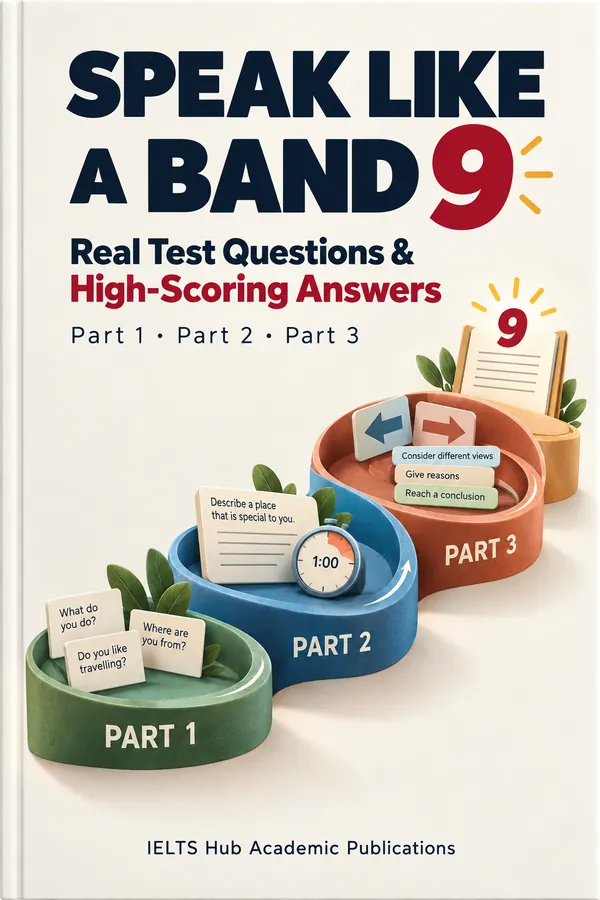
Speaking
Speak Like a Band 9
Real Test Questions & High-Scoring Answers
₹299$9.99CAD 13.99AUD 14.99£7.99NZD 16.99€8.99AED 39SGD 12.99
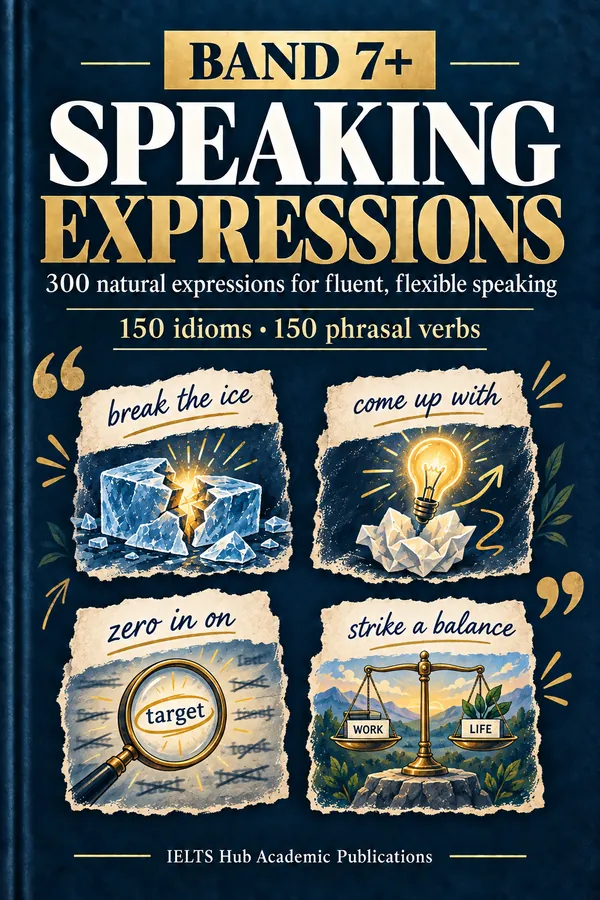
Speaking
Band 7+ Speaking Expressions
300 natural expressions for fluent, flexible speaking
₹199$6.99CAD 8.99AUD 9.99£4.99NZD 10.99€5.99AED 24SGD 8.99
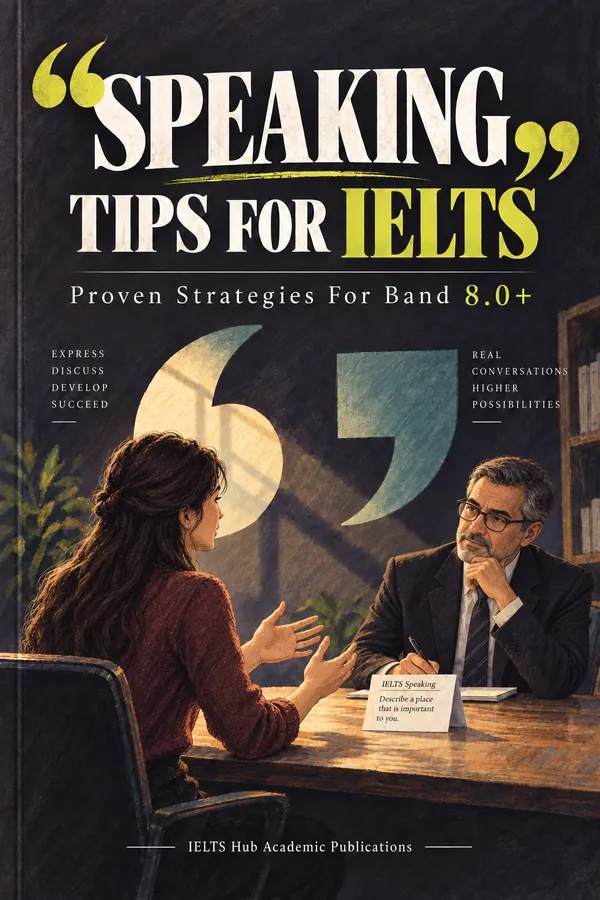
Speaking
Speaking Tips for IELTS
Proven Strategies for Band 8.0+
₹299$9.99CAD 13.99AUD 14.99£7.99NZD 16.99€8.99AED 39SGD 12.99