Speaking test #625
Part 1 · Interview
4 to 5 minutes. The examiner asks about you and familiar topics.
Can you tell me your full name?
Where are you from?
Do you work or are you a student?
Do you like to sing?
Yes, I absolutely love to sing. Singing is one of my favorite pastimes and it brings me a great deal of joy and happiness.
When do you like to sing?
I like to sing whenever I have the opportunity to do so. Whether it's in the shower, while I'm cooking, or even while I'm driving, I always try to find an excuse to let my voice soar.
Is it difficult to sing well?
It can be quite challenging to sing well, especially if you're trying to hit high notes or hold a long note. However, with practice and dedication, anyone can learn to sing well and improve their skills over time.
Would you want to be a popular singer?
I would love to be a popular singer. It would be a dream come true to be able to share my passion for singing with a wide audience and to be able to make a difference in people's lives through my music. However, even if I never become a popular singer, I will always continue to sing as it brings me immense joy and happiness.
Where is your favourite place to sit?
My favourite place to sit would have to be in my garden. It's a small space but it's surrounded by greenery and it's the perfect spot for me to relax and unwind after a long day. The sound of birds chirping and the gentle breeze makes it feel like a sanctuary.
Do you always sit down for a long time?
No, I don't always sit down for a long time. I try to make sure I take regular breaks and move around to keep my body active. Sitting down for prolonged periods of time can be bad for your health, so I try to be mindful of that.
Do you feel sleepy when you are sitting down?
It depends on the situation. If I'm tired and it's late at night, then yes, I might feel sleepy when I'm sitting down. But if I'm in a stimulating environment or if I'm engaged in a conversation or activity, then I'm less likely to feel sleepy.
When you were a kid did you usually sit on the floor?
Yes, when I was a kid I used to sit on the floor quite often. I remember playing with my toys on the floor and sometimes I would even do my homework on the floor. It was a lot more comfortable for me than sitting on a chair.
You will have to talk about the topic for one to two minutes. You have one minute to think about what you are going to say. You can make some notes to help you if you wish.
Describe a book you would like to write
You should say:
- What the book would be about
- The main characters in the book
- The setting of the book
- Why you are passionate about writing this book
What the book would be about
I have always been captivated by the idea of writing a novel that delves into the rich cultural tapestry of India. The book I aspire to write would be a historical fiction masterpiece set during the Mughal era, a tumultuous period marked by grandeur and intrigue. This novel would follow the journey of a young courtesan, Kavya, who finds herself entangled in the political machinations of the royal court.
The main characters in the book
Kavya, the protagonist of my book, is a complex character who navigates the opulence of the Mughal court with grace and intelligence. Her wit and charm mask a deep-seated ambition to rise above her station and forge her own destiny in a world dominated by men. Alongside Kavya, readers would encounter a cast of compelling characters, from scheming courtiers to noble warriors, each with their own motivations and desires that shape the narrative.
The setting of the book
The setting of the book would transport readers to the lavish palaces of Mughal emperors, the bustling bazaars of ancient Delhi, and the majestic forts of Rajasthan. Through vivid descriptions and immersive storytelling, I aim to recreate the sights, sounds, and smells of this bygone era, allowing readers to experience the beauty and brutality of Mughal India firsthand.
Why you are passionate about writing this book
I am passionate about writing this book because it offers a unique opportunity to explore themes of power, love, betrayal, and redemption against the backdrop of one of India's most fascinating historical periods. By weaving together elements of romance, politics, and adventure, I hope to craft a narrative that not only entertains but also educates readers about the rich cultural heritage of my homeland. This novel would be a labor of love, a tribute to the enduring spirit and resilience of the Indian people throughout history.
- Words
- 286
- Sentences
- 11
- Words per sentence
- 26.0
- Speaking time
- about 2.2 min
Counted at 130 words a minute. The exam gives you one to two minutes.
Part 3 · Discussion
4 to 5 minutes. The examiner asks broader questions linked to the cue card topic.
How could the themes of the book you want to write connect in different ways with people of different ages?
That's a fascinating question! The themes of a book can indeed resonate differently across various age groups due to their unique life experiences and perspectives. For instance, a story centered on personal growth and self-discovery might strike a chord with teenagers who are navigating their identities, while older adults might appreciate these themes as reflections of their life journeys and the lessons they've learned. Additionally, younger readers might be more drawn to action and adventure, seeing it as an escape, whereas older readers may look for deeper meanings and nuanced character development. Ultimately, the beauty of storytelling lies in its ability to connect with people from all walks of life, sparking different emotions and thoughts based on their age and experiences.
What are the possible downsides of writing a book that tries to teach a lesson?
Writing a book that aims to convey a moral lesson can certainly be a noble endeavor, but it does come with its own set of challenges. One significant drawback is that readers often have differing interpretations of what constitutes a moral lesson, leading to potential misunderstandings or even alienation of the audience. Additionally, if the message is too overt or preachy, it might turn readers off, making them feel as though they are being lectured rather than entertained. This can detract from the overall reading experience, reducing the likelihood of the book being well-received. Lastly, there’s the risk of oversimplifying complex issues, which may result in a narrative that feels unrealistic or unrelatable to readers.
How can reading change how a person views society and culture?
Literature has an incredible capacity to shape an individual's perspective on society and culture. Through the power of storytelling, it immerses readers in different worlds, allowing them to experience a myriad of viewpoints and cultural nuances that they might not encounter in their daily lives. For instance, novels and poetry can illuminate social injustices, fostering empathy and a deeper understanding of issues like inequality or discrimination. Moreover, literature often reflects the values and beliefs of a particular time or community, encouraging readers to question their own preconceptions and broaden their horizons. Ultimately, engaging with diverse literary works can cultivate a more nuanced and empathetic outlook on the complexities of human existence.
Why do you think some writers decide to write about their own lives while others like to make up stories?
That’s a fascinating question! I believe the choice between writing an autobiography and opting for fiction often hinges on the author’s personal experiences and their desire to connect with readers. For some, sharing their life story can be incredibly cathartic, allowing them to reflect on their unique journey and perhaps inspire others facing similar challenges. On the other hand, authors who gravitate towards fiction might be driven by a need for creative expression, using their imagination to build worlds and characters that resonate with universal themes. Ultimately, both forms offer valuable insights, but the decision really depends on what the author feels compelled to share with the world.
How could the rise of self-publishing change the traditional publishing industry in the future?
The rise of self-publishing has already started to shake up the traditional publishing industry, and I believe this trend will only continue to evolve. As more authors opt for self-publishing, we might see a shift in how publishing houses operate, pushing them to adapt and innovate their services to remain competitive. This might lead to a greater focus on niche markets and unique voices, as traditional publishers could become more selective about the authors they choose to represent. Moreover, self-publishing often allows for a quicker turnaround, which could prompt traditional publishers to streamline their processes to meet the demands of a rapidly changing market. Overall, the future could be an intriguing blend of both self-published and traditionally published works coexisting, each catering to different reader preferences.
What steps can new writers take to increase their chances of being published?
Aspiring writers can take several effective measures to enhance their chances of getting published. Firstly, they should focus on honing their craft by attending writing workshops or enrolling in creative writing courses, where they can receive valuable feedback and guidance. Additionally, building a strong online presence through blogs or social media can help them connect with readers and other writers, which is crucial in today’s digital landscape. Networking is also key; participating in literary events or joining writers' groups can open doors to potential publishers or mentors who can offer insight into the industry. Lastly, aspiring authors should be persistent and resilient, as rejection is a common part of the journey, and learning to embrace constructive criticism can ultimately lead to improvement and success.
Go further with the books
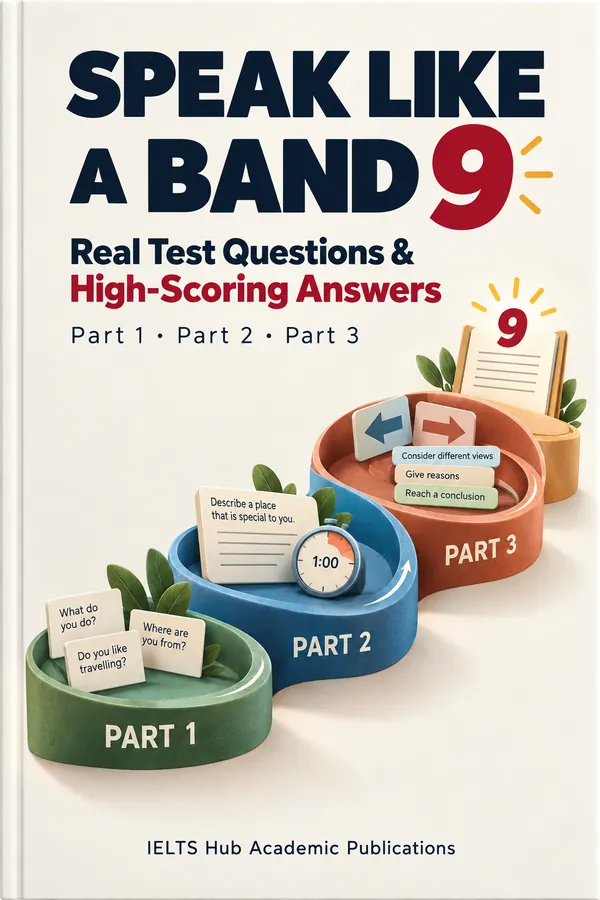
Speaking
Speak Like a Band 9
Real Test Questions & High-Scoring Answers
₹299$9.99CAD 13.99AUD 14.99£7.99NZD 16.99€8.99AED 39SGD 12.99
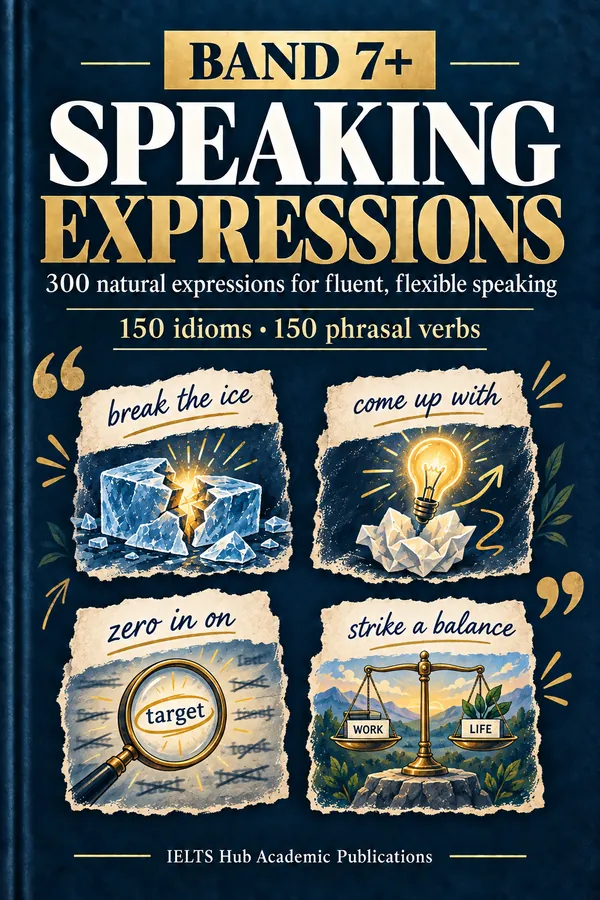
Speaking
Band 7+ Speaking Expressions
300 natural expressions for fluent, flexible speaking
₹199$6.99CAD 8.99AUD 9.99£4.99NZD 10.99€5.99AED 24SGD 8.99
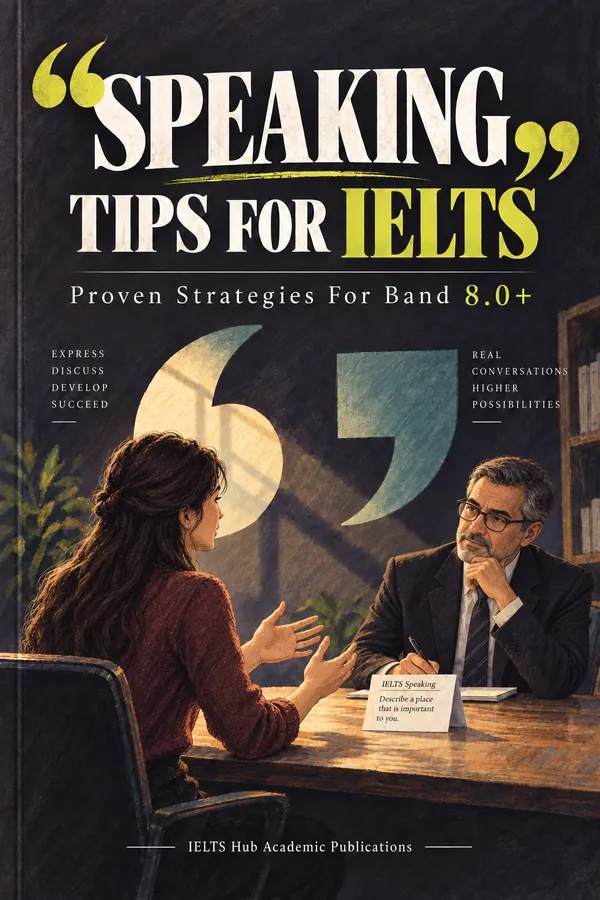
Speaking
Speaking Tips for IELTS
Proven Strategies for Band 8.0+
₹299$9.99CAD 13.99AUD 14.99£7.99NZD 16.99€8.99AED 39SGD 12.99