Speaking test #627
Part 1 · Interview
4 to 5 minutes. The examiner asks about you and familiar topics.
Can you tell me your full name?
Where are you from?
Do you work or are you a student?
How many hours do you usually sleep at night?
I usually aim to get around 8 hours of sleep at night. I find that this is the ideal amount of sleep for me to feel refreshed and energized the next day.
Do you go to bed at the same time every day?
I try to maintain a consistent sleep schedule by going to bed at the same time every day, usually around 10pm. I find that having a set bedtime helps me to relax and fall asleep more easily.
Do you ever have a nap during the day?
Occasionally, I will take a short nap during the day if I am feeling tired or if I have a particularly busy schedule. I find that a short nap can help to boost my energy and productivity for the rest of the day.
Why do older people sleep longer than young people?
There are a few reasons why older people may sleep longer than young people. As we age, our bodies produce less melatonin, which is a hormone that helps regulate our sleep-wake cycle. Additionally, older adults may have more health conditions or medications that can affect their sleep. Additionally, as we age, we may find it more difficult to fall asleep and stay asleep, leading to longer sleep times.
Do you always smile?
I believe that smiling is a natural expression of positivity and happiness. Therefore, I try to maintain a positive attitude and approach in my daily life, which often leads to me smiling. However, there may be times when I am not feeling my best, and my smile may not be as genuine.
Should people smile more?
I think that smiling is a powerful tool in communicating friendliness and openness to others. It can also have a positive impact on our own well-being. Therefore, I believe that people should make a conscious effort to smile more often.
What makes people smile at others?
There are many different things that can make people smile at others. For example, a kind gesture or a funny joke can bring a smile to someone's face. Additionally, seeing someone who is happy and content can also be contagious, making others smile in return.
Can you recognize a fake smile?
Yes, I believe that I can recognize a fake smile. A genuine smile involves the muscles around the eyes and mouth, whereas a fake smile is often just a curl of the lips. Additionally, a fake smile usually lacks the warmth and sincerity that a genuine smile possesses.
You will have to talk about the topic for one to two minutes. You have one minute to think about what you are going to say. You can make some notes to help you if you wish.
Describe a situation when you did not have enough time
You should say:
- What was the situation
- Why you did not have enough time
- What were the consequences
- How you managed the situation
What was the situation
Recently, I found myself in a situation where I did not have enough time to complete a crucial work project. The project involved analyzing a large dataset and preparing a detailed report within a tight deadline of two days. Unfortunately, due to unforeseen technical issues with the data processing software and unexpected interruptions, I fell behind schedule.
Why you did not have enough time
The consequences of not having enough time were quite significant. I was unable to conduct a thorough analysis of the data, which jeopardized the quality of the final report. Moreover, the delay in submission risked the project's success and my reputation at work. The pressure and stress of the situation were immense, and I realized the importance of time management and contingency planning.
What were the consequences
To manage the situation, I quickly assessed the remaining tasks, prioritized essential elements, and sought help from my team members to expedite the process. I also communicated the challenges to my supervisor, seeking an extension with valid justifications. With a focused approach, effective delegation, and extended working hours, I managed to complete the project just in time, albeit with compromised quality.
How you managed the situation
In conclusion, the experience taught me valuable lessons in time management, adaptability, and communication skills. It reinforced the importance of planning, flexibility, and teamwork in overcoming challenges when faced with time constraints. Moving forward, I am more vigilant in anticipating potential obstacles and better equipped to handle similar situations efficiently.
- Words
- 231
- Sentences
- 13
- Words per sentence
- 17.8
- Speaking time
- about 1.8 min
Counted at 130 words a minute. The exam gives you one to two minutes.
Part 3 · Discussion
4 to 5 minutes. The examiner asks broader questions linked to the cue card topic.
How do time pressure situations differ in personal life compared to work life?
That's a fascinating question! Time constraints certainly play out differently in personal and professional life. In a professional setting, deadlines are often more rigid and can have significant implications for the organization, such as lost opportunities or financial repercussions. On the other hand, personal life tends to offer a bit more flexibility, allowing individuals to prioritize their well-being or family commitments over strict timelines, although that doesn't mean personal deadlines aren't stressful. Moreover, in the workplace, there's often a need for collaboration, which can add layers of complexity when everyone is juggling their own schedules. In contrast, personal time constraints might stem from emotional considerations, like wanting to spend quality time with loved ones or pursuing hobbies, which can be equally demanding but are usually self-imposed. Overall, while both spheres have their pressures, the nature and impact of those constraints can vary significantly.
Some people think that having less time can improve how well we do things. What do you think about this idea?
I absolutely see where that perspective is coming from! When time is constrained, it often sparks a sense of urgency that can drive people to focus intensely on the task at hand. This can lead to heightened productivity and a greater ability to prioritize, ultimately resulting in a more effective use of resources. Additionally, the pressure of a ticking clock can foster creativity, as individuals might think outside the box to overcome challenges. However, it’s essential to strike a balance; while limited time can enhance performance for some, it might also induce stress for others, potentially leading to burnout. So, in essence, it really depends on the individual and the context!
How does managing time help in reaching personal and work goals?
Time management is absolutely crucial when it comes to achieving both personal and professional goals. It allows individuals to prioritize tasks effectively, ensuring that they focus on what truly matters and avoid getting bogged down by less important activities. By mastering time management, one can create a sense of balance between various aspects of life, which ultimately leads to enhanced productivity and reduced stress. Moreover, setting aside specific time slots for different tasks can foster a greater sense of accountability and discipline, which are essential for reaching long-term ambitions. In essence, effective time management not only helps in meeting deadlines but also cultivates a more fulfilling and organized lifestyle.
Why do you think people usually think tasks will take less time than they really do?
I believe people often underestimate the time required to complete tasks due to a combination of optimism and a lack of experience. Many individuals have a tendency to be overly idealistic, envisioning a scenario where everything goes smoothly without any interruptions. Additionally, some may not fully account for unforeseen challenges, such as technical difficulties or unexpected complications, which can significantly delay progress. This can lead to a kind of time distortion, where people genuinely think they can accomplish more in a shorter span than is realistically possible. It’s a common pitfall, especially in today’s fast-paced world, where the pressure to be efficient is ever-present.
How could the faster speed of modern life affect how people manage their time in the future?
The increasing pace of modern life is likely to have a profound impact on how people manage their time in the future. As technology continues to advance, we might see a greater emphasis on efficiency and productivity, which can lead individuals to adopt more sophisticated time management strategies. However, this could also result in increased stress and a sense of being overwhelmed, as people juggle multiple responsibilities simultaneously. Moreover, the rise of remote working and digital communication may blur the lines between personal and professional time, making it even more challenging to maintain a healthy work-life balance. In essence, while we may develop innovative tools to help manage our schedules, the emotional and psychological aspects of time management will become increasingly important to address as well. It’s an exciting yet daunting prospect, as we navigate this new landscape together!
What ways can people use to manage their time better when they have short deadlines?
When individuals are faced with tight deadlines, adopting effective time management strategies can make a world of difference. One practical approach is to prioritize tasks using the Eisenhower Matrix, which helps distinguish between what is urgent and important. This way, individuals can focus on high-impact activities first, which not only boosts productivity but also alleviates stress. Additionally, breaking larger projects into smaller, more manageable chunks can create a sense of progress and keep motivation high. Lastly, setting specific time blocks for each task can help maintain focus and minimize distractions, allowing for a more efficient workflow. Overall, these strategies can transform a seemingly overwhelming workload into a series of achievable steps.
Go further with the books
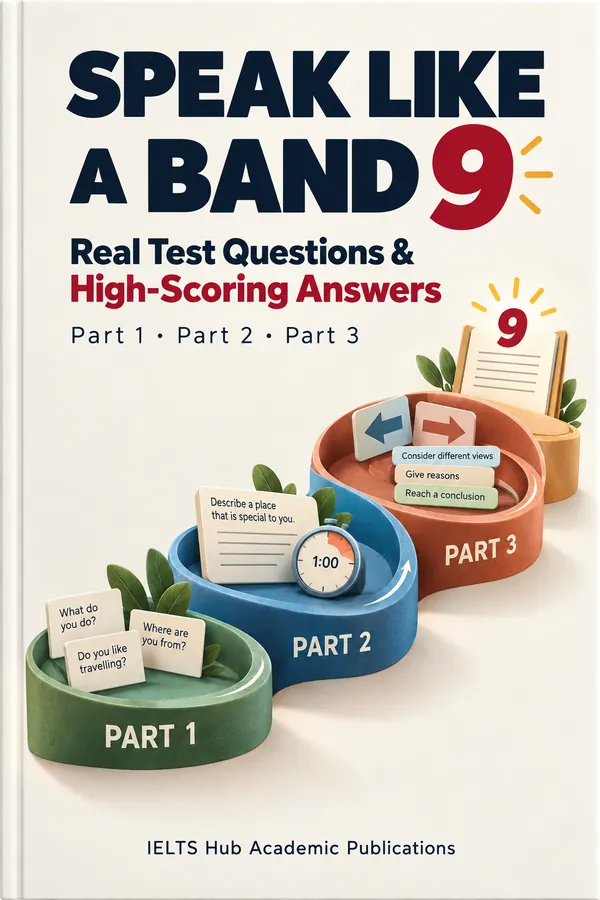
Speaking
Speak Like a Band 9
Real Test Questions & High-Scoring Answers
₹299$9.99CAD 13.99AUD 14.99£7.99NZD 16.99€8.99AED 39SGD 12.99
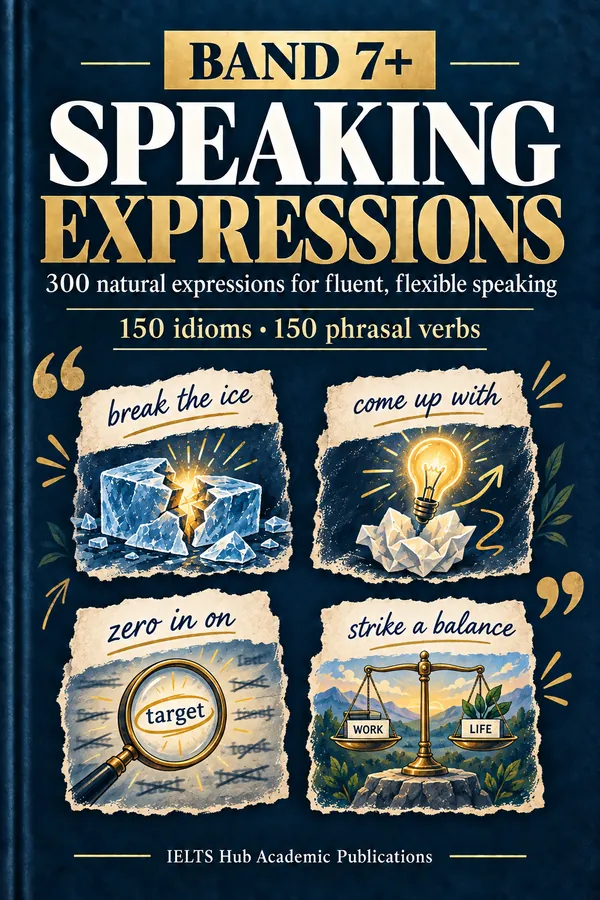
Speaking
Band 7+ Speaking Expressions
300 natural expressions for fluent, flexible speaking
₹199$6.99CAD 8.99AUD 9.99£4.99NZD 10.99€5.99AED 24SGD 8.99
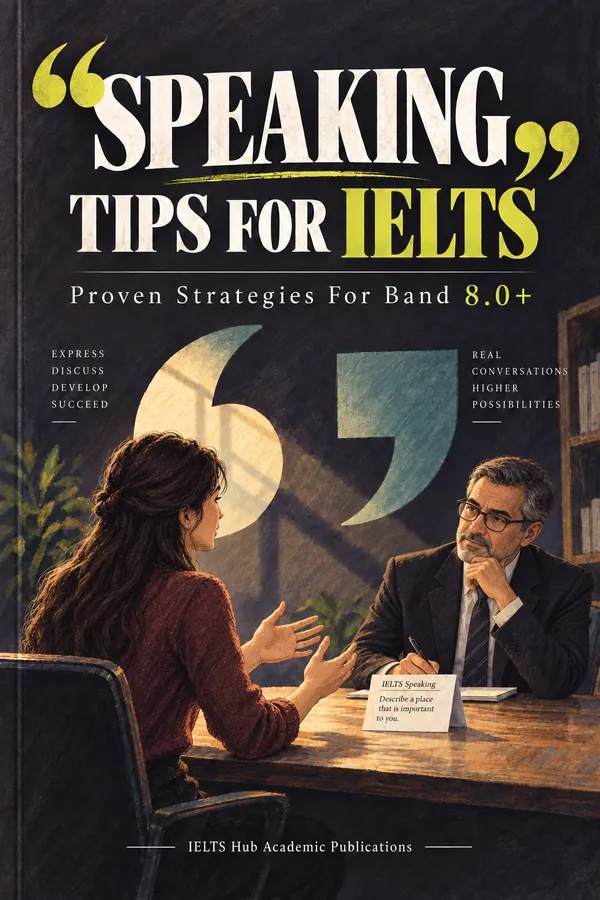
Speaking
Speaking Tips for IELTS
Proven Strategies for Band 8.0+
₹299$9.99CAD 13.99AUD 14.99£7.99NZD 16.99€8.99AED 39SGD 12.99