Speaking test #633
Part 1 · Interview
4 to 5 minutes. The examiner asks about you and familiar topics.
Can you tell me your full name?
Where are you from?
Do you work or are you a student?
Do you often stay up late?
Not particularly, I am quite disciplined in terms of maintaining a regular sleep schedule. However, there are certainly occasions when I may stay up a bit later than usual, such as if I am working on a particularly demanding project or if I am enjoying an engaging conversation with friends or family.
What do you usually do if you stay up late?
If I do happen to stay up late, it is typically because I am engaged in some form of productive activity, such as working on a project, reading, or pursuing a hobby. I find that these activities are often more enjoyable to undertake at night when the house is quiet and there are fewer distractions.
Did you stay up late often when you were younger?
When I was younger, I was not quite as disciplined about maintaining a regular sleep schedule. I would often stay up late, either watching TV or playing video games. However, as I grew older, I began to realize the importance of getting enough sleep and made a conscious effort to establish healthier habits.
How do you usually feel in the morning if you stay up late?
If I do happen to stay up late, I typically feel quite tired and groggy in the morning. I find that my mind is not as sharp and that I am not as productive as I would like to be. Therefore, I try to avoid staying up late as much as possible in order to ensure that I am well-rested and able to tackle the day ahead with energy and enthusiasm
Do you like to buy/taste street food?
I am a huge fan of street food. I love the unique flavors and the diversity of options available on the streets. The experience of trying new and authentic street food is always exciting for me.
What kind of street food do you like?
I am particularly fond of street food from Southeast Asian countries such as Thailand, Vietnam, and Malaysia. I find the combination of spices and herbs used in their street food to be incredibly flavorful and delicious. I also enjoy street food from Mexico and India, as they have a wide variety of options that are rich in flavor and culture.
Do you like to buy street food when you travel to a new place?
Definitely, one of the first things I like to do when I travel to a new place is to try out the street food. I find it to be a great way to immerse myself in the local culture and to discover new flavors and ingredients. Street food is also a great way to experience a more authentic and local perspective of a new place.
What kind of street food would you like to try out in the future?
In the future, I would love to try street food from Africa. I have heard that African street food is incredibly diverse, with a wide range of options that are influenced by the different cultures and cuisines on the continent. I am particularly interested in trying street food from countries such as Ethiopia and Senegal, as I have heard that their street food is incredibly flavorful and unique.
You will have to talk about the topic for one to two minutes. You have one minute to think about what you are going to say. You can make some notes to help you if you wish.
A skill that takes a long time to learn
You should say:
- What skill it is
- Why it takes a long time to learn
- How you started learning this skill
- What challenges you faced during the learning process
What skill it is
one skill that requires a significant amount of time to master is classical Indian dance, such as Bharatanatyam or Kathak. These traditional dance forms are deeply rooted in history, culture, and mythology, making them intricate and complex to learn.
Why it takes a long time to learn
Learning classical Indian dance is a time-consuming process due to its rich heritage and the detailed techniques involved. Students must grasp the nuances of hand gestures, facial expressions, footwork, and body movements while understanding the emotional and storytelling aspects of each piece. Mastery of these elements demands years of dedicated practice and guidance from experienced teachers.
How you started learning this skill
My journey with Bharatanatyam began at the age of seven, when my parents enrolled me in a local dance school. Initially, I struggled to synchronize my movements and express emotions authentically through dance. I spent hours perfecting each step and practicing in front of the mirror to improve my posture and expressions.
What challenges you faced during the learning process
Throughout the learning process, I encountered numerous challenges, including physical strain, stage fright, and self-doubt. Coping with the rigorous practice schedules, balancing academics, and overcoming performance anxiety were some of the hurdles I faced. However, with perseverance, support from my mentors, and a deep passion for the art form, I gradually overcame these obstacles and honed my skills in classical Indian dance.
- Words
- 209
- Sentences
- 11
- Words per sentence
- 19.0
- Speaking time
- about 1.6 min
Counted at 130 words a minute. The exam gives you one to two minutes.
Part 3 · Discussion
4 to 5 minutes. The examiner asks broader questions linked to the cue card topic.
How can learning a skill be different for different people?
The process of learning a skill can vary significantly from one individual to another due to a variety of factors. For instance, personal motivation plays a crucial role; some people are driven by a deep passion for the skill, while others might be learning it out of necessity. Additionally, the learning styles of individuals differ—some may thrive in a structured environment, benefiting from clear guidance, while others might prefer a more hands-on approach, learning through trial and error. Furthermore, prior experience can influence the speed and ease with which a skill is acquired; someone with a background in a related area might find it easier to pick up a new skill than a complete novice. Overall, these differences highlight the unique journey each person undertakes in mastering a new ability.
How important is it for people to spend time learning a skill?
Investing time in mastering a skill is absolutely vital, especially in today’s fast-paced world. When individuals dedicate themselves to honing a particular ability, they not only enhance their competence but also boost their confidence. This commitment to skill development can lead to a greater sense of personal fulfillment and even open up new career opportunities. Additionally, in a world that increasingly values specialization, those who invest time in mastering a skill often find themselves at a significant advantage, as they can offer unique contributions in their fields. Ultimately, taking the time to master a skill reflects a commitment to lifelong learning, which is essential for personal and professional growth.
How important is practicing when learning a new skill?
Practice plays an absolutely crucial role in acquiring a new skill. It's like the old saying goes, "practice makes perfect," and there’s a lot of truth to that. When you actively engage in practice, you not only reinforce what you've learned but also identify areas that need improvement, which is essential for growth. Moreover, the more you practice, the more confident you become, and that confidence can really propel you forward. In essence, consistent practice transforms knowledge into mastery, making it an indispensable part of the learning process.
Why do you think some people learn certain skills more easily than others?
I believe that the ability to learn certain skills can be influenced by a variety of factors, including natural aptitude, previous experiences, and even motivation. For instance, someone with a background in music may find it easier to pick up a new instrument than someone without that exposure. Additionally, the way people process information can vary greatly; some individuals might be more visually oriented, while others might excel with auditory or hands-on learning methods. Ultimately, it’s a combination of these elements that shapes how efficiently someone can acquire a new skill, making the learning journey unique for each person.
What changes could happen in the future for how we learn complex skills?
In the future, I believe we will witness a significant shift in the landscape of learning complex skills, largely driven by technological advancements. For instance, the rise of virtual reality and augmented reality could provide immersive environments that enable learners to practice skills in ways that feel incredibly real and engaging. Additionally, the integration of artificial intelligence into educational platforms might allow for personalized learning experiences, catering to individual strengths and weaknesses. This could result in a more efficient learning process, where students can progress at their own pace while receiving instant feedback. Overall, the future of learning complex skills promises to be more dynamic and tailored, making mastery more accessible to everyone.
"What ways can help people learn skills that take a long time to master?"?
There are several effective methods that can be implemented to assist individuals in mastering skills that require a significant investment of time. Firstly, structured learning plans can be incredibly beneficial; these plans break down complex skills into manageable components, making the learning process less overwhelming. Additionally, incorporating mentorship programs can provide learners with guidance and support from experienced individuals, which can dramatically accelerate their learning curve. Another approach is the use of technology, such as online courses or educational apps, which offer flexibility and can cater to various learning styles. Finally, fostering a growth mindset is crucial, as it encourages individuals to view challenges as opportunities for improvement rather than obstacles. With the right combination of these methods, anyone can make meaningful progress in mastering a skill over time.
Go further with the books

Speaking
Band 7+ Speaking Expressions
300 natural expressions for fluent, flexible speaking
₹199$6.99CAD 8.99AUD 9.99£4.99NZD 10.99€5.99AED 24SGD 8.99
Speaking
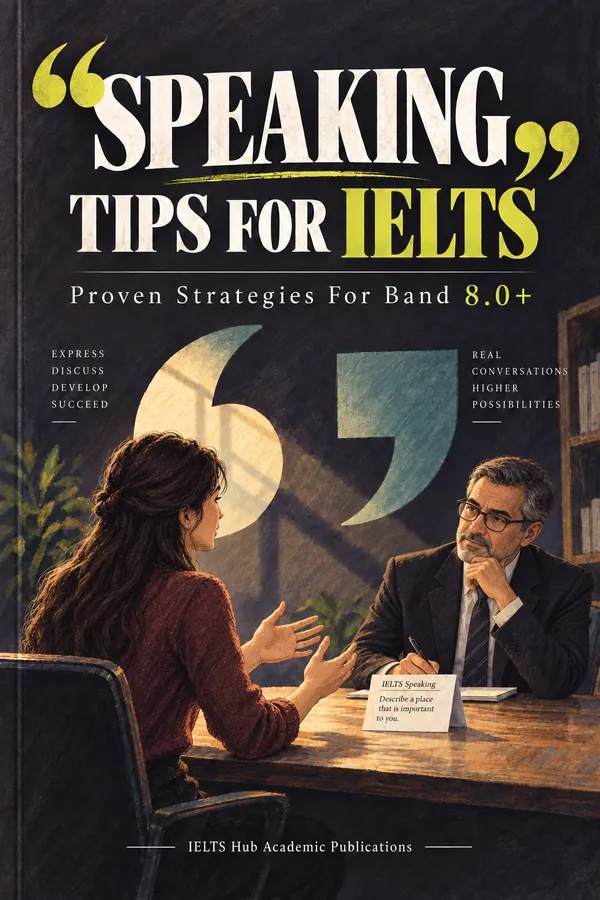
Speaking Tips for IELTS
Proven Strategies for Band 8.0+
₹299$9.99CAD 13.99AUD 14.99£7.99NZD 16.99€8.99AED 39SGD 12.99
Speaking
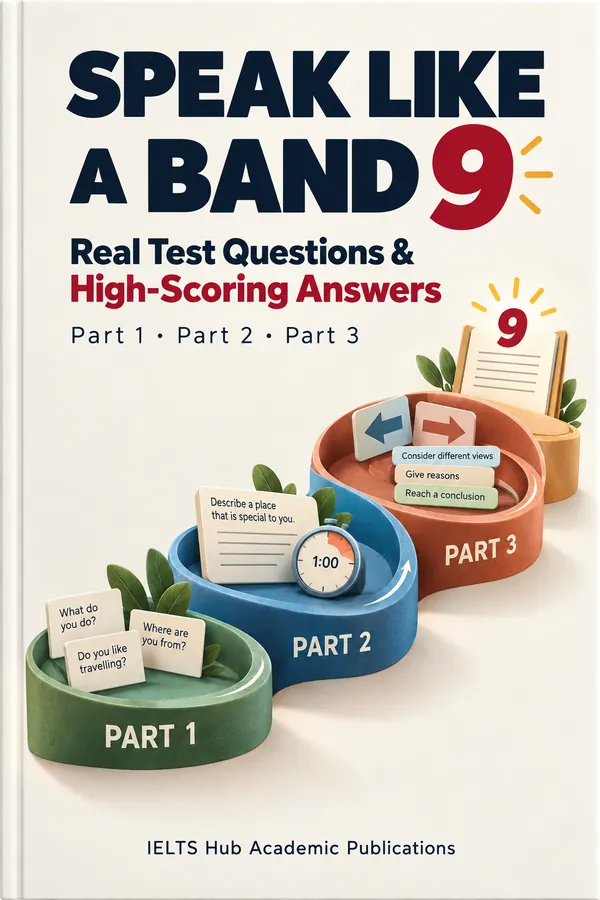
Speak Like a Band 9
Real Test Questions & High-Scoring Answers
₹299$9.99CAD 13.99AUD 14.99£7.99NZD 16.99€8.99AED 39SGD 12.99