Speaking test #642
Part 1 · Interview
4 to 5 minutes. The examiner asks about you and familiar topics.
Can you tell me your full name?
Where are you from?
Do you work or are you a student?
Are you a tidy person?
I would consider myself to be quite tidy, yes. I place a high value on organization and cleanliness, and find that maintaining a tidy environment helps me to feel more focused and productive.
How do you keep things tidy?
I try to adopt a few key strategies to keep things tidy. One of the most important is to have a designated place for everything, so that I know where things belong and can quickly put them away when I'm finished using them. I also try to make a habit of doing a quick tidy-up at the end of each day, so that I start the next day with a clean slate. Additionally, I try to be mindful of creating clutter in the first place, by being selective about what I bring into my home or workspace, and being conscious of the amount of stuff I accumulate.
Do you think people should be tidy all the time?
I think that it's important for people to strive to maintain a certain level of tidiness, as it can have a positive impact on one's mental and physical well-being. However, I don't believe that anyone should feel pressured to be perfectly tidy all the time. Life can be messy and chaotic at times, and it's important to be able to let go and be okay with a little messiness from time to time.
Are you tidier at work or at home?
I would say that I am equally tidy at both work and home. I try to maintain a similar level of organization and cleanliness in both environments, as I find that it helps me to feel more productive and focused regardless of where I am.
Do you often borrow books?
Well, I'm a bit of a bookworm, so I borrow books pretty frequently. Whether it's from the library or from a friend, I'm always on the lookout for something new to read.
Is there anything that cannot be lent?
Hmm, that's an interesting question. I suppose there are some things that can't really be lent, like one-of-a-kind items or sentimental possessions. But in general, I think most things can be borrowed if the person is willing to part with it for a while.
Have you borrowed money from a friend?
Yes, I have borrowed money from friends before. It's not something I do all the time, but sometimes you just need a little extra help to get through a tough situation. It's always nice to have friends who are willing to lend a hand.
What would you do if someone did not return what they borrowed from you?
Well, it would depend on the item and the circumstances. If it was something small and not particularly valuable, I might just let it slide. But if it was something important or sentimental, I would probably have a conversation with the person and try to work out a solution. Ultimately, I think it's important to be understanding and try to find a way to resolve the issue without damaging the relationship.
You will have to talk about the topic for one to two minutes. You have one minute to think about what you are going to say. You can make some notes to help you if you wish.
Describe something kind that someone did for you
You should say:
- Who did the kind act
- What the kind act was
- When and where it happened
- How you felt about the kind act
Who did the kind act
I would like to talk about a memorable act of kindness shown to me by my best friend, Neha. Last year, when I was going through a tough time preparing for my university exams, Neha surprised me by arranging a small study group with our close friends to help me revise for my exams. This thoughtful gesture took place at her place on a Saturday afternoon, a day before my exams were scheduled to begin.
What the kind act was
Neha's kind act not only demonstrated her care and support but also showed me the power of true friendship during challenging times. Her effort to gather our friends and create a conducive study environment for me made me feel incredibly grateful and touched. I was overwhelmed by her selfless gesture and the time and energy she invested in ensuring that I was well-prepared for my exams.
When and where it happened
The kindness shown by Neha not only boosted my confidence for the exams but also strengthened our bond as friends. I felt a deep sense of appreciation and warmth knowing that I had such a caring and supportive friend by my side. Her act of kindness left a lasting impact on me, reminding me of the importance of being there for each other in times of need.
How you felt about the kind act
In conclusion, Neha's kind act of organizing a study group for me remains etched in my memory as a shining example of true friendship and support. I will always be grateful for her thoughtfulness and the positive impact it had on me during a challenging period.
- Words
- 254
- Sentences
- 11
- Words per sentence
- 23.1
- Speaking time
- about 2.0 min
Counted at 130 words a minute. The exam gives you one to two minutes.
Part 3 · Discussion
4 to 5 minutes. The examiner asks broader questions linked to the cue card topic.
How do kind actions from different cultures differ in how they are shown and what they mean?
Acts of kindness are indeed fascinating as they can vary widely across different cultures, both in their expressions and significance. For instance, in many Western cultures, a simple "thank you" or a small gift can be a common way to express gratitude and kindness. In contrast, some Eastern cultures may emphasize acts of service, where helping someone in need without expecting anything in return is seen as a profound expression of goodwill. This highlights the idea that kindness is not just a universal concept, but also deeply embedded in cultural values and practices. Moreover, the significance of these acts can differ; in some cultures, such as in many Indigenous communities, acts of kindness are often tied to the idea of community cohesion and fostering relationships. This can involve sharing food or resources, which strengthens social bonds. Overall, it's truly enriching to observe these differences, as they reflect the unique ways in which various societies prioritize empathy and connection among their members.
How much do you believe kindness is a common quality in everyone?
I believe kindness is indeed a universal trait that transcends cultural boundaries, though its expression may vary from one society to another. Most people, regardless of their background, possess an inherent capacity for empathy and compassion, which often drives them to help others in need. However, the way kindness manifests can be influenced by factors like upbringing, social norms, and personal experiences. For instance, in some cultures, acts of kindness might be more subtle or community-oriented, while in others, they could be more overt and individualistic. Overall, I think the potential for kindness exists in everyone; it’s just about tapping into that innate goodness and finding the right moment to express it.
How does being kind help build relationships in communities?
Kindness plays a pivotal role in fostering relationships within communities, as it acts as a catalyst for trust and understanding. When people engage in acts of kindness, they create a positive atmosphere that encourages collaboration and connection. This sense of goodwill not only strengthens existing relationships but also attracts new members to the community, fostering a spirit of inclusivity. Furthermore, kindness can help to bridge cultural and social divides, making diverse communities more cohesive and resilient. Ultimately, these small acts of kindness can lead to a profound sense of belonging and unity among individuals.
What makes people want to do kind things for others?
People are often motivated to perform acts of kindness for a variety of reasons. At the core, many individuals are driven by a strong sense of empathy—the ability to understand and share the feelings of others. When we see someone in need, it can evoke a natural urge to help, as we relate to their struggles. Additionally, acts of kindness can create a ripple effect, inspiring others to pay it forward, which fosters a sense of community and social connection. Moreover, many find that performing these acts not only benefits the recipient but also brings a profound sense of fulfillment and happiness to the giver, enhancing their overall well-being.
How could the way we see kindness change as society develops?
That's a fascinating question! As society continues to evolve, I believe that the perception of kindness may become increasingly intertwined with technology and global connectivity. With the rise of social media and digital communication, acts of kindness can now reach a vast audience almost instantaneously, which could enhance the value we place on these gestures. However, this could also lead to a commodification of kindness, where people might perform acts primarily for social validation, rather than genuine altruism. Ultimately, I think that while the essence of kindness will remain, the way we express and recognize it might shift significantly, becoming more nuanced as we navigate the complexities of modern life.
What steps can people take to do more kind things in their everyday lives?
Individuals can take several meaningful measures to foster more acts of kindness in their daily lives. For starters, simply practicing mindfulness can help people become more aware of those around them and their needs. When we actively listen to others or offer a helping hand, we create a ripple effect of positivity. Additionally, making a conscious effort to express gratitude can significantly uplift someone's day and inspire them to pay it forward. Small gestures, like complimenting a stranger or volunteering in the community, not only enrich our own lives but also create an environment where kindness thrives. Ultimately, it’s about cultivating a culture of empathy and connection, which can make a world of difference!
Go further with the books
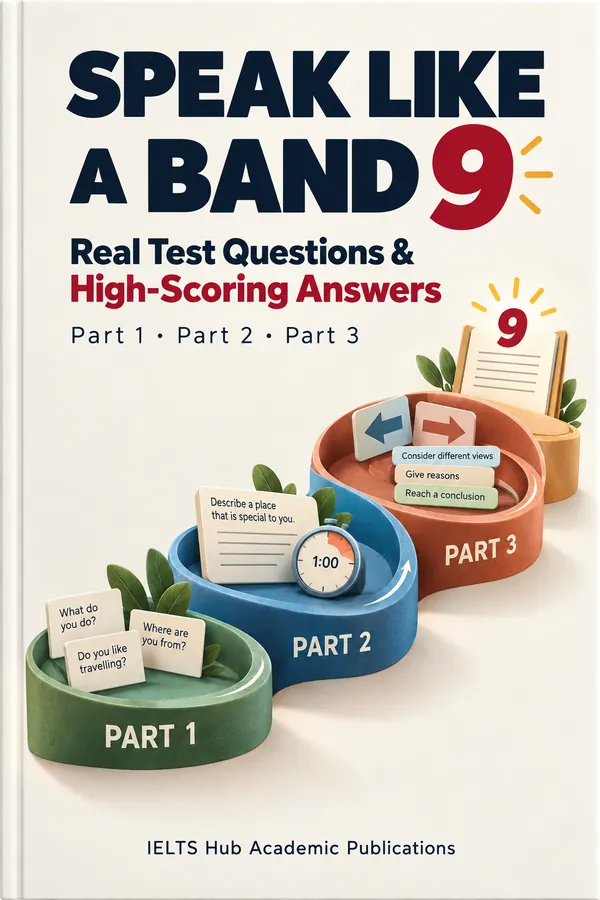
Speaking
Speak Like a Band 9
Real Test Questions & High-Scoring Answers
₹299$9.99CAD 13.99AUD 14.99£7.99NZD 16.99€8.99AED 39SGD 12.99
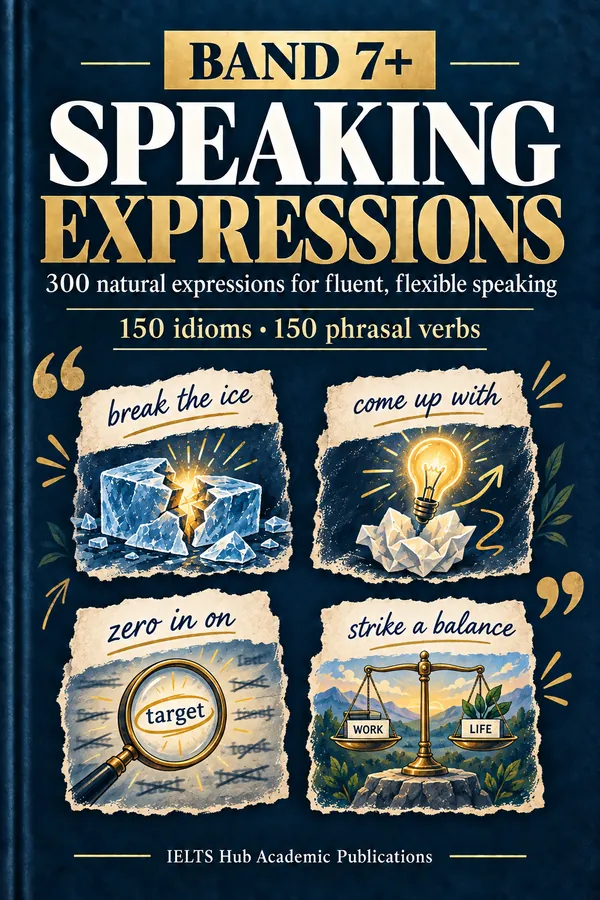
Speaking
Band 7+ Speaking Expressions
300 natural expressions for fluent, flexible speaking
₹199$6.99CAD 8.99AUD 9.99£4.99NZD 10.99€5.99AED 24SGD 8.99
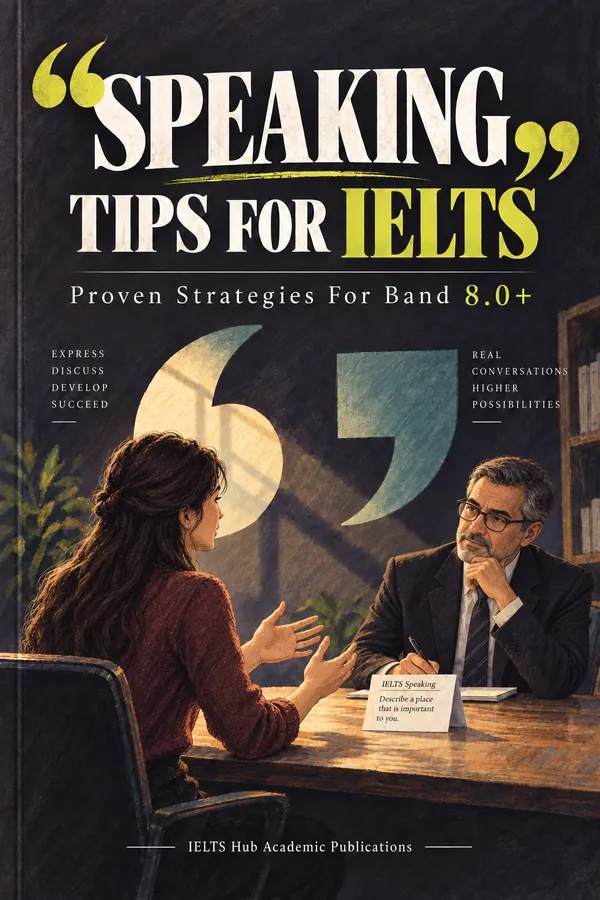
Speaking
Speaking Tips for IELTS
Proven Strategies for Band 8.0+
₹299$9.99CAD 13.99AUD 14.99£7.99NZD 16.99€8.99AED 39SGD 12.99