Speaking test #646
Part 1 · Interview
4 to 5 minutes. The examiner asks about you and familiar topics.
Can you tell me your full name?
Where are you from?
Do you work or are you a student?
Who do you trust most?
I trust my family and close friends the most. They have been with me through thick and thin, and have always been a source of support and guidance. Their honesty and loyalty have earned my trust, and I know that they have my best interests at heart.
Have you ever lost trust in someone?
Yes, I have lost trust in someone before. It was a difficult experience, as it was someone who I had considered a close friend. However, they betrayed my trust and it caused a rift in our friendship. It made me realize the importance of being cautious when trusting others.
What kind of people do you trust?
I trust people who are honest, trustworthy, and have integrity. People who are consistent in their actions and words, and who are open and transparent in their communication. I also trust people who have a strong moral compass and who are willing to stand up for what they believe in.
Do you trust artificial intelligence?
I am cautious about trusting artificial intelligence. While it has the potential to be very useful, I think it's important to be aware of the potential risks and limitations. I believe that it's important to have proper regulations in place to ensure that artificial intelligence is used ethically and responsibly. I think that we need to be careful about how we use it, and that we should always be aware of its limitations.
How often do you visit your relatives?
I visit my relatives on a fairly regular basis, usually every few months or so. It all depends on my schedule and how busy I am with work and other commitments. But I always try to make time to see them, as I value family greatly.
What do you do when you visit your relatives?
When I visit my relatives, we usually catch up on everything that's been going on in our lives. We'll talk about what's been happening with work, school, and any recent accomplishments or milestones. We'll also usually cook together and share meals, which is always a lot of fun.
Do people need to visit their relatives?
I believe that it's important for people to visit their relatives, as it helps to strengthen family bonds and keep those relationships strong. Regular visits can also be a great way to stay connected and in touch with loved ones, even if they live far away.
Do you prefer to visit your relatives or friends?
I enjoy visiting both my relatives and friends, but I have to say that I probably have a slight preference for visiting my relatives. I find that spending time with family is always comforting and grounding, and I always leave feeling recharged and refreshed. But I also love spending time with my friends, as it's a great way to relax and have fun.
You will have to talk about the topic for one to two minutes. You have one minute to think about what you are going to say. You can make some notes to help you if you wish.
Describe your favourite sport
You should say:
- What sport it is
- How you got interested in it
- Where and when you usually play/watch it
- Why you enjoy this sport
What sport it is
My favorite sport is cricket, a widely popular game in India that is deeply ingrained in our culture. I became interested in cricket at a very young age, as I remember watching matches with my family on television and witnessing the passion and excitement it evoked. The thrill of watching legendary players like Sachin Tendulkar and MS Dhoni in action inspired me to learn more about the game and eventually participate in it.
How you got interested in it
I usually play cricket with my friends at a nearby ground on weekends. The sound of leather on willow, the camaraderie among teammates, and the competitive spirit during matches create an exhilarating experience. Additionally, I enjoy watching cricket matches at home or at sports bars with friends, especially during major tournaments like the ICC World Cup, where the entire nation comes together to support our team.
Where and when you usually play/watch it
The reason I enjoy cricket so much is due to the strategic and skillful nature of the game. It requires a combination of physical fitness, mental acuity, teamwork, and individual brilliance to succeed in cricket. The tactical aspects such as setting field placements, analyzing the opposition's weaknesses, and executing different bowling and batting techniques make every match a unique challenge that keeps me engaged and entertained.
Why you enjoy this sport
Moreover, cricket has a way of transcending boundaries and bringing people from diverse backgrounds together. Whether playing on the streets or watching a match in a stadium, the shared passion for the sport creates a sense of unity and belonging. The adrenaline rush of a close match, the joy of celebrating victories, and the lessons learned from defeats all contribute to my love for cricket and make it my favorite sport.
- Words
- 276
- Sentences
- 12
- Words per sentence
- 23.0
- Speaking time
- about 2.1 min
Counted at 130 words a minute. The exam gives you one to two minutes.
Part 3 · Discussion
4 to 5 minutes. The examiner asks broader questions linked to the cue card topic.
What makes your favorite sport more appealing than other sports?
The appeal of my favorite sport, which is football, is deeply rooted in its universal accessibility and the sheer excitement it generates. Unlike some niche sports that may only attract a specific audience, football has a global following that transcends cultural and geographical barriers. The thrill of watching a last-minute goal or experiencing the camaraderie among fans creates a sense of community that is hard to replicate in other sports. Moreover, the strategic depth and physical demands of football keep both players and spectators engaged, making it a captivating spectacle. In contrast, sports like golf may appeal more to those who appreciate precision and patience, but they might not evoke the same level of fervor or emotional investment as a high-stakes football match.
Why do some people care more about sports than others?
There are several reasons why some people feel more passionately about sports than others. For many, it stems from their upbringing; if someone grew up in a family that celebrated sports, they're likely to carry that enthusiasm into adulthood. Additionally, sports can provide a sense of belonging and community, which is especially appealing in today's fast-paced world. Some individuals also find that engaging with sports allows them to experience a rush of adrenaline and excitement, which can be quite addictive. Moreover, the emotional highs and lows associated with following a team can create a deep, personal connection that makes the experience all the more thrilling.
How does taking part in sports help a person's overall health?
Participating in sports can significantly enhance an individual's overall well-being in several ways. Firstly, engaging in physical activities boosts mental health by releasing endorphins, often referred to as the "feel-good" hormones. This can help alleviate stress and anxiety, creating a more positive outlook on life. Additionally, sports foster a sense of community and belonging, as individuals often form strong social connections with teammates and fellow athletes. Lastly, regular participation in sports promotes a healthy lifestyle, encouraging better nutrition and consistent exercise, which are essential for maintaining physical health. Overall, sports can be a powerful catalyst for a happier, healthier life!
Why do you think some sports are more popular than others?
That's a fascinating question! I believe the popularity of certain sports can largely be attributed to a combination of cultural significance and accessibility. For instance, sports like football and basketball have a massive global appeal because they are not only thrilling to watch but also relatively easy to play, requiring minimal equipment. Additionally, media coverage plays a crucial role; when major events like the World Cup or the Olympics are broadcasted, they capture the imagination of millions, creating a shared sense of excitement. Lastly, historical factors often influence this phenomenon as well, as countries tend to rally around sports that have deep roots in their culture, fostering a sense of community and pride.
What changes do you think will happen in sports over the next ten years?
I believe the landscape of sports is poised for some exciting transformations in the next decade. One significant change will likely be the increasing incorporation of technology, such as augmented reality and virtual reality, to enhance the fan experience. Imagine watching a live game where you can *virtually* step onto the field alongside your favorite players! Furthermore, we might see a greater emphasis on inclusivity, with more initiatives aimed at promoting sports among underrepresented communities. This could lead to a broader range of sports being recognized and celebrated, cultivating a more diverse sporting culture. Overall, the future of sports is not only about competition but also about fostering connection and community on a global scale.
What steps can be taken to get more people to participate in physical activities?
To encourage more people to engage in physical activities, I believe a multifaceted approach is essential. First and foremost, local governments could invest in creating more accessible and appealing public spaces, such as parks and recreational centers, where individuals can easily participate in various sports or exercise routines. Additionally, organizing community events, like fun runs or group fitness classes, can foster a sense of camaraderie and make physical activity more enjoyable. Furthermore, educational campaigns highlighting the long-term benefits of regular exercise—such as improved mental health and increased longevity—could significantly motivate people to prioritize their physical well-being. Lastly, promoting workplace wellness programs that offer incentives for employees who engage in regular physical activities could also play a crucial role in encouraging a more active lifestyle. Overall, a combination of better facilities, community engagement, and education could really inspire a shift towards greater physical activity.
Go further with the books
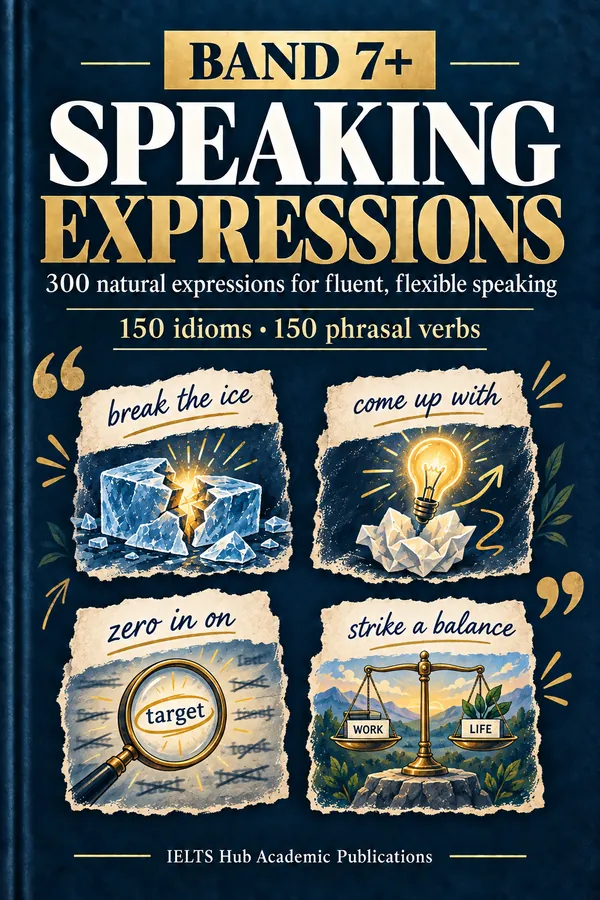
Speaking
Band 7+ Speaking Expressions
300 natural expressions for fluent, flexible speaking
₹199$6.99CAD 8.99AUD 9.99£4.99NZD 10.99€5.99AED 24SGD 8.99
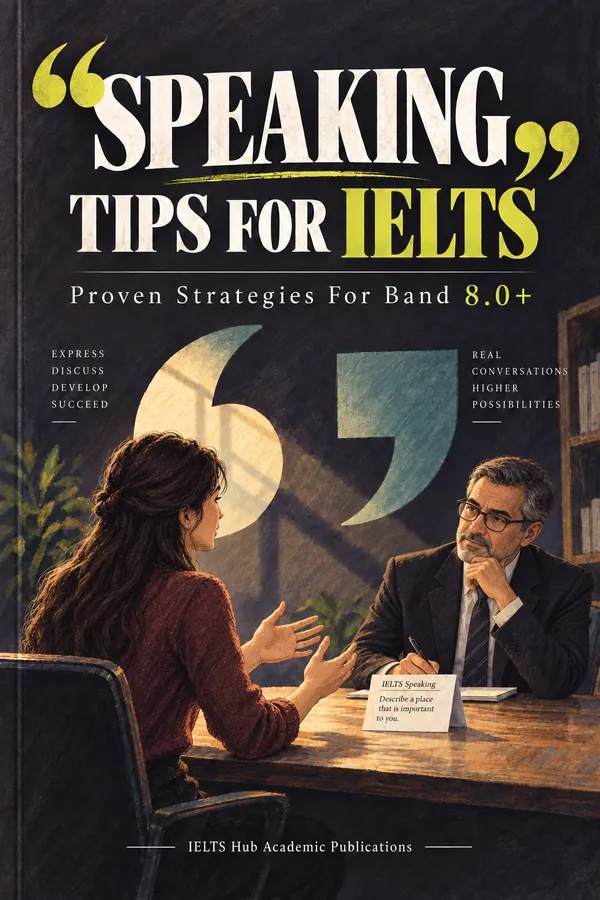
Speaking
Speaking Tips for IELTS
Proven Strategies for Band 8.0+
₹299$9.99CAD 13.99AUD 14.99£7.99NZD 16.99€8.99AED 39SGD 12.99
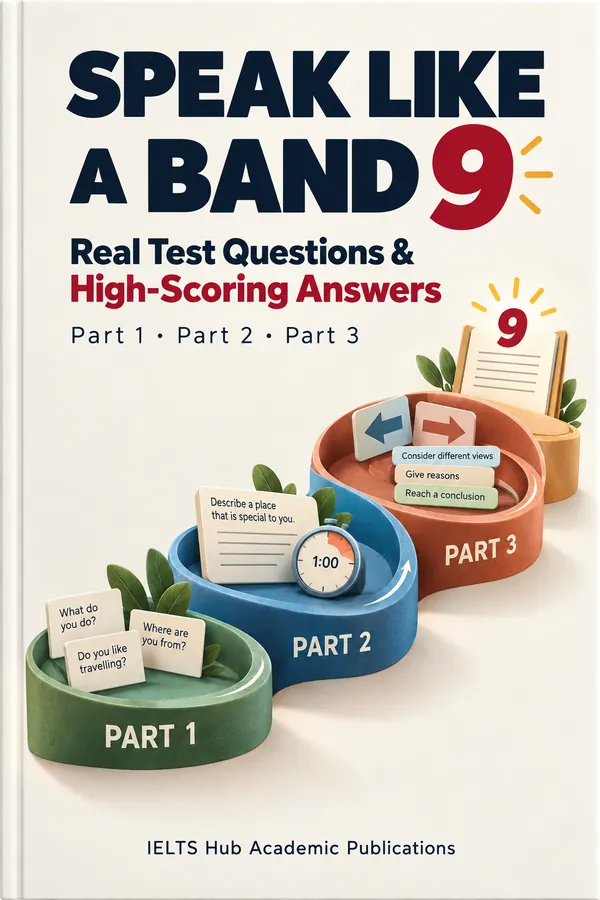
Speaking
Speak Like a Band 9
Real Test Questions & High-Scoring Answers
₹299$9.99CAD 13.99AUD 14.99£7.99NZD 16.99€8.99AED 39SGD 12.99